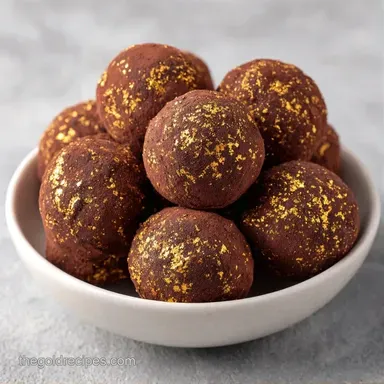
Gilded Chocolate Truffles: Velvety and Rich
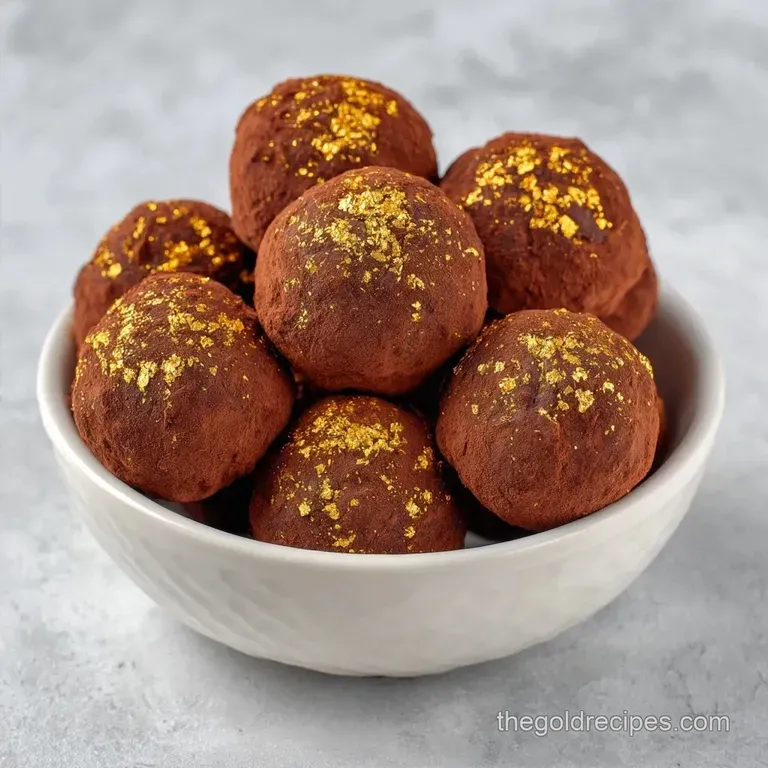
- Time: 30 min active + 2 hrs 3 min chilling
- Flavor/Texture Hook: Velvety, rich, and melts instantly
- Perfect for: High end gifting or dinner party finishers
Chocolate Truffles
The smell of hot cream hitting dark chocolate is basically the best thing in the world. It's that instant shift from separate ingredients to a glossy, mahogany pool of richness. I used to think you needed some fancy tempering machine or a professional pastry degree to get that "snap" and melt, but that's a total lie.
Most people think you have to boil the cream to get it to bond with the chocolate, but boiling actually risks scorching the milk solids and creating a grainy texture. The secret is all about the simmer. Once you hit that point, you're just managing a fat in-water emulsion.
These Gilded Chocolate Truffles are about precision, not magic. You're hacking the way cocoa butter crystallizes to get a center that's silky but holds its shape. If you follow the numbers, you'll get a result that looks like it came from a boutique shop.
Essential Project Specs
Before we start, we need to talk about the physics of the set. You can't rush a ganache. The fat molecules need time to align and stabilize in the fridge, or you'll end up with a puddle instead of a sphere.
I've found that the temperature of your butter is the most overlooked variable. If you throw in cold butter, it creates tiny clumps of fat that won't fully incorporate, leaving you with a streaky finish. Room temperature butter is a requirement, not a suggestion.
For those who like to experiment, this is a great base for other Edible Gold Dessert Recipes. The gold luster dust doesn't change the flavor, but it changes the entire perception of the dish. It turns a simple treat into something that feels expensive.
Ingredient Component Breakdown
The goal here is a stable emulsion. If the ratio of fat to liquid is off, the ganache will either be too runny to roll or so hard it tastes like a wax candle.
- Fat Stabilization
- Butter adds a secondary fat source that solidifies at a different temperature than cocoa butter, which smooths out the melt in-your mouth feel.
- Thermal Shock Prevention
- Letting the hot cream sit on the chocolate for 5 minutes prevents the cocoa solids from seizing, which according to Serious Eats, is the key to a smooth emulsion.
- Surface Tension
- Cocoa powder absorbs residual surface moisture, stopping the balls from sticking to each other.
- Flavor Balance
- Salt doesn't just add taste, it actually suppresses the bitterness of high percentage cacao, making the chocolate taste "darker" and richer.
| Method | Time | Texture | Best For |
|---|---|---|---|
| Fast (Microwave) | 10 mins | Slightly softer | Quick cravings |
| Classic (Stovetop) | 33 mins | Denser, more stable | Gifting, parties |
Component Analysis
| Ingredient | Science Role | Pro Secret |
|---|---|---|
| Dark Chocolate | Structural Base | Use 60% cacao or higher for a firm set |
| Heavy Cream | Hydration/Emulsion | High fat content prevents the sauce from splitting |
| Unsalted Butter | Gloss & Mouthfeel | Must be soft to emulsify without lumps |
| Luster Dust | Visual Finish | Apply with a dry brush to avoid clumping |
Required Gear
You don't need a lab, but a few specific tools make the process way easier. A heat proof glass or metal bowl is non negotiable. Plastic can warp or hold onto old smells that mess with the chocolate.
A rubber spatula is your best friend here. You want to stir in small circles from the center outward. This prevents you from incorporating too many air bubbles, which would leave you with a porous, "foamy" truffle instead of a dense one.
Finally, a small cookie scoop or a tablespoon is helpful for portioning. Keeping the sizes consistent ensures they all set at the same rate in the fridge.
The Assembly Phase
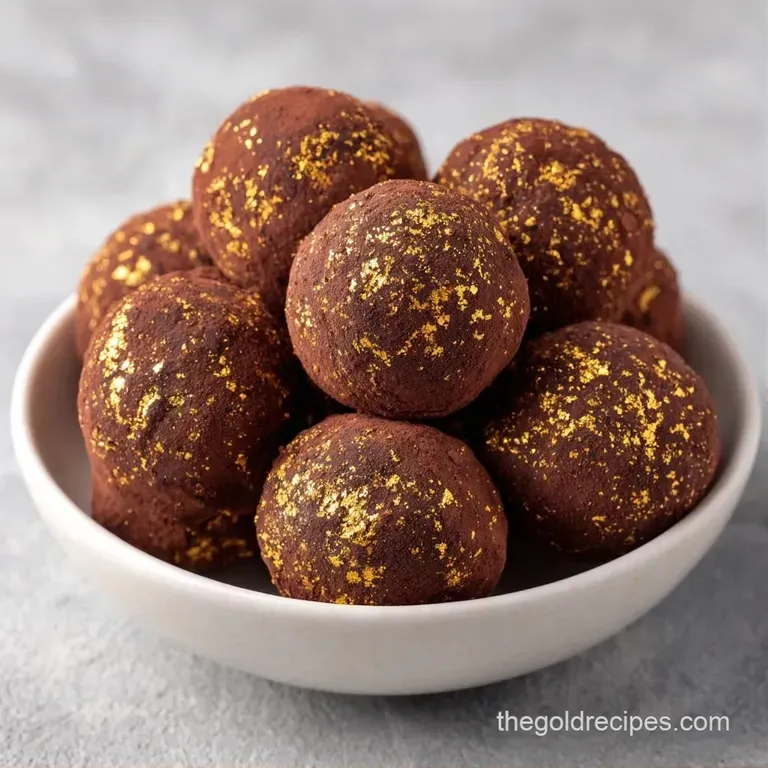
Right then, let's get into the actual build. Trust the process, especially the resting times.
- Place the finely chopped chocolate in a heat proof glass or metal bowl. Note: Smaller pieces melt more evenly.
- In a small saucepan, heat the heavy cream over medium heat until it just begins to simmer with small bubbles forming around the edges. Stop before it boils over.
- Pour the hot cream directly over the chocolate and let it sit undisturbed for 5 minutes. Note: This lets the heat penetrate the cocoa solids without overheating them.
- Starting from the center, gently stir in small circles with a rubber spatula until the mixture is glossy and mahogany colored.
- Stir in the room temperature butter and salt until fully emulsified.
- Pour the ganache into a shallow dish, cover with plastic wrap pressed directly onto the surface of the chocolate, and refrigerate for at least 2 hours until firm.
- Using a small scoop, portion the chilled ganache into 3/4 inch balls and quickly roll them between your palms to smooth into spheres.
- Toss the spheres in sifted cocoa powder until fully coated.
- Use a dry pastry brush to lightly dab edible gold luster dust onto the top of each truffle.
Troubleshooting Texture Issues
Most failures with Chocolate Truffles happen during the emulsion or the rolling phase. If it looks weird, don't panic. It's usually just a temperature or ratio issue.
If the Ganache Separates (Looks Greasy)
This happens when the fat breaks away from the liquid. It usually means the cream was too hot or you stirred too aggressively. You can often fix this by adding a teaspoon of room temperature cream and whisking vigorously.
If the Truffles are Too Soft to Roll
The ganache probably didn't reach the core temperature of the fridge. Put them back in for another 30 minutes. If they're still soft, your chocolate might have had too many fillers or not enough cocoa butter.
If the Gold Dust Clumps
This occurs if the truffle is still "sweating" or if the brush is damp. Ensure the cocoa powder coating is dry to the touch before applying the gold.
| Problem | Root Cause | Solution |
|---|---|---|
| Grainy Texture | Overheated cream | Use a thermometer; keep cream under 200°F |
| Sticky Surface | Humid environment | Sift cocoa powder twice and re coat |
| Dull Finish | Low quality chocolate | Use chocolate with higher cocoa butter content |
Mistakes Checklist:
- ✓ Did you chop the chocolate finely?
- ✓ Is the butter actually room temperature?
- ✓ Did you let the cream sit for exactly 5 minutes?
- ✓ Is the plastic wrap touching the chocolate surface?
- ✓ Did you avoid boiling the cream?
Flavor Variations
If you want to move beyond the classic version, you can hack the base. For a boozy kick, replace 1 tablespoon of cream with a high proof liqueur like Grand Marnier or Amaretto. The alcohol lowers the freezing point, so you might need an extra 30 minutes of chilling.
For a nuttier depth, stir in a teaspoon of almond extract or a pinch of espresso powder. This works because coffee enhances the perception of chocolate, making it taste more intense without adding more sugar.
If you're looking for something different, maybe a lighter treat, you could try my Cottage Cheese Edible Cookie Dough as a contrast to these rich treats. For those wondering how to use edible gold flakes on chocolate, just remember that less is more. A light dab is all you need for that high end look.
Component Swaps
| Original Ingredient | Substitute | Why It Works |
|---|---|---|
| Heavy Cream (1/2 cup) | Full fat Coconut Milk (1/2 cup) | Similar fat content. Note: Adds a slight coconut flavor |
| Dark Chocolate (8 oz) | Semi Sweet Chocolate (8 oz) | Works similarly. Note: Result will be sweeter and slightly softer |
| Cocoa Powder (1/4 cup) | Crushed Pistachios | Adds crunch and color. Note: Changes the flavor profile |
The most important part of any swap is maintaining the fat ratio. If you use a low-fat substitute, the Homemade Gilded Chocolate Truffles won't set, and you'll end up with a chocolate pudding.
Storage and Waste
Store these in an airtight container in the fridge for up to 2 weeks. If you can't finish them, they freeze beautifully for up to 2 months. Just wrap them tightly in parchment paper first so they don't pick up "freezer smells."
When reheating or bringing them to room temperature, do it slowly. Take them out 30 minutes before serving. If you put them in a microwave, they'll turn into a puddle in seconds.
To avoid waste, don't throw away the leftover cocoa powder. Use it to dust a slice of banana or stir it into your morning oatmeal. If you have a bit of leftover ganache that's too small to roll into a ball, just smear it on a piece of toast. It's basically a luxury chocolate spread.
Serving Suggestions
The best way to serve these is on a slate board or a white ceramic platter to make the gold pop. Since these are so rich, you need something to cut through the fat. A sharp raspberry coulis or a few fresh blackberries on the side work perfectly.
If you're putting together a dessert spread, these pair well with something chewy. I'd suggest serving them alongside my Best Classic Blondies Recipe for a mix of textures.
Keep the drinks simple. A strong espresso or a glass of dry red wine balances the sweetness. Avoid serving them with other heavy creams, or the palate will get overwhelmed. Just one or two of these Chocolate Truffles is usually enough for most people.
Right then, you've got the science and the steps. Just remember: don't boil the cream, don't rush the chill, and use the good chocolate. Those three rules are the difference between a mediocre candy and professional grade Chocolate Truffles. Let's get to it.
Recipe FAQs
How to apply gold luster dust to the truffles?
Use a dry pastry brush to lightly dab the dust. Apply it only to the top of each finished truffle for a polished, professional look.
How to make edible gold powder for painting?
Purchase certified edible gold luster dust. Creating food safe metallic pigments at home is unsafe and requires industrial processing to be non-toxic.
How long do chocolate truffles last in the fridge?
Up to 2 weeks in an airtight container. You can also freeze them for up to 2 months if you wrap them tightly in parchment paper first.
Why did my ganache not set in the refrigerator?
The mixture likely didn't refrigerate long enough. Ensure the ganache stays chilled for at least 2 hours and that you used the correct ratio of chocolate to cream.
Is it true I must boil the heavy cream before pouring it over the chocolate?
No, this is a common misconception. Heat the cream only until it just begins to simmer with small bubbles forming around the edges to avoid scorching.
Can I use milk chocolate instead of dark chocolate?
Yes, but you may need more chilling time. Milk chocolate has a lower cocoa percentage and more fat, making the ganache softer; if you enjoyed balancing the rich cocoa here, see how that same flavor profile works in our edible gold dust cookies.
How should I bring chilled truffles to room temperature?
Remove them from the fridge 30 minutes before serving. Avoid using a microwave, as the chocolate will turn into a puddle in seconds.
Gilded Chocolate Truffles