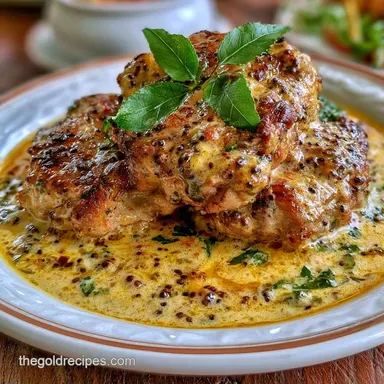
Authentic South Indian Coconut Chicken Curry
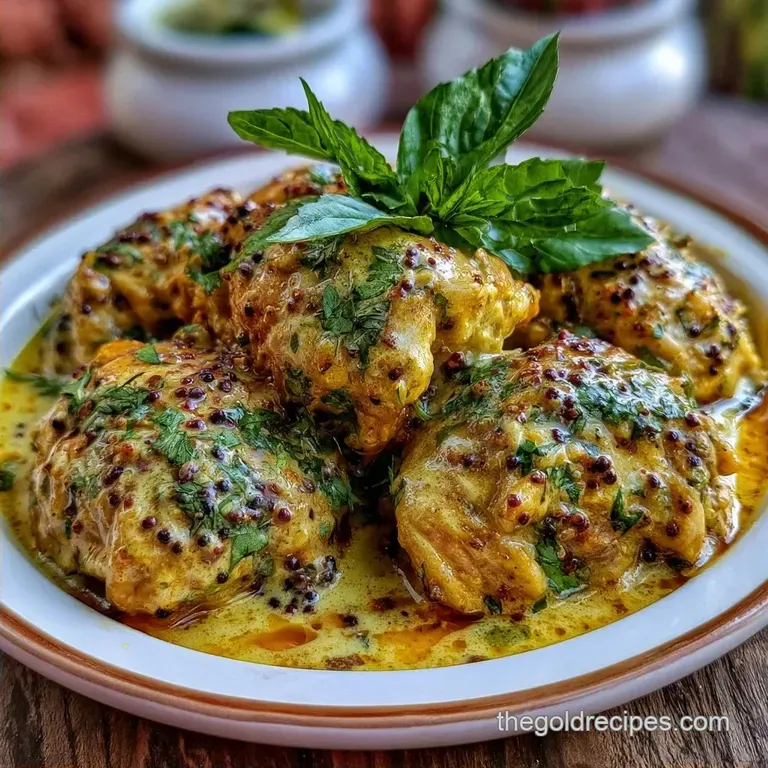
- Time: 15 min active + 35 min cooking
- Flavor/Texture Hook: Rich, creamy sauce with a pop of mustard seeds
- Perfect for: Hearty family weeknight dinners
- South Indian Coconut Curry
- The Core Flavor Profile
- Timing and Yield Details
- Tools for the Job
- Ingredients and Substitutes
- Step by Step Cooking
- Fixing Common Issues
- Troubleshooting Common Issues
- Adjusting the Batch Size
- Common Misconceptions
- Storage and Waste Tips
- Plating for the Family
- Ways to Change It
- Very High in Sodium
- Recipe FAQs
- 📝 Recipe Card
The smell of mustard seeds popping in hot oil always takes me back to my first attempt at this dish. I remember thinking I could just throw everything in the pot at once. The result was a gray, bland mess that tasted like boiled coconut and disappointment.
The sauce didn't cling to the chicken, and it lacked that punchy, layered depth you find in real Kerala style cooking.
That failure taught me that the order of operations matters. You can't rush the aromatics if you want that deep, savory base. I spent a few weekends practicing the "tadka" or tempering, learning exactly when the oil is hot enough to make the seeds dance.
This version is the result of those mistakes. It's a hearty, budget friendly meal that brings the whole family to the table without requiring any fancy equipment. We're focusing on a few reliable steps to ensure the sauce is thick and the chicken stays tender.
South Indian Coconut Curry
The magic here happens in the first five minutes. By frying the whole spices first, we infuse the oil with flavor before the meat even hits the pan. This prevents the spices from tasting raw and creates a foundation that carries the coconut milk.
The Oil Bloom: Heating spices in oil releases fat soluble flavors that wouldn't emerge from simmering alone.
The Tamarind Balance: The acidity of the tamarind cuts through the heavy fat of the coconut milk so the dish doesn't feel too heavy.
| Method | Time | Texture | Best For |
|---|---|---|---|
| Stovetop | 50 mins | Thick and cohesive | Traditional family meals |
| Slow Cooker | 6-8 hours | Very soft meat, thinner sauce | Set it and forget it days |
The Core Flavor Profile
Knowing what each part does helps you adjust the taste on the fly. If you're missing a specific spice, you can usually find a workaround that keeps the spirit of the dish alive.
| Ingredient | What It Does | Best Swap |
|---|---|---|
| Curry Leaves | Adds a nutty, citrus aroma | Small amount of lime zest (less aromatic) |
| Tamarind Paste | Provides a sharp, fruity tang | Lime juice or lemon juice |
| Coconut Milk | Adds creaminess and body | Heavy cream (loses the tropical note) |
| Kashmiri Chili | Gives red color and mild heat | Paprika mixed with a pinch of cayenne |
Timing and Yield Details
This recipe serves 5 people. It's designed to be made in one heavy pot to save on washing up, which is a win for any busy cook.
- Prep time: 15 minutes
- Cook time: 35 minutes
- Total time: 50 minutes
- Yield: 5 servings
Tools for the Job
You don't need a professional kitchen for this. A sturdy pot and a wooden spoon are your best friends here.
- Heavy bottomed pot: A Dutch oven or a deep stainless steel pan works best to prevent the coconut milk from scorching.
- Chef's knife: For dicing the onion and chicken into uniform pieces.
- Measuring spoons: To keep the spice ratios balanced.
Ingredients and Substitutes
Gather everything before you turn on the heat. This is a fast moving recipe once the oil starts shimmering.
- 2 tbsp coconut oil Why this? Matches the flavor profile of the milk (Swap: Vegetable oil)
- 1 tsp brown mustard seeds (Swap: Yellow mustard seeds)
- 12 fresh curry leaves (Swap: None, but lime zest helps)
- 1 cinnamon stick (2 inch) (Swap: 1/2 tsp ground cinnamon)
- 3 green cardamom pods, cracked (Swap: 1/4 tsp ground cardamom)
- 1.5 lbs boneless, skinless chicken thighs, cut into 1 inch pieces Why this? Thighs stay juicy during simmering (Swap: Chicken breast or chickpeas)
- 1 large yellow onion, finely diced (Swap: Red onion)
- 1 tbsp ginger paste (Swap: Freshly grated ginger)
- 1 tbsp garlic paste (Swap: Freshly minced garlic)
- 2 green chilies, slit lengthwise (Swap: Serrano peppers)
- 1 tsp turmeric powder (Swap: None)
- 1 tbsp coriander powder (Swap: None)
- 1 tsp Kashmiri red chili powder (Swap: Mild paprika)
- 1 tsp garam masala (Swap: Allspice or a generic curry powder)
- 1 tbsp tamarind paste Why this? Essential for the South Indian tang (Swap: 1 tbsp lime juice)
- 1 tsp salt (Swap: Sea salt)
- 1 can (13.5 oz) full fat coconut milk Why this? Full fat ensures the sauce doesn't break (Swap: Light coconut milk, but sauce will be thinner)
- 1/4 cup water (Swap: Chicken broth)
- 1 tbsp fresh cilantro, chopped (Swap: Parsley)
Step by step Cooking
Right then, let's get into the process. Keep your heat steady and don't walk away from the pot during the first few steps.
- Heat the coconut oil in a heavy bottomed pot over medium heat. Once shimmering, add the mustard seeds and wait until they begin to splutter and pop. Note: This usually takes 1-2 minutes.
- Immediately stir in the curry leaves, cinnamon, and cardamom. Sauté for 30 seconds until the leaves are crisp and fragrant.
- Add the diced onions and sauté for 5-7 minutes until they turn a translucent gold.
- Stir in the ginger paste, garlic paste, and slit green chilies. Cook for another 2 minutes, stirring constantly so the garlic doesn't brown.
- Add the turmeric, coriander, and red chili powder, stirring for 1 minute to toast the spices.
- Increase heat to medium high and add the chicken pieces. Stir to coat the meat in the spice paste and sear until the chicken edges are opaque.
- Pour in the tamarind paste and salt, stirring well to incorporate.
- Stir in the coconut milk and water. Simmer on medium low heat until the chicken is tender and the sauce has reduced to a thick, velvety consistency.
- Stir in the garam masala and garnish with fresh chopped cilantro before serving.
Fixing Common Issues
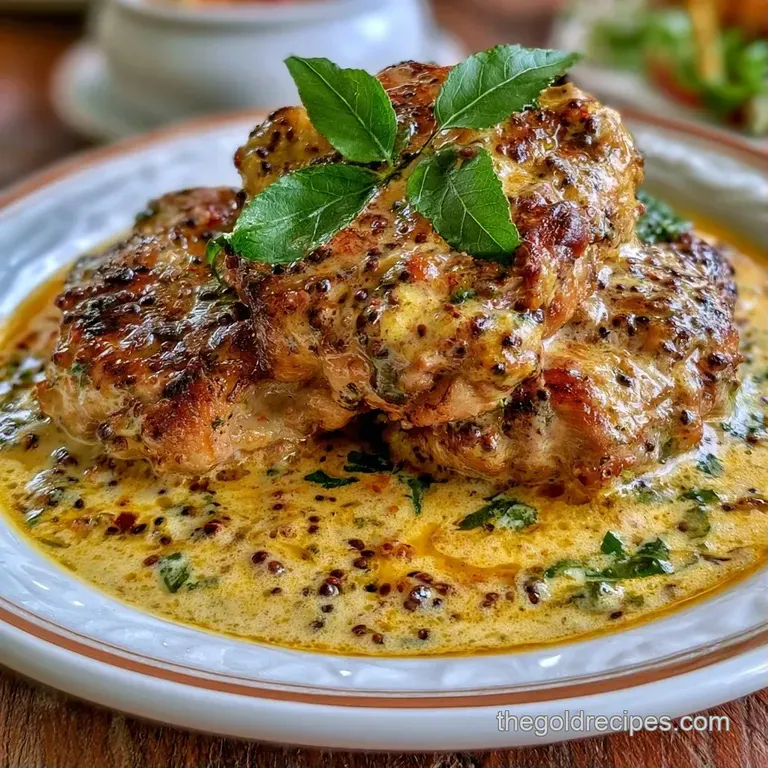
Even with a plan, things can go sideways. Most issues with a South Indian Coconut Curry come down to temperature control or ingredient ratios.
Troubleshooting Common Issues
| Issue | Solution |
|---|---|
| Why Your Sauce Curdles | If the coconut milk separates into oil and clumps, it's usually because the heat was too high. According to [Serious Eats](https://www.seriouseats. |
| Why the Curry Tastes Bland | This often happens if the spices weren't toasted in the oil. If the flavor is flat, add a pinch more salt or a squeeze of lime at the end to wake everything up. |
| Why the Chicken is Rubbery | Overcooking chicken thighs is hard, but it can happen if you boil them too violently. Keep the simmer low and slow. |
Adjusting the Batch Size
When you're cooking for a crowd or just for yourself, you can't always just multiply everything.
Cooking for two (Half batch): Use a smaller saucepan to keep the liquid from evaporating too quickly. Reduce the simmering time by about 20%. If the recipe calls for an egg (not here, but for other dishes), beat one and use half.
Cooking for ten (Double batch): Don't double the salt or the Kashmiri chili powder right away. Start with 1.5x the spices and taste at the end. You'll also need to reduce the added water by about 10% because larger batches retain more moisture.
If you're using a standard pot, work in batches when searing the chicken to avoid crowding the pan, which leads to steaming instead of browning.
If you're looking for a side to go with this, my One Pot Coconut Rice is a natural fit.
Common Misconceptions
There are a few things people get wrong about this style of cooking. Let's clear those up.
One big myth is that you need to soak the chicken in yogurt first. While some North Indian recipes do this, a South Indian Coconut Curry relies on the coconut milk and tamarind for tenderness and flavor. You don't need the extra step.
Another common belief is that you must use a pressure cooker for the meat to be tender. Chicken thighs are naturally forgiving. A 35 minute simmer in a heavy pot is plenty of time to get them tender without needing a specialized gadget. If you're struggling with meat texture, check out my Easy Coconut Chicken Curry for a faster version.
Storage and Waste Tips
This curry actually tastes better the next day because the spices have more time to mingle.
- Fridge
- Store in an airtight container for up to 4 days. The sauce may thicken in the fridge, which is normal.
- Freezer
- This freezes well for up to 3 months. Thaw it in the fridge overnight before reheating.
- Reheating
- Warm it on the stovetop over medium low heat. Add a splash of water or coconut milk if the sauce has become too thick.
- - Onion skins
- Save your yellow onion skins in a freezer bag to make a vegetable broth.
- - Coconut oil jar
- Once the oil is gone, use the jar to store homemade ginger garlic paste.
- - Tamarind scraps
- If you use a block of tamarind instead of paste, soak the remaining bits in warm water to make a quick tangy glaze for roasted vegetables.
Plating for the Family
Presentation doesn't have to be fancy to be inviting. I like to serve this in a wide, shallow bowl.
Start with a generous scoop of basmati rice or appam (rice pancakes). Ladle the curry over the top, making sure to get a few of those popped mustard seeds on top. A handful of fresh cilantro adds a pop of green that makes the rich orange sauce look even better.
For a bit of crunch, serve it with a side of papadums or sliced raw cucumbers to refresh the palate between bites.
Ways to Change It
Once you've got the base down, you can play with the ingredients to suit whoever is eating.
For a South Indian Coconut Curry Vegetarian
Swap the chicken for 1.5 lbs of cauliflower florets and cubed potatoes. Sauté the potatoes first until they have a bit of a crust, then proceed with the recipe. You may need an extra 10 minutes of simmering to ensure the potatoes are soft.
For a Spicy "Madras" Style
Increase the Kashmiri chili powder to 2 tsp and add a pinch of black pepper. This gives the dish a sharper, more aggressive heat that's characteristic of Madras curries.
For a Nutty Twist
Stir in a tablespoon of cashew butter or almond paste during step 8. This adds a different kind of richness and thickens the sauce even further.
Quick Decision Guide:
- If you want it creamier, use full fat coconut milk and skip the water.
- If you want more tang, add a teaspoon of tamarind at the very end.
- If you want a milder flavor, remove the seeds from the green chilies.
Very High in Sodium
1180 mg 1180 mg of sodium per serving (51% 51% of daily value)
The American Heart Association recommends a limit of 2,300mg of sodium per day, with an ideal limit of 1,500mg for most adults to reduce the risk of cardiovascular disease.
Tips to Reduce Sodium
-
Slash Added Salt-30%
Reduce or eliminate the 1 tsp of salt. Instead, use freshly squeezed lime juice at the end of cooking to brighten the flavors without the sodium.
-
Pure Tamarind Source-15%
Substitute commercial tamarind paste with fresh tamarind pulp soaked in water to avoid the salt often used as a preservative in canned pastes.
-
Fresh Garlic & Ginger-10%
Swap store-bought ginger and garlic pastes for freshly minced ginger and garlic to eliminate hidden sodium found in processed pastes.
-
Check Coconut Milk-5%
Ensure the coconut milk is unsweetened and additive free, as some brands include sodium stabilizers.
-
Enhance with Aromatics
Increase the amount of fresh cilantro and curry leaves to provide more depth and complexity to the dish without adding any salt.
Recipe FAQs
Does every type of curry require coconut milk?
No, this is a common misconception. Many regional curry styles rely on tomato, yogurt, or pureed onion bases for thickness and creaminess instead of coconut milk.
How to make coconut milk at home?
Blend fresh grated coconut meat with warm water. Strain the mixture through a cheesecloth or fine mesh sieve to extract the thick, creamy liquid.
What are substitutions for coconut milk in this curry?
Heavy cream or cashew cream work best. Similar to the creamy profile found in crack chicken dip, these alternatives provide the necessary richness and body.
How to make rice with coconut milk as a side?
Replace half of the cooking water with coconut milk. Simmer the rice as usual until the liquid is fully absorbed for a fragrant, creamy side dish.
How to reduce the strong coconut taste in the curry?
Increase the amount of tamarind paste. The additional acidity cuts through the richness of the coconut milk and balances the flavor profile.
Why did my coconut milk sauce curdle?
The heat was likely too high. Always maintain a medium low simmer to prevent the coconut fats from separating into oil and clumps.
Can this coconut curry be frozen?
Yes, for up to 3 months. Store it in an airtight container and thaw in the fridge overnight before reheating on the stovetop over medium low heat.
South Indian Coconut Curry