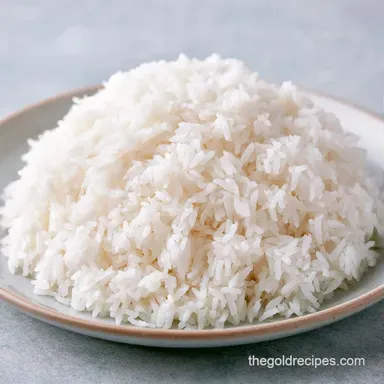
One-Pot Coconut Rice: Fragrant
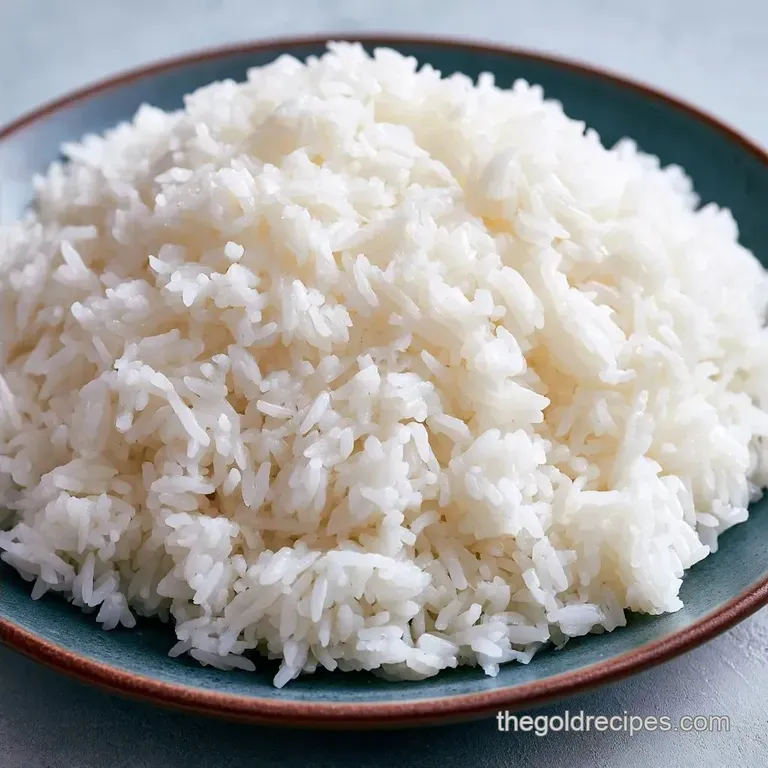
- Time: 5 min active + 20 min cook + 10 min resting
- Flavor/Texture Hook: Creamy, slightly sweet, and nutty
- Perfect for: Family dinner sides or meal prep
Ever wondered why some restaurant rice has that glossy, separate grain look while home versions often turn into a thick porridge? I used to think it was some fancy equipment, but it actually comes down to how the fat interacts with the starch.
The scent of toasted ginger and coconut milk hitting a hot pot is enough to make anyone hungry. It transforms a basic pantry staple into something that feels like a treat.
You can expect a side dish that is hearty and budget friendly. This Coconut Rice provides a rich base that balances spicy or salty main courses.
Coconut Rice
Right then, let's get into how to make this work every single time. The goal is to get the rice to absorb the coconut milk without losing its structure.
Quick Recipe Specs
This is a straightforward process, but the timing is non negotiable. If you rush the resting phase, you'll end up with unevenly cooked grains.
| Feature | Detail |
|---|---|
| Heat Level | Medium to Low |
| Grain Type | Long grain Jasmine |
| Main Fat | Full fat Coconut Milk |
| Key Aroma | Fresh Ginger |
Why This Works
I've found that a few small tweaks make a huge difference in the final result.
- Toasting Grains: Stirring the rice in oil before adding liquid seals the surface and prevents sticking.
- The Steam Rest: Leaving the pot alone for 10 minutes lets the moisture redistribute, which firms up the grains.
The choice between fresh and canned milk changes the vibe of the dish. Here is how they stack up.
| Type | Flavor Profile | Texture | Best For |
|---|---|---|---|
| Canned | Intense, sweet | Thick and creamy | Richer, dessert like sides |
| Fresh | Light, nutty | Thinner, cleaner | Authentic Thai style meals |
Ingredient Role Breakdown
Understanding what each part does helps you adjust things on the fly.
| Ingredient | What It Does | Best Swap |
|---|---|---|
| Jasmine Rice | Provides a floral aroma | Basmati (firmer grain) |
| Coconut Milk | Adds fat and creamy flavor | Coconut cream + water |
| Ginger | Cuts through the richness | Lemon zest (for brightness) |
| Honey | Balances the salt | Maple syrup or sugar |
Essential Kitchen Tools
You don't need much for this, just a few basics that keep the heat steady.
- A medium pot with a tight fitting lid (this is non negotiable to keep the steam in).
- A fine mesh strainer for rinsing.
- A fork for fluffing at the end.
The Cooking Process
Follow these steps closely. The sensory cues, like the smell of the ginger, tell you when to move to the next phase.
- Place the rice in a fine mesh strainer and run cold water over it for 2–3 minutes, agitating until the water runs clear. Note: This removes excess starch that causes gumminess.
- Heat neutral oil in a medium pot over medium heat. Add the freshly grated ginger and toast for 30 seconds until it smells fragrant and pungent.
- Add the rinsed rice to the pot and stir for 1–2 minutes until the edges of the grains become translucent.
- Stir in the coconut milk, water, sea salt, and honey. Bring the mixture to a gentle boil.
- Reduce heat to the lowest setting, cover with a tight fitting lid, and simmer undisturbed for 15 minutes.
- Remove the pot from the heat entirely. Keep the lid closed and let it rest for 10 minutes to allow steam to redistribute.
- Remove the lid and use a fork to gently lift and separate the grains.
Chef's Tip: If you want a deeper flavor, try adding a crushed lemongrass stalk or a few cardamom pods during the simmering phase.
Fixing Kitchen Disasters
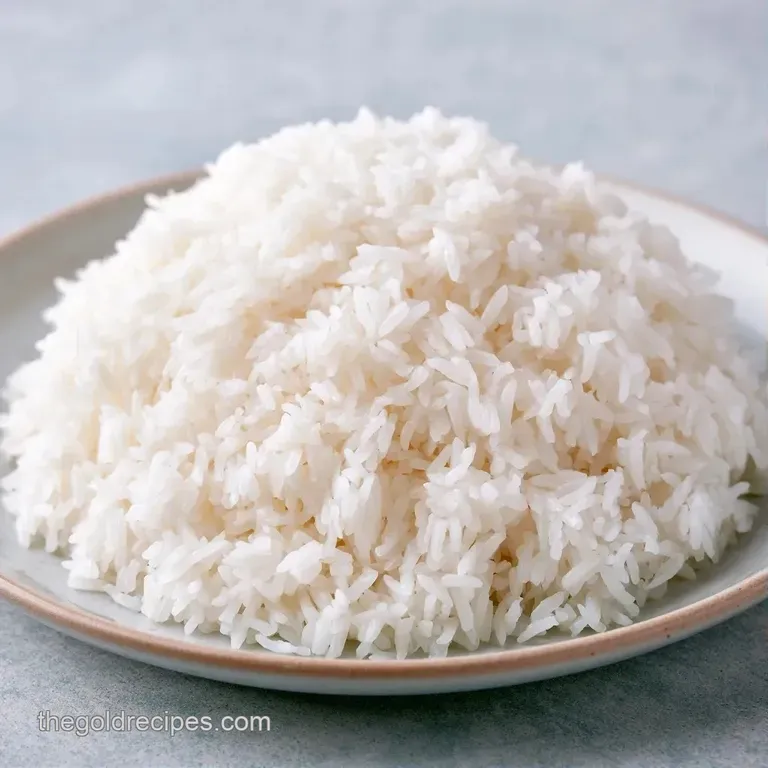
Even with a plan, things can go sideways. Usually, it's a heat or liquid issue.
Troubleshooting Common Issues
| Issue | Solution |
|---|---|
| Rice mushy | This usually happens if you skip the rinsing or use too much water. |
| Prevent scorching | If the bottom burns, your heat was too high during the simmer. Use a heavy bottomed pot to distribute heat more evenly across the base. |
| It's still hard | If the center is undercooked after the rest, add two tablespoons of boiling water, cover it, and put it back on the lowest heat for 5 minutes. |
Dietary Swap Options
Depending on who is at the table, you might need to change a few things.
If you want a more savory version, swap the honey for a splash of fish sauce. For those avoiding honey, a pinch of brown sugar works well.
Low-fat options
You can use light coconut milk, but the Coconut Rice will lose that rich, hearty mouthfeel. To compensate, add a teaspoon of butter at the end for a glossy finish.
Grain free ideas
While not a direct swap, cauliflower rice sautéed with coconut milk and ginger mimics the flavor. It's a great way to keep the meal budget friendly and healthy.
Making It Fit
Adjusting the volume of your pot Coconut rice depends on the gear you have.
Scaling Down (Half Batch) Use a smaller pot so the liquid doesn't evaporate too quickly. Reduce the simmer time by about 2-3 minutes and keep a close eye on the water level.
Scaling Up (Double Batch) When doubling, don't double the salt or ginger exactly. Start with 1.5x the seasonings and taste at the end. You might also need to reduce the total liquid by about 10% because larger volumes of rice retain more steam.
For those who prefer different methods, a Simple Coconut Milk Rice Recipe might be easier if you're using a slow cooker.
Debunking Rice Myths
There are a lot of "rules" out there that don't actually matter.
Searing the rice doesn't "lock in" nutrients, but it does change the starch structure so the grains don't clump. It's about texture, not nutrition.
Some people say you should never stir the rice once the lid goes on. While stirring during the simmer can release too much starch and make it creamy, a single fluff at the end is perfectly fine.
Saving Every Grain
This Coconut Rice keeps well in the fridge for about 4 days. Store it in an airtight container to prevent it from drying out.
Reheating The best way to revive it is in a pan with a splash of water or a tiny bit of coconut milk. Cover it for 2 minutes on medium heat to steam it back to life.
Zero Waste If you have a bit of coconut milk left in the can, don't toss it. Freeze it in ice cube trays and pop a cube into your morning coffee or a smoothie. You can also use the leftover ginger peel to infuse a simple syrup for drinks.
Best Serving Pairings
Because this side is so rich, it needs something with acidity or spice to balance it out.
The Tropical Pairing: Serve this with grilled shrimp or a zesty mango salsa. The sweetness of the rice plays well with the tang of the fruit.
The Asian Classic: This is the ideal partner for a Coconut Milk Chicken dish. The creamy textures mirror each other, creating a cohesive meal.
If you're looking for a one pot meal, you can easily make a One Pot Coconut Rice and Chicken version by searing chicken thighs in the pot before starting the rice. Similarly, a One Pot Coconut Rice and Shrimp variation works great if you add the shrimp during the last 5 minutes of simmering.
Using a Pot Coconut Rice method ensures that the flavors are deeply integrated, making it a family favorite for any night of the week. Whether you are serving it as a simple side or the base of a larger meal, the key is in the patience of the rest.
Recipe FAQs
How to make rice with coconut milk?
Sauté ginger in oil, toast rinsed Jasmine rice, then simmer with coconut milk, water, salt, and honey. Cook on the lowest heat for 15 minutes and let it rest for 10 minutes before fluffing with a fork.
Can I use light coconut milk instead of full fat?
Yes, but the texture will be less creamy. Full fat coconut milk is recommended to achieve the rich, velvety consistency of traditional coconut rice.
Why is my coconut rice mushy?
You likely skipped rinsing the rice or used too much water. Rinsing for 2-3 minutes removes excess surface starch that otherwise causes grains to clump and stick.
How to fix coconut rice that is still hard after resting?
Add two tablespoons of boiling water, cover, and simmer on the lowest heat for 20 minutes. This provides a small amount of targeted moisture to finish cooking the center of the grains.
Is it true that rinsing the rice is optional for this recipe?
No, this is a common misconception. Agitating the rice under cold water until it runs clear is essential to ensure the grains remain separate and fluffy.
How to prevent the coconut rice from scorching at the bottom?
Use a heavy bottomed pot and keep the heat at the lowest possible setting during the simmer. A thicker base distributes heat more evenly, preventing hot spots that burn the rice.
What dishes pair best with coconut rice?
Pair it with bold, savory proteins. The slight sweetness of the rice balances perfectly with the caramelized flavors in our Korean beef bowls.
One Pot Coconut Rice