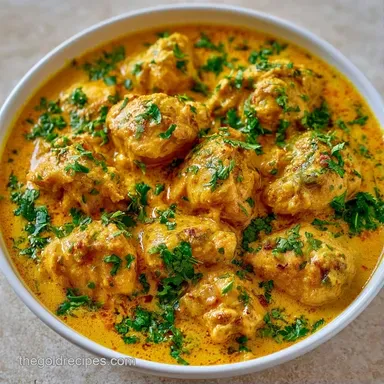
Guilt-Free Easy Coconut Chicken Curry
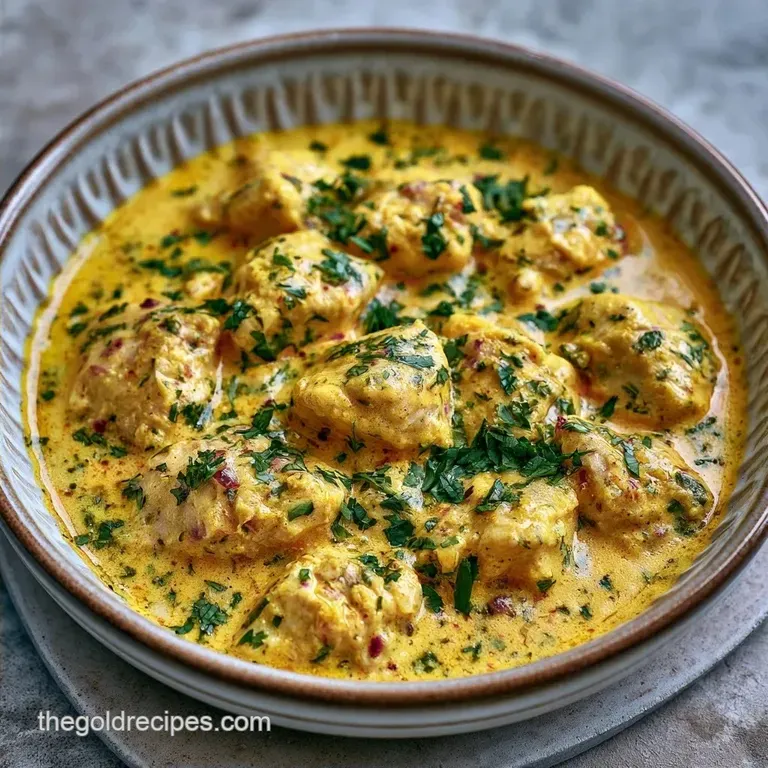
- Time: 10 min prep + 20 min cook
- Flavor/Texture Hook: Creamy, golden sauce with a bright lime finish
- Perfect for: Weeknight dinners or meal prep for the family
- Easy Coconut Chicken Curry Recipe
- What You Need
- Essential Kitchen Gear
- Cooking Steps for Success
- Better Flavor and Texture
- Tweaking for Your Diet
- Keeping and Heating Leftovers
- Great Sides to Serve
- The Most Important Detail
- Troubleshooting Common Issues
- Adjusting the Batch Size
- Using Every Bit
- High in Sodium
- Recipe FAQs
- 📝 Recipe Card
That loud sizzle when the chicken hits the hot avocado oil is the best part of this whole process. I remember the first time I tried making a curry at home. I just dumped everything into a pot and hoped for the best, but it tasted flat and watery.
It wasn't until I started searing the meat properly and frying the spices that the flavors actually woke up.
The real hero here is the light coconut milk. While full fat versions are great for desserts, light coconut milk provides that creamy backdrop without masking the ginger and garlic. It makes this Easy Coconut Chicken Curry feel hearty but not overly heavy, so you don't feel like you need a nap immediately after eating.
You can expect a vibrant, golden sauce that clings to the chicken and vegetables. It's the kind of meal that makes the whole house smell like a professional kitchen. Plus, using budget friendly staples like frozen peas and carrots keeps the grocery bill low while keeping the nutrition high.
Easy Coconut Chicken Curry Recipe
How the Sauce Stays Gold
Spice Blooming: Frying curry powder and turmeric in oil releases fat soluble flavors that wouldn't emerge in water alone. This creates a more intense, savory profile in just a few minutes.
| Ingredient Type | Fresh Version | Shortcut Version | Impact on Taste |
|---|---|---|---|
| Ginger | Freshly grated | Powdered | Fresh is zesty; powder is more muted |
| Garlic | Fresh minced | Jarred minced | Jarred has a sharper, acidic tang |
| Carrots | Fresh sliced | Frozen coins | Fresh has a better snap/bite |
What the Ingredients Do
| Ingredient | What It Does | Best Swap |
|---|---|---|
| Light Coconut Milk | Provides creamy base | Full fat coconut milk (richer, thicker) |
| Tomato Paste | Adds umami and color | Tomato sauce (thinner, less intense) |
| Curry Powder | Main flavor profile | Garam masala (more aromatic, less heat) |
| Lime Juice | Cuts through the fat | Lemon juice (similar acidity) |
What You Need
- 1.5 lbs boneless, skinless chicken breast, cubed Why this? Lean and budget friendly for families
- 1 tbsp avocado oil Why this? High smoke point for searing
- 1 medium yellow onion, finely diced
- 3 cloves garlic, minced
- 1 tbsp fresh ginger, grated
- 2 tbsp mild curry powder
- 1 tsp ground turmeric
- 1/2 tsp sea salt
- 1/4 tsp cracked black pepper
- 1 tbsp tomato paste Why this? Deepens the savory base
- 1 can (13.5 oz) light coconut milk
- 1 cup frozen peas
- 2 medium carrots, thinly sliced into rounds
- 1 tbsp fresh lime juice
- 2 tbsp fresh cilantro, chopped
Essential Kitchen Gear
You don't need a fancy setup for this. A large skillet or a wide pot works best because it gives the chicken enough room to brown without steaming. I usually use a 12 inch stainless steel pan, but non stick is fine too. You'll also need a sturdy spatula for stirring the sauce and a sharp knife for those carrots.
Cooking Steps for Success
- Heat the oil in the skillet over medium high heat. Add the cubed chicken breasts and cook for 3–5 minutes until the edges are mahogany colored and opaque. Remove the chicken from the pan and set aside on a plate. Note: Don't overcrowd the pan or the chicken will boil instead of brown.
- In the same skillet, lower heat to medium. Add the diced onion and sauté for 3 minutes until translucent. Stir in the garlic and ginger, cooking for another 60 seconds until fragrant.
- Stir in the curry powder, turmeric, salt, pepper, and tomato paste. Stir constantly for 1 minute to bloom the spices. Pour in the coconut milk and stir until the sauce is a uniform, vibrant gold.
- Return the seared chicken and juices to the pan. Add the sliced carrots. Simmer gently for 8–10 minutes until carrots are tender and chicken is cooked through.
- Stir in the frozen peas during the last 2 minutes of cooking. Note: Adding peas at the end keeps them bright green and prevents them from mushing.
- Remove the pan from heat. Stir in the fresh lime juice and garnish with chopped cilantro before serving.
Better Flavor and Texture
Chef's Tip: If you have an extra 10 minutes, freeze your butter or oil based fats slightly before use, but for this recipe, the real trick is grating the ginger on the smallest holes of your grater to avoid woody chunks.
To keep the Easy Coconut Chicken Curry from separating, avoid boiling the sauce vigorously. A gentle simmer is all you need. If you see the coconut milk starting to split, just turn the heat down and give it a gentle stir.
Another trick I've learned is to pat the chicken completely dry with paper towels before it hits the pan. If the meat is wet, it won't brown, and you'll miss out on that deep, savory crust that makes this Easy Coconut Chicken Curry taste authentic.
Tweaking for Your Diet
If you want a richer experience, swap the light coconut milk for full fat. It creates a silky texture that's a bit more indulgent. For those who prefer other cream based meals, you might enjoy the way I handle the sauce in my Marry Me Chicken Pasta, though that's a very different flavor profile.
For a dairy-free or vegan version, use chickpeas or tofu instead of the chicken. The coconut milk already keeps this recipe naturally dairy-free. If you're watching your carbs, skip the rice and serve the curry over steamed cauliflower or sautéed spinach.
Keeping and Heating Leftovers
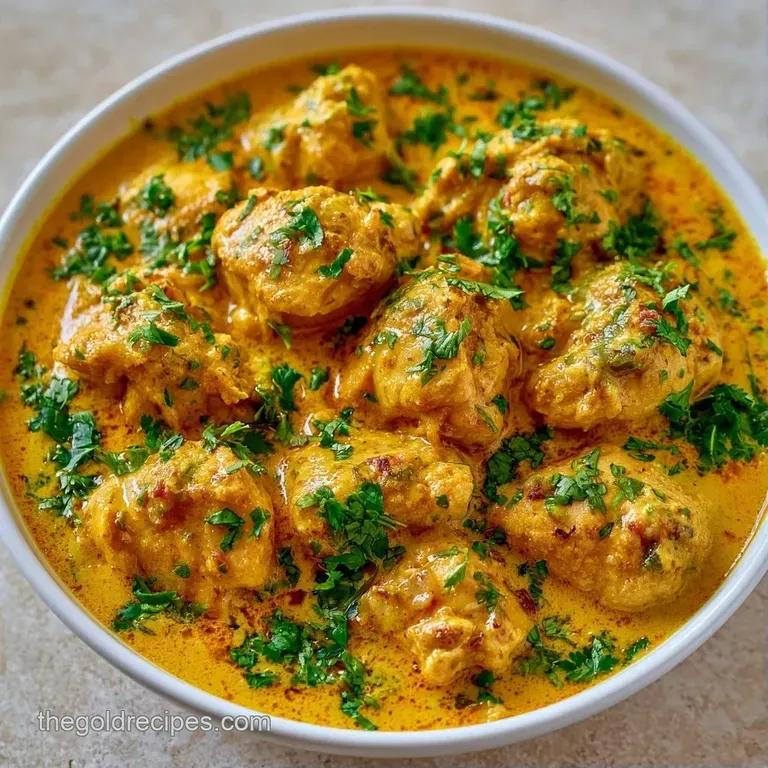
Store any remaining Easy Coconut Chicken Curry in an airtight glass container in the fridge for up to 4 days. The flavors actually settle and improve overnight, making this a great option for school or work lunches.
For the freezer, this dish lasts about 3 months. Just leave a little room at the top of the container for expansion. When you're ready to eat it, thaw it in the fridge overnight.
The Reheating Trick: Don't microwave it on high, or the sauce might break. Heat it on the stovetop over medium low. If the sauce looks too thick after chilling, stir in a splash of water or a teaspoon of coconut milk to loosen it up before serving.
Great Sides to Serve
The most classic pairing is basmati or jasmine rice. The grains soak up the gold sauce perfectly. If you want something a bit more rustic, toasted naan or garlic roti works wonders for scooping up the chicken and peas.
For a lighter contrast, try a side of cucumber raita or a simple slaw with vinegar and lime. If you're in the mood for something entirely different for your next chicken dinner, a zesty Chicken Piccata is a great way to switch from creamy to bright.
The Most Important Detail
The one thing that truly changes this Easy Coconut Chicken Curry is the lime juice at the end. It seems like a small addition, but the acidity cuts through the richness of the coconut milk and the earthiness of the turmeric.
Without it, the dish can taste "flat." Adding it right before serving keeps the flavor fresh and bright.
Common Beliefs About Curry
Searing the chicken doesn't "lock in juices," as some people claim. Instead, it creates a brown crust that adds a deeper layer of flavor to the entire pot. The moisture loss happens regardless, but the taste gain is worth it.
Many think you need a long simmer time to get deep flavor. In this Easy Coconut Chicken Curry, the combination of tomato paste and bloomed spices does the heavy lifting in 20 minutes, so you don't need to spend all afternoon at the stove.
Fixing Common Issues
Troubleshooting Common Issues
| Issue | Solution |
|---|---|
| Why Your Sauce is Too Thin | If the sauce hasn't thickened enough, it's usually because the heat was too low or you added too much liquid. You can simmer it uncovered for another 5 minutes to reduce the volume. |
| Why the Chicken is Tough | Overcooking the breast meat is the main culprit. Ensure you remove the chicken once it hits 165°F internally. |
| Why the Flavor is Bland | This usually happens when spices aren't fried in oil first. Adding a pinch more salt or an extra squeeze of lime can often rescue a dull sauce. |
Adjusting the Batch Size
When making a double batch of this Easy Coconut Chicken Curry, don't just double the spices. I find that 1.5x the spices usually suffices for 2x the meat. If you use too much curry powder, it can become bitter.
For a smaller portion, use a smaller skillet to prevent the coconut milk from evaporating too quickly. If you're cutting the recipe in half, beat one egg or use half a tablespoon of oil to keep the ratios consistent.
For those using a slow cooker or Instant Pot, you can brown the meat first and then cook on low for 4-6 hours or high pressure for 8 minutes. Just stir in the frozen peas and lime juice at the very end so they don't overcook.
Using Every Bit
Don't toss those onion peels or the ends of your carrots. Throw them into a freezer bag for making a homemade vegetable stock later. If you have leftover coconut milk in the can, stir it into your morning oatmeal or use it as a base for a quick vegan pancake batter.
The cilantro stems are also packed with flavor. Instead of throwing them away, finely chop them and add them to the pan at the same time as the garlic and ginger. They provide a deeper, more herbal note than the leaves alone.
High in Sodium
840 mg 840 mg of sodium per serving (37% 37% of daily value)
The American Heart Association recommends a daily limit of 2,300 mg of sodium to help manage blood pressure and reduce the risk of heart disease.
Tips to Reduce Sodium in Your Chicken Curry
-
Omit Added Salt-25%
The simplest way to cut sodium is to remove the sea salt entirely; the other spices provide plenty of flavor.
-
Low-Sodium Tomato Paste-20%
Substitute the standard tomato paste with a no-salt added version or use fresh pureed tomatoes.
-
Salt Free Curry Blend-15%
Check the label of your curry powder and swap it for a salt free blend or make your own from individual spices.
-
Coconut Milk Selection-10%
Verify that your light coconut milk is unsalted to avoid hidden sodium often found in canned products.
-
Enhance with Aromatics
Increase the amount of fresh lime juice, ginger, and garlic to add brightness and depth without needing extra salt.
Recipe FAQs
Does all curry have coconut milk?
No, this is a common misconception. Many traditional curries rely on tomato, onion, or yogurt bases to create thickness and flavor.
What are substitutions for coconut milk in curry?
Use heavy cream or Greek yogurt. If you enjoyed the creamy consistency here, see how we achieve a similar richness in our crockpot potato soup.
How to make rice with coconut milk?
Replace half of the cooking water with coconut milk. Simmer as usual until the grains are tender and the liquid is fully absorbed.
Why is my curry sauce too thin?
Simmer the sauce uncovered for another 5 minutes. This reduces the liquid volume and thickens the overall consistency.
Why is the chicken tough?
Avoid overcooking the breast meat. Ensure you remove the chicken from the heat once it hits 165°F internally.
Why does my curry taste bland?
Fry the spices in oil before adding the liquid. Stirring the curry powder and turmeric in oil for one minute blooms the spices and intensifies the flavor.
Can I use full fat coconut milk instead of light?
Yes, for a richer sauce. Full fat coconut milk will result in a thicker, more velvety texture than the light version.
Easy Coconut Chicken Curry