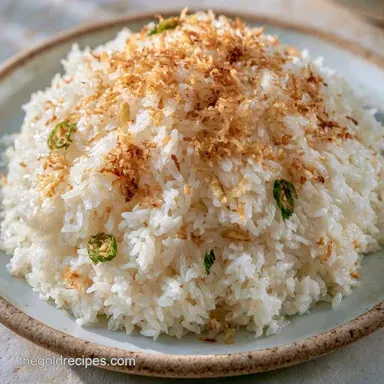
Fragrant Toasted Coconut Rice Recipe
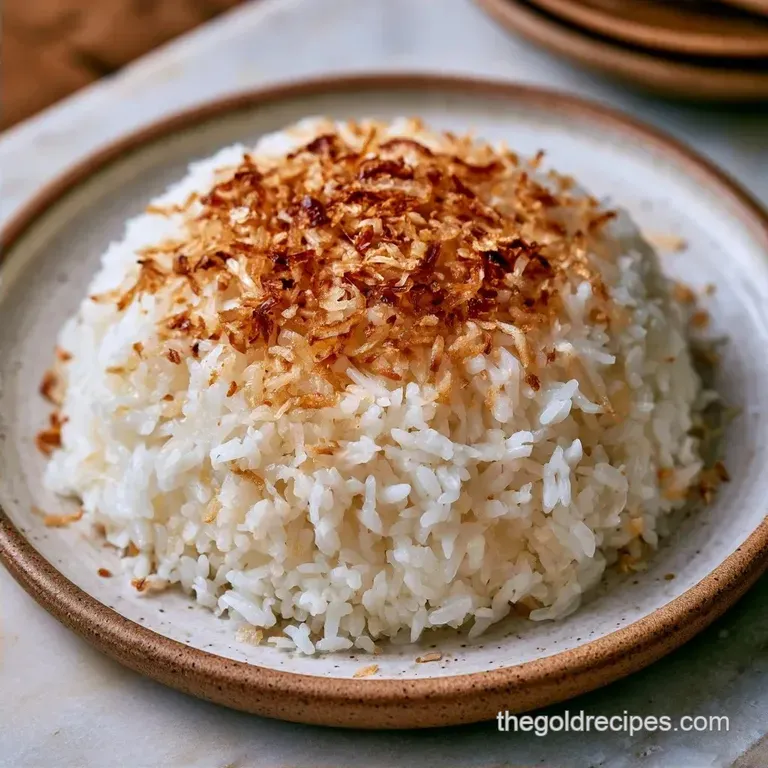
- Time: 5 min active + 15 min cook + 10 min resting
- Flavor/Texture Hook: Fragrant, nutty, and fluffy with distinct grains
- Perfect for: Summer dinner parties or a side for spicy curries
Toasted Coconut Rice Recipe
Picture the aroma of toasted coconut and fresh ginger drifting through your home just as your guests arrive. I remember serving this at a neighborhood potluck last July, expecting it to be a quiet side dish.
By the end of the evening, the main course was forgotten; everyone wanted to know how the rice achieved that distinct, nutty scent.
This recipe transforms a standard weeknight dinner into a special occasion. You won't need any fancy gadgets just a heavy pot and a bit of patience while toasting.
This Toasted Coconut Rice Recipe delivers a fragrant, fluffy result that avoids becoming gummy. The goal is perfectly separate grains and a rich, creamy profile that complements almost any savory meal.
Quick Recipe Specs
The key here is the timing. If you rush the toast or peek under the lid too early, you lose the texture. Trust the process and let the steam do the heavy lifting.
| Method | Time | Texture | Best For |
|---|---|---|---|
| Stovetop | 30 mins | Fluffy & Nutty | Small batches, maximum control |
| Oven | 45 mins | Uniform & Soft | Large crowds, hands off cooking |
For the best results, keep these precision checkpoints in mind: - Rinse rice for exactly 60 seconds. - Toast grains for 3-5 minutes until translucent. - Rest the pot undisturbed for 10 minutes.
Why This Texture Works
I used to think coconut rice was just about the milk, but the real magic happens in the first five minutes.
- Grain Toasting: Searing the rice in oil creates a protective barrier and develops a deeper flavor, preventing the grains from clumping.
- Starch Removal: Rinsing washes away surface starch so the coconut milk doesn't turn into a thick paste.
- The Steam Rest: Letting the pot sit allows moisture to redistribute, which is how you get those distinct, separate grains.
Essential Ingredients List
I prefer using full fat coconut milk because the fat carries the flavor of the ginger and pandan leaves. If you use light coconut milk, the rice can feel a bit thin and lacks that rich mouthfeel.
| Component | Purpose | Substitute Notes |
|---|---|---|
| Jasmine Rice | Fragrant base | Basmati works, but results are firmer |
| Coconut Milk | Creaminess | Coconut cream (dilute with more water) |
| Coconut Oil | Toasting agent | Unsalted butter adds a dairy richness |
| Pandan Leaves | Floral aroma | Omit or use a drop of pandan extract |
For the Rice Base
- 1.5 cups (300g) Jasmine rice Why this? Natural aroma and soft texture.
- 1 tbsp (14g) coconut oil Why this? High smoke point and cohesive flavor.
- 1 can (400ml) coconut milk Why this? Provides the signature creamy body.
- 1 cup (240ml) water Why this? Balances the fat in the milk.
- 1 tsp (6g) sea salt Why this? Cuts through the richness.
- 0.5 tsp (2g) sugar Why this? Enhances the natural coconut sweetness.
For the Aromatics
- 5cm fresh ginger, thinly sliced Why this? Adds a sharp, fresh zing.
- 2 pandan leaves Why this? Essential for that authentic Asian vanilla scent.
For the Garnish
- 2 tbsp (15g) shredded coconut, toasted Why this? Adds a necessary crunch.
- 1 tbsp (15ml) lime juice Why this? Brightens the entire dish.
- 2 sprigs (4g) cilantro, chopped Why this? Fresh green contrast.
Substitution Guide
| Original Ingredient | Substitute | Why It Works |
|---|---|---|
| Jasmine Rice | Basmati Rice | Similar grain length. Note: Less sticky, more separate |
| Coconut Oil | Ghee | High heat stability. Note: Adds a buttery, nutty depth |
| Pandan Leaves | Vanilla Bean | Similar floral notes. Note: Changes profile to more "dessert like" |
I once tried using brown rice for this, but it took forever to cook and the coconut flavor didn't penetrate the hull as well. Stick to Jasmine if you want that classic, soft feel.
Kitchen Tools Needed
You don't need a professional setup, but a heavy bottomed pot is a must. Thin pots create hot spots that burn the coconut solids at the bottom.
- Heavy bottomed saucepan with a tight lid
- Fine mesh strainer
- Measuring cups and spoons
- Fork for fluffing
Easy Cooking Instructions
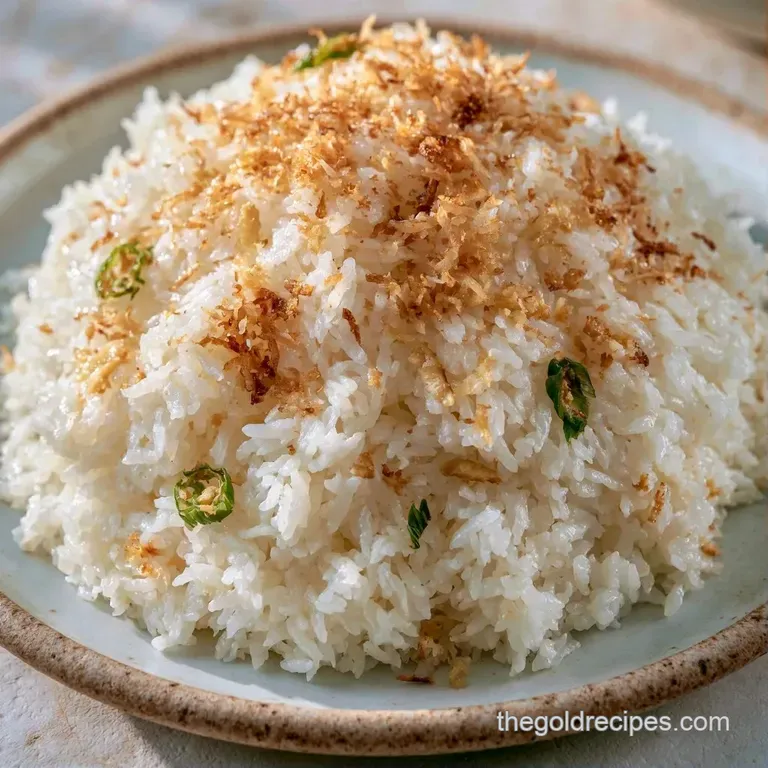
Follow these steps closely. The transition from toasting to simmering is where the flavor is built.
1. The Rinse and Dry
Place the Jasmine rice in a fine mesh strainer. Rinse under cold running water for 60 seconds until the water runs clear. Drain thoroughly and let it air dry for 2 minutes. Note: Removing starch is critical for separate grains, as noted by the guides at Serious Eats.
2. The Nutty Toast
Melt coconut oil in your saucepan over medium heat. Add the drained rice and stir constantly for 3-5 minutes until grains are translucent and smell nutty.
3. The Simmer
Stir in the salt, sugar, ginger, and pandan leaves. Pour in the coconut milk and water. Increase heat to medium high to bring the liquid to a gentle simmer.
4. The Steam and Rest
Immediately reduce heat to the lowest setting. Cover with a tight fitting lid and cook undisturbed for 15 minutes. Remove from heat and let the rice sit, covered, for 5-10 minutes to finish steaming.
5. The Final Touch
Remove the lid and discard the ginger slices and pandan leaves. Fluff the rice gently with a fork. Drizzle with lime juice and garnish with toasted shredded coconut and chopped cilantro.
The Trick Behind the Texture
The balance between water and coconut milk is a tightrope walk. If you use only coconut milk, the rice becomes too heavy and almost sticky. By mixing in water, we ensure the rice cooks through without the fats clotting or scorching.
Chef's Note: For a more intense coconut flavor, toast your shredded coconut in a dry pan for 2 minutes before adding it as a garnish. It transforms the dish from "good" to "restaurant quality."
Fixing Common Pitfalls
Cooking rice seems simple, but coconut milk adds a layer of complexity. If you've had a bad batch, it's usually due to heat management.
Grains Lose Their Shape
This usually happens if you overcook the rice or stir it too much during the simmering phase. Stirring releases starch, which turns the rice mushy. If this happens, you can still use it for a coconut rice pudding.
Lack of Air Pockets
If your rice is one big clump, you likely skipped the rinsing step or didn't let it rest. To fix this in the future, ensure the water runs clear during the rinse. For those who struggle with clumping, checking out an Indian Coconut Rice recipe can show you how different aromatics affect the grain separation.
Burnt Bottom Layer
Coconut milk contains sugars and fats that sink to the bottom and burn. This happens if your heat is too high or your pot is too thin. Always use the lowest possible heat once the lid is on.
Rice Stays Hard
If the center of the grain is still crunchy, your lid likely isn't tight enough, letting steam escape. Add 2 tablespoons of water, seal the lid with a kitchen towel to trap steam, and cook for another 5 minutes.
Decision Shortcut
- For a firmer grain: Rinse for 90 seconds instead of 60.
- For a richer flavor: Replace the 1 cup of water with more coconut milk.
- For a zestier finish: Double the lime juice and add a pinch of lemon zest.
Storage and Waste Tips
While this Toasted Coconut Rice stores well, its consistency shifts as it cools down.
Storage Guidelines Keep leftovers in an airtight vessel and refrigerate for a maximum of 3 days. To restore the moisture the grains absorb while chilling, stir in a splash of water or a teaspoon of coconut milk before reheating in the microwave.
Zero Waste Tips Instead of discarding the extra coconut milk in the can, use it in a Creamy Coconut Lentil Curry to complete your meal. Any leftover ginger peels can be frozen and added to your next pot of homemade vegetable stock.
Creative Flavor Variations
Feel free to adjust the aromatics to suit your preferences.
1. Thai Inspired Twist
Stir in a teaspoon of fish sauce and an extra squeeze of lime while simmering. This provides a salty, umami depth that pairs wonderfully with grilled shrimp.
2. Coconut Rice Salad
Allow the cooked rice to cool completely. Mix it with diced cucumbers, red onions, mango pieces, and a dressing made of lime and sesame oil. It is a bright way to enjoy leftovers.
3. Extra Creamy Vegan Version
This recipe is already vegan, but for a more indulgent texture, replace the coconut oil with a neutral avocado oil and increase the proportion of coconut milk.
4. Using Brown Rice
If you prefer brown rice, add an additional 0.5 cup of water and increase the cooking time to 45 minutes. The toast time stays the same, but increase the resting period to 15 minutes.
Smart Pairing Ideas
This rice is a powerhouse side. It cuts through the heat of spicy dishes and complements the sweetness of tropical fruits.
Plating Levels
| Style | Presentation | Final Touch |
|---|---|---|
| Simple | Served in a ceramic bowl | Sprinkled cilantro |
| Polished | Pressed into a ring mold | Lime wedge on the side |
| Restaurant | Served in a halved coconut shell | Toasted coconut strips |
For a full meal, pair this with a seared salmon fillet or a spicy tofu stir fry. The richness of the coconut milk balances the acidity of a citrus based glaze. If you're feeling adventurous, try serving it with grilled pineapple and blackened shrimp for a true tropical experience.
Recipe FAQs
How to toast coconut flakes?
Toast them in a dry skillet over medium heat. Stir frequently for a few minutes until they turn golden brown.
What's the secret to amazing coconut rice?
Toast the dry Jasmine rice in coconut oil before adding liquids. This creates a nutty flavor and keeps the grains from clumping.
How do you toast the rice grains?
Melt coconut oil in a heavy bottomed saucepan over medium heat. Stir the rinsed rice constantly for 3-5 minutes until the grains look translucent.
Is it true that coconut rice is significantly healthier than regular white rice?
No, this is a common misconception. While coconut milk adds healthy fats, it also increases the overall calorie count compared to plain rice.
Can shredded coconut be softened through cooking?
Yes, simmering the coconut in the rice mixture helps it absorb moisture. It becomes more tender as it steams with the grains.
Which other dishes pair well with this rice?
This side pairs well with a savory shrimp curry for a cohesive meal. You can also serve it alongside spicy proteins to balance the creamy flavor.
Why is rinsing the rice necessary?
Rinsing removes excess surface starch. This prevents the cooked rice from becoming overly sticky or gummy.
How should I store the leftovers?
Keep the rice in a sealed container. Add a splash of water or coconut milk before microwaving to restore the moisture.
Toasted Coconut Rice