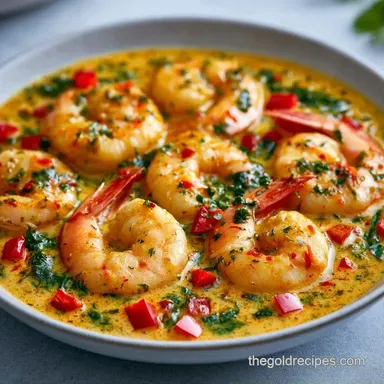
Savory Coconut Shrimp Curry in 25 Minutes
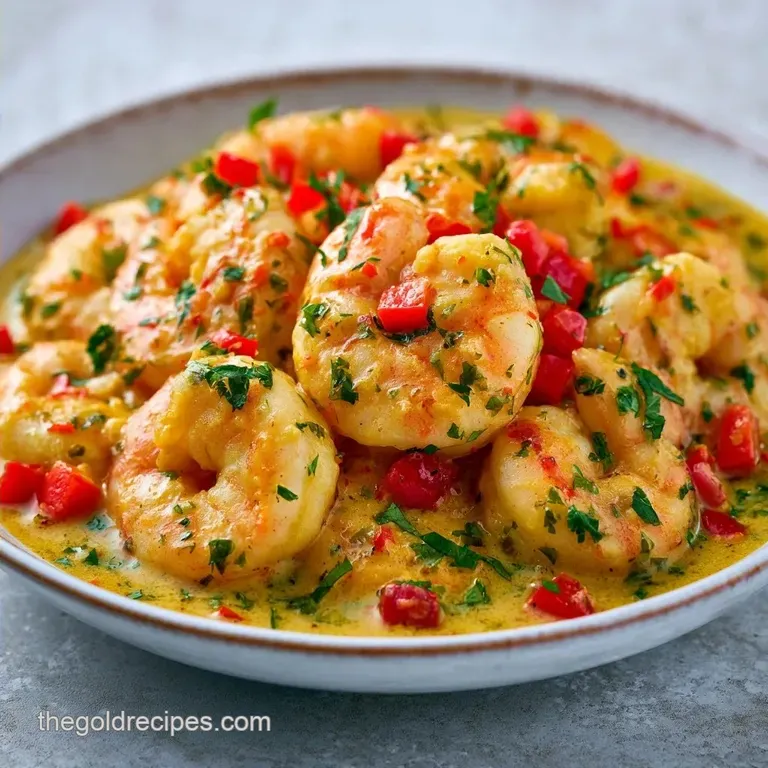
- Time: 10 min active + 15 min cooking
- Flavor/Texture Hook: Creamy, zesty, and warm
- Perfect for: Weeknight dinner or meal prep
- Savory Coconut Shrimp Curry
- Quick Guide to Recipe Specs
- Why This Meal Works
- Your Smart Shopping List
- Kitchen Tools You Need
- Steps From Prep to Plate
- Fixing Common Cooking Issues
- Tweak it With These Swaps
- Storage and Reheating Tips
- Best Sides for This Dish
- Why This Meal Works
- Recipe FAQs
- 📝 Recipe Card
Savory Coconut Shrimp Curry
The sound of onions sizzling in oil and the sudden punch of toasted cumin hitting the air is my favorite part of this meal. I remember the first time I tried to make a curry for my family on a tight budget.
I was worried that using frozen shrimp would ruin the dish, but it actually worked out just fine as long as I didn't overcook them.
This Savory Coconut Shrimp Curry is all about balance. You get the richness of the coconut milk, the brightness of fresh lime, and a gentle warmth from the spices that doesn't overwhelm the seafood. It's the kind of meal that makes the house smell like a professional kitchen without requiring a lot of expensive gear.
We're keeping this simple and hearty. No fancy techniques, just a few smart steps to make sure the flavors are deep and the shrimp stay plump. Whether you're cooking for a partner or a crowd of kids, this recipe delivers a high end feel on a home cook budget.
Quick Guide to Recipe Specs
When you're planning your evening, it helps to know exactly where your time goes. This dish is a sprint, not a marathon. Most of the work happens in the pan, and since we're using a single skillet, the cleanup is a breeze.
The total time is 25 minutes, but that assumes you've got your ingredients prepped. If you're starting from scratch with unpeeled shrimp, give yourself an extra five minutes. The key is to have everything chopped and measured before the oil hits the heat.
This Savory Coconut Shrimp Curry serves four people. It's a filling meal, especially when paired with a starch. If you have a smaller family, the leftovers hold up well in the fridge for a couple of days, though the shrimp are always best fresh.
Why This Meal Works
I've spent a lot of time figuring out why some curries taste flat while others taste rich. It usually comes down to how the ingredients are introduced to the pan.
- Blooming Spices
- Frying the turmeric and cumin in oil before adding liquid wakes up the oils in the spices, making the flavor more intense.
- The Maple Touch
- A tiny bit of maple syrup doesn't make the dish sweet, but it cuts through the acidity of the tomato paste.
- Late Protein
- Adding the shrimp at the very end prevents them from turning into rubber balls.
| Method | Time | Texture | Best For |
|---|---|---|---|
| Stovetop | 25 min | Tender & Saucy | Fast weeknights |
| Oven Bake | 40 min | Concentrated | Large batches |
Your Smart Shopping List
I'm a big believer in using what you have. While I list specific items, don't stress if your store is out of one thing. Most of these are pantry staples that you can use in a dozen other dishes.
For the Aromatic Base
The base is what gives a Savory Coconut Shrimp Curry its heart. I prefer yellow onions for their sweetness and red bell peppers for a bit of color and crunch.
- 1 tbsp avocado oil Why this? High smoke point for sautéing
- 1 medium yellow onion, finely diced (Sub: White onion)
- 3 cloves garlic, minced (Sub: 1 tsp garlic powder)
- 1 tbsp fresh ginger, grated (Sub: 1 tsp ground ginger)
- 1 medium red bell pepper, diced (Sub: Orange or green pepper)
For the Savory Spices
The spices here aren't about heat, but about depth. Kashmiri chili powder is great because it gives a bright red color without being too spicy for the kids.
- 1 tsp ground turmeric (Sub: Mild curry powder)
- 1 tsp ground cumin (Sub: Cumin seeds, toasted)
- 1 tsp ground coriander (Sub: Extra cumin)
- 1/2 tsp Kashmiri red chili powder (Sub: Paprika with a pinch of cayenne)
- 1/2 tsp sea salt (Sub: Kosher salt)
For the Sauce Base
Light coconut milk keeps the dish from feeling too heavy, but it still gives that creamy mouthfeel. The tomato paste adds a savory "umami" hit.
- 1 can (400ml) light coconut milk Why this? Lighter feel than full fat (Sub: Full fat for richer sauce)
- 1 tbsp tomato paste (Sub: 2 tbsp tomato sauce)
- 1 tsp maple syrup Why this? Balances the acid (Sub: Honey or brown sugar)
For the Shrimp Finish
The shrimp should be the star, not a side note. I always use large shrimp because they hold their shape better in the sauce.
- 1 lb large shrimp, peeled and deveined (Sub: Scallops or firm tofu)
- 1 tbsp fresh lime juice Why this? Cuts through the coconut fat (Sub: Lemon juice)
- 1/4 cup fresh cilantro, chopped (Sub: Flat leaf parsley)
- 2 green onions, thinly sliced (Sub: Chives)
| Ingredient | What It Does | Best Swap |
|---|---|---|
| Coconut Milk | Adds body and creaminess | Heavy cream (Note: makes it dairy heavy) |
| Tomato Paste | Provides depth and color | Ketchup (Note: adds more sugar) |
| Lime Juice | Brightens the heavy fats | Rice vinegar (Note: sharper taste) |
| Ginger | Adds a spicy, fresh zing | Galangal (Note: more piney flavor) |
Kitchen Tools You Need
You don't need a professional setup for a Savory Coconut Shrimp Curry. A basic home kitchen has everything required. I prefer a large non stick skillet because it allows the sauce to reduce evenly without sticking to the bottom.
If you don't have a grater for the ginger, a fine knife works too. Just mince it as small as you possibly can. You want the ginger to melt into the sauce, not be a chunky surprise in someone's bite.
For the shrimp, a colander is essential for rinsing them after they thaw. If you're using frozen shrimp, let them thaw in the fridge overnight rather than under hot water, which can mess with the texture.
Steps From Prep to Plate
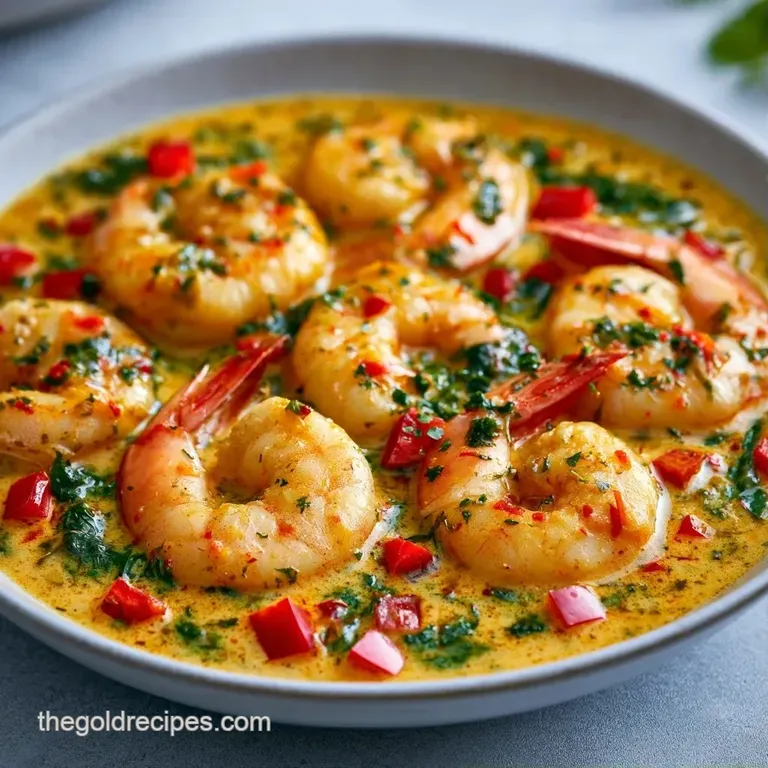
Follow these steps in order to get the best flavor. The timing here is key, especially when we get to the shrimp.
Phase 1: The Sauté
Heat the avocado oil in your large non stick skillet over medium heat. Toss in the diced onion and red bell pepper. Sauté for 3-4 minutes until the onions are translucent and the peppers have softened.
Phase 2: The Bloom
Stir in the minced garlic and grated ginger. Cook for 60 seconds until the fragrance fills the kitchen. Push the vegetables to the side to create a small well in the center. Add the turmeric, cumin, coriander, chili powder, and salt.
Stir constantly for 30-60 seconds until the spices smell toasted and nutty.
Phase 3: The Simmer
Stir in the tomato paste so it coats all the vegetables. Pour in the light coconut milk and maple syrup. Bring the mixture to a gentle simmer for 5 minutes until the sauce reduces slightly and looks glossy.
Phase 4: The Poach
Gently fold in the shrimp. Cook for 3-5 minutes, stirring occasionally, until the shrimp turn opaque and curl into a 'C' shape. Do not let them curl into a tight 'O' or they will be overcooked.
Remove the pan from the heat immediately. Stir in the lime juice. Garnish with the fresh cilantro and sliced green onions.
Chef's Note: If you're using frozen shrimp, make sure they are patted dry with a paper towel before adding them to the pan. Excess water will thin out your sauce and stop the shrimp from poaching correctly.
Fixing Common Cooking Issues
Even the best home cooks run into a few bumps. Most of the time, it's just a matter of adjusting the heat or the timing.
To Fix Rubbery Shrimp
This happens when the shrimp stay in the heat too long. They go from tender to bouncy in about 60 seconds. If this happens, you can't "un cook" them, but you can mask it by adding a bit more lime juice to brighten the flavor.
To Fix Thin Sauce
If your sauce looks more like soup than a curry, you probably didn't simmer it long enough before adding the shrimp. To fix it, simmer the sauce for an extra 2-3 minutes before the shrimp go in. Avoid adding flour or cornstarch, as it ruins the clean taste of the coconut.
To Balance the Heat
If the chili powder was a bit too strong for your liking, don't panic. Adding a splash more coconut milk or a tiny pinch of extra maple syrup will neutralize the spice.
| Problem | Root Cause | Solution |
|---|---|---|
| Rubbery Shrimp | Overcooked | Remove from heat as soon as they hit 'C' shape |
| Thin Sauce | Not enough reduction | Simmer sauce 3 mins longer before adding shrimp |
| Bland Flavor | Lack of salt/acid | Add an extra squeeze of lime or pinch of salt |
Tweak it With These Swaps
One of the things I love about a Savory Coconut Shrimp Curry is how flexible it is. You can lean into different regional flavors depending on what you're craving that night.
For a Thai Twist
Swap the cumin and coriander for a tablespoon of red curry paste. This gives it a more aromatic, lemongrass heavy profile. I've found that adding a splash of fish sauce at the end replaces the salt and adds a deep, salty punch that's common in Thai cooking.
For a Veggie Boost
If you want to make this more filling, add diced carrots or cauliflower florets. Add them at the same time as the onions. Since they take longer to cook, you might need to add a splash of water to the pan to keep them from burning before the coconut milk goes in.
For a Vegan Version
Replace the shrimp with extra firm tofu or chickpeas. For the tofu, press it first to remove excess water, then sear it in the oil before starting the vegetables. You can find similar flavor profiles in my South Indian Coconut Curry if you want a purely plant based option.
For a Keto Version
This recipe is already pretty low carb, but to make it strictly keto, skip the maple syrup and use a drop of liquid stevia or just omit it entirely. Serve it over cauliflower rice instead of jasmine rice.
Storage and Reheating Tips
If you have leftovers, store the Savory Coconut Shrimp Curry in an airtight container in the fridge for up to 3 days.
When reheating, avoid the microwave if possible, as it often overcooks the shrimp and makes them rubbery. Instead, warm the curry in a small pot over low heat. Add a tablespoon of water or coconut milk to loosen the sauce back up. Stop heating the moment it's warm don't let it reach a rolling boil.
I don't recommend freezing this dish. The coconut milk can separate, and the shrimp often lose their texture upon thawing. It's better to make a fresh batch.
To reduce waste, save your shrimp shells! If you peel your own shrimp, toss the shells and heads into a pot with water, a bit of onion, and celery. Simmer for 20 minutes and strain. You now have a shrimp stock that's a great base for seafood soups or risottos.
Best Sides for This Dish
A Savory Coconut Shrimp Curry needs something to soak up all that creamy sauce. I always go for something that provides a textural contrast.
My top pick is One Pot Coconut Rice, which echoes the flavors of the curry. If you want something lighter, steamed basmati rice or quinoa works well.
For a bit of crunch, I like to serve this with toasted naan or simple pita bread. If you're feeling fancy, some sliced cucumbers with a vinegar dressing provide a cool, crisp balance to the warmth of the spices.
Why This Meal Works
You'll love this recipe because it proves that you don't need to spend hours in the kitchen to get a complex flavor. It's a hearty, family friendly meal that feels special but fits into a busy schedule.
The use of light coconut milk ensures the dish is filling without feeling heavy, making it a great option for a weeknight. Plus, it's a budget friendly way to introduce seafood into your rotation without breaking the bank.
Once you get the hang of blooming the spices and timing the shrimp, you can use this same method for almost any seafood curry. It's a versatile foundation that brings everyone to the table.
Recipe FAQs
Does all curry require coconut milk to be authentic?
No, many curries do not use it. Some authentic versions rely on yogurt, cream, or a simple tomato and onion base for thickness.
What can I use as a substitute for coconut milk in this curry?
Use creamy alternatives like cashew cream or heavy cream. These provide a similar richness, similar to the base of a potato soup.
How do I make coconut rice to pair with this shrimp curry?
Replace half the cooking water with coconut milk. Simmer the rice as usual until the liquid is absorbed and the grains are tender.
How can I reduce the strong coconut flavor in the sauce?
Increase the lime juice or add more grated ginger. The acidity and spice cut through the richness of the coconut milk to balance the flavor profile.
Is this coconut shrimp curry a quick meal for weeknights?
Yes, it takes only 25 minutes total. Most of the time is spent simmering the sauce for 5 minutes and cooking the shrimp for 3-5 minutes.
Is it true that I need to simmer the coconut milk for a long time to thicken the curry?
No, this is a common misconception. A gentle simmer for 15 minutes is sufficient to reduce the sauce before you fold in the shrimp.
How do I prevent the shrimp from becoming rubbery when reheating?
Warm in a small pot over low heat. Avoid the microwave and stop heating the moment it is warm to preserve the 'C' shape texture.
Savory Coconut Shrimp Curry