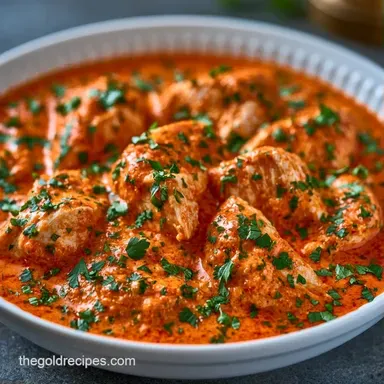
Thai Coconut Curry Recipe: Hearty and Easy
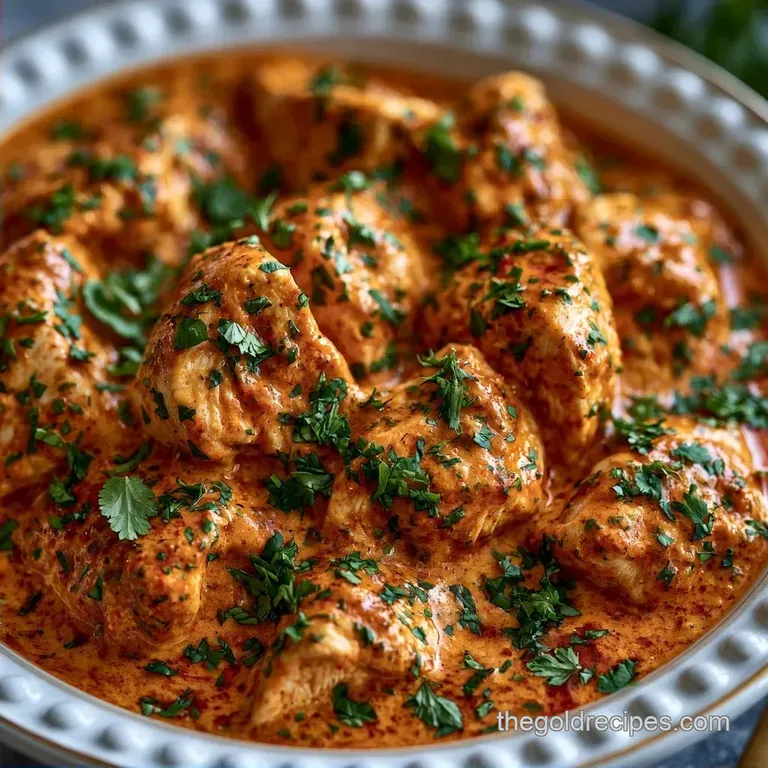
- Time: 10 min active + 20 min cook
- Flavor/Texture Hook: Creamy, bold, and slightly zingy
- Perfect for: budget-friendly family dinners
That smell of toasted curry paste hitting hot oil is something else. It fills the whole kitchen in seconds and lets you know you're doing it right. For a long time, my curries felt off, like I was just eating spicy coconut milk. The flavor was there, but it was flat. It lacked that punch you get at a real Thai spot.
The problem is usually the "dump and stir" method. Most people just throw everything in a pot and boil it. That leaves the curry paste tasting raw and the sauce feeling watery. This Thai Coconut Curry Recipe fixes that by treating the paste like a seasoning that needs to be woken up first.
You can expect a meal that's rich and filling but doesn't leave you feeling heavy. It's a straightforward process that relies on a few bold ingredients to do the heavy lifting. Let's get into how to actually make this work for your family.
Thai Coconut Curry Recipe
The One Step Most People SkipFrying the Paste: Cooking the curry paste in oil for a few minutes removes the raw taste and concentrates the aromatics. It makes the base taste deeper and more complex.
The Lime Finish: Adding lime juice at the very end prevents the acid from boiling away. This gives the dish a bright, fresh lift that cuts through the rich coconut milk.
Fresh vs. Shortcut Comparison
| Component | Fresh Approach | Shortcut Approach | Impact |
|---|---|---|---|
| Curry Paste | Pounded by hand | store-bought jar | Jar is faster; fresh is more pungent |
| Coconut Milk | Fresh squeezed | Canned light milk | Canned is consistent and budget friendly |
| Aromatics | Fresh ginger/garlic | Powdered versions | Fresh adds a "zing" powder can't match |
What Each Ingredient Does
I like to think of these ingredients as a team. Some provide the bulk, while others just provide the "spark."
| Ingredient | What It Does | Best Swap |
|---|---|---|
| Thai Red Curry Paste | Provides the heat and base flavor | Green curry paste for a peppier taste |
| Light Coconut Milk | Adds creaminess and balances heat | Full fat coconut milk for a richer sauce |
| Fish Sauce | Adds salt and a deep, savory funk | Soy sauce (adds less depth, but works) |
| Lime Juice | Cuts the fat with acidity | Rice vinegar (less fruity, more sharp) |
The Full Ingredient List
For this Thai Coconut Curry Recipe, I've stuck to things you can find at most grocery stores.
- 1 lb (450g) boneless, skinless chicken breast, thinly sliced Why this? Slices cook fast and stay tender
- 1 tbsp (15ml) coconut oil
- 1 medium (110g) yellow onion, thinly sliced
- 3 cloves (9g) garlic, minced
- 1 tbsp (6g) fresh ginger, grated
- 3 tbsp (45g) Thai red curry paste Why this? Provides a consistent heat level
- 1 can (13.5 oz / 400ml) light coconut milk
- 1 tbsp (15ml) fish sauce Why this? The "salt" of the dish
- 1 tsp (5ml) honey
- 1 tbsp (15ml) fresh lime juice
- 1 red bell pepper (120g), sliced into strips
- 1 cup (60g) snap peas
- 1/4 cup (10g) fresh cilantro, chopped
- 1 tsp (2g) red chili flakes
Cooking Steps and Flow
I find it helps to have everything chopped and ready before the heat goes on. This is a fast moving dish, and once the garlic hits the pan, you can't really step away.
- Heat coconut oil in the wok over medium high heat.
- Add the sliced onion and sauté for 3–4 minutes until translucent.
- Stir in the garlic and ginger, cooking for 60 seconds until the aroma is pungent.
- Add the red curry paste. Stir fry for 2 minutes, pressing the paste into the oil, until it turns a deep, concentrated red. Note: This "blooming" process is what removes the raw paste taste.
- Pour in the coconut milk and stir vigorously to incorporate the paste.
- Stir in the fish sauce and honey. Bring the mixture to a gentle simmer.
- Add the sliced chicken breast. Simmer for 5–7 minutes, stirring occasionally, until the chicken is opaque.
- Stir in the red bell pepper and snap peas. Cook for 2–3 minutes until the vegetables are tender crisp.
- Remove from heat, stir in the fresh lime juice, and garnish with chopped cilantro and red chili flakes.
Chef's Note: If you find the sauce is too thin, let it simmer for another 2-3 minutes before adding the veggies. Don't overcook the chicken, or it'll turn into rubber.
Fixing Common Curry Issues
Even with a solid Thai Coconut Curry Recipe, things can go sideways. Usually, it's just a matter of adjusting the balance of salt, acid, and heat.
Troubleshooting Common Issues
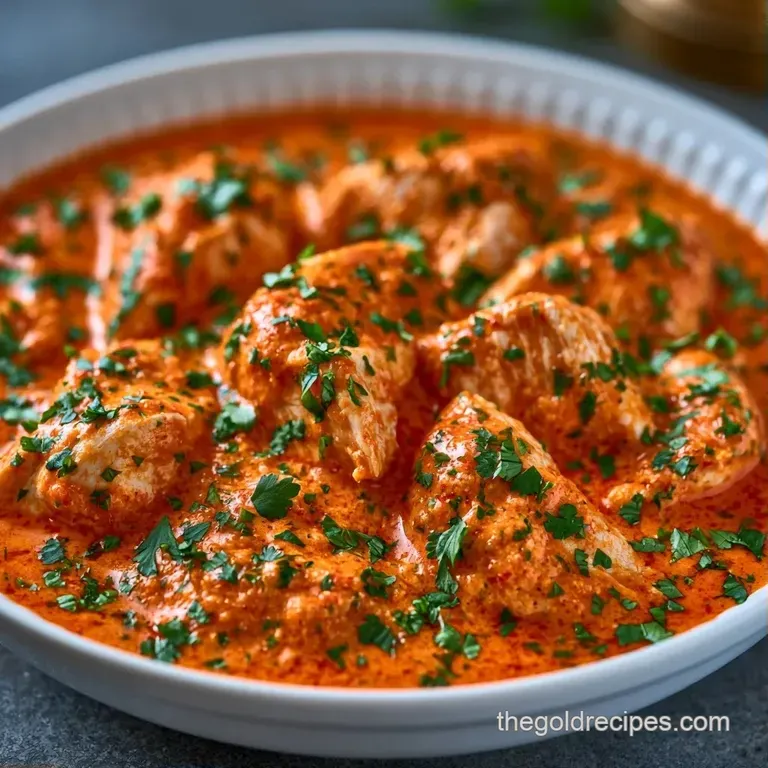
| Issue | Solution |
|---|---|
| Why Your Sauce Separated | If you see little beads of oil on top, don't panic. This often happens with coconut milk if it boils too hard. Just stir it back together or lower the heat. |
| Why the Chicken is Rubbery | Overcooking is the enemy here. Since we're using thinly sliced breast, it only needs a few minutes. Use a meat thermometer if you're unsure; 165°F is the goal. |
| The Curry Tastes Too Salty | Fish sauce is powerful. If you overdid it, a pinch more honey or a squeeze of extra lime can balance it out. You can also stir in a splash more coconut milk to dilute the salt. |
Adjusting the Serving Size
Making this Thai Coconut Curry Recipe for a crowd or just for yourself requires a few tweaks to ensure the flavor stays balanced.
Scaling Down (Half Batch) If you're cooking for two, use a smaller skillet. This prevents the coconut milk from evaporating too quickly, which can make the sauce overly salty. Reduce the cooking time for the chicken by about 20% since smaller quantities heat up faster.
Scaling Up (Double Batch) When doubling the recipe, be careful with the fish sauce and red chili flakes. Start with 1.5x the amount rather than 2x. You can always add more at the end, but you can't take it out.
Work in batches if your wok is too small, as crowding the pan will steam the chicken instead of searing it.
Decision Shortcut If you want it creamier, use full fat coconut milk. If you want it spicier, add a teaspoon of Sriracha or extra chili flakes. If you want it thicker, simmer the coconut milk for 5 minutes before adding chicken.
Debunking Curry Myths
There are a few things people tell you about this dish that just aren't true.
First, some say you need to simmer curry for hours to get deep flavor. That's true for some Indian stews, but for a Thai Coconut Curry Recipe, long simmering ruins the fresh ginger and lime. The "depth" comes from frying the paste, not from time.
Second, people think fish sauce makes everything taste like fish. Honestly, once it hits the heat and mixes with coconut milk, that "fishy" smell vanishes. It turns into a savory, salty richness that you can't get from table salt.
Storage and Waste Tips
This dish actually tastes better the next day because the flavors have more time to hang out.
Fridge and Freezer Store leftovers in an airtight container in the fridge for up to 3 days. If you want to freeze it, I recommend doing so without the fresh cilantro and lime juice. Freeze for up to 2 months. When you thaw it, add a fresh squeeze of lime to bring it back to life.
Zero Waste Ideas Don't toss those onion skins or the ends of the bell pepper. I keep a bag in the freezer for vegetable scraps. Once the bag is full, I boil them with some water to make a basic stock.
Also, if you have leftover coconut milk in the can, freeze it in ice cube trays to pop into smoothies or other sauces.
If you're looking for other easy family meals, my Crack Chicken Noodle Soup recipe is another great option that's a hit with the kids.
Serving and Plating Ideas
The way you serve this Thai Coconut Curry Recipe changes the whole vibe of the meal.
For a hearty family dinner, serve it over a big bowl of steamed jasmine rice. The rice soaks up the sauce, making the meal feel much more filling. If you want something different, try serving it with cauliflower rice for a lighter touch.
I also love putting a few fresh basil leaves or extra cilantro on top right before serving. It adds a pop of color and a fresh scent that makes the dish feel like it came from a restaurant. For a crunchier side, I sometimes make Homemade Pita Chips to scoop up the extra sauce.
Fun Flavor Twists
Once you've nailed the base Thai Coconut Curry Recipe, you can start playing around with the ingredients.
Make it Vegetarian Swap the chicken for extra firm tofu or chickpeas. Just make sure to use a vegan friendly curry paste (some contain shrimp paste) and swap the fish sauce for a mixture of soy sauce and a pinch of salt. The coconut milk keeps it rich and satisfying.
Using Green Curry If you prefer a more herbal, spicy kick, use green curry paste instead of red. Green curry usually has a more pronounced lemongrass and green chili flavor. It pairs incredibly well with bamboo shoots or baby corn.
Low Carb Version This recipe is already pretty low in carbs, but you can make it even lighter by skipping the honey and using a tiny bit of stevia or just omitting the sweetener entirely. Serve it over sautéed spinach or zoodles instead of rice.
Shrimp Variation If you prefer seafood, use shrimp instead of chicken. The only difference is the timing. Add the shrimp in the last 3-4 minutes of cooking. If you cook them too long, they'll shrink and get rubbery.
This Thai Coconut Curry Recipe is all about balance. You've got the heat from the paste, the creaminess from the coconut, the salt from the fish sauce, and the zing from the lime. Once you get those four elements working together, you can basically put whatever vegetables you have in the fridge into the pot.
It's a budget friendly way to get a lot of flavor on the table without spending hours in the kitchen. Give it a shot tonight, and don't forget to fry that paste!
Recipe FAQs
Is Thai curry ok for gastritis?
No, generally not. The combination of red curry paste, ginger, and lime juice can be too acidic or spicy for a sensitive stomach lining.
What should I serve with this Thai curry?
Serve it as a main dish. If you enjoy the sweet and tart balance in this meal, you will love the similar flavor profile in our cranberry sauce.
How to adjust the flavor if the curry is too salty?
Add a bit more honey or lime juice. These ingredients help balance the powerful saltiness of the fish sauce.
Is curry ok for diabetics?
Generally yes, but watch the honey. Since this recipe uses honey for sweetness, you may want to omit it or use a sugar substitute to manage blood glucose.
Is it true that coconut milk always separates if boiled?
No, this is a common misconception. While boiling too hard often causes oil beads to form, you can easily stir them back in or lower the heat to stabilize the sauce.
Why is my chicken rubbery in this curry?
You likely overcooked the meat. Thinly sliced chicken breast cooks very quickly; use a meat thermometer to ensure it is removed from the heat exactly at 165°F.
How to store and reheat leftovers?
Keep in an airtight container in the fridge for up to 3 days. If freezing for up to 2 months, omit the cilantro and lime juice, adding them fresh after thawing.
Thai Coconut Curry Recipe