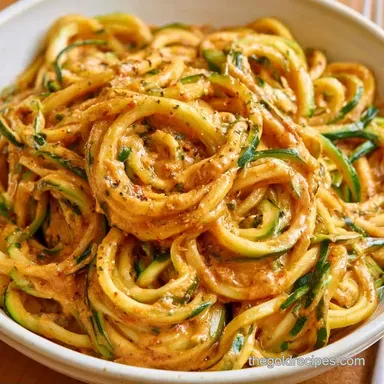
Zucchini Pad Thai with Tamarind Glaze
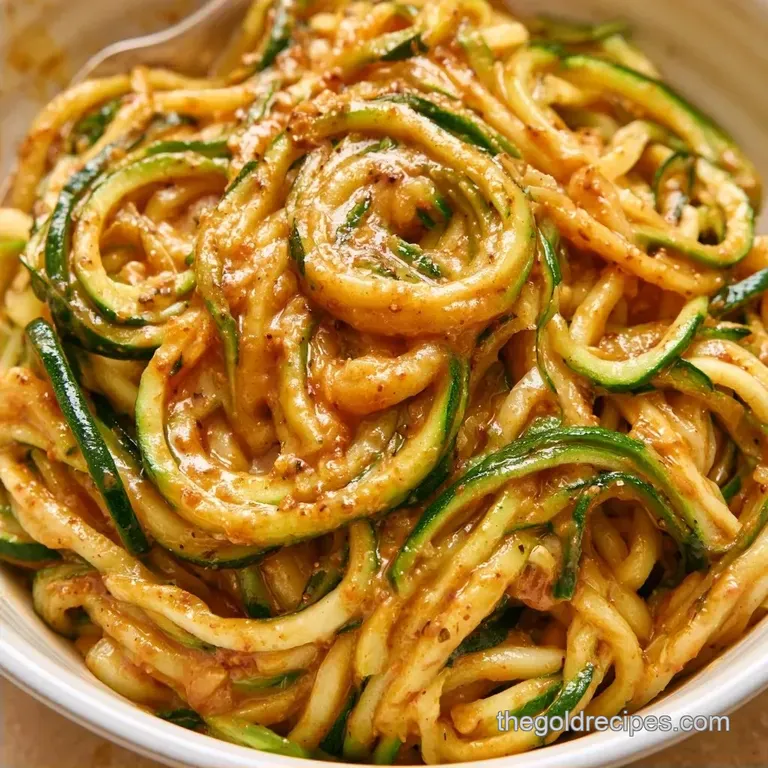
- Time: 15 minutes prep + 15 minutes cooking
- Key Appeal: Zesty tamarind glaze paired with crunchy roasted peanuts
- Perfect for: High protein weeknight dinner or meal prep
Nothing beats the sound of chicken searing in a scorching wok. I used to think that opting for healthy substitutions meant losing those bold, punchy flavors that make Thai food so addictive.
In the past, my attempts at veggie noodles often turned into a watery mess the most frustrating part of working with zucchini.
However, this Zucchini Pad Thai is a total game changer. It's a fast, satisfying solution for when you need a high protein, low-sugar meal but don't have an hour to dedicate to preparation. You get all the classic tamarind tang and savory fish sauce clinging to crisp tender noodles.
The process is incredibly straightforward. Once the sauce is mixed and the zoodles are ready, the cooking happens in an instant. It's a vibrant, colorful dish that feels light yet keeps you satisfied, ideal for anyone balancing fitness targets with a passion for flavor.
Zucchini Pad Thai for Busy Weeknights
The real struggle with "zoodles" is their water content. Zucchini is mostly water, and if you just throw it in a pan, it steams rather than sears. The salt and rinse method we use here draws out that excess liquid before it ever hits the oil. This ensures the noodles stay al dente and don't turn into a soup. For a different take on veggie noodles, try these Asian zucchini noodles when you want a different flavor profile.
Moisture Control: Salting the zucchini for 10 minutes breaks down the cell walls, forcing water out so the sauce sticks better.
Layered Seasoning: We build the flavor in stages, starting with the seared protein, adding aromatics, and finishing with a concentrated glaze. This prevents the garlic from burning while ensuring the chicken is deeply seasoned.
Heat Management: Using high heat for a short burst keeps the vegetables crisp. If you cook them too long, they lose their structure and get mushy.
Quick Recipe Specs
| Detail | Value |
|---|---|
| Prep Time | 15 minutes |
| Cook Time | 15 minutes |
| Total Time | 30 minutes |
| Yield | 6 servings |
Since we're swapping rice noodles for zucchini, the calorie count drops significantly. This version focuses on high protein chicken and healthy fats from avocado oil, keeping the sugar low by using a touch of maple syrup instead of heavy palm sugar.
What Each Ingredient Does
The balance of sweet, sour, and salty is what makes a Noodle Pad Thai work. If one element is missing, the whole dish feels flat.
| Component | Purpose | Substitute Notes |
|---|---|---|
| Tamarind Paste | Provides the essential sour, fruity tang | Lime juice: More acidic, less depth |
| Fish Sauce | Adds salty, umami depth | Tamari or soy sauce: Lacks the pungent funk |
| Maple Syrup | Balances acidity with a hint of sweetness | Honey: Similar, but slightly more floral |
| Zucchini | Low carb base that absorbs the glaze | Rice noodles: Higher carb, traditional texture |
Gathering Your Essentials
For the Zucchini Base: - 4 large zucchini (approx. 2 lbs / 900g), spiralized Why this? Creates the bulk and a crisp, fresh texture - 1 tbsp (15g) coarse sea salt Why this? Draws out moisture to prevent the dish from becoming soggy
For the Signature Sauce: - 3 tbsp (45ml) tamarind paste Why this? The core of that sour Thai flavor - 3 tbsp (45ml) fish sauce Why this? Provides a fundamental salty umami base - 2 tbsp (30ml) maple syrup Why this? A low-glycemic
Sweetener to balance the tartness - 1 tsp (5ml) sriracha Why this? Adds a gentle, lingering spice - 1 tbsp (15ml) rice vinegar Why this? Brightens and sharpens the final taste
For the Stir Fry: - 1 lb (450g) chicken breast, thinly sliced Why this? Lean, high protein foundation - 2 tbsp (30ml) avocado oil Why this? Remains stable during high heat searing - 3 cloves garlic, minced Why this? For an aromatic
Boost - 1 small shallot, finely diced Why this? Adds a mild, sweet onion layer - 2 large eggs, lightly beaten Why this? Brings richness and helps bind the components - 1 cup (60g) bean sprouts Why this? For a fresh, watery
Crunch
For the Garnish: - 1/4 cup (15g) green onions, sliced into 1 inch pieces - 1/4 cup (35g) crushed roasted peanuts Why this? Provides a crucial nutty contrast - 1 lime, cut into wedges - Fresh cilantro leaves
First, make sure your chicken is sliced very thinly. This allows it to cook through quickly, which is essential to ensure you don't overcook the zucchini later on.
Equipment Needed
A large wok is the best tool here because the sloped sides allow you to push ingredients to the edge. If you don't have one, a large non stick skillet works fine. You'll also need a spiralizer to get those long, noodle like strands.
A colander is non negotiable for the salting process, and a clean kitchen towel is a must for patting the noodles dry.
Using a over high heat oil like avocado oil prevents the oil from smoking and tasting bitter. If you use olive oil, you might find it burns before the chicken browns.
Bringing It Together
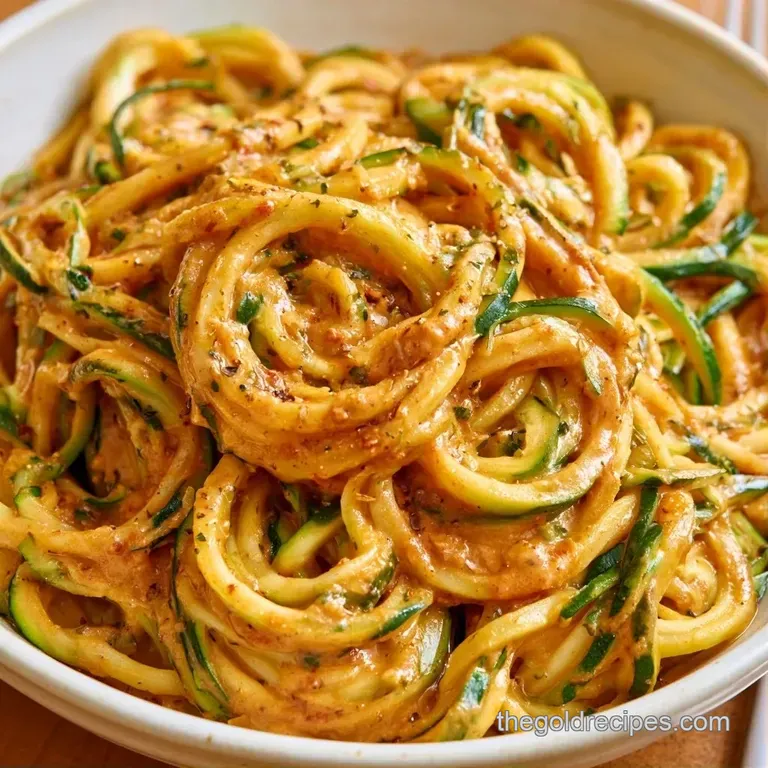
Use these tips to ensure your Zucchini Pad Thai stays firm and doesn't release too much liquid.
- Spiralize the zucchini to create noodles.
- Put the noodles in a colander, toss with 1 tbsp coarse sea salt, and let them sweat for 10 minutes. Tip: This is key for achieving the right texture.
- Rinse under cold water and pat completely dry with a clean kitchen towel.
- In a small bowl, whisk together the tamarind paste, fish sauce, maple syrup, sriracha, and rice vinegar.
- Heat avocado oil in a large wok or non stick skillet over high heat; sauté sliced chicken breast until golden brown and cooked through.
- Stir in the diced shallot and minced garlic, sautéing until fragrant and translucent.
- Push the chicken and aromatics to the edge of the pan, pour in the beaten eggs, and scramble until set.
- Stir in the sauce, then add the bean sprouts and zucchini noodles, tossing quickly for 2-3 minutes until glazed but still al dente.
- Top with crushed roasted peanuts, sliced green onions, lime wedges, and fresh cilantro leaves.
I've found that the zoodles start to collapse if they stay in the pan for more than 4 minutes. Work quickly and keep the heat high. The sauce should bubble and thicken rapidly, coating the noodles in a glossy layer.
Pro Tips & Pitfalls
The most common issue with this Zucchini Pad Thai is moisture. If you skip the salting or don't dry the noodles enough, the sauce won't stick. It just slides off, leaving you with a puddle at the bottom of the plate.
Fixing Watery Noodles
This happens if the zucchini wasn't salted or was cooked too long. If you see liquid pooling, turn the heat to maximum and stir fry vigorously for another minute to evaporate the excess.
Preventing Egg Clumps
Don't stir the eggs immediately. Let them sit for 30 seconds to set slightly, then scramble them. This gives you distinct curds rather than a thin film over everything.
Adjusting the Tang
Tamarind brands vary in intensity. Taste your sauce before adding it to the pan. If it's too sharp, add another teaspoon of maple syrup. If it's too sweet, a squeeze of extra lime at the end fixes it.
| Problem | Fix |
|---|---|
| Noodles are mushy | Reduce cook time to 2 minutes |
| Sauce is too salty | Add a splash of water or more lime |
| Chicken is rubbery | Slice thinner and sear on higher heat |
Chef's Tip: For a deeper flavor, try adding a teaspoon of fish sauce directly to the chicken while it sears. It creates a savory crust that anchors the rest of the ingredients.
Flavor Variations to Try
This Zucchini Noodle Pad Thai is easy to customize based on your dietary preferences. To create a vegan version, replace the fish sauce with tamari and use crumbled extra firm tofu instead of eggs.
If you are preparing the chicken variation and want a heartier meal, adding sliced bell peppers or carrots provides added nutrients and vibrant color.
For an even simpler alternative, my garlic sauteed zucchini makes a wonderful side for other Thai proteins. For a high protein twist, swap the chicken for shrimp, which cooks even more quickly.
Decision Shortcut:
- Extra heat? → Stir in 1 tsp extra sriracha or red chili flakes
- More crunch? → Double the roasted peanuts
- Lighter taste? → Substitute maple syrup with a bit of monk fruit or stevia
To maintain it as a veggie noodle pad thai, just leave out the chicken and add more chickpeas or tofu. The sauce is the star of the show, so it complements almost any protein you choose.
Common Misconceptions
Some people think that salting vegetables ruins them by making them too salty. The truth is that as long as you rinse them thoroughly, the salt is gone, and you're left with a firmer, better textured vegetable. It's a standard technique in professional kitchens to manage moisture.
Another myth is that you can't get a "real" Pad Thai feel without rice noodles. While the texture differs, the flavor profile that specific mix of tamarind and fish sauce is what defines the dish. Zucchini actually absorbs these bold flavors more readily than rice noodles do.
Finally, many believe that "healthy" Thai food has to be bland. This recipe proves that by using high-quality aromatics and fermented sauces, you can keep the calories low without losing the punch.
Storage and Waste Tips
Zucchini Pad Thai is best eaten immediately. Because zucchini continues to release water after cooking, the noodles will soften in the fridge. However, you can store leftovers in a glass container for up to 2 days.
When reheating, do not use a microwave if you can avoid it. Instead, toss the leftovers back into a hot skillet for 2-3 minutes. This helps evaporate any liquid that accumulated and brings back some of the sear.
Freezing isn't recommended, as the zucchini will lose all structure and become watery upon thawing.
To reduce waste, don't toss your zucchini ends. Chop the stems and peels into small pieces and throw them into a vegetable stock pot. They add a subtle sweetness and nutrients to your broth. You can also freeze excess spiralized zucchini, but be sure to salt and dry them first to minimize water loss.
Best Side Pairings
This dish is a complete meal on its own, but a few sides can round it out. A crisp cucumber salad with rice vinegar and sesame seeds provides a cool contrast to the warm, savory noodles. If you need more greens, a simple steamed bok choy with ginger and soy sauce fits the flavor profile.
For a drink, a cold Thai iced tea or a sparkling lime water cuts through the richness of the peanuts and eggs. If you're serving this for a crowd, place the lime wedges and fresh cilantro in bowls on the table so everyone can customize their level of tang and freshness.
The combination of the hot, glazed Zucchini Pad Thai and a cold, crisp side dish creates a balance that makes the meal feel like it came from a restaurant. Just remember to serve it immediately while the zoodles still have that signature snap.
High in Sodium
920 mg 920 mg of sodium per serving (40% 40% of daily value)
The American Heart Association recommends a daily sodium limit of no more than 2,300 mg for most adults to maintain heart health.
Tips to Reduce Sodium
-
Minimize Added Salt-30%
Reduce or omit the 1 tbsp of coarse sea salt used to sweat the zucchini; instead, squeeze the spiralized zucchini thoroughly with a clean kitchen towel to remove moisture.
-
Swap Fish Sauce-25%
Replace the standard fish sauce with a low-sodium alternative or use a mixture of low-sodium soy sauce and a splash of water.
-
Adjust Tamarind Paste-15%
Use a salt free tamarind concentrate or reduce the amount of paste and compensate with extra lime juice for a similar tangy profile.
-
Substitute Sriracha-10%
Replace sriracha with fresh diced Thai chilies or crushed red pepper flakes to maintain the heat without the processed sodium.
-
Boost Fresh Aromatics
Increase the amount of fresh cilantro, garlic, and lime to enhance the dish's flavor profile without adding any additional sodium.
Recipe FAQs
How to prevent zucchini noodles from getting soggy?
Sprinkle them with coarse sea salt and let them sweat for 10 minutes. Rinse and pat them dry thoroughly before tossing them in the pan for only 2-3 minutes.
Is it true that zoodles have the same nutritional profile as rice noodles?
This one's false: Zucchini noodles are significantly lower in calories and carbohydrates. They provide a lighter base that allows the flavors of the sauce to shine.
What makes the Pad Thai sauce taste authentic?
Tamarind paste provides the essential tangy depth. It balances the sweetness of the maple syrup and the saltiness of the fish sauce.
Which sauce pairing works best for spiralized zucchini?
A bold, acidic blend like the tamarind and rice vinegar sauce used here works best. If you enjoyed the light textures here, you might like the way we handle greens in our zucchini noodles pesto.
Can you prepare this Zucchini Pad Thai in under 30 minutes?
Yes, it takes only 30 minutes from start to finish. Most of that time is spent sweating the zucchini and quickly sautéing the chicken.
Does this recipe follow a vegetarian diet?
No, and here's why. It contains sliced chicken breast and fish sauce for savory depth.
Why did my zucchini noodles release too much water?
Overcooking is usually the cause. Keep the heat high and limit the final toss to 2-3 minutes to maintain an al dente texture.
What is the best way to reheat leftovers?
Toss them back into a hot skillet for 2-3 minutes. This evaporates excess liquid and restores the sear better than a microwave.
Zucchini Pad Thai