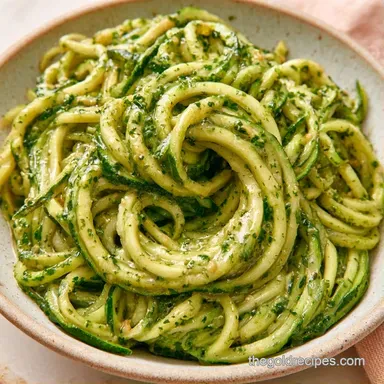
Asian Zucchini Noodles with Sesame Glaze
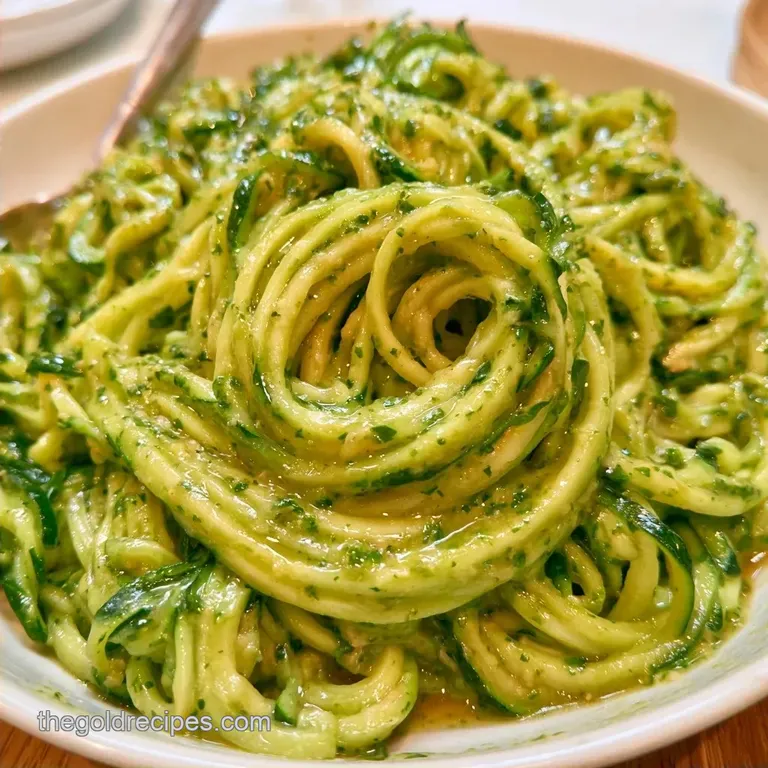
- Time: 10 min active + 15 min prep/resting
- Flavor/Texture Hook: Savory, nutty, and crunch heavy
- Perfect for: A high protein fitness lunch or a fast weeknight dinner
Forget the idea that zoodles are just sad, soggy strips of water. I used to think they were a poor substitute for real noodles until I realized the problem wasn't the zucchini, it was the water. Most people just toss them in a pan and wonder why they end up with a puddle of vegetable juice.
The trick is treating the vegetable like a sponge that needs to be wrung out first. When you get the moisture under control, these Asian Zucchini Noodles actually hold their shape and carry a sauce without diluting it.
You can expect a dish that hits all the savory, salty, and slightly sweet notes of a traditional stir fry. It's a great way to get a massive volume of greens into your day without feeling like you're eating a plain salad.
Asian Zucchini Noodles Quick Specs
This dish is all about high heat and fast movement. Because we aren't boiling anything, the nutrients stay put, and the crunch stays intact. It's a foodie's way to keep things light while still feeling like a cheat meal.
Right then, let's look at the balance. By using avocado oil, we get a high smoke point that lets the garlic and ginger really pop without burning. The maple syrup provides just enough sweetness to balance the salty soy and tangy vinegar.
The Texture Trick
I've spent way too much time experimenting with different "dry" methods. Here is why this specific approach actually works:
- The Salt Draw: Salt pulls water out of the zucchini cells through osmosis. This means the noodles don't release all their liquid the second they hit the hot pan.
- High Thermal Mass: Using a wok or cast iron ensures the pan doesn't cool down when you add the cold vegetables, which keeps them from steaming.
- The Glaze Timing: Adding the sauce at the very end prevents the sugars in the maple syrup from burning while the noodles are still cooking.
Before you start, you have to decide if you're going fresh or taking a shortcut. Fresh is always better for texture, but pre cut can save you a few minutes.
| Method | Time | Texture | Best For |
|---|---|---|---|
| Fresh Spiralized | 10 mins | Crisp & Firm | Maximum crunch |
| Pre cut Zoodles | 2 mins | Softer | Ultra fast lunch |
Deep Dive into Ingredients
Every part of this bowl has a job. If you skip the vinegar, for example, the sauce feels "heavy" and lacks that bright, zingy finish that cuts through the sesame oil.
| Ingredient | Role | If You Don't Have It |
|---|---|---|
| Zucchini | Base | Yellow squash or cucumber |
| Soy Sauce | Salt/Umami | Tamari or Coconut Aminos |
| Rice Vinegar | Acidity | Apple Cider Vinegar |
| Maple Syrup | Sweetness | Honey or Agave |
Since we're focusing on a fitness friendly profile, I stick with avocado oil. It's stable at high temperatures and doesn't add a strong flavor that competes with the ginger.
For a full breakdown of vegetable micronutrients, you can check the [USDA FoodData Central](https://fdc.nal.usda.gov/) database.
Tools for the Job
While you can make this with basic equipment, a couple of specialized tools simplify the process. A spiralizer is the most common choice, though a julienne peeler is a great alternative if you prefer a flatter noodle shape.
For the best results, reach for a wok or a heavy-bottomed skillet. The goal is to sear the vegetables rather than boil them; using a thin non-stick pan often results in soggy noodles because it can't maintain high enough heat.
Don't forget a clean kitchen towel. Many people overlook the step of patting the noodles dry, but this is the key to achieving a crisp stir fry instead of a soup.
From Prep to Plate
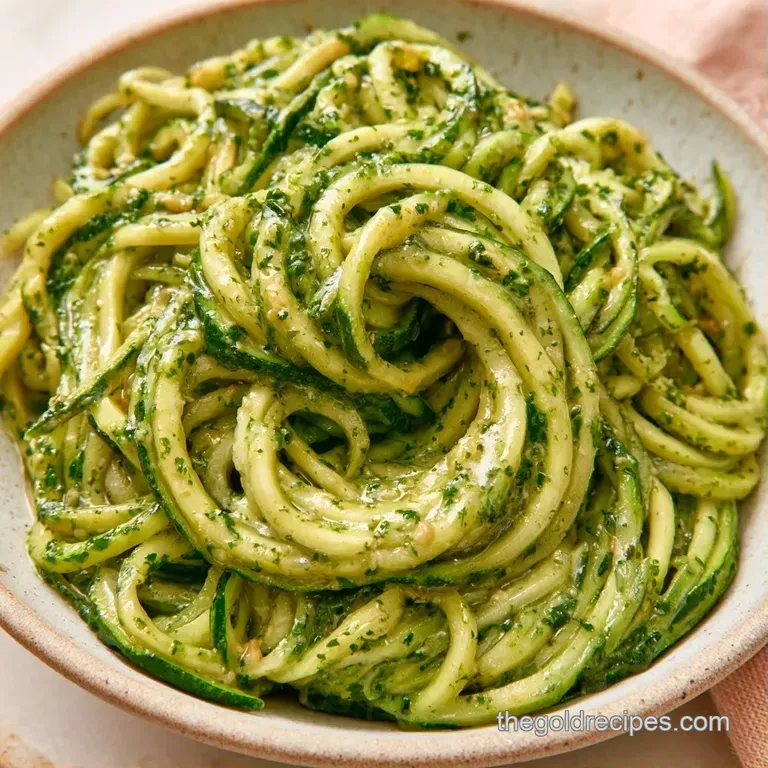
Let's crack on. Keep your heat high and your movements fast.
Phase 1: The Moisture Purge
- Spiralize the zucchini into long strands.
- Place the strands in a colander, sprinkle with a pinch of salt, and let them sit for 5-10 minutes.
- Gently pat the salted zucchini noodles dry with a clean kitchen towel. Note: They should look matte, not glistening.
Phase 2: The Flavor Base
- In a small bowl, whisk together the soy sauce, sesame oil, rice vinegar, maple syrup, and sriracha until the sauce is a velvety mahogany color.
- Heat a wok or cast iron skillet over medium high heat. Add avocado oil.
- Sauté minced garlic and ginger for 30 seconds until they smell nutty and fragrant.
Phase 3: The Flash Sear
- Increase heat to high. Add zucchini noodles and shredded carrots.
- Stir fry rapidly for 2-3 minutes. Note: Do not overcook or they will lose their snap.
- Pour the sesame soy glaze over the noodles.
- Toss for 60 seconds until the sauce thickens and bubbles.
Phase 4: The Final Garnish
- Remove from heat immediately.
- Plate into bowls and garnish with sliced green onions and toasted sesame seeds.
Avoiding Kitchen Disasters
It's easy to mess up zoodles because they're so temperamental. The most common issue is "the puddle," where the bottom of your bowl is full of water. This happens when you crowd the pan. If you're making a double batch, cook the noodles in two separate turns.
Another issue is burnt garlic. Garlic is delicate and can go from "fragrant" to "bitter" in about five seconds. If your pan is screaming hot, add the ginger first to buffer the heat.
Noodles are too mushy
This usually means they stayed in the pan too long. Zucchini only needs a flash of heat to soften.
Sauce is too thin
If the glaze doesn't cling, you might have skipped the pat dry step. The water on the noodles thins the sauce.
Garlic tastes bitter
You likely scorched the garlic. Start with a slightly lower heat before adding the oil.
| Problem | Fix |
|---|---|
| Watery Pan | Increase heat and cook in smaller batches |
| Mushy Texture | Reduce stir fry time to 2 minutes |
| Bland Flavor | Add an extra splash of rice vinegar |
Storage and Reheating
While these are ideal eaten immediately, they will stay fresh in the refrigerator for about 48 hours if you are meal prepping. Use glass containers to ensure they don't absorb any unwanted fridge odors.
Avoid the microwave for reheating. Since microwaves vibrate water molecules, they essentially steam the noodles from the inside, resulting in a limp texture. Instead, toss them in a hot skillet for 2 minutes.
To reduce waste, save your zucchini ends. I collect my scraps in a freezer bag to use for a quick vegetable broth or to blend into smoothies for a bit of extra nutrition.
Flavor Twists to Try
Depending on your goals, you can shift the vibe of this bowl easily. For those looking for a higher protein count, add grilled shrimp or tofu. If you want something creamier, you can pivot toward a Zucchini Noodles Pesto style.
For a spicy version, double the sriracha or add a teaspoon of red chili flakes during the garlic sauté. If you want to keep it strictly vegetarian, this recipe is already there, but adding toasted cashews gives it a great fatty crunch.
| Goal | Change | Result |
|---|---|---|
| More Protein | Add 6oz grilled chicken | Heartier meal |
| Extra Heat | Add red pepper flakes | Spicy kick |
| Nutty Depth | Add 1 tbsp almond butter | Creamier sauce |
The Best Pairings
Since these Asian Zucchini Noodles are light, they pair well with a heavier protein on the side. I love serving them alongside Chicken Zucchini Noodles if I'm doing a family style dinner.
If you want a side, a simple smashed cucumber salad with sesame oil and garlic complements the flavors without adding too many calories. It keeps the whole meal fresh and vibrant.
For a final touch, I always add a squeeze of fresh lime juice right before eating. That hit of citrus wakes up the soy and maple syrup, making the whole bowl feel more like something from a high end bistro.
Right then, that's how you get a veggie forward dish that actually tastes like a treat. Just remember: salt, dry, and high heat. Trust me on this, and you'll never go back to soggy zoodles again.
High in Sodium
980 mg 980 mg of sodium per serving (43% 43% of daily value)
The American Heart Association recommends a limit of 2,300mg of sodium per day for most adults to maintain heart health.
Tips to Reduce Sodium
-
Swap Soy Sauce-30%
Replace the regular soy sauce with low-sodium soy sauce or coconut aminos to drastically reduce the salt content.
-
Adjust Sriracha-10%
Substitute sriracha with freshly chopped chilies or red pepper flakes to keep the heat without the added sodium.
-
Boost Acidity-5%
Add an extra teaspoon of rice vinegar or a squeeze of fresh lime juice to enhance the flavors, reducing the need for salt.
-
Enhance Aromatics
Increase the amount of fresh minced garlic and grated ginger to provide a bolder flavor profile without adding any sodium.
Recipe FAQs
How do you keep zucchini noodles from getting soggy?
Stir-fry them rapidly on high heat for only 2-3 minutes.
Tip: pat the salted strands dry with a kitchen towel before adding them to the pan.
Is it true that zucchini noodles are always healthier than regular pasta?
False. While they are lower in calories, they lack the complex carbohydrates and B vitamins found in whole-grain noodles.
Tip: use them as a light alternative or mix them with traditional pasta for a balanced meal.
Which flavors complement zucchini noodles best?
Bold, savory glazes like the sesame-soy mixture used here work perfectly.
Tip: if you enjoy using zucchini in savory ways, you can also try garlic parmesan zucchini for a different flavor profile.
Do I need to soak zoodles in water to remove moisture?
No, this is a common misconception.
Tip: sprinkle them with salt and let them sit for 5-10 minutes to draw out water naturally.
Asian Zucchini Noodles in 25 Minutes