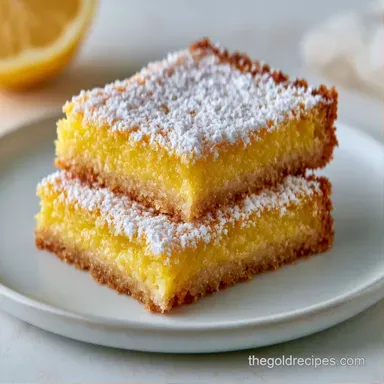
Meyer Lemon Bars with Shortbread Crust
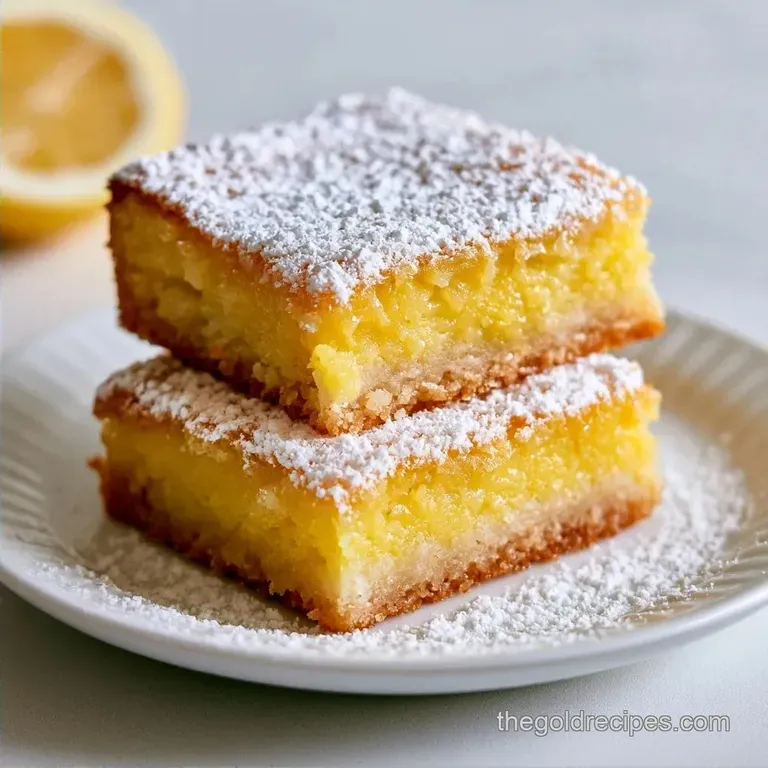
- Time: 15 min active + 2 hours 40 mins baking and chilling
- Flavor/Texture Hook: Tangy, floral curd on a crisp shortbread base
- Perfect for: Spring brunch or a bright afternoon treat
The smell of fresh zest hitting a bowl of sugar is a sensory trigger for me. It's that bright, sharp aroma that fills the room and makes everything feel cleaner. When you slice into these, you hear a faint snap from the shortbread before hitting the soft, yielding center.
Most people treat lemon desserts as a balance of acid and sugar, but the chemistry changes when you use a Meyer lemon. They're a cross between a lemon and a mandarin, which gives them a floral note. This allows the Meyer Lemon Bars to taste rich and complex without being mouth puckeringly sour.
You can expect a dessert that looks like a clean yellow slab with a golden brown edge. It's a focused, precise treat. We're aiming for a texture that's smooth and glossy on top and slightly sandy on the bottom.
Why Meyer Lemon Bars Work
Floral Acidity: Meyer lemons have lower citric acid than standard lemons. This means the filling tastes more like a perfume and less like a cleaning product.
Shortbread Structure: Using a high butter to flour ratio in the base creates a barrier. This prevents the lemon curd from soaking into the crust and making it mushy.
Room Temperature Eggs: Cold eggs can cause the sugar to clump. Using room temp eggs ensures a silky filling that doesn't separate during the bake.
Technical Recipe Specs
I've looked at a few ways to handle the filling. Some people prefer a stovetop curd that they pour onto a baked crust, but the oven method creates a more cohesive bond between layers.
| Method | Texture | Set Time |
|---|---|---|
| Oven Baked | Firm, cake like | 2 hours fridge |
| Stovetop Curd | Soft, spoonable | 4 hours fridge |
For those who need an exact benchmark, the center of the pan should hit roughly 170°F (77°C) before coming out. The edges will be set, but the middle will move slightly.
What You'll Need
The quality of the butter here is non negotiable. Use a brand with a high fat content to keep the base from becoming too cakey.
| Ingredient | What It Does | Best Swap |
|---|---|---|
| Unsalted Butter | Provides structure and richness | Salted butter (reduce added salt) |
| Meyer Lemon Juice | Adds floral acidity | Standard lemon juice (add 1 tbsp sugar) |
| All Purpose Flour | Thickens the curd and builds the base | 1:1 gluten-free blend |
| Large Eggs | Binds the filling and adds lift | 3 tbsp cornstarch slurry + water (less rich) |
Full Ingredient List: 227g unsalted butter, softened Why this? Creates a tender, melt in-mouth crust 65g granulated sugar (for crust) 240g all purpose flour (for crust) 1.5g salt 3 large eggs, room temperature Why this? Better emulsion for the filling 150g granulated sugar (for filling) 120ml freshly squeezed Meyer lemon juice 12g Meyer lemon zest 16g all purpose flour (for filling)
Essential Kitchen Gear
Having the right tools makes this process much smoother. A 9x9 inch square baking pan is the recommended size; using a larger pan may cause the bars to be too thin and overcook.
For the crust, a stand mixer (such as a KitchenAid) is ideal for thoroughly combining the sugar and butter. A whisk is a must for the filling. To achieve clean edges when cutting, try using a sharp chef's knife dipped in hot water.
How to Make It
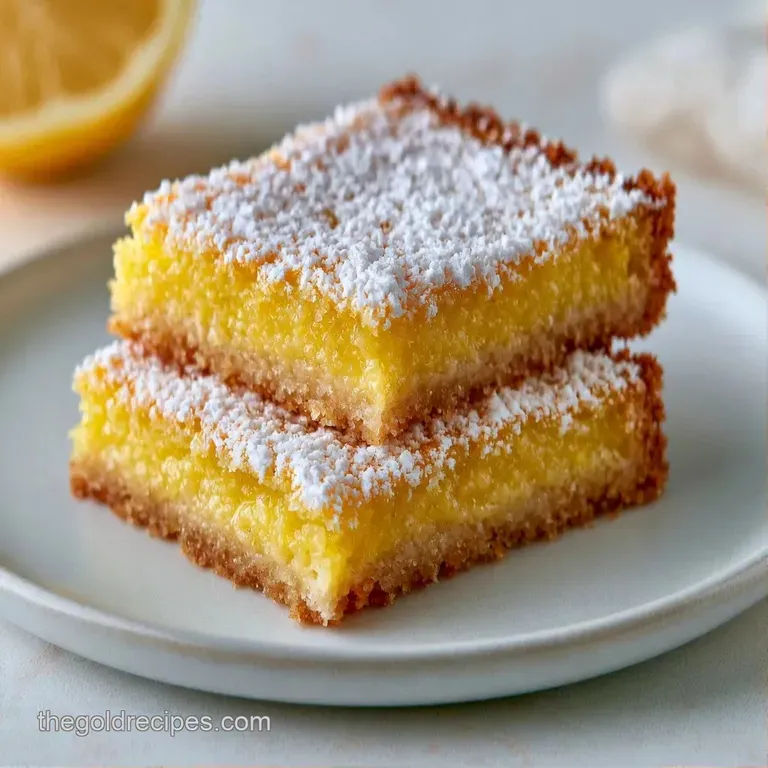
- Preheat your oven to 175°C (350°F). Line a 9x9 inch pan with parchment paper, leaving a bit of a hang over the sides.
- Cream the 227g softened butter and 65g sugar. Mix until smooth, then stir in 240g flour and 1.5g salt until a soft dough forms.
- Press the dough firmly into the bottom of the pan. Bake for 20 minutes until the edges are just barely golden.
- Whisk 3 eggs and 150g sugar in a bowl. Beat them until the mixture looks pale and slightly thickened.
- Stir in 120ml Meyer lemon juice, 12g zest, and 16g flour. Whisk until the mixture is completely smooth.
- Pour the filling over the hot crust immediately.
- Bake for another 20 minutes until the center has a slight jiggle but the edges are set.
- Cool the pan at room temperature for an hour.
- Transfer to the fridge for at least 2 hours to firm up.
Chef Note: Don't skip the fridge time. If you cut these while they're warm, the filling will slump and you'll lose those clean, professional lines.
Troubleshooting Guide
Preventing a Soggy Base
This happens when the crust isn't baked long enough or the filling is too watery. Ensure the crust hits that barely golden stage. Pouring the filling while the crust is still hot helps create a seal. If you're worried about moisture, you can try no bake lemon bars for a different structural approach.
Stopping Surface Cracks
Cracks usually mean the filling was overbaked. The eggs in the curd act as the stabilizer, but too much heat causes them to tighten and split. Pull the pan out when the center still wobbles slightly. It will finish setting in the fridge.
Adjusting Excessive Tartness
If the result is too sharp, your Meyer lemons might have been more acidic than usual. You can't fix the bake, but you can serve them with a dollop of sweetened whipped cream or a dusting of powdered sugar to mute the acid.
Variations & Substitutions
Depending on what's in your pantry, you can tweak the base or the filling. For a different fruit profile, these blueberry lemon bars offer a great contrast.
| Original Ingredient | Substitute | Why It Works |
|---|---|---|
| AP Flour (Base) | Almond Flour | Lower carb, denser crumb. Note: Base will be more fragile |
| Meyer Lemon | Standard Lemon | More acidic. Note: Add 15g extra sugar to the filling |
| Granulated Sugar | Maple Syrup | Earthy sweetness. Note: Reduce juice by 15ml to maintain thickness |
- For a firmer set
- chill 4 hours instead of 2.
- For a nuttier crust
- replace 30g of flour with ground pecans.
- For a brighter top
- brush the finished bars with a lemon sugar glaze.
Meyer Lemon Bars gluten free
Replace the all purpose flour in both the crust and filling with a high-quality 1:1 gluten-free blend. The crust may be slightly more crumbly, so press it into the pan with more force.
Meyer Lemon Bars with Graham Cracker Crust
Skip the shortbread dough. Crush 200g of graham crackers, mix with 60g melted butter and 30g sugar. Press into the pan and bake for 8 minutes before adding the filling.
Keeping It Fresh
Arrange the sliced bars in a single layer; stacking them often causes the tops to stick and tear. Use a container with a lid, but if you must stack, separate the layers with parchment paper.
Refrigeration: Store these chilled for no more than 4 days. The taste actually improves on the second day as the flavors meld.
Freezing: These hold up well in the freezer. Wrap each bar individually in plastic wrap and store them in a freezer bag for up to 3 months. Let them defrost in the refrigerator overnight.
Zero Waste: Don't discard the lemon rinds. Steep them in a jar of vodka or gin for two weeks to create a homemade citrus infusion. You can also freeze small portions of zest for future recipes.
Perfect Complements
These are rich and tart, so you want something to cut through that density. A few fresh raspberries on top add a sharp, berry contrast that works well.
For a more decadent presentation, add a cloud topping of stabilized whipped cream. A light dusting of powdered sugar is the classic way to finish. Serve them with a glass of iced Earl Grey tea, as the bergamot in the tea echoes the floral notes of the Meyer lemons.
Right then, you've got the chemistry and the method. Just remember to watch that jiggle in the center and give them plenty of time in the fridge. Trust me on the chilling part, or you'll end up with a delicious mess instead of a clean slice. Happy baking!
Recipe FAQs
Can I use regular lemons instead of Meyer lemons?
Yes, but you will need to add 15g extra sugar to the filling. Regular lemons are more acidic and less sweet than Meyer lemons.
What makes these lemon bars taste professional?
Using room temperature eggs ensures a smooth, stable filling. If you loved the sweet-tart balance here, see how we use the same acid technique in our classic lemon bars.
How to prevent the bars from sticking to the pan?
Line a 9x9 inch baking pan with parchment paper, ensuring the edges extend over the sides. This makes it easy to lift the entire block out once chilled.
Is it true that parchment paper is optional for this recipe?
No, and here's why. Without a liner, the buttery crust sticks to the pan, making it nearly impossible to get clean square cuts.
Why do some lemon bars fail to set?
Underbaking the filling is the most common cause. Ensure the center has only a slight jiggle and the edges are set before removing them from the oven.
Could I use something else for parchment paper?
Grease the pan with butter and dust it with flour as an alternative. The bars will not lift out as cleanly as they do with parchment.
Where should I use a surplus of Meyer lemons?
Use them to make fresh zest and juice for various citrus desserts. Their floral sweetness is perfect for any tart recipe.
Meyer Lemon Bars with Shortbread Crust