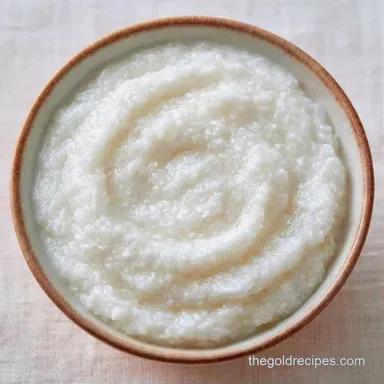
Simple Coconut Pudding Recipe with Coconut Milk
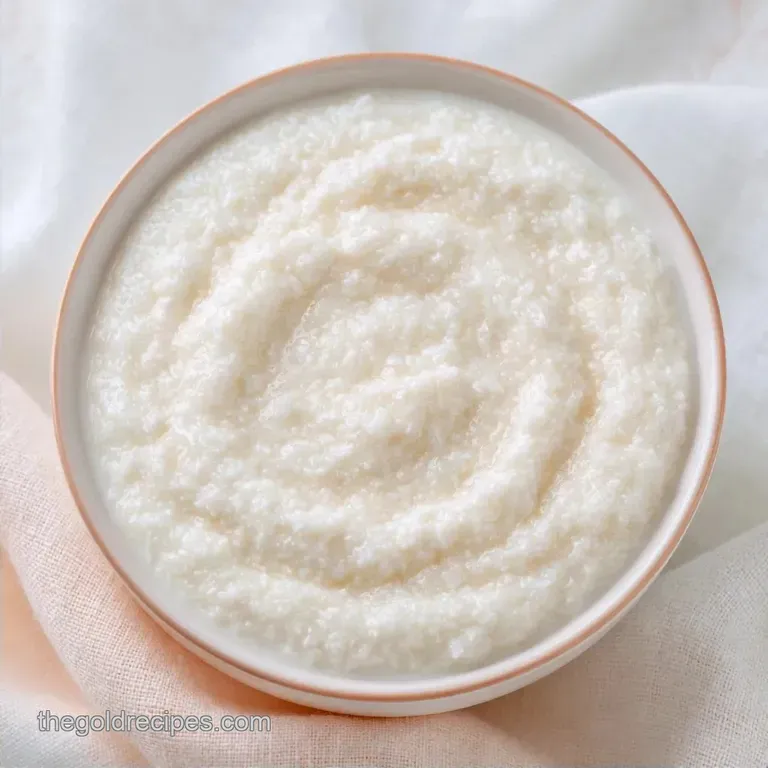
- Time: 10 min active + 3 hrs 8 mins chilling
- Flavor/Texture Hook: Tropical, rich and shimmering
- Perfect for: Easy weeknight treats or summer dinner parties
The scent of toasted coconut always hits me first, evoking the feel of a tropical escape. I recall a custard I tried years ago that ended up with a gritty, wet-sand texture because I didn't understand the science of starch and coconut fats.
I spent far too much time battling gelatin and egg tempering, only for the dessert to split.
Things changed when I started exploring how full fat coconut milk interacts with cornstarch. Once I stopped treating it like a standard custard and approached it as a starch stabilized emulsion, I cracked the code. This process is easy to master and yields a dessert with a sophisticated, restaurant quality finish.
You'll get a treat that is rich and holds its form without feeling rubbery. It has a polished, shimmering luster that looks elegant in a glass and tastes even better topped with fresh fruit.
Why This Pudding Works
Cold Start: Whisking cornstarch into cold liquid prevents the starch granules from clumping together. This ensures the texture stays smooth and consistent.
Fat Content: Full fat coconut milk provides a natural emulsion. When we heat it slowly, the fats bind with the sugar to create a rich, heavy consistency.
| Ingredient Choice | Texture Result | Taste Impact | Best For |
|---|---|---|---|
| Canned Full Fat | Thick and rich | Deep coconut | Traditional |
| Coconut Cream | Very dense | Intense flavor | Richer dessert |
| Light Coconut Milk | Runny/Thin | Mild taste | Low calorie |
This method is a bit of a hack compared to old school custards. Since we aren't using eggs, there's no risk of scrambling them if the heat gets too high.
The Shopping List Breakdown
For the base, we need ingredients that provide structure and sweetness. The coconut milk is the heavy lifter here, providing both the liquid and the fat. I always go for the canned version because the carton stuff is too watery for a pudding.
The cornstarch acts as the stabilizer. According to the guides at King Arthur Baking, cornstarch is a more powerful thickener than flour, which is why this pudding stays clean and bright rather than tasting "pasty."
For the Pudding Base
- 2 cups full fat canned coconut milk Why this? High fat ensures a rich, stable emulsion (Substitute: Coconut cream diluted with a bit of water)
- 1/2 cup granulated sugar Why this? Standard sweetness that dissolves quickly (Substitute: Maple syrup, but reduce liquid slightly)
- 3 tbsp cornstarch Why this? Creates the necessary thickness (Substitute: Arrowroot powder)
- 1/4 tsp fine sea salt Why this? Cuts through the richness (Substitute: Kosher salt)
- 1 tsp coconut extract Why this? Boosts the natural coconut aroma (Substitute: Vanilla extract)
- 2 tbsp unsalted butter, room temperature Why this? Adds a polished, shimmering finish (Substitute: Vegan butter or coconut oil)
For the Garnish
- 1/4 cup unsweetened shredded coconut, toasted Why this? Adds a necessary crunch
- Fresh mango cubes or pineapple chunks Why this? Acid balances the heavy fats
- Fresh mint leaves Why this? Provides a fresh, aromatic contrast
Core Recipe Specs
- Prep time:10 minutes
- Cook time:8 minutes
- Total time:3 hours 18 mins
- Yield: 4 servings
- Serving size: 1 ramekin
Essential Kitchen Tools
You don't need fancy gear for this, but a few specific tools make the "hack" work. A heavy bottomed saucepan is non negotiable. Thin pans create hot spots that will scorch the coconut milk, leaving you with burnt brown flecks in your dessert.
I use a stainless steel whisk for the initial mix and a silicone spatula for the final fold. The spatula helps me scrape every bit of the emulsion from the corners of the pan. If you have them, individual glass ramekins or dessert coupes are the best way to serve this.
How to Make It
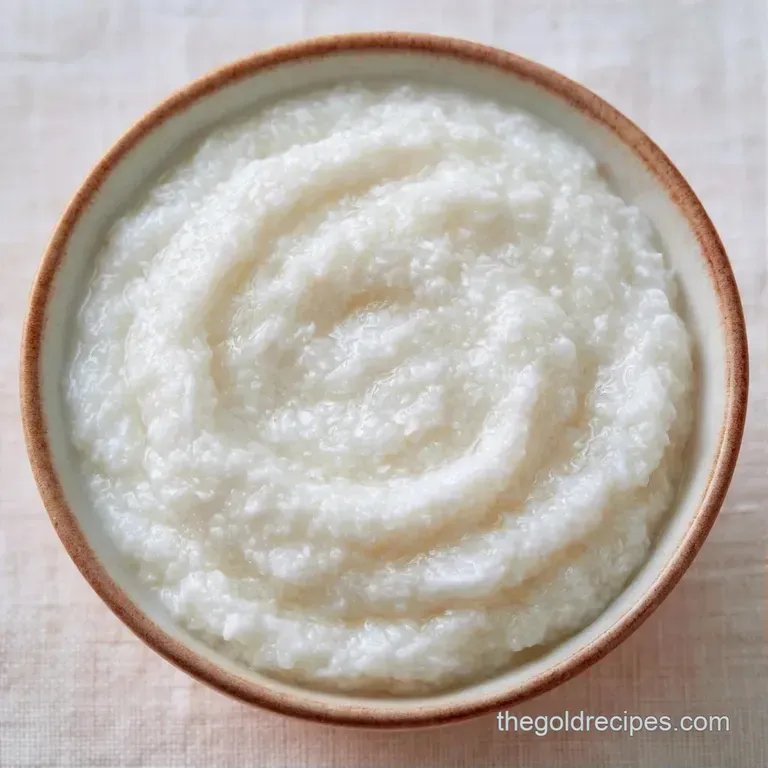
Preparing the Cold Base
In a medium heavy bottomed saucepan, combine the coconut milk, sugar, cornstarch, and salt. Whisk the cold mixture vigorously until the cornstarch is fully dissolved and no lumps remain.
Thickening the Custard
Place the pan over medium heat. Whisk constantly for 4 to 7 minutes until the liquid reaches a bubble, simmers, and thickens into a glossy, heavy cream consistency.
Refining the Texture
Remove from heat immediately. Stir in the room temperature butter and coconut extract, folding with a spatula until the pudding has a shimmering, polished sheen.
Chilling for Structure
Distribute the mixture evenly into 4 dessert glasses or ramekins. Press a piece of plastic wrap directly onto the surface of the pudding to prevent a skin from forming and refrigerate for at least 3 hours until set.
Final Garnish
Before serving, top each portion with toasted shredded coconut, fresh chunks of mango or pineapple, and a leaf of fresh mint.
Avoiding Kitchen Disasters
If your pudding doesn't set, it's usually because the cornstarch didn't reach the "activation" temperature. You have to see those bubbles. If it's still liquid after 5 minutes of simmering, you might have used an expired starch or too much liquid.
Lumps are another common issue. This usually happens if the cornstarch wasn't whisked in properly while cold. If you see floury bits, don't panic. You can either whisk them out vigorously or just pass the hot pudding through a fine mesh strainer before pouring it into the glasses.
Fixing Lumps in the Pudding
When you see small white clumps, it means the starch hydrated unevenly. Use a whisk to beat the mixture for 30 seconds on low heat.
Preventing a Thin Consistency
If the pudding is too runny, it likely didn't hit the simmer point. Return it to the heat and whisk until it bubbles.
Stopping the "Skin" from Forming
A skin forms when the surface evaporates and concentrates the proteins. Plastic wrap must touch the actual liquid to block air.
| Problem | Root Cause | Solution |
|---|---|---|
| Grainy texture | Cornstarch not dissolved | Whisk cold or strain through mesh |
| Runny pudding | Didn't reach simmer point | Reheat until it bubbles |
| Hard skin on top | Air exposure during cooling | Press plastic wrap onto surface |
If you're looking for other ways to use coconut in your desserts, you might like my Custard Pie for 10 recipe, which uses a similar fat profile but adds a baked crust.
Storage Guidelines
Store the pudding chilled for a maximum of 3 days. Ensure the plastic wrap remains pressed against the surface to prevent a rubbery skin from forming. I suggest avoiding the freezer, as the coconut milk emulsion typically breaks during the freezing and thawing process, resulting in a grainy, separated texture.
To avoid waste, utilize the coconut milk remnants in the can by stirring them into your morning coffee or a smoothie. Any extra toasted coconut can be stored in a small pantry jar to top your oatmeal or yogurt.
Presentation Tips
To make this look professional, use clear glass vessels. The white of the pudding looks striking against the bright yellow of mango or the deep orange of pineapple. If you want to go the extra mile, you can create a tropical parfait by layering the pudding with crushed graham crackers and fresh fruit.
For a zesty finish, grate a tiny bit of lime zest over the top right before serving. The citrus oils cut through the fat of the coconut and butter, making the whole dish feel lighter. If you prefer something more indulgent, a drizzle of honey or agave works well.
| Goal | Exact Change |
|---|---|
| Extra tang? | Fold in 1 tsp lime zest |
| More depth? | Add a pinch of ground cinnamon |
| Nuttier flavor? | Use toasted coconut milk |
Variations & Substitutions
You can easily turn this into a vegan treat by swapping the butter for coconut oil or a plant based butter stick. The texture remains almost identical because the coconut milk already provides most of the richness.
If you want a different fruit profile, try pairing the pudding with fresh raspberries or pomegranate seeds.
For those who love a more traditional feel, you can try making a coconut pudding recipe with condensed milk. Simply replace the sugar and a bit of the coconut milk with sweetened condensed milk. This results in a denser, more caramelized flavor.
If you prefer a firmer, sliceable dessert, a baked coconut pudding recipe is the way to go. You'll need to add eggs to the mixture and bake it in a water bath at 325°F for about 45 minutes. This changes the texture from a creamy pudding to a structured custard, similar to the mini pineapple cakes I've shared before.
Switching to a Vegan Version
Use 2 tbsp of refined coconut oil instead of butter. The refined version has a neutral taste, so the coconut extract remains the star.
Creating an Easy Coconut Milk Pudding Recipe (Low Calorie)
Swap the full fat milk for light coconut milk and use a monk fruit sweetener. Note that the texture will be more like a thin cream than a thick pudding.
Debunking Pudding Myths
You may be told that "tempering" the liquid is necessary to achieve a smooth pudding. However, tempering is for eggs. Because this recipe uses cornstarch, that step isn't required; just whisk while cold and then heat it up.
Some argue that coconut milk will "split" if it boils. While an aggressive boil can cause separation, a gentle simmer is actually needed to activate the cornstarch. Just keep whisking and you'll be fine.
Recipe FAQs
How to make this simple coconut pudding?
Combine coconut milk, sugar, cornstarch, and salt in a saucepan. Whisk while cold, simmer over medium heat until glossy and thick, then stir in butter and coconut extract.
Can I substitute coconut oil for butter?
Yes, this works perfectly for a vegan version. The texture remains almost identical because the coconut milk already provides most of the richness.
Is it true that freezing this speeds up the setting process?
No, and here's why. The coconut milk emulsion breaks during the freeze thaw cycle, which results in a grainy and separated texture.
What stops a rubbery skin from forming on the surface?
Press plastic wrap directly onto the pudding. This creates a physical barrier that prevents air from drying out the top layer during refrigeration.
Why isn't my pudding thickening properly?
You likely haven't reached the bubble point. Whisk continuously for 4 to 7 minutes over medium heat to fully activate the cornstarch.
Would sweetened condensed milk work as a sugar replacement?
Yes, it creates a denser, more caramelized flavor. Simply swap out the granulated sugar and a small amount of coconut milk for the condensed version.
Which fresh toppings complement the coconut flavor?
Fresh mango cubes or pineapple chunks are ideal. These tropical fruits provide a tart contrast to the creamy base; for a similar flavor profile in a baked dessert, try a pineapple upside down cake.
Simple Coconut Pudding Recipe