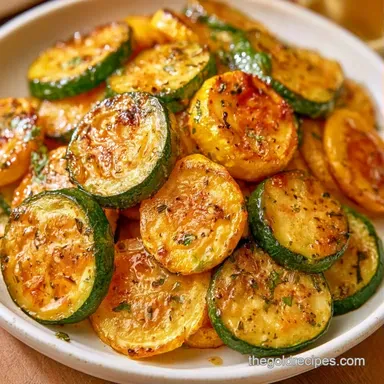
Sauteed Zucchini and Yellow Squash with Garlic
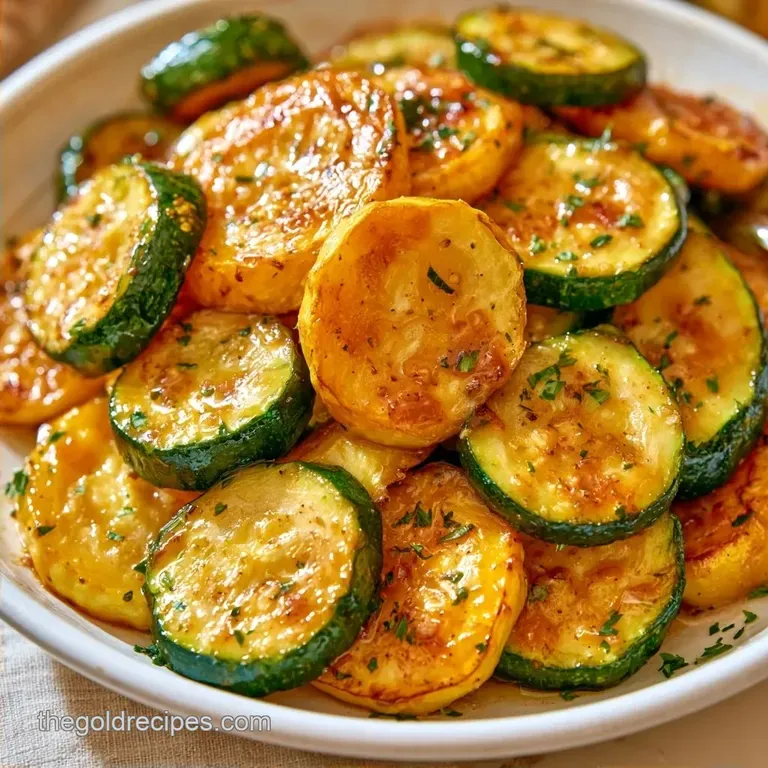
- Time: 5 min active + 10 min cook
- Flavor/Texture Hook: Buttery, mahogany edged, and tender crisp
- Perfect for: Weeknight side dish or quick appetizer
That high pitched sizzle when the squash hits the hot butter is the sound of success. I can still smell the garlic and onion hitting the pan, filling the kitchen with that savory, warm aroma that makes you forget you're actually eating vegetables.
There is something about the bright yellow and green colors that just makes a plate look alive.
I used to make the mistake of stirring too much. I thought I was being helpful, but I was actually just steaming the vegetables in their own juices. The result was a soggy, pale mess that tasted okay but looked sad. Now, I treat the pan like a grill, letting the squash sit until it develops a real sear.
This version of Sauteed Zucchini and Yellow Squash is all about the contrast. You get the sweetness of the caramelized onion, the bite of the garlic, and the salty punch of Parmesan. It's the kind of side dish that actually steals the spotlight from the main course.
Quick Look at the Squash
This recipe is designed for speed without sacrificing that steakhouse style char. By using a medium high heat setting, we evaporate the water the zucchini releases almost instantly. This prevents the "stewing" effect and gives you a vegetable that has a snap to it.
The total time is just 15 minutes. Because the slices are thin (around 6mm), they cook through quickly. You don't need a fancy kitchen, just a wide skillet that allows the vegetables to breathe. If you crowd the pan, the temperature drops and you lose that golden crust.
To make the colors pop, I focus on a specific garnish strategy. I add red pepper flakes for a tiny spark of red, fresh flat leaf parsley for a vivid green, and the Parmesan for a creamy white accent. Adding these at the very end keeps the colors bright and the flavors sharp.
Why These Veggies Stay Crisp
If you've ever wondered why restaurant squash has that brown crust while home versions are mushy, it comes down to two things.
- over High heat Searing: Fast cooking prevents the cell walls from breaking down too much. This keeps the center firm while the outside browns.
- Pan Space: Leaving room between the slices lets steam escape. Serious Eats' testing shows that minimizing moisture in the pan is what prevents a gummy or soggy texture.
The butter provides the flavor and the browning, but the olive oil is there to raise the smoke point. This allows us to get the pan hotter than butter alone would allow, ensuring we get those mahogany edges.
Getting Your Ingredients Ready
The key here is consistency. If some slices are thick and others are thin, you'll have some pieces that are raw and others that are overcooked. I recommend using a mandoline or a very sharp chef's knife to keep everything at a steady 1/4 inch thickness.
The Fresh Produce
The zucchini and yellow squash should feel heavy for their size. If they feel light or spongy, they've lost their moisture and won't sauté as well. Use a medium yellow onion, as it has a balanced sweetness that complements the squash.
The Pantry & Dairy
I use unsalted butter so I can control the salt levels with the kosher salt and Parmesan. The olive oil prevents the butter from burning too quickly. For the cheese, use a high-quality grated Parmesan rather than the powdered stuff in a green can.
| Component | Purpose | Substitute Notes |
|---|---|---|
| Zucchini | Base structure | Cucumber (peeled/seeded): More water, less flavor |
| Yellow Squash | Color and sweetness | Yellow Pattypan squash: Works identically |
| Unsalted Butter | Browning and richness | Ghee: Higher smoke point, slightly nuttier |
| Parmesan | Salty umami finish | Pecorino Romano: Saltier and sharper |
Tools for the Job
You need a wide skillet. A 12 inch cast iron or stainless steel pan is the way to go. Non stick works, but it doesn't develop the same sear as stainless steel or cast iron. If you only have a small pan, please cook in batches. Trust me, overcrowding is the enemy here.
I also suggest using a silicone spatula or tongs. You want something that can flip the slices without breaking them. A whisk or a fork will just mash the vegetables into a pulp.
For the garlic, a microplane or a fine mince is best. You want the garlic to distribute evenly so you don't get one giant chunk of burnt garlic in a single bite.
Cooking the Squash step-by-step
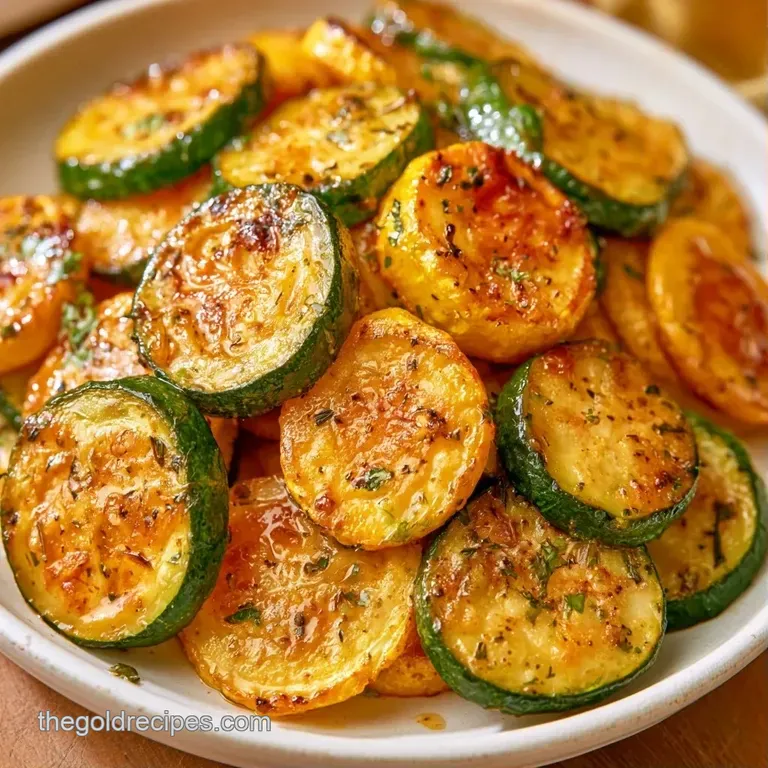
Right then, let's get into the pan. Make sure your vegetables are sliced and your garlic is minced before you even turn on the heat. Things move fast once the butter starts bubbling.
1. Prepping for Uniformity
Slice the zucchini and yellow squash into consistent 1/4 inch thick rounds. This ensures every piece hits the same doneness at the same time.
2. Searing the Aromatics
Heat the olive oil and butter over medium high heat. Add the diced onions and sauté for 3-4 minutes until they become translucent and fragrant.
3. Achieving the Golden Crust
Increase the heat slightly and add the squash. Spread them in a single layer. Let them sit undisturbed for 2-3 minutes until mahogany colored edges develop. Don't peek or stir too early!
4. Finishing with Flavor
Fold in the minced garlic, salt, and pepper. Toss frequently for another 2-3 minutes until the vegetables are velvety and tender crisp. Remove from heat immediately.
Chef's Note: To add extra depth, I sometimes add a tiny pinch of nutmeg or a splash of lemon juice right before serving. It doesn't change the flavor entirely, but it makes the vegetables taste "brighter."
Fixing Texture and Burn Issues
The most common problem people have with Sauteed Zucchini and Yellow Squash is the "water puddle" in the pan. This happens when the pan isn't hot enough or there's too much food in there. The vegetables release their internal water, but since it can't evaporate, they boil instead of fry.
Another issue is the garlic. Garlic burns much faster than onions or squash. If you add it at the start, it will be bitter and black by the time the zucchini is done. Always add it in the final few minutes.
Preventing Soggy Squash
The fix is simple: more heat and more space. If you see water pooling, crank the heat up and move the vegetables to the edges of the pan.
Stopping Burnt Garlic
If the garlic looks like it's browning too quickly, toss in a tablespoon of water or a knob of butter to drop the temperature instantly.
| Problem | Fix |
|---|---|
| Vegetables are mushy | Reduce cook time and stop stirring |
| No brown color on squash | Increase heat and leave undisturbed longer |
| Garlic tastes bitter | Add garlic only in the last 3 minutes |
| Pan is too crowded | Cook in two separate batches |
If you find the flavor is too simple, you might enjoy a more complex sauce. My Chicken Piccata uses a similar lemon butter base that would actually taste great if drizzled over these vegetables.
Customizing Your Squash Medley
Depending on what's in your fridge, you can easily change the vibe of this dish. For a more tangy version, try Sauteed Zucchini and Yellow Squash with Balsamic Vinegar. Just add a tablespoon of balsamic glaze in the final minute of cooking.
If you want something more hearty, Sauteed Zucchini and Yellow Squash with Onions and red bell peppers turns this into a mini ratatouille. For those who want a more focused approach, you can check out my Pan Seared Sauteed Zucchini for a single veg version.
Decision Shortcut
- Extra tang? → fold in 1 tsp lemon zest
- More heat? → add 1/2 tsp red pepper flakes
- Vegan style? → swap butter for avocado oil and omit cheese
Adding Color Accents
- 1. Red pepper flakes
- Add with the garlic for a pop of red.
- 2. Fresh Parsley
- Chop finely and sprinkle on top after removing from heat.
- 3. Parmesan
- The white shavings contrast beautifully against the yellow squash.
| Method | Speed | Flavor Profile |
|---|---|---|
| Fast Sauté | 15 mins | Charred, buttery, bright |
| Classic Stew | 30 mins | Soft, integrated, savory |
Keeping It Fresh
To be fair, this meal is far superior when served fresh. If you do have leftovers, store them in a glass jar in the refrigerator for no more than 3 days. Try to avoid plastic, as the acidity and butter can occasionally cause a reaction.
When reheating, skip the microwave, as it turns the crisp squash into a mushy mess. Instead, toss the pieces back into a hot pan for 2 minutes. This helps revive that original golden sear.
To reduce waste, save your onion skins and zucchini ends. I store these in a freezer bag for "scrap broth." Once the bag is full, simmer the contents with water and a bay leaf to create a tasty vegetable base.
Best Ways to Plate it
Let the vivid colors shine by avoiding heavy toppings. Present the dish in a shallow bowl or as a tidy stack on a plate. The visual appeal lies in the striking contrast between the green zucchini and yellow squash.
This makes for a refreshing summer meal when paired with grilled fish. For a party presentation, use a small ceramic dish and finish it with an extra sprinkle of Parmesan.
For a more rustic touch, serve it with crusty sourdough bread. The bread is ideal for soaking up any leftover garlic butter at the bottom. Just add a pinch of salt to the bread to balance the richness of the squash.
Recipe FAQs
Is it true that zucchini and yellow squash cannot be cooked together?
Actually, no. Both summer squashes have similar densities and cook perfectly in the same pan.
Tip: slice both to a consistent 1/4 inch thickness to ensure they finish at the same time.
How to keep the squash from getting mushy?
Let the slices sit undisturbed for 2-3 minutes to develop a mahogany sear.
Tip: avoid crowding the skillet so the water evaporates instead of steaming the vegetables.
Should I use butter or olive oil for the best result?
Using both provides the richest flavor and a higher heat threshold.
Tip: heat the olive oil and butter together over medium high heat before adding onions.
Would this zucchini work well in a soup?
These make a wonderful addition to any savory broth.
Tip: If you enjoyed mastering the sauté technique here, you can apply those same skills to our Italian Penicillin Soup.
Sauteed Zucchini And Yellow Squash