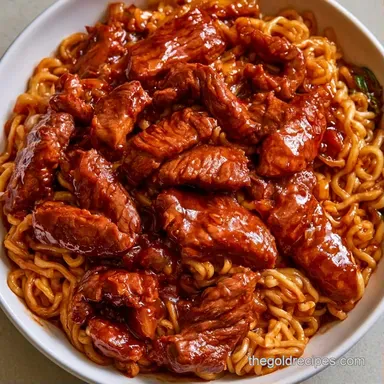
30-Minute Mongolian Beef Ramen
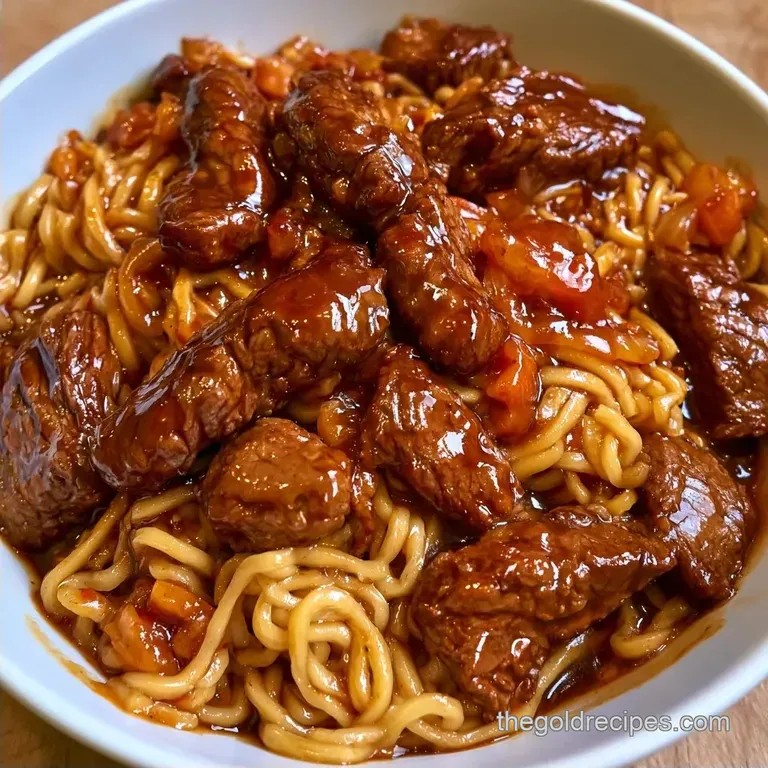
- Timing: 10m prep / 20m cooking
- Taste & Feel: Savory beef in a dark, glossy glaze with firm noodles
- Best for: affordable family nights or rapid weekday dinners
Nothing beats the roar of beef hitting a piping hot pan on a Tuesday. That intense crackle is the signal that you're developing a proper crust rather than just boiling the meat in its own juices. I used to waste a fortune on delivery, only to receive mushy beef and tangled noodles.
Sirloin is the star of this dish, as it offers the ideal balance of tenderness and lean meat. Using a cheaper, tougher cut means too much chewing, while a cut that's too fatty prevents the sauce from sticking. Sirloin clings to that honey soy coating, elevating this ramen into a real treat.
The final result is a lustrous dish scented with toasted sesame and ginger. It’s a filling meal with an aroma so enticing it brings the kids to the table without a second reminder.
Why This Flavor Works
Cornstarch Coating: A light dusting of starch creates a barrier that keeps the beef tender while helping the sauce stick.
Over High heat Searing: Getting the pan hot enough to brown the beef quickly creates those deep, savory notes. If you're into other beefy comforts, you might like my Beef Stew with Radishes recipe for a lower carb option.
Balanced Glaze: The honey cuts through the salt of the soy sauce, creating a sticky finish that coats every noodle.
| Method | Time | Texture | Best For |
|---|---|---|---|
| Stovetop | 20 mins | Crispy edges, glossy sauce | Quick weeknights |
| Oven | 45 mins | Evenly tender, softer edges | Large family batches |
Since this is a minimal tools recipe, sticking to the stovetop is your best bet for that authentic stir fry feel.
The Shopping List
While the sirloin takes center stage, the aromatics do the real work. Fresh ginger is essential here; bottled varieties are often too sweet and lack the pungent kick needed to balance the honey.
For the Beef & Velvet
- 1 lb sirloin steak, thinly sliced against the grainWhy this? Lean yet tender for quick cooking
- 2 tbsp cornstarchWhy this? Maintains tenderness and thickens the sauce
- 1 tbsp soy sauceWhy this? Basic seasoning for the meat
- 1 tbsp neutral oilWhy this? Withstands high heat
For the Mongolian Glaze
- 1/4 cup low sodium soy sauceWhy this? Key source of salt and color
- 2 tbsp honeyWhy this? Creates sweetness and a glossy, sticky coating
- 1 tbsp fresh ginger, gratedWhy this? Provides a bright, spicy heat
- 3 cloves garlic, mincedWhy this? Essential for savory depth
- 1 tsp toasted sesame oilWhy this? Adds a nutty aroma
- 1/2 tsp red pepper flakesWhy this? For a subtle, warm finish
For the Ramen Base & Garnish
- 12 oz ramen noodlesWhy this? Cooks quickly and catches the sauce
- 3 stalks green onions, sliced diagonallyWhy this? Adds a pop of color and freshness
- 1 tbsp toasted sesame seedsWhy this? For visual appeal and a light crunch
| Original Ingredient | Substitute | Why It Works |
|---|---|---|
| Sirloin Steak | Flank Steak | Lean and flavorful. Note: Must be sliced very thin against the grain to prevent chewiness |
| Honey | Brown Sugar | Similar sweetness profile. Note: Has a slightly lower viscosity than honey |
| Ramen Noodles | Udon Noodles | Thicker and more substantial. Note: May need additional sauce for full coating |
| Soy Sauce | Tamari | A gluten-free alternative. Note: Possesses a slightly richer taste |
The great thing about Mongolian Beef Ramen is its adaptability. If you're out of honey, brown sugar is an excellent substitute.
Key Recipe Details
This recipe is designed for speed. You can go from a raw slab of beef to a steaming bowl of Mongolian Beef Ramen in exactly 30 minutes. It's a budget friendly meal that uses simple pantry staples like cornstarch and soy sauce to create a high end result.
The yield is 4 servings, which is enough for a standard family dinner with a few leftovers for lunch the next day. Because we're using sirloin, the cost stays manageable while the quality remains high.
The Tool Kit
Any home cook can achieve these results. Your main piece of equipment will be a large skillet or a wok. If you lack a wok, a wide stainless steel or cast iron pan is a great alternative since it retains heat efficiently.
Additionally, grab a medium bowl for the beef coating, a small bowl for the sauce, and a pot for boiling the noodles. To make prepping the ginger and garlic effortless, use a microplane or a fine grater.
Step by step Cooking
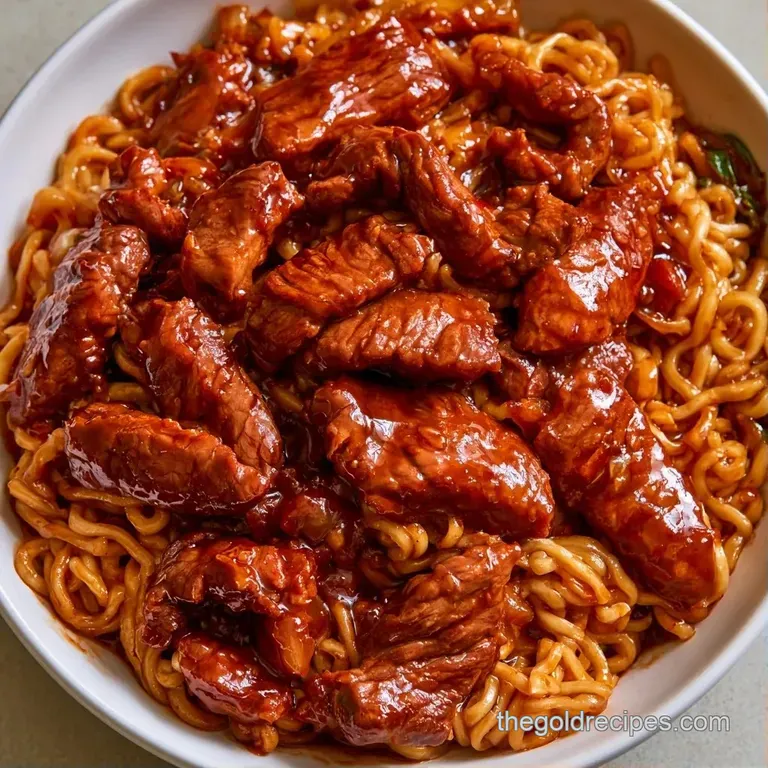
It's time to begin the cooking process. To get the best results, avoid crowding your pan; adding too much beef at once lowers the heat, causing the meat to steam rather than sear.
- In a medium bowl, combine the sliced sirloin with 2 tbsp cornstarch and 1 tbsp soy sauce. Note: Ensure every piece is well coated for maximum tenderness.
- In a separate small bowl, whisk the low sodium soy sauce, honey, ginger, garlic, sesame oil, and red pepper flakes.
- Heat neutral oil in a skillet or wok over high heat until it shimmers.
- Place the beef in the pan in a single layer. Let it sear undisturbed for 2 minutes until a mahogany crust forms.
- Sauté the beef for an additional 1-2 minutes until browned, then transfer it to a plate and set aside.
- Cook the ramen noodles following the directions on the package.
- Drain the noodles 1 minute before they are done until they are al dente. Note: They will finish cooking in the sauce.
- Put the beef back into the skillet and pour over the prepared glaze.
- Simmer for 2-3 minutes until the sauce thickens and bubbles.
- Fold in the cooked noodles, stirring until completely coated in the Mongolian Beef Ramen sauce. Garnish with sesame seeds and green onions.
Fixing Common Issues
Even the best plans can hit a snag. When making Mongolian Beef Ramen, the most common issues usually involve the sauce or the texture of the meat.
Fixing a Thin Sauce
If your sauce is too runny, don't keep adding honey. Instead, let it simmer for an extra 60 seconds. The heat will evaporate the excess water and concentrate the sugars. If it's still too thin, whisk 1 tsp of cornstarch with a splash of cold water and stir it in while the sauce is bubbling.
Solving Tough Beef
Tough meat usually happens for two reasons: slicing with the grain or overcrowding the pan. Always look for the lines of the muscle fibers and cut across them. If you have a lot of beef, cook it in two batches. This ensures the pan stays hot and the meat sears rather than steams.
Preventing Mushy Noodles
Ramen noodles can go from al dente to mush in seconds. The trick is the early drain. By pulling them off the heat a minute early, they stay firm when they hit the hot sauce. If you're prepping these for later, undercook them even more.
Storage and Leftovers
You can keep Mongolian Beef Ramen in a sealed container in the fridge for 3 days. The noodles will soak up some of the sauce over time, so it becomes more of a thick, concentrated dish than a loose stir fry.
To reheat, add a splash of water or a teaspoon of soy sauce before microwaving. This loosens the glaze and brings back that glossy look. I don't recommend freezing this dish, as the ramen noodles often lose their texture and become grainy after thawing.
For zero waste, save any leftover green onion stems. I chop them up and throw them into a freezer bag to use as a base for the next soup or stir fry I make.
Sides That Fit
This is a hearty meal on its own, but a few sides can balance the richness. Steamed broccoli or snap peas add a necessary crunch and freshness. A simple side of sliced cucumbers with rice vinegar and a pinch of sugar cuts through the sweetness of the honey glaze.
If you're serving this to a crowd and want something more substantial, a side of jasmine rice is a classic choice. For something different, try pairing it with my Crockpot Taco Soup if you're doing a "fusion" night with the family.
Tweak the Taste
Now that you've mastered the basic Mongolian Beef Ramen, feel free to experiment with the flavors. This dish is wonderful because it easily adapts to whatever ingredients you have in your pantry.
The Ground Beef Alternative If you're short on time or working with a tight budget, substitute the sirloin with ground beef. Just brown the meat first, drain off the excess grease, and then follow the sauce instructions. While less formal, it's just as satisfying for a Tuesday night meal.
A Spicy Szechuan Twist For those who prefer more heat, stir a tablespoon of chili garlic sauce or a splash of Szechuan peppercorn oil into the glaze. This transforms the Mongolian Beef Ramen into a bolder dish with the signature numbing sensation found in regional Chinese cuisine.
The Garden Boost Add baby corn, bell peppers, or sliced carrots during the final 2 minutes of searing the beef. This introduces more color and nutrients without altering the core taste of the recipe.
The gluten-free Option Swap the soy sauce for coconut aminos or tamari, and use ramen noodles crafted from buckwheat or brown rice. The flavor remains nearly identical, making it easy to accommodate every dietary need at the table.
That covers the entire process. The key to Mongolian Beef Ramen is the contrast between the intense heat and the sticky, salty sweet glaze. It's a reliable and affordable way to serve a family meal that feels gourmet despite the minimal effort.
Don't skip the sirloin and cornstarch combination. That is the secret to achieving meat that melts in your mouth rather than something chewy. Once you notice that deep mahogany crust forming in your pan, you'll know you've nailed it.
The ultimate reward is seeing empty bowls. When the Mongolian Beef Ramen is gone in ten minutes, you know the honey and ginger balance was perfect. Now, get that pan screaming hot and start cooking.
High in Sodium
1125 mg 1,125 mg of sodium per serving (49% 49% of daily value)
The American Heart Association recommends a daily sodium limit of 2,300 mg, with an ideal limit of 1,500 mg for most adults to reduce the risk of cardiovascular disease.
Tips to Reduce Sodium
-
Swap Soy Sauce for Coconut Aminos-30%
Replace both the regular and low-sodium soy sauce with coconut aminos, which typically contain significantly less sodium while maintaining a similar savory profile.
-
Choose Low-Sodium Ramen-20%
Select salt free ramen noodles or substitute with brown rice noodles to avoid the hidden sodium often found in processed dried noodles.
-
Add Acidic Brightness-15%
Add a squeeze of fresh lime juice or rice vinegar to the sauce; the acidity mimics the 'bite' of salt, allowing you to use less soy sauce.
-
Dilute the Sauce-10%
Mix the low-sodium soy sauce with water or a splash of unsalted beef broth to maintain volume while reducing the concentration of salt.
-
Boost Aromatics
Increase the amount of fresh ginger, garlic, and red pepper flakes to enhance the overall flavor profile without adding any extra sodium.
Recipe FAQs
Why does the beef feel chewy?
Slice the steak against the grain. This breaks up the muscle fibers for a more tender bite.
How to prevent the noodles from getting mushy?
Drain them one minute before the package instructions suggest. This keeps them al dente so they don't overcook when tossed in the glaze.
Is it true that you must have a wok to get a proper sear?
No, and here's why. A heavy skillet works just as well as long as you use high heat until the oil shimmers.
Which method works best for reheating?
Add a splash of water or soy sauce before microwaving. This loosens the thickened glaze and restores the glossy texture.
Could this be a hearty dinner option for fall?
Yes, it's a comforting choice for cooler weather. If you want another warm meal, try the richness of a potato soup.
Mongolian Beef Ramen