Texas Sheet Cake Recipe with Pecans: Fudgy & Velvety
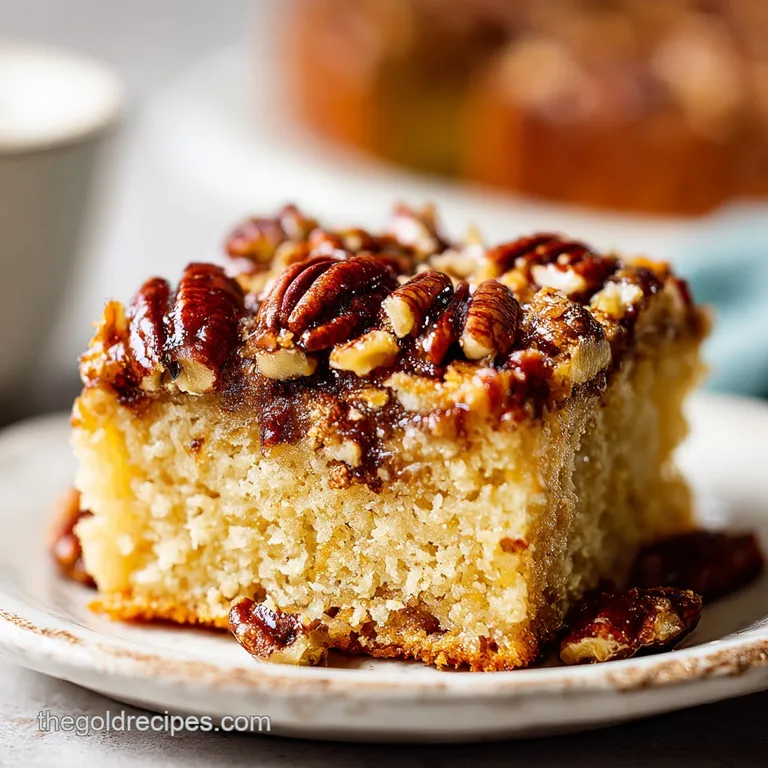
- Time: Active 15 minutes, Passive 20 minutes, Total 35 minutes
- Flavor/Texture Hook: Fudgy, velvety chocolate sponge with a crackling, nutty glaze
- Perfect for: Large gatherings, potlucks, and anyone who needs a reliable crowd pleaser
- Master This Texas Sheet Cake Recipe With Pecans
- The Physics of the Fudgy Crumb
- Ingredient Analysis and Component Deep Dive
- Necessary Tools for Cake Success
- Step by Step Method for Success
- Solving Common Texture and Flavor Issues
- Creative Flavor Variations and Swaps
- Storage and Zero Waste Kitchen Tips
- Perfect Pairings and Serving Ideas
- Kitchen Myths Debunked
- Troubleshooting Common Issues
- Recipe FAQs
- 📝 Recipe Card
Master This Texas Sheet Cake Recipe With Pecans
The first time I saw the butter and water hit a rolling boil in a saucepan for a cake, I thought it was a mistake. Most cakes start with "cream the butter and sugar," but this recipe is a total kitchen rebel. As the cocoa hits that boiling liquid, the aroma of dark chocolate blooms and fills every corner of the house.
It's a heady, rich scent that signals something much more intense than your standard boxed mix is about to happen.
I’ve spent years decoding why this specific method works so well compared to traditional sponge cakes. We aren't just mixing ingredients here, we’re managing a series of chemical reactions.
When you pour that hot, shimmering chocolate batter into a wide sheet pan, it spreads thin, ensuring every square inch gets perfectly baked without the dry edges you find in deeper pans. It’s a viral classic for a reason, but we’re going to look at the chemistry that makes it truly elite.
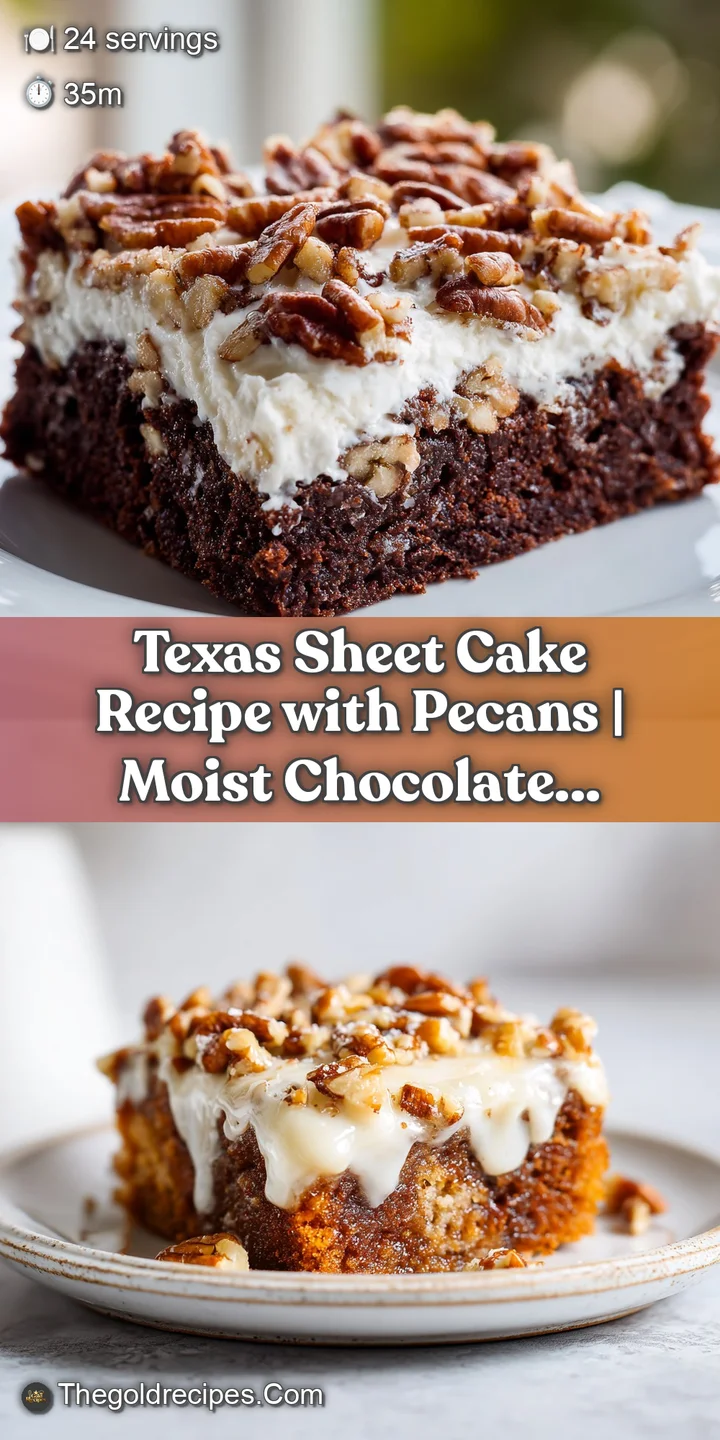
This cake is all about the "hot on-hot" finish. You’re going to pour boiling frosting over a cake that’s still radiating heat from the oven. This creates a thin, fudgy layer where the cake and frosting meet, effectively sealing in the moisture.
Trust me on this, once you see that frosting set into a shiny, crackly shell studded with toasted pecans, you’ll never go back to room temperature buttercream again.
The Physics of the Fudgy Crumb
To understand why this cake has such a unique, silky texture, we have to look at how we treat the fats and proteins. This isn't just about mixing, it's about hacking the molecular structure of the flour and cocoa.
- Bloom Reaction: Boiling the water and butter with cocoa powder "blooms" the chocolate, dissolving solids to release fat soluble flavor compounds that stay trapped in cold mixing.
- Gluten Suppression: Adding boiling liquid to the flour mixture partially gelatinizes the starches, which limits long chain gluten development and results in a more tender, velvety bite.
- Acid Base Lift: The 1/2 cup of buttermilk provides the necessary acidity to react instantly with the 1 tsp of baking soda, creating a micro bubble structure that prevents the thin cake from becoming a dense brick.
- Interface Fusion: Pouring hot frosting onto a hot cake allows a small amount of frosting to seep into the top pores of the sponge, creating a transitional "fudge layer" that is chemically distinct from both the cake and the glaze.
| Comparison Metric | Fast Method (This Recipe) | Classic Creaming Method |
|---|---|---|
| Mixing Time | 5-7 minutes (one bowl) | 15-20 minutes (multiple bowls) |
| Fat State | Melted/Liquid | Aerated/Solid |
| Crumb Texture | Tight, silky, and moist | Airy, fluffy, and crumbly |
Ingredient Analysis and Component Deep Dive
Every ingredient in this texas sheet cake recipe with pecans has a specific job in our edible laboratory. If you are into high impact desserts, you might find this similar to the decadence in my Better Than Sex recipe. We are looking for maximum flavor extraction with minimum effort.
| Component | Science Role | Pro Secret |
|---|---|---|
| Unsalted Butter | Fat source for moisture and flavor carrier. | Use high-quality butter with 82% fat for a richer mouthfeel. |
| Buttermilk | Acidic tenderizer and leavening activator. | Real buttermilk is better than the "lemon and milk" hack for viscosity. |
| Unsweetened Cocoa | Provides structural solids and deep chocolate notes. | Sift it into the boiling water to prevent stubborn "cocoa bombs." |
| Toasted Pecans | Adds texture and cuts the sweetness with fat/tannins. | Toast them for 5 minutes at 350°F before adding to the frosting. |
Essential Ingredients and Potential Swaps
- 2 cups All Purpose Flour: Provides the structure.
- Substitute: 1:1 gluten-free flour blend (ensure it has xanthan gum). Why this? AP flour provides the middle ground protein content needed for a soft sheet cake.
- 2 cups Granulated Sugar: Sweetness and moisture retention.
- Substitute: Caster sugar for faster dissolution in the dry mix.
- 1 cup Unsalted Butter (for cake): The primary fat.
- Substitute: Salted butter (just omit the 1/2 tsp salt from the recipe).
- 1 cup Water: The hydration agent.
- Substitute: Strong brewed coffee to intensify the chocolate profile. Why this? Hot liquid is essential to melt the butter and bloom the cocoa powder.
- 1/4 cup Unsweetened Cocoa Powder (for cake): Flavor and color.
- Substitute: Dutch processed cocoa for a darker, mellower taste.
- 1/2 cup Buttermilk: The acid needed for the rise.
- Substitute: Plain yogurt thinned with a little milk.
- 2 Large Eggs: Binding and structure.
- Substitute: 1/2 cup unsweetened applesauce (results in a denser cake).
- 1 tsp Baking Soda: The leavening agent.
- Substitute: None (baking powder won't react the same with buttermilk).
- 1 tsp Vanilla Extract (for cake): Flavor enhancer.
- Substitute: Vanilla bean paste for more visual "specks" and depth.
- 1/2 tsp Salt: Balances the sugar.
- Substitute: Sea salt for a sharper flavor contrast.
- 1/2 cup Unsalted Butter (for frosting): The base of the glaze.
- Substitute: Ghee for a nuttier, more intense buttery finish.
- 1/4 cup Unsweetened Cocoa Powder (for frosting): The frosting color.
- Substitute: Dark cocoa powder for a "midnight" look.
- 6 tbsp Whole Milk: The liquid for the glaze.
- Substitute: Heavy cream for a thicker, more ganache like frosting.
- 3 cups Confectioners’ Sugar: The structure of the frosting.
- Substitute: None (granulated sugar will remain gritty).
- 1 tsp Vanilla Extract (for frosting): Aromatic finish.
- Substitute: Almond extract (use only 1/4 tsp) for a wedding cake vibe.
- 1 cup Chopped Pecans: The signature Texas crunch.
- Substitute: Toasted walnuts or slivered almonds.
Necessary Tools for Cake Success
You don't need a high end laboratory to make this, but a few specific tools will make the process seamless. For a cooler contrast at your next party, I often serve this alongside a Magnolia Bakery Banana recipe.
- 18x13 Inch Rimmed Baking Sheet: Also known as a "half sheet pan." This provides the surface area required for the 20 minute bake.
- Medium Saucepan: For boiling the butter, water, and cocoa. A heavy bottomed pan prevents the butter from scorching.
- Large Mixing Bowl: To whisk the dry ingredients together before the "hot on-dry" integration.
- Fine Mesh Sieve: Absolutely mandatory for the confectioners' sugar. Lumps in the frosting are the enemy.
- Whisk: For emulsifying the batter and ensuring the frosting is silky.
Chef's Tip: Freeze your pecans for 10 minutes before chopping. This prevents the natural oils from turning the nuts into a paste, giving you clean, distinct pieces that don't vanish into the glaze.
step-by-step Method for Success
Follow these steps with precision. The timing of the frosting is the most critical part of the entire operation.
- Preheat your oven to 350°F (180°C) and grease your 18x13 inch sheet pan thoroughly. Note: This prevents the delicate sponge from sticking to the corners.
- Whisk the 2 cups flour, 2 cups sugar, and 1/2 tsp salt in a large bowl. Make sure there are no large sugar clumps.
- In a saucepan, combine 1 cup butter, 1 cup water, and 1/4 cup cocoa. Bring to a full rolling boil at 212°F.
- Pour the boiling mixture over the dry ingredients. Whisk until just combined. Note: The heat will start to dissolve the sugar immediately.
- Stir in the 1/2 cup buttermilk, 2 eggs, 1 tsp baking soda, and 1 tsp vanilla. Whisk until the batter is velvety and smooth.
- Pour into the prepared pan and bake for exactly 20 minutes until the center springs back.
- While the cake bakes, start the frosting about 5 minutes before the timer goes off.
- Boil the 1/2 cup butter, 1/4 cup cocoa, and 6 tbsp milk in a clean saucepan. Remove from heat as soon as it bubbles.
- Whisk in the 3 cups sifted confectioners' sugar and 1 tsp vanilla. The mixture should be glossy and pourable.
- Fold in the toasted pecans and pour the hot frosting over the hot cake immediately. Spread quickly before it begins to set.
Solving Common Texture and Flavor Issues
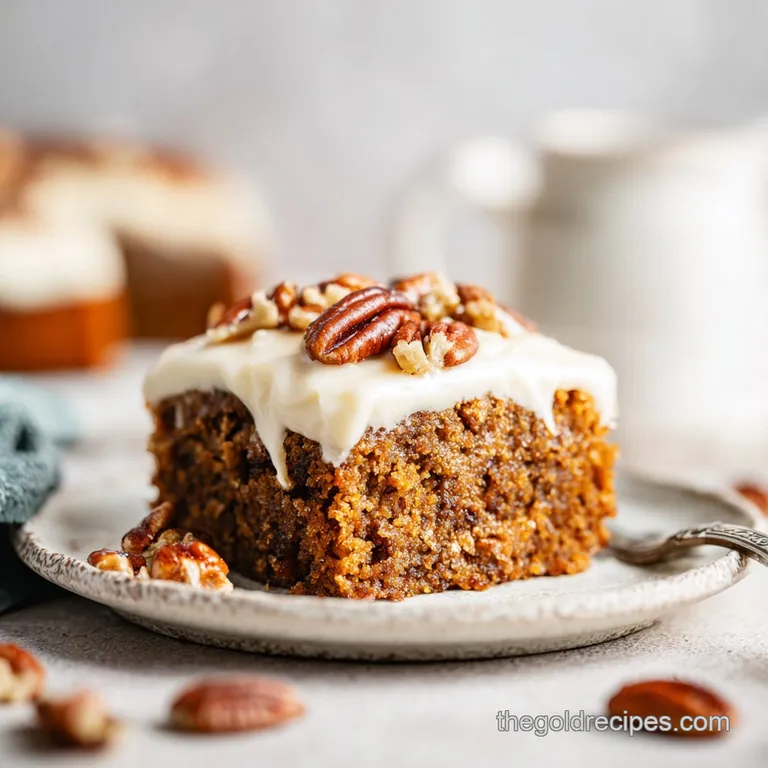
Even a hacker makes mistakes. The "hot on-hot" technique can be temperamental if the ratios are off. But what about the sogginess? We'll get to that.
Why Your Cake Texture Failed
If your cake feels rubbery, you likely over mixed once the flour met the hot liquid. If it's too dry, those 20 minutes were likely 25. Precision is everything in this recipe.
| Problem | Root Cause | Solution |
|---|---|---|
| Grainy Frosting | Confectioners' sugar wasn't sifted or whisked enough. | Sift twice and whisk vigorously while the liquid is still boiling hot. |
| Soggy Center | Oven temp was too low or pan was too small. | Use an 18x13 pan and verify oven temp with an external thermometer. |
| Nuts Sinking | Frosting was too thin or poured too cold. | Boil the frosting liquid properly and pour while the cake is 200°F+. |
Common Mistakes Checklist
- ✓ Never skip sifting the powdered sugar; even small lumps will be visible in the thin glaze.
- ✓ Don't let the cake cool before frosting; the "fusion layer" requires both to be hot.
- ✓ Ensure the baking soda is fresh; test it with a drop of vinegar before starting.
- ✓ Avoid using a glass baking dish; the thermal conductivity is different and the edges will burn.
- ✓ Toast the pecans; raw pecans lack the structural "shatter" that makes this dish famous.
Creative Flavor Variations and Swaps
Scaling this recipe requires a bit of math. If you want to cut it in half, use a 9x13 pan, but reduce the bake time by about 3-5 minutes because the batter will be slightly thicker.
If you are scaling up for a wedding or huge event, bake in separate batches rather than trying to use a massive industrial pan, as the heat distribution becomes unpredictable.
- The "Espresso Sheet Cake": Replace the 1 cup of water with 1 cup of strong, hot espresso. It doesn't make it taste like coffee, but it makes the chocolate taste "expensive."
- The Spicy Texan: Add 1/2 tsp of cinnamon and a tiny pinch of cayenne to the dry ingredients for a Mexican Hot Chocolate vibe.
- Salted Caramel Version: Drizzle a little homemade salted caramel over the frosting before it sets, then sprinkle with flaky sea salt.
| Modification | Ingredient Change | Outcome |
|---|---|---|
| Mexican Chocolate | Add 1 tsp Cinnamon | Warmer, spiced flavor profile. |
| Darker Sponge | Use Black Cocoa | Oreo like flavor and deep black color. |
| Nut Free | Swap Pecans for Toffee Bits | Keeps the crunch without the allergens. |
Storage and Zero Waste Kitchen Tips
Storing this cake is easy because the sugar content in the frosting acts as a natural preservative, keeping the sponge underneath incredibly moist.
Fridge and Freezer: You can keep this at room temperature for up to 3 days in an airtight container. In the fridge, it lasts 7 days, but the frosting might lose its "shatter" and become slightly soft.
For long term storage, freeze individual squares on a baking sheet, then wrap them in parchment and foil. They’ll stay perfect for 3 months.
Zero Waste Hack: If you have leftover crumbs or broken pieces from the edges, don't toss them. Pulse them in a blender with a spoonful of cream cheese to make "Texas Cake Pops." Alternatively, fold the leftover crumbs into vanilla ice cream for a homemade "Chocolate Pecan Sheet Cake" flavor.
If you toasted too many pecans, store them in a jar with a little cinnamon and sugar for a quick snack later.
Perfect Pairings and Serving Ideas
This cake is heavy and rich, so you want to pair it with things that offer a bright or cold contrast. A simple scoop of high-quality vanilla bean ice cream is the classic choice because the heat of a freshly frosted square will slightly melt the ice cream, creating a makeshift sauce.
Right then, let's talk about the beverage side. A cold glass of whole milk is the traditional partner, but if you want to be a bit more sophisticated, a bitter black coffee or a glass of cold brew works wonders to cut through the 3 cups of sugar in that glaze.
For a party, I love serving it in small, 2 inch squares because it's so rich that a little goes a long way. Trust me, people will keep coming back for "just one more little piece" until the pan is empty.
Kitchen Myths Debunked
One common myth is that you must cream the butter to get a soft cake. In this "hacker" version, we prove that boiling the fat actually creates a finer, tighter crumb that holds moisture better than aerated cakes.
Another misconception is that the buttermilk is just for flavor. In reality, without the acidity of the buttermilk, the baking soda would have nothing to react with, leaving you with a flat, soapy tasting chocolate cracker. The chemistry of the rise depends entirely on that acidic trigger.
Finally, people often think you can't freeze sheet cake. Because of the high fat and sugar content, this cake actually survives the freeze thaw cycle better than almost any other dessert in my repertoire.
Troubleshooting Common Issues
| Issue | Solution |
|---|---|
| The frosting need to be boiled | Yes. Boiling the butter, milk, and cocoa creates a stable emulsion. If you just melt them together, the frosting will be greasy and won't develop that signature thin, crackly crust that makes a Texas |
| Why is it called a "Sheet Cake" | The name comes from the pan it's baked in a rimmed baking sheet or jelly roll pan. This creates a high surface area to volume ratio, allowing the cake to bake incredibly fast (20 minutes) and ensuring |
| Use natural cocoa powder instead | The recipe calls for unsweetened cocoa powder, which is usually "natural." If you use Dutch processed, you might notice a slightly different rise because Dutch processed cocoa is less acidic than natu |
| Frosting falling off the cake | This usually happens if the cake has cooled down too much before the frosting is applied. The "hot on-hot" method ensures the frosting bonds to the top layer of the sponge. If the cake is cold, the fr |
Frequently Asked Questions
Can I make this cake in a 9x13 pan instead?
Yes, you can use a 9x13 inch baking pan, but the cake will be significantly thicker. You will need to increase the baking time to 30-35 minutes. Keep in mind that the ratio of frosting to cake will change, and you might want to poke holes in the cake before frosting to help the glaze soak into the deeper sponge.
Why did my pecans sink to the bottom of the frosting?
This usually happens if the frosting is too thin or if it's poured while too hot and runny. To prevent this, ensure you use the full 3 cups of confectioners' sugar and let the frosting sit for about 60 seconds after whisking in the sugar before adding the pecans.
This allows it to thicken slightly so it can suspend the nuts.
Do I really need to use buttermilk?
Buttermilk is crucial for both the flavor and the chemical reaction with the baking soda. If you don't have it, you can make a quick substitute by adding 1/2 tablespoon of lemon juice or white vinegar to 1/2 cup of whole milk and letting it sit for 5 minutes.
However, real buttermilk provides a thicker consistency that results in a better crumb.
How do I get clean slices of sheet cake?
For the most beautiful squares, let the cake cool completely so the frosting can fully set into its crackly shell. Use a sharp knife and dip it in hot water, wiping it dry between every single cut. This prevents the fudgy frosting from sticking to the blade and tearing the delicate sponge.
Can I leave the pecans out or use a different nut?
Absolutely. If you have a nut allergy or simply don't like pecans, you can omit them entirely for a smooth chocolate glaze. You can also substitute them with toasted walnuts, chopped almonds, or even shredded coconut for a different textural experience.
Recipe FAQs
What is the difference between a sheet cake and a Texas sheet cake?
Yes, there is a major difference. A standard sheet cake is usually baked in a 9x13 inch pan and uses a room temperature creaming method for the batter. A true Texas sheet cake is baked thinner, often on an 18x13 half sheet pan, and uses a unique method where boiling liquid is mixed into the dry ingredients.
What is special about a Texas sheet cake?
The hot-on-hot application of the frosting is what makes it special. Pouring a boiling hot chocolate glaze over a still warm cake creates a unique, fudgy interface layer that melts slightly into the crumb, sealing in moisture.
What nuts go on Texas sheet cake?
Pecans are the traditional and recommended nut. They provide a rich, slightly buttery crunch that pairs perfectly with the deep chocolate flavor. Make sure you toast them first to maximize their flavor profile.
What is the secret to a moist sheet cake?
The secret is the blooming process involving boiling liquid. Adding boiling water, butter, and cocoa to the flour gelatinizes some starch, which results in a tighter, more velvety crumb structure less prone to drying out. If you enjoy maximizing moist textures, you might like the moisture locking principles we use in the Slow Cooker Cube recipe.
Can I substitute butter with oil in this recipe?
No, substituting oil will compromise the structure of the frosting. The frosting requires the butter to be boiled at a specific temperature to properly emulsify with the cocoa and sugar, creating the signature crackle. Oil cannot replicate this thermal process.
How do I prevent the frosting from becoming gritty?
Sift the confectioners' sugar thoroughly before incorporating it. Additionally, whisk the frosting ingredients vigorously while they are still hot from the stovetop. If you enjoy mastering fast, perfect textures, review our technique for achieving a flawless finish in our Ninja Creami Protein recipe, where temperature control is key.
Can I use regular milk instead of buttermilk?
No, you must use an acidic liquid. The buttermilk is necessary to activate the baking soda, which provides the primary lift in this thin cake batter. If you lack buttermilk, combine 1/2 cup of milk with 1/2 tablespoon of white vinegar or lemon juice and let it sit for five minutes.
Texas Sheet Cake With Pecans
Ingredients:
Instructions:
Nutrition Facts:
| Calories | 316 kcal |
|---|---|
| Protein | 2.6 g |
| Fat | 15.9 g |
| Carbs | 42.2 g |
| Fiber | 1.1 g |
| Sugar | 33.6 g |
| Sodium | 100 mg |
