Texas Roadhouse Seasoned Rice Copycat
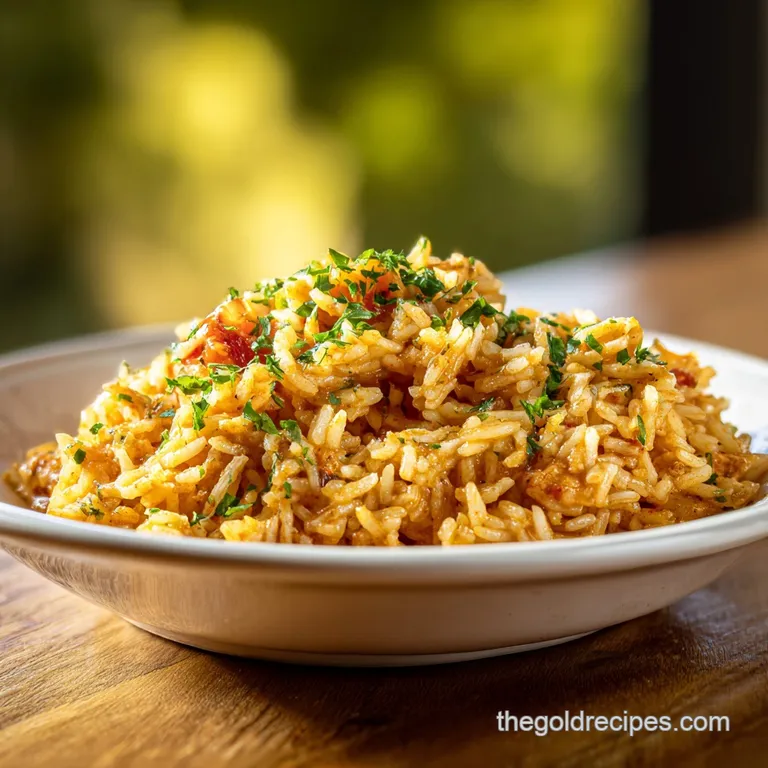
- Time: Active 5 minutes, Passive 20 minutes, Total 25 minutes
- Flavor/Texture Hook: Buttery, smoky, and perfectly fluffy
- Perfect for: Copycat steak nights, meal prep, or easy weeknight sides
- Master the Texas Roadhouse Seasoned Rice Recipe
- Essential Recipe Technical Specifications
- Sourcing the Best Rice Components
- Necessary Tools for Kitchen Success
- Step by Step Cooking Instructions
- Common Mistakes and Quick Fixes
- Smart Recipe Adjustments and Variations
- Storage and Zero Waste Tips
- Perfect Ways to Serve Rice
- Recipe FAQs
- 📝 Recipe Card
Master the Texas Roadhouse Seasoned Rice Recipe
We've all been there. You're sitting in a booth, the smell of fresh rolls in the air, but the real star is that little bowl of orange tinted rice hiding next to your steak. For years, I thought it was just "brown rice" or some secret boxed mix.
I tried making it at home by just dumping spices into boiling water, and honestly, it was a disaster. It was mushy, bland, and looked nothing like the restaurant version.
Then I started hacking the chemistry of the pilaf method. I realized the secret isn't just the spices; it's the fat and the toast. By treating the rice grains like tiny sponges that need to be sealed before they ever touch water, we get that distinct texture where every grain stands alone.
This isn't just a recipe; it's a decoded system for the ultimate steakhouse side. Trust me, once you see how the turmeric and smoked paprika react with the hot butter, you'll never go back to plain steamed rice again.
Essential Recipe Technical Specifications
The Starch Fat Encapsulation Theory: Coating each grain in hot butter before adding liquid creates a hydrophobic barrier that prevents excess starch from leaching out. This mechanism ensures the grains remain separate and velvety rather than clumping into a sticky mass.
- Maillard Reaction: Browning the minced onions and garlic in butter creates complex sulfur compounds that provide the "meaty" backbone of the flavor profile.
- Spice Volatilization: Heating the smoked paprika and cayenne in fat (blooming) releases fat soluble flavor molecules that water alone cannot extract.
- Hygroscopic Balance: Using beef broth instead of water introduces sodium and proteins that season the grain from the inside out during the hydration phase.
- Steam Management: The final rest period allows the internal moisture to redistribute, preventing the bottom layer from becoming soggy while the top stays dry.
| Method | Time | Texture | Best For |
|---|---|---|---|
| Stovetop | 25 minutes | Fluffy & distinct | Maximum control and speed |
| Oven (Covered) | 35 minutes | Uniformly tender | Large batches / hands off |
| Rice Cooker | 30 minutes | Softer & moist | Convenience over texture |
If you are looking for a more hands off meal to pair with this, you might enjoy my Unstuffed Cabbage Rolls recipe which uses a similar one pot philosophy.
Sourcing the Best Rice Components
| Ingredient | Science Role | Pro Secret |
|---|---|---|
| Long Grain White Rice | Structural starch | Rinse until the water is crystal clear to remove surface amylopectin. |
| Unsalted Butter | Lipid coating | Use high-quality butter for a richer mouthfeel and better emulsification. |
| Beef Broth | Protein rich hydration | Choose low sodium to control the final seasoning levels precisely. |
| Turmeric | Natural pigment | A tiny amount provides that iconic "sunset" glow without overpowering the flavor. |
The Aromatics and Fat
We start with 4 tablespoons of unsalted butter (about 57g). Do not swap this for oil if you want the authentic taste. The milk solids in the butter brown slightly, adding a nutty depth. The 1/4 cup of finely minced yellow onion needs to be almost a paste so it melts into the rice.
For the garlic, use 1 teaspoon of freshly minced cloves; the pre jarred stuff lacks the sharp allicin kick we need.
The Grain and Spices
For this Texas Roadhouse Seasoned Rice, we use 1 cup (approx. 185g) of long grain white rice. Rinsing is non negotiable. If you skip it, the excess starch will turn your pilaf into porridge.
Our spice blend is a precise mix: 1 teaspoon smoked paprika for depth, 1/2 teaspoon each of garlic and onion powder for layers of umami, and 1/4 teaspoon each of cayenne and turmeric. The turmeric is the hacker's secret for that golden color.
The Cooking Liquid
We use 2 cups (475ml) of low sodium beef broth. This provides a savory foundation that water simply can't match. 1 teaspoon of soy sauce adds the necessary glutamates for that "addictive" restaurant quality. Always have salt and black pepper on hand to adjust at the very end.
Necessary Tools for Kitchen Success
Chef's Tip: Freeze your butter for 10 minutes before dicing. This keeps it from melting too fast, allowing the onions to soften properly before the fat begins to smoke.
- Heavy Bottomed Skillet or Saucier: You need something with a tight fitting lid. A cast iron or heavy stainless steel pan distributes heat evenly, preventing "hot spots" that burn the rice at the bottom.
- Fine Mesh Strainer: Essential for rinsing the rice. You want to see clear water running through it.
- Silicone Spatula: Great for scraping the bottom of the pan to ensure no spices or garlic bits get stuck and bitter.
step-by-step Cooking Instructions
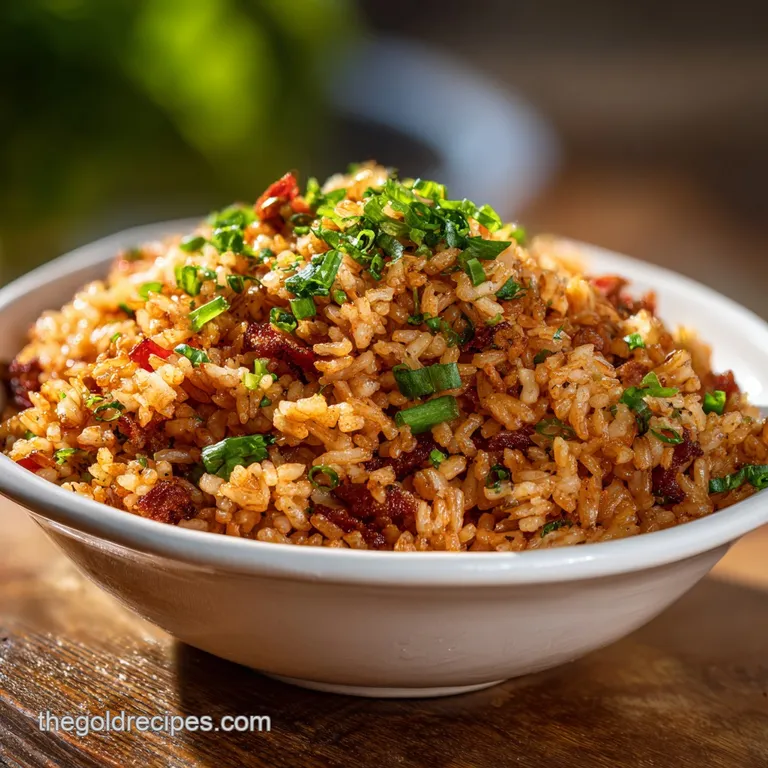
1. Sautéing the Flavor Foundation
In your heavy skillet, melt the 4 tablespoons of butter over medium heat. Add the 1/4 cup of minced yellow onion. Sauté for 3 to 4 minutes until the onions are translucent and fragrant. Do not let them brown too much; we want sweetness, not bitterness.
Add the 1 teaspoon of minced garlic in the last 30 seconds to avoid burning the delicate oils.
2. Toasting the Grains Correctly
Add the 1 cup of rinsed and drained rice to the butter mixture. Stir constantly for 2 to 3 minutes. Note: This step is the "secret" to separate grains. Watch for the rice to turn from translucent to an opaque, chalky white.
You should smell a faint popcorn like aroma as the starch toasts.
3. Blooming the Spice Blend
Sprinkle in the 1 teaspoon smoked paprika, 1/2 teaspoon garlic powder, 1/2 teaspoon onion powder, 1/4 teaspoon cayenne, 1/4 teaspoon turmeric, and 1/2 teaspoon dried parsley. Stir for 60 seconds until the spices smell intense and the oil turns bright orange.
This heat activation is vital for the flavor profile of this seasoned rice copycat.
4. Simmering to Al Dente
Pour in the 2 cups of beef broth and 1 teaspoon of soy sauce. Stir once to combine and scrape the bottom of the pan. Bring the mixture to a boil, then immediately drop the heat to the lowest possible setting. Cover the pan with a tight fitting lid.
Simmer for 15 to 18 minutes until all liquid is absorbed and small steam holes appear on the surface.
5. Mastering the Steam Rest
Remove the pan from the heat but do not open the lid. This is the hardest part. Let the rice sit, undisturbed, for 5 to 10 minutes. Note: This allows the moisture to equalize across all grains. After the rest, use a fork to gently fluff the rice, lifting from the bottom to the top to avoid mashing the grains.
Common Mistakes and Quick Fixes
Fixing Gummy or Mushy Rice
If your rice looks like a wet clump, you likely didn't rinse the grains enough or used too much liquid. To save it, spread the rice onto a baking sheet and pop it into a 150°C (300°F) oven for 5 minutes. This helps evaporate excess surface moisture.
Next time, ensure the water runs clear before the rice hits the pan.
Rectifying Crunchy Rice Grains
Crunchy rice happens when the heat was too high, evaporating the liquid before the grain could hydrate. If you find the center is still hard, add 2 tablespoons of hot broth, cover tightly, and let it sit on low heat for another 5 minutes. The steam will finish the job.
| Problem | Root Cause | Solution |
|---|---|---|
| Rice is pale | Spices didn't bloom | Sauté spices in fat for 60 seconds before adding liquid. |
| Bitter aftertaste | Garlic burned | Add garlic only in the last 30 seconds of sautéing. |
| Bottom is scorched | Heat too high | Use a heat diffuser or a heavier bottomed pan next time. |
Common Mistakes Checklist:
- ✓ Rinse the rice for at least 60 seconds under cold water (removes surface starch).
- ✓ Don't peek! Opening the lid lets vital steam escape and ruins the cook.
- ✓ Use a fork, not a spoon, to fluff the rice to keep the grains intact.
- ✓ Let it rest off the heat; the carryover cooking is what perfects the texture.
Smart Recipe Adjustments and Variations
| Original Ingredient | Substitute | Why It Works |
|---|---|---|
| Beef Broth (2 cups) | Chicken Broth (2 cups) | Lighter flavor profile. Note: Color will be more yellow than orange. |
| Long Grain White | Basmati Rice | Basmati is naturally less sticky and adds a floral note. |
| Butter (4 tbsp) | Ghee (4 tbsp) | Higher smoke point and even richer dairy flavor. |
Boosting the Total Protein
If you want to turn this side into a main dish, consider adding some sautéed ground beef or shredded rotisserie chicken. This pairs incredibly well with my Ground Beef Stroganoff recipe if you want a double beef flavor explosion. Just fold the protein in during the final fluffing stage.
Creating a Vegan Version
To make this plant based, swap the butter for a high-quality vegan butter substitute (olive oil works but lacks the creamy mouthfeel). Use a rich vegetable stock or "no beef" bouillon base. Replace the soy sauce with tamari for a gluten-free option, though the rice itself is naturally gluten-free.
Storage and Zero Waste Tips
- Fridge
- Store leftovers in an airtight container for up to 4 days. When reheating, add a splash of water or broth to restore moisture.
- Freezer
- This rice freezes beautifully for up to 3 months. Freeze in flat freezer bags to save space and allow for faster thawing.
- Zero Waste
- If you have leftover rice that’s a bit dry, don't toss it. It makes the absolute best base for a "Steakhouse Fried Rice." Sauté it with some leftover steak bits, an egg, and a dash more soy sauce. You can also use the onion and garlic scraps to start a homemade veggie stock bag in your freezer.
For another quick weeknight option that uses similar savory notes, try my Savory Cabbage Hamburger recipe.
Perfect Ways to Serve Rice
This dish is designed to be the ultimate companion to a heavy protein. The acidity from the smoked paprika and the richness of the butter cut through the fat of a ribeye or sirloin perfectly. I love serving it in a small, heated bowl to keep it warm throughout the meal.
- 1. Toasting
- 3 minutes or until opaque.
- 2. Simmer
- Exactly 15 minutes at the lowest setting.
- 3. Rest
- 5 minutes, lid on, heat off.
- If you want a Smokier Punch
- Add 1/2 teaspoon of liquid smoke to the broth.
- If you want Extra Heat
- Increase the cayenne to 1/2 teaspoon.
- If you want Herbal Notes
- Stir in fresh chopped cilantro or parsley just before serving.
Myths About Restaurant Rice
Many people think restaurants use a secret chemical or a "magic" spice packet. The truth is much simpler: it's the pilaf method. A common myth is that you shouldn't wash rice because you lose nutrients.
In reality, the surface starch on white rice is what causes gummy textures, and washing is the only way to get that professional separation. Another myth is that you need a rice cooker for "perfect" rice.
A heavy pot with a tight lid actually allows for better flavor development through the initial sautéing and toasting phases that most basic rice cookers skip.
Recipe FAQs
What is in Texas Roadhouse seasoned rice?
Long grain white rice, butter, beef broth, and specific spices. The key components include smoked paprika, turmeric for color, onion and garlic powder, cayenne, and a touch of soy sauce for savory depth.
What kind of rice do they use at Texas Roadhouse?
They use long grain white rice. This specific variety is chosen because its starch structure holds up well to the pilaf toasting method, ensuring each grain remains separate and fluffy.
What does seasoned rice from Texas Roadhouse taste like?
It tastes savory, slightly smoky, and rich with a distinct buttery finish. The blend of beef broth and bloomed spices like smoked paprika gives it a flavor that is much deeper than typical steamed rice.
What is the seasoning Texas Roadhouse uses?
The primary seasoning profile relies on smoked paprika and turmeric for color. This is balanced with granulated onion, garlic powder, and a small amount of cayenne pepper for subtle heat.
Is it true that restaurant rice is always made with chicken stock instead of water?
No, this is a common misconception, especially for this specific rice. While some use chicken stock, the authentic copycat version relies heavily on beef broth to achieve that deeper, almost meaty umami foundation that complements steakhouse sides.
Why is my homemade seasoned rice mushy and not fluffy like the restaurant version?
You likely skipped the crucial toasting step or failed to rinse the surface starch adequately. Toasting the dry rice in hot fat seals the grain, preventing starch leaching; mastering this technique is similar to the fat ratio logic used when making our Chicken Livers With recipe for proper texture control.
How do I achieve the signature bright yellow orange color in the rice?
Use a precise amount of ground turmeric when blooming the spices in the butter. Turmeric is a powerful natural dye; you only need about 1/4 teaspoon for the right hue without significantly altering the savory flavor profile.
Texas Roadhouse Seasoned Rice
Ingredients:
Instructions:
Nutrition Facts:
| Calories | 287 kcal |
|---|---|
| Protein | 4.6 g |
| Fat | 11.9 g |
| Carbs | 39.8 g |
| Fiber | 1.1 g |
| Sugar | 0.8 g |
| Sodium | 218 mg |
