Teriyaki Chicken Stir Fry: Silky Protein
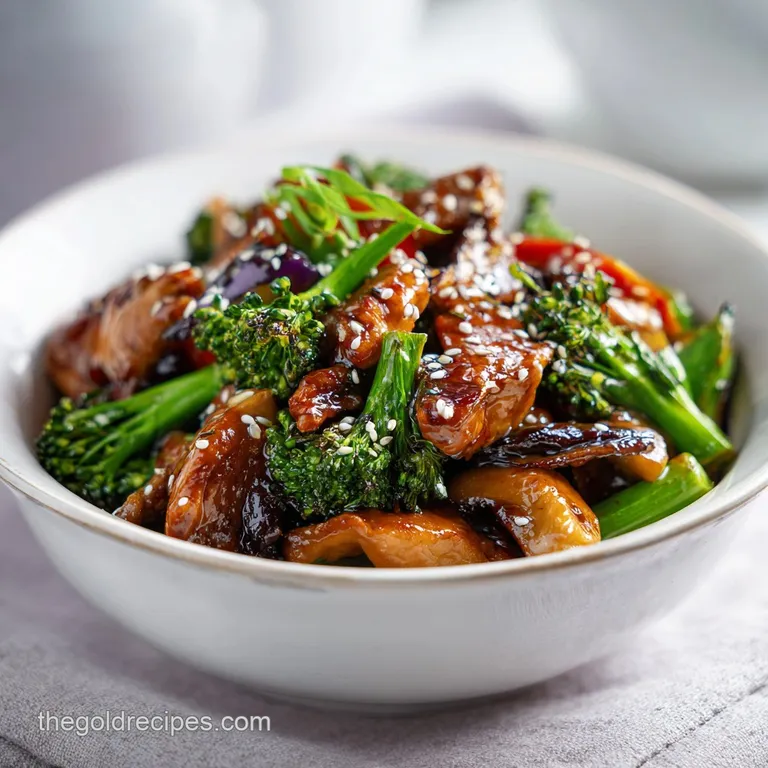
- Time: Active 15 minutes, Passive 15 minutes, Total 30 minutes
- Flavor/Texture Hook: Velvety chicken with a snap crisp vegetable finish
- Perfect for: High speed weeknight dinner or meal prep hackers
- The Science of Teriyaki Chicken Stir Fry
- Why This Works
- Component Analysis and Ingredient Roles
- Elements for the Stir Fry
- Step by Step Execution Guide
- Preventing Failures and Fixing Errors
- Adaptation Strategies and Ingredient Swaps
- Debunking Kitchen Myths
- Preservation and Waste Reduction
- Visual Aesthetics and Final Touches
- Critical High in Sodium
- Recipe FAQs
- 📝 Recipe Card
The Science of Teriyaki Chicken Stir Fry
The first time I attempted this, I ended up with what I can only describe as "gray sludge." The chicken was tough, the broccoli was mushy, and the sauce was a watery mess. It was a classic failure of thermodynamics.
I had overcrowded the pan, causing the temperature to plummet, which meant the chicken steamed in its own juices rather than searing. If you've ever wondered why your home version doesn't have that "shatter" and "silk" contrast of a restaurant dish, it’s usually because of pan crowding and poor moisture control.
To fix this, we have to look at the chemistry of the protein. Most home cooks skip the "velveting" phase, which is a massive mistake. By coating the chicken in a small amount of cornstarch and acid, we create a protective barrier that prevents the muscle fibers from tightening up too much when they hit the heat.
We are essentially hacking the protein denaturation process.
This recipe is designed to prevent those common failure modes. We are going to use a two stage starch application and a specific vegetable entry order based on water content and fiber density. It’s not just about tossing things in a pan, it’s about managing the heat curve and the evaporation rate.
Once you understand the physics of the sizzle, you'll never go back to the "dump and hope" method.
Why This Works
- Starch Gelatinization: The cornstarch in the sauce undergoes a phase transition at 62°C to 70°C, where the granules swell and burst, creating a viscous mesh that transforms thin liquid into a glossy, clingy glaze.
- Alkaline Buffering: Using mirin provides a subtle pH shift that helps the exterior of the chicken brown more rapidly through the Maillard reaction without overcooking the interior.
- Thermal Mass Management: Searing the chicken in batches ensures the pan stays above 200°C, preventing the chicken from "weeping" moisture and turning tough.
- Osmotic Balance: The high sodium content in the soy sauce seasoned with sugar creates an osmotic pull that helps the sauce penetrate the outer layers of the meat quickly during the final glaze.
| Aspect | Fresh Method | Shortcut (Bottled) | Impact |
|---|---|---|---|
| Aromatics | Fresh grated ginger/garlic | Jarred paste | Fresh has volatile oils that provide "zing" |
| Thickener | Adjusted cornstarch slurry | Xanthan gum/fillers | Slurry provides a cleaner, more velvety mouthfeel |
| Sugar Profile | Brown sugar (molasses notes) | High fructose corn syrup | Brown sugar adds depth and better caramelization |
This comparison highlights why we bother making a homemade teriyaki chicken stir fry sauce from scratch. The control over the sugar to acid ratio is the difference between a cloying, syrupy mess and a balanced, savory sweet finish. If you want to experiment with other proteins, this sauce technique is similar to the logic I use in my Chicken Livers With recipe, where balancing salt and viscosity is everything.
Component Analysis and Ingredient Roles
| Ingredient | Science Role | Pro Secret |
|---|---|---|
| Cornstarch | Moisture barrier/Thickener | Use half for "velveting" and half for the sauce slurry |
| Mirin | Surface gloss/Acidity | Provides the "mirror shine" seen in professional dishes |
| Ginger | Protease enzymes | Freshly grated ginger contains enzymes that help tenderize chicken |
| Brown Sugar | Caramelization agent | The molasses content lowers the burning point for better color |
Elements for the Stir Fry
The following quantities are calibrated for the perfect surface area to sauce ratio. Don't eyeball the cornstarch, or you'll end up with a gummy texture.
- 680g boneless skinless chicken breast, sliced into thin strips Why this? Strips increase surface area for maximum Maillard reaction and glaze adhesion.
- 120 ml low sodium soy sauce Why this? Provides the savory base without overwhelming the dish with salt.
- 60 ml water Why this? Necessary to hydrate the starch before the evaporation process starts.
- 2 tbsp mirin Why this? Adds the essential shine and a mild sweetness.
- 3 tbsp brown sugar, packed Why this? The molasses depth balances the salt of the soy.
- 1 tsp toasted sesame oil Why this? High intensity aromatics that should never be used for frying.
- 2 tbsp cornstarch, divided Why this? 1 tbsp for the chicken coating, 1 tbsp for the sauce.
- 2 tbsp neutral oil (grapeseed or vegetable) Why this? High smoke point is non negotiable for a proper stir fry.
- 300g broccoli florets Why this? These act as "sauce sponges" to carry flavor.
- 1 red bell pepper, thinly sliced
- 1 medium carrot, julienned
- 3 cloves garlic, minced
- 1 tbsp fresh ginger, grated
Chef's Tip: Freeze your ginger for 10 minutes before grating. It prevents the ginger from turning into a stringy pulp and allows the grater to create a fine snow that dissolves instantly into the sauce.
step-by-step Execution Guide
- Prep the chicken. Toss the 680g of sliced chicken with 1 tbsp of cornstarch in a bowl. Note: This is the "velveting" hack that keeps the meat silky.
- Whisk the sauce. Combine 120 ml soy sauce, 60 ml water, 2 tbsp mirin, 3 tbsp brown sugar, 1 tsp sesame oil, and the remaining 1 tbsp cornstarch.
- Heat the pan. Add 1 tbsp neutral oil to a large skillet or wok over medium high heat until the oil is shimmering and wisps of smoke appear.
- Sear the chicken. Add half the chicken in a single layer. Cook for 3 minutes per side until golden and no longer pink. Remove and repeat with the second batch.
- Sauté the aromatics. Lower the heat slightly, add a splash of oil if needed, and stir in 3 cloves minced garlic and 1 tbsp grated ginger until fragrant (about 30 seconds).
- Flash cook the vegetables. Toss in 300g broccoli, sliced pepper, and julienned carrot. Cook for 4 minutes until colors are vibrant and edges are slightly charred.
- Combine ingredients. Return the cooked chicken and any accumulated juices back into the pan with the vegetables.
- Thicken the glaze. Give the sauce a quick re whisk (starch settles!) and pour it over the mixture.
- Finish the dish. Cook for 1-2 minutes until the sauce bubbles and transforms into a thick, glossy glaze.
- Final check. Remove from heat immediately once the sauce coats the back of a spoon to prevent over reduction.
Preventing Failures and Fixing Errors
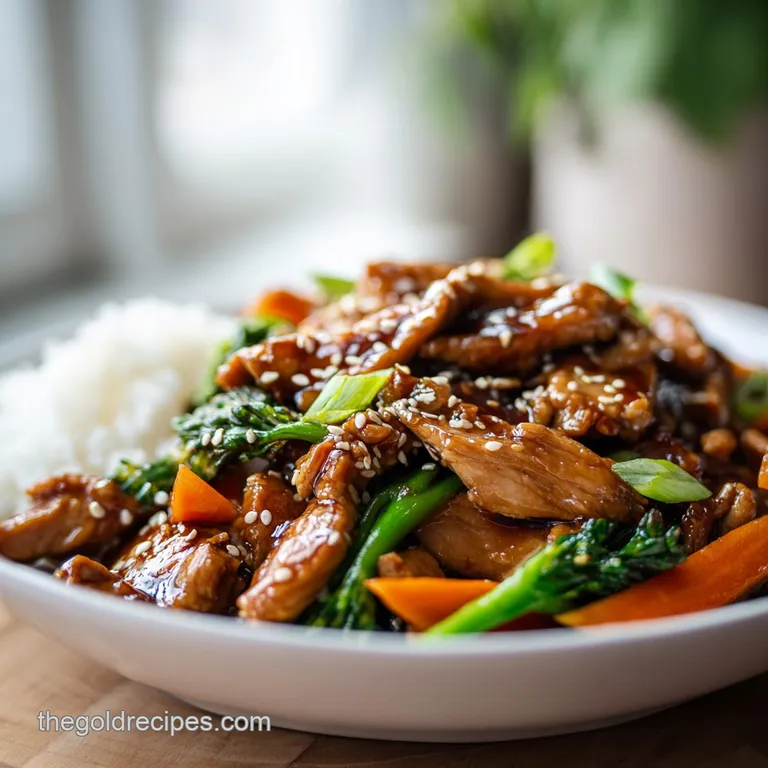
The biggest risk with an easy teriyaki chicken stir fry is the "water dump." This happens when the vegetables release their internal moisture too quickly, turning your stir fry into a soup.
This is why we sear the chicken first and remove it; it allows us to blast the vegetables at a temperature high enough to evaporate surface moisture instantly.
Why Your Stir Fry is Watery
If you notice a pool of liquid at the bottom, your heat was too low or your pan was too small. This is the "crowding" error I mentioned earlier. If it happens, don't keep cooking it you'll just turn the chicken into rubber.
What if the Sauce is Too Thick?
Sometimes, if the heat is too high, the water evaporates faster than the starch can stabilize. This results in a "clumpy" or "gluey" sauce.
| Problem | Root Cause | Solution |
|---|---|---|
| Rubbery Chicken | Overcooking or skipping velveting | Use the cornstarch coating and remove meat during veg stage |
| Mushy Vegetables | Steam cooking at low temp | Work in batches and use a high smoke point oil |
| Dull/Matte Sauce | Missing mirin or under hydrated starch | Add a splash of water and a teaspoon of honey or mirin |
Common Mistakes Checklist
- ✓ Pat chicken dry before the cornstarch toss. Extra surface moisture creates steam, not sear.
- ✓ Whisk the sauce again right before pouring. Cornstarch is heavy and sinks to the bottom of the bowl.
- ✓ Preheat the pan for at least 3 minutes. If it doesn't sizzle loudly the second meat hits, it's not ready.
- ✓ Don't over mince garlic. Tiny bits burn in seconds. Aim for a medium mince or thin slivers.
Adaptation Strategies and Ingredient Swaps
This teriyaki chicken stir fry dinner is highly adaptable. If you're looking for a higher protein hit, you might consider the techniques used in my Tender Fried Chicken recipe, though keep in mind the breading there is much heavier.
| Original Ingredient | Substitute | Why It Works |
|---|---|---|
| Soy Sauce | Tamari | Naturally gluten-free with a richer, darker color profile. |
| Brown Sugar | Honey | Adds a floral note. Note: Honey burns faster, so watch the heat. |
| Chicken Breast | Chicken Thighs | Higher fat content makes them more forgiving and flavorful. |
If you want a Teriyaki Chicken Stir Fry with Noodles, simply boil some udon or lo mein noodles separately and toss them in at step 9. You will likely need to increase the sauce volume by 50% to ensure the noodles are properly coated.
For a Teriyaki Chicken Stir Fry with Rice, I recommend a medium grain Calrose or Jasmine rice to soak up the extra glaze.
Scaling the Recipe
- Scaling Down (1-2 servings): Reduce all ingredients by half. Use a smaller pan to maintain the same "oil depth" and heat concentration.
- Scaling Up (8 servings): Do NOT double the salt/soy immediately. Increase liquids by 1.8x and spices/aromatics by 1.5x. Work in three or four batches for the searing phase to maintain pan temperature.
Debunking Kitchen Myths
- Myth: Searing "seals in" juices. This is scientifically false. Searing is about the Maillard reaction (flavor). Moisture loss actually increases at high temperatures, which is why we use the cornstarch "velveting" to provide a physical barrier against that loss.
- Myth: Wok hay is impossible at home. While you won't get the jet engine heat of a commercial kitchen, you can mimic the "breath of the wok" by getting a heavy carbon steel or cast iron pan screaming hot before adding oil.
Preservation and Waste Reduction
Storage: This quick teriyaki chicken stir fry holds up surprisingly well in the fridge for up to 4 days. The starch in the sauce will retrogradate (firm up) when cold, so it might look like jelly. This is normal.
Reheating: Avoid the microwave if possible; it turns the chicken into leather. Reheat in a pan with a tablespoon of water or chicken broth. The steam will re hydrate the starch molecules, making the sauce glossy again.
Zero Waste Tips:Broccoli Stems: Don't throw them out! Peel the woody outer layer and julienne the tender core. They have more "snap" than the florets. Ginger Scraps: If you have leftover ginger pieces, toss them into a freezer bag.
They are great for flavoring stocks or making a quick ginger tea.
Visual Aesthetics and Final Touches
The best teriyaki chicken stir fry should look like it's glowing. That "mirror glaze" is the hallmark of a correctly emulsified sauce. If yours looks a bit dull, a tiny dot of butter or a half teaspoon of sesame oil stirred in at the very end (off heat) can act as a finishing polish.
For a final pop of color, I always go for toasted sesame seeds and thinly sliced green onions cut on a sharp bias. The green provides a fresh, acidic contrast to the deep umami browns of the sauce. If you want a heat kick, a drizzle of chili crunch or a sprinkle of red pepper flakes adds a layer of complexity that the base sauce lacks. For those who love a more traditional, hearty vibe, this flavor profile is a great precursor to the deeper flavors found in a Chicken and Dumplings recipe.
Remember, the goal is "snap" in the veg and "silk" in the meat. If you hit those two targets, you've hacked the recipe successfully.
Critical High in Sodium
1580 mg mg of sodium per serving (69% of daily value)
The American Heart Association recommends limiting sodium intake to about 2,300mg per day for overall cardiovascular health.
Tips to Reduce Sodium in This Recipe
-
Reduce Soy Sauce-30%
The soy sauce is a major contributor to the sodium content. Try using 60 ml of very low sodium soy sauce (instead of 120 ml low sodium soy sauce) and increase the water to 120 ml to compensate for the flavor.
-
Dilute Soy Sauce-20%
If you don't have low sodium soy sauce, dilute the existing low sodium soy sauce (120ml) with an additional 60ml of water. This will reduce the sodium concentration, although flavor will also be reduced.
-
Enhance Flavor Naturally-10%
Boost the umami flavor with sodium free ingredients. Add a quarter teaspoon of mushroom powder to the sauce for a deeper, savory taste.
-
Acidic Boost-5%
A squeeze of lemon or lime juice at the end of cooking can brighten the dish and enhance the perception of saltiness, allowing you to further reduce sodium.
-
Spice It Up!
Experiment with sodium free herbs and spices like garlic powder, onion powder, ginger, black pepper, or red pepper flakes to add flavor without adding sodium. These enhance the dish's complexity.
Recipe FAQs
Can I use frozen chicken for this stir fry?
No, always use fresh or fully thawed chicken. Frozen meat releases too much water when cooking, which drops the pan temperature immediately, causing the chicken to steam instead of sear.
How to achieve the glossy, thick teriyaki glaze?
Whisk the cornstarch slurry thoroughly just before adding to the pan. The starch settles quickly at the bottom of the bowl, so a quick re-whisk ensures it incorporates properly to create a stable, glossy emulsion.
Is it true that you must sear the vegetables and chicken separately?
Yes, this is crucial for texture control. Searing chicken first and removing it prevents it from overcooking while the harder vegetables soften; adding them back later maintains the chicken’s tenderness.
How to make the chicken tender and not rubbery?
Coat the raw chicken in one tablespoon of cornstarch before cooking. This technique, known as "velveting," protects the protein fibers from tightening up too much under high heat, resulting in a silky texture.
Can I substitute brown sugar with white sugar in the sauce?
No, use brown sugar or honey for best results. Brown sugar contains molasses, which lowers the burning point and adds the necessary depth of flavor required for proper caramelization.
How do I adjust the sauce quantity if I am adding rice noodles?
Increase the total sauce volume by 50% when adding noodles. Noodles absorb liquid rapidly, and the extra volume ensures everything gets coated without drying out the final dish.
What is the best way to prepare vegetables that cook at different rates?
Add the densest vegetables first, followed by softer items. For example, carrots should go in before bell peppers, as they require more time to reach the desired crisp tender texture.
Teriyaki Chicken Stir Fry
Ingredients:
Instructions:
Nutrition Facts:
| Calories | 398 kcal |
|---|---|
| Protein | 41.2 g |
| Fat | 10.8 g |
| Carbs | 33.5 g |
| Fiber | 3.8 g |
| Sugar | 14.2 g |
| Sodium | 1580 mg |
