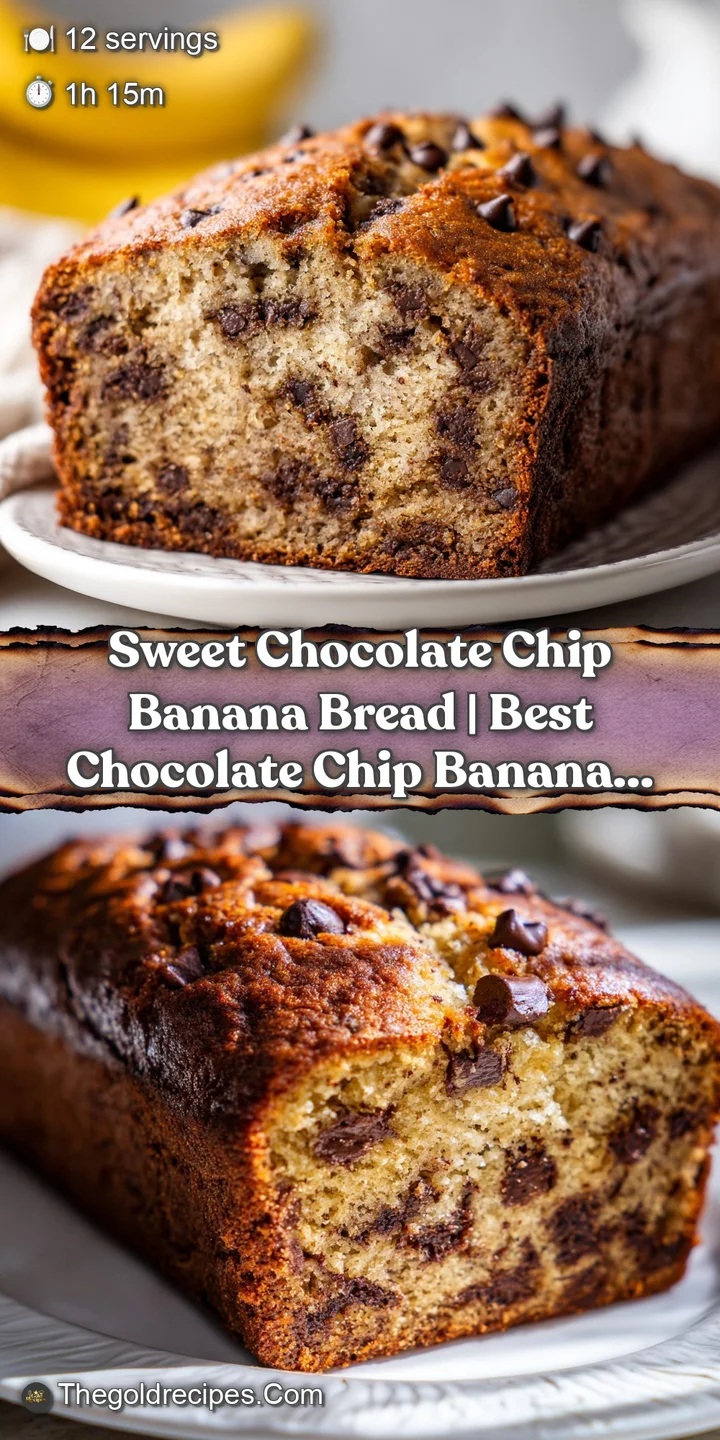
Sweet Chocolate Chip Banana Bread: a Scientific Masterpiece
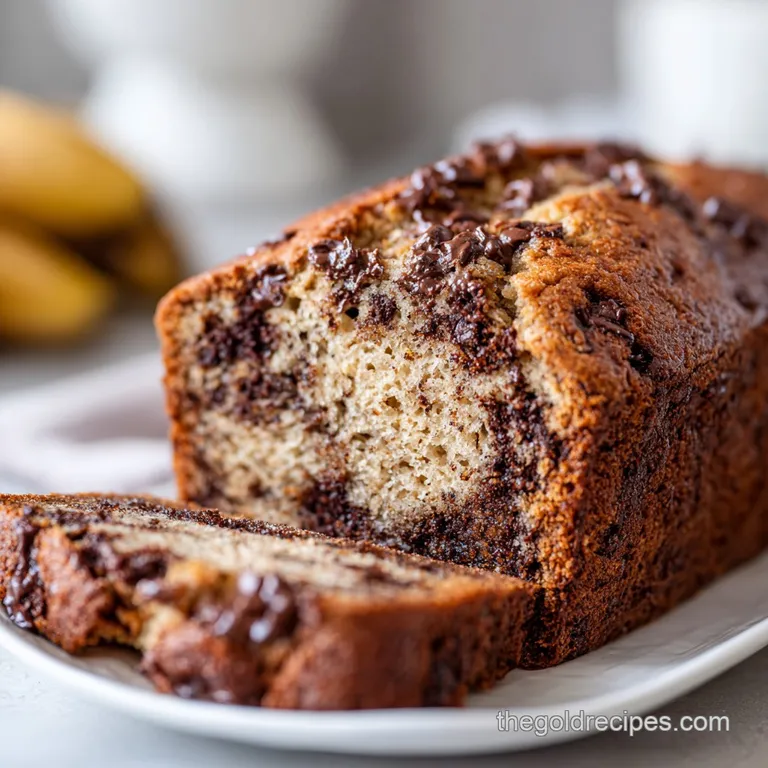
- Time: Active 15 minutes, Passive 60 minutes, Total 75 minutes
- Flavor/Texture Hook: A velvety, melt away crumb punctuated by molten chocolate shards
- Perfect for: High performance brunch hosting or tactical meal prep
- Mastering the Physics of Sweet Chocolate Chip Banana Bread
- How the Crumb Stays Velvety
- Critical Numeric Checkpoints for Your Baking Success
- Decoding the Molecular Composition of Your Elements
- Essential Hardware for Precise Heat Distribution
- Executing the Emulsification and Folding Sequence
- Debugging Your Crumb and Avoiding Structural Failure
- Architectural Modifications for Scaling and Texture
- Myth: You Must Mash Bananas Until Liquid
- Myth: Melted Butter and Oil are Interchangeable
- Preserving the Crumb and Repurposing Scraps
- Optimal Presentation Protocols for Every Slice
- Recipe FAQs
- 📝 Recipe Card
Mastering the Physics of Sweet Chocolate Chip Banana Bread
We've all encountered that specific kitchen disaster: a banana bread that looks perfect on the outside but reveals a gummy, rubbery, greyish interior once you slice into it. It’s a structural failure that usually stems from over mixing or an incorrect ratio of fruit moisture to flour.
I spent months hacking through different iterations of this viral classic because I couldn't stand the "heavy brick" syndrome that plagues most homemade versions. If your loaf feels like a wet sponge rather than a cloud like cake, we're going to fix that right now by decoding the actual mechanics of the batter.
This recipe is designed to be a technical fix for the common "sunken middle" and "tough crumb" problems. By introducing full fat Greek yogurt, we’re not just adding flavor; we’re manipulating the acidity levels to ensure the leavening agents react with maximum efficiency.
You’ll notice the crumb isn't just moist - it's velvety. We're looking for that specific shatter from the top crust while maintaining a tender internal matrix that holds the chocolate chips in a perfect, suspended state.
Forget the idea that any old mashed banana will do. We are going to treat the fruit as a hydration source that needs to be balanced against the starch. This isn't just about mixing things in a bowl; it’s about understanding how the proteins in the egg and the fats in the butter create a stable emulsion.
This specific method ensures that your sweet chocolate chip banana bread comes out with a consistent, reliable structure every single time you preheat that oven.
How the Crumb Stays Velvety
Acidic Activation: The lactic acid in Greek yogurt reacts instantly with the baking soda, creating a massive CO2 release that provides a significant lift, preventing a dense or "leaden" interior.
Enzymatic Breakdown: Using overripe bananas utilizes amylase enzymes which have already converted most starches into sugars, resulting in a naturally liquid like consistency that integrates into the batter without requiring heavy mixing.
Gluten Inhibition: The high fat content from the melted butter and yogurt coats the flour proteins, physically blocking them from bonding and forming tough gluten strands, which is why the texture remains so tender.
Hygroscopic Retention: Both granulated and brown sugars pull moisture from the air and the bananas, locking it into the crumb so the loaf doesn't dry out during the long 60 minutes bake time.
| Method | Time | Texture | Best For |
|---|---|---|---|
| Standard Oven | 60 minutes | Even crumb, thick crust | Traditional presentation |
| Mini Loaf Pans | 35 minutes | Crispy edges on all sides | Quick gifting or snacking |
| Muffin Tin | 22 minutes | High surface to interior ratio | Grab and-go portability |
Choosing the right pan is half the battle when you're aiming for that perfect bake. A standard 9x5 inch loaf pan provides enough depth for the center to stay moist while the edges caramelize, whereas smaller formats will give you more of that "muffin top" crunch.
Critical Numeric Checkpoints for Your Baking Success
Precision is the difference between a amateur loaf and a professional grade bake. I always use a digital scale to track my banana weight because "3 large bananas" is a variable that can fluctuate by 100 grams, which is enough to completely ruin your hydration ratio.
We want exactly 340 grams of mashed fruit to ensure the crumb doesn't turn into a gummy mess.
| Component | Science Role | Pro Secret |
|---|---|---|
| Overripe Bananas | Primary Hydrator | Mash until pea sized chunks remain for "moisture pockets." |
| Greek Yogurt | Protein Stabilizer | Use full fat only to prevent the crumb from becoming rubbery. |
| Baking Soda | Chemical Leavener | Sift to avoid metallic "pockets" of unreacted powder. |
Chef Science Note: Always ensure your egg is at room temperature. A cold egg can cause your melted butter to seize up and clump, which breaks the emulsion and leads to an uneven, greasy texture in the finished bread.
If you find yourself running low on Greek yogurt, you can actually utilize the science of fat and acid by checking out my Chocolate Protein Ice Cream which uses similar dairy principles to achieve a silky mouthfeel.
Decoding the Molecular Composition of Your Elements
Sourcing the right ingredients is the first step in hacking this recipe for a viral worthy result. We aren't just looking for sweetness; we're looking for the chemical reactions that happen when these specific items meet heat.
- 3 large overripe bananas (340g): Look for skins that are nearly black. This indicates the starch has fully converted to sugar. Why this? Provides the foundational moisture and natural sugar profile for the loaf.
- Substitute: 1.5 cups of unsweetened applesauce (note: reduces banana flavor but maintains moisture).
- 0.5 cup unsalted butter (113g), melted: This provides the fat needed for a tender crumb. Why this? Melted butter creates a denser, fudgier texture than creamed butter.
- Substitute: 0.5 cup neutral oil (results in a lighter, more airy crumb).
- 0.25 cup full fat Greek yogurt (60g): This adds the necessary acidity to activate the soda. Why this? The thickness helps the chocolate chips stay suspended rather than sinking.
- Substitute: Sour cream (identical fat content and acidity).
- 1 large egg (50g): This acts as the binder for our structure. Why this? Provides lecithin to emulsify the fats and liquids.
- Substitute: 1 flax egg (will result in a much denser, grainier texture).
- 0.5 cup granulated sugar (100g): For sweetness and crust browning. Why this? Helps create those crisp, caramelized edges.
- Substitute: Cane sugar (slightly more molasses notes).
- 0.5 cup light brown sugar (100g): Adds moisture and a hint of toffee flavor. Why this? Contains molasses which keeps the bread soft for days.
- Substitute: Dark brown sugar (bolder flavor, might make the bread darker).
- 1.5 cups all purpose flour (190g): The skeleton of our bread. Why this? Has the perfect protein content for a soft yet sturdy loaf.
- Substitute: 1:1 gluten-free flour blend (ensure it contains xanthan gum).
- 1 cup semi sweet chocolate chips (170g): For those fudgy pockets of joy. Why this? Semi sweet balances the high sugar content of the bananas.
- Substitute: Dark chocolate chunks (higher cocoa content, less sweet).
| Feature | Fresh Loaf | Shortcut Mix |
|---|---|---|
| Texture | Velvety, varied chunks | Uniform, often spongy |
| Flavor Depth | Complex, caramelized | Flat, overly sweet |
| Moisture Retention | 3-4 days | Dries out in 24 hours |
Essential Hardware for Precise Heat Distribution
To get that specific "shatter" on the crust, the hardware you use matters just as much as the ingredients. I prefer a light colored metal pan over glass or ceramic because metal conducts heat more rapidly, giving you a better rise before the structure sets.
- 9x5 Inch Loaf Pan: The standard dimensions for this hydration level. Metal is preferred for even browning.
- Digital Kitchen Scale: This is non negotiable for the bananas and flour. Volume measurements for flour are notoriously inaccurate.
- Silicone Spatula: Essential for the "folding" phase to prevent gluten development.
- Wire Cooling Rack: Crucial for preventing the "sweaty bottom" syndrome after the bake.
- Parchment Paper: Use the "sling" method to lift the loaf out without damaging the delicate sides.
When you're folding the batter, you're looking for a specific viscosity. If you've ever made my High Protein Cookie Dough, you'll recognize that we want to avoid over working the mixture to keep things tender.
Executing the Emulsification and Folding Sequence
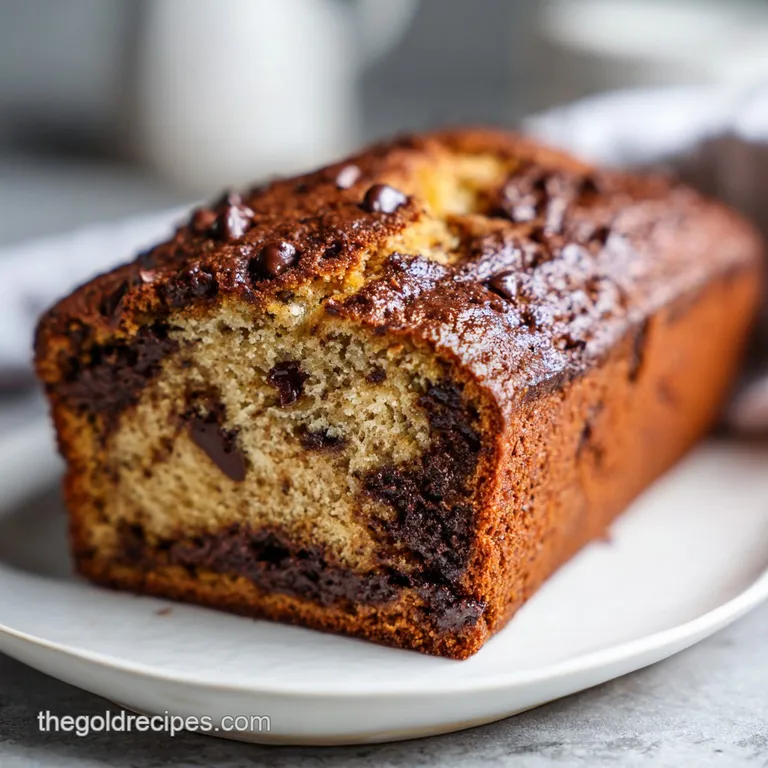
- Preheat your oven to 350°F (175°C). Line a 9x5 inch loaf pan with parchment paper, leaving an overhang on the sides for easy removal. Note: The overhang acts as a handle later.
- In a large mixing bowl, mash the bananas using a potato masher or fork until mostly smooth, leaving some small pea sized chunks for texture.
- Whisk the melted butter into the mashed bananas. Add the granulated sugar, light brown sugar, egg, Greek yogurt, and vanilla extract. Whisk vigorously until the mixture is emulsified and glossy.
- Sift the all purpose flour, baking soda, salt, and cinnamon directly over the wet ingredients. Note: Sifting prevents "flour bombs" in the final bread.
- Switch to a silicone spatula and gently fold the dry ingredients into the wet batter until just combined. Do not overmix.
- Fold in the majority of the chocolate chips, reserving a small handful for the top.
- Pour the batter into the prepared loaf pan and sprinkle the reserved chocolate chips over the top. Bake for 60 minutes until a skewer inserted into the center comes out clean.
- Remove from the oven and allow to cool in the pan for 10 minutes until the structure is firm enough to lift.
- Transfer the loaf to a wire rack to cool completely until the chocolate has set.
Debugging Your Crumb and Avoiding Structural Failure
If your loaf didn't come out perfect, don't worry it’s usually a simple fix in the physics of the bake. The most common issue I see is a gummy layer at the very bottom of the bread.
This usually happens because the oven temperature was slightly too low or the bananas were so liquid that they settled at the bottom before the starch could set.
The Gummy Bottom Syndrome
This occurs when the moisture isn't evaporated quickly enough during the first 20 minutes of baking. It creates a dense, rubbery layer that feels undercooked. Make sure your oven is truly at 350°F (175°C) using an external thermometer, as many home ovens run 25 degrees cold.
The Sunken Center Trap
A sunken middle is a sign of structural collapse. This happens if you open the oven door too early, causing a sudden temperature drop, or if you over leavened the bread. Stick to exactly 1 tsp of baking soda; more is not better here.
| Problem | Root Cause | Solution |
|---|---|---|
| Burnt Top, Raw Middle | Oven too hot or rack too high | Tent with foil at 40 mins and move to center rack. |
| Dry, Crumbly Texture | Too much flour | Use a scale (190g) instead of a measuring cup. |
| Chips Sunk to Bottom | Batter too thin | Increase yogurt or toss chips in a tsp of flour first. |
Common Mistakes Checklist
- ✓ Ensure bananas are heavily spotted or black for the correct sugar to starch ratio.
- ✓ Stop mixing the second the last streak of flour disappears to keep the crumb tender.
- ✓ Use a metal pan for better heat conduction and a superior "shatter" crust.
- ✓ Always wait the full 10 minutes before removing from the pan to let the structure set.
- ✓ Check the expiration date on your baking soda; it must be fresh to react with the yogurt.
- ✓ Don't skip the salt; it's the chemical balancer that highlights the chocolate and banana notes.
Architectural Modifications for Scaling and Texture
If you're planning a massive brunch, you might want to double this recipe. Scaling a sweet chocolate chip banana bread requires a few tactical adjustments to the chemistry. When doubling, don't just double the baking soda use 1.5 times the amount to avoid a soapy metallic taste, as the volume of batter will trap more air naturally.
For the liquid components, keep the ratios identical, but I recommend baking in two separate loaf pans rather than one giant one. A double sized loaf would take so long to cook in the middle that the outside would be charred before the center is set.
If you're looking for a different texture profile altogether, you could experiment with different add ins.
| Goal | Adjustment | Effect |
|---|---|---|
| Crunchier Crust | Sprinkle coarse turbinado sugar on top | Adds a "shatter" texture to the first bite. |
| Nutty Profile | Add 0.5 cup toasted walnuts | Provides a structural contrast to the soft crumb. |
| Boozy Depth | Add 1 tbsp dark rum | Enhances the caramelized banana notes significantly. |
Myth: You Must Mash Bananas Until Liquid
Actually, leaving small chunks of banana creates "moisture reservoirs" in the loaf. When you mash them into a pure liquid, the moisture is distributed so evenly that the starch has to work harder to absorb it, often leading to a denser crumb.
Those pea sized chunks melt during the bake, leaving behind intensely flavored, fudgy pockets.
Myth: Melted Butter and Oil are Interchangeable
While both are fats, they behave differently at a molecular level. Butter contains water and milk solids that contribute to the Maillard reaction (browning) and flavor. Oil is 100% fat and remains liquid at room temperature, which makes for a "moister" mouthfeel but lacks the structural integrity and richness that butter provides.
Preserving the Crumb and Repurposing Scraps
Proper storage is the only way to prevent your beautiful velvety crumb from turning into a dry brick. Because this loaf has high moisture content from the bananas and yogurt, it is prone to mold if left in a warm, humid airtight container for too long.
- Room Temperature: Store in a container with a slightly loose lid for up to 3 days. This prevents the crust from becoming soggy.
- Fridge: Not recommended, as it accelerates the staling process (starch retrogradation), but if you must, wrap it tightly in plastic.
- Freezer: This bread freezes beautifully. Slice it first, then freeze the slices with parchment paper between them for up to 3 months. You can pop a frozen slice directly into the toaster for a "fresh baked" experience.
Zero Waste Tips
Don't throw away those banana peels! You can soak them in water for 24 hours to create a nutrient rich "tea" for your houseplants. If you have leftover ends of the loaf that have gone a bit stale, cube them up and use them to make a decadent banana bread pudding.
The high sugar and fat content make them the perfect base for a custard soaked dessert.
Optimal Presentation Protocols for Every Slice
How you serve this sweet chocolate chip banana bread can change the entire sensory experience. If you serve it cold, the butter and chocolate are firm, giving it a more "pound cake" feel. If you serve it warm, the chocolate is molten and the crumb is at its most tender.
The Classic Breakfast Melt
Slice a thick piece (at least 1 inch) and griddle it in a pan with a small pat of salted butter. This creates a crispy, caramelized exterior that contrasts beautifully with the soft, fudgy middle. Top it with a dollop of Greek yogurt to echo the ingredients inside the bread.
The Decadent Dessert Stack
For a viral style dessert, take two warm slices and sandwich a scoop of my Mint Chocolate Chip Protein Ice Cream in the middle. The temperature contrast between the hot bread and the freezing ice cream is a total hack for a high end restaurant experience at home. The mint cuts through the richness of the banana and semi sweet chocolate perfectly.
Another high performance move is to drizzle the top with a bit of warmed peanut butter. The saltiness of the peanuts bridges the gap between the sweet bananas and the dark chocolate chips, creating a flavor profile that hits every single taste bud.
Whatever you do, don't serve it straight from the fridge let the molecules relax at room temperature for at least 30 minutes to ensure the flavor is fully decoded.
Recipe FAQs
What is the number one mistake made when making banana bread?
Overmixing the batter is the most common error. You must stop stirring the moment the last streak of flour disappears to ensure the crumb remains tender rather than tough.
How to make banana bread sweeter?
Use heavily spotted or black bananas. The darker the peel, the higher the sugar-to-starch ratio in the fruit, which provides a deeper natural sweetness without needing extra sugar.
What is the secret to moist banana bread?
Incorporate the Greek yogurt fully into the wet mixture. This adds essential fat and acidity, keeping the interior soft; if you enjoyed this moisture retaining technique, see how we achieve a similar texture in our fudgy brownie cookies.
Can I add chocolate chips to banana bread?
Yes, they are a fantastic addition. Fold in one cup of semi sweet chocolate chips, reserving a handful to sprinkle on top before baking for a professional finish.
How to ensure the bread bakes evenly throughout?
Use a metal loaf pan for the best results. Metal provides superior heat conduction compared to glass or ceramic, which helps the bread rise properly and develop a better crust during the 60-minute bake time at 350°F.
Is it true that I should slice the bread immediately after taking it out of the oven?
No, this is a common misconception. You must wait the full 10 minutes before removing it from the pan to allow the internal structure to set, preventing the loaf from crumbling or turning gummy.
How to tell when the banana bread is finished baking?
Insert a skewer into the center of the loaf. It is perfectly baked when the skewer comes out clean without any wet batter attached.
Sweet Chocolate Chip Banana Bread
Ingredients:
Instructions:
Nutrition Facts:
| Calories | 291 kcal |
|---|---|
| Protein | 3.5 g |
| Fat | 12.4 g |
| Carbs | 44.2 g |
| Fiber | 2.1 g |
| Sugar | 30.8 g |
| Sodium | 206 mg |
