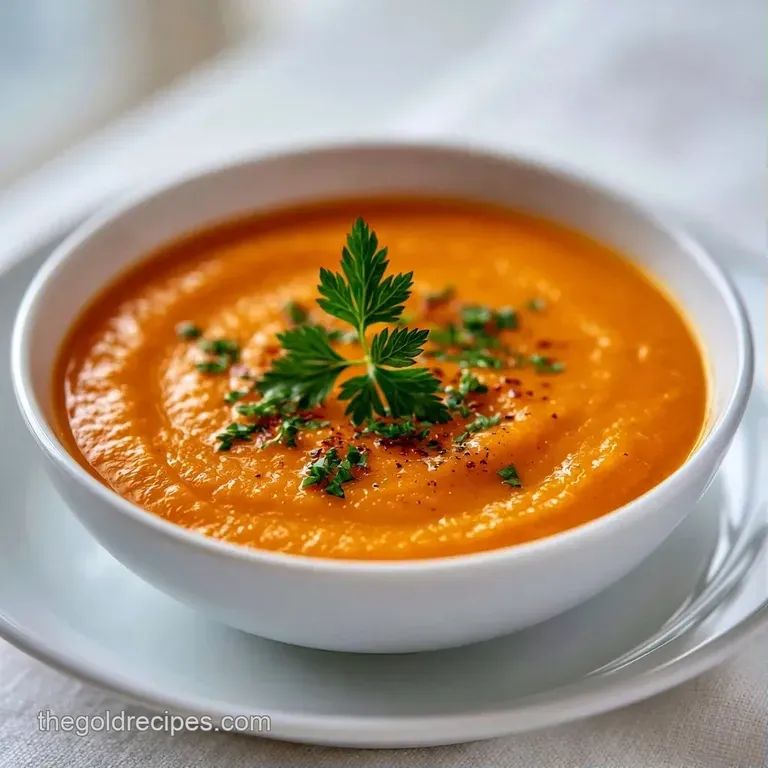
Roasted Butternut Squash Soup with Coconut Milk

- Time: 15 min active + 40 min cook
- Flavor/Texture Hook: Nutty, smooth, and slightly tangy
- Perfect for: Budget-friendly weeknight dinners or healthy meal prep
The aroma of roasting squash fills the air, combining sweet caramel and toasted garlic to signal that autumn has truly arrived. I remember making this for the first time and discovering that boiling the vegetables is a mistake. Boiling results in a pale, bland liquid akin to baby food, but roasting changes everything.
The squash edges turn mahogany, and the onions soften into a sweet, savory blend. That is where the true flavor is found. This Butternut Squash Soup isn't about complex techniques; it's simply about letting the oven do the heavy lifting.
You'll find a bowl that feels rich and hearty yet remains quite light. It brings a sense of coziness to a cold Tuesday, and since it uses budget friendly staples, it won't break the bank.
Why the Texture Works
- Roasted Base: Browning the squash and onions creates a nutty sweetness. It removes that "boiled" taste and adds depth.
- Coconut Milk: This provides the fat needed for a smooth mouthfeel. It mimics heavy cream but keeps the recipe plant based.
If you've tried other creamy options, you might find that my Potato Soup recipe has a different kind of thickness because of the starch. This one relies more on the pureed squash and the coconut fat for its body.
| Method | Time | Texture | Best For |
|---|---|---|---|
| Roasted (This recipe) | 55 mins | Deep, rich, and silky | Max flavor, cozy dinners |
| Boiled/Simmered | 35 mins | Lighter, more watery | Quick meals, mild taste |
| Instant Pot | 30 mins | Consistent, soft | Fast prep, large batches |
Quick Guide to Timing
This recipe takes about 15 minutes of active work, mostly chopping the squash and apple. The oven does the heavy lifting for 30 minutes, and then you have a quick 10 minute simmer on the stove. Total time from cutting board to bowl is 55 minutes.
Since we roast the garlic in its skin, there's no tedious peeling involved. Just squeeze it out like toothpaste once it's soft. It's a small detail, but it saves a lot of frustration.
The Shopping List
For the base, the butternut squash provides the bulk and sweetness. I prefer the pre cut cubes from the store if I'm in a rush, but buying the whole squash is cheaper. The yellow onion and garlic add the savory foundation that stops the soup from tasting like a dessert.
The Granny Smith apple is a key addition here. It adds a tiny bit of acidity and tartness that cuts through the richness of the coconut milk. Then we have vegetable broth, which keeps it light, and a touch of cinnamon and nutmeg for that warm, fall aroma.
Finally, a squeeze of lemon juice wakes everything up at the very end.
- Butternut squash (3 lbs, cubed) - Substitute: Pumpkin puree (use 3 cans). Why this? Provides the creamy base and natural sweetness.
- Yellow onion (1 large, quartered) - Substitute: Shallots. Why this? Adds savory depth when roasted.
- Garlic (6 cloves, skin on) - Substitute: Garlic powder (1 tsp). Why this? Roasted garlic is mellow and sweet.
- Extra virgin olive oil (2 tbsp) - Substitute: Avocado oil. Why this? Helps the vegetables brown in the oven.
- Kosher salt (1 tsp) - Substitute: Sea salt. Why this? Enhances all other flavors.
- Black pepper (½ tsp, cracked) - Substitute: White pepper. Why this? Adds a subtle heat.
- Vegetable broth (4 cups, low sodium) - Substitute: Chicken broth. Why this? The liquid base for blending.
- Full fat coconut milk (1 cup) - Substitute: Heavy cream or cashew cream. Why this? Creates a rich, creamy texture.
- Granny Smith apple (1 medium, diced) - Substitute: Pear. Why this? Adds a tart, crisp contrast.
- Ground cinnamon (½ tsp) - Substitute: Allspice. Why this? Warmth and aroma.
- Ground nutmeg (¼ tsp) - Substitute: Mace. Why this? Classic pairing for squash.
- Fresh lemon juice (1 tbsp) - Substitute: Apple cider vinegar. Why this? Brightens the heavy flavors.
Tools for the Job
While you don't need fancy equipment, a few basic tools simplify the process. A large sheet pan is essential for roasting, and using parchment paper ensures the squash won't stick. For the simmering stage, a Dutch oven or large pot is your best bet.
To blend, an immersion blender is the most convenient choice since you can work right in the pot. If you're using a standard blender, remember to work in batches and keep a vent open to stop steam from blowing the lid off.
Making the Soup
- Set your oven to 400°F (200°C).
- On a parchment lined baking sheet, combine the cubed squash, quartered onion, and whole garlic cloves with olive oil, salt, and pepper. Spread them out in a single layer and roast for 25–30 minutes until the squash is tender and the edges are a deep mahogany.
- Squeeze the roasted garlic from its skins.
- Place the garlic in a large pot along with the roasted squash, onions, diced apple, and vegetable broth.
- Simmer the mixture over medium heat for 10 minutes until the flavors blend and the apple softens.
- Take the pot off the heat.
- Use an immersion blender to puree the soup until it is completely smooth.
- Stir in the coconut milk, cinnamon, nutmeg, and lemon juice.
- If the soup is too thick for your preference, whisk in an additional ¼ cup of broth.
Chef's Note: For a touch of warmth, stir in a pinch of cayenne pepper along with the cinnamon. It won't make the dish "spicy," but it adds a gentle heat that hits the back of your throat.
Fixing Common Issues
Fixing a Grainy Texture
If the soup feels slightly gritty, it's usually because the squash wasn't roasted long enough or the blending wasn't thorough. If an immersion blender isn't cutting it, pour the soup into a high speed upright blender. Process it for 60 seconds on high to break down the remaining fibers.
Balancing Overly Sweet Flavors
Sometimes a specific squash is just too sweet, making the soup taste like a puree. To fix this, add another teaspoon of lemon juice or a splash of apple cider vinegar. The acid cuts through the sugar and brings back the savory balance.
Fixing a Thin Consistency
If your soup feels more like a broth than a cream, you can simmer it for another 5–10 minutes before blending to reduce the liquid. Alternatively, blend in a small piece of raw potato or a tablespoon of cashew butter to add more body without altering the flavor.
Adjusting the Batch Size
When scaling this Butternut Squash Soup down to a half batch, use a smaller sheet pan so the vegetables don't spread too thin and burn. You'll likely find the roasting time drops by about 5 minutes, so start checking the squash at the 20 minute mark.
For a double or triple batch, don't crowd the pans. Use two separate sheet pans for roasting, otherwise the vegetables will steam instead of brown, and you'll lose that nutty flavor.
I only increase the salt and cinnamon to 1.5x the original amount for a double batch, as these flavors can become overpowering when scaled linearly.
| Original Ingredient | Substitute | Why It Works |
|---|---|---|
| Veggie Broth (4 cups) | Water + Bouillon | Budget friendly. Note: Watch the salt levels |
| Coconut Milk (1 cup) | Evaporated Milk | Cheaper, dairy based. Note: Less creamy than coconut |
| Granny Smith Apple | Pear | Similar sweetness. Note: Less tart than the apple |
Ways to Serve This
I love topping this with a swirl of coconut cream and some toasted pumpkin seeds for a bit of crunch. If you have some leftover sourdough, toast a thick slice with butter and garlic to dip into the bowl.
For a more filling meal, you can stir in some cooked quinoa or shredded kale at the very end. If you're looking for something completely different and light, my Cabbage Soup recipe is a great alternative for those days when you want something less rich.
Keeping it Fresh
This soup stays good in the fridge for about 4 days. Keep it in a glass container with a tight lid to prevent it from picking up other smells from the fridge. When you reheat it on the stove, add a splash of water or broth, as the squash tends to thicken up as it cools.
For long term storage, this freezes beautifully for up to 3 months. I recommend freezing it without the coconut milk stirred in. Add the coconut milk fresh when you reheat the soup. This prevents the fat from separating and keeps the texture smooth.
As for waste, don't throw away the squash peels or the onion skins. Toss them into a freezer bag and use them the next time you make a homemade vegetable stock. It's an easy way to get more flavor out of your groceries.
Different Flavor Ideas
Adding Indian Spiced Depth
Instead of cinnamon and nutmeg, stir in a tablespoon of red curry paste or a teaspoon of garam masala during the simmering stage. The sweetness of the butternut squash pairs perfectly with these warmer, earthier spices.
Introducing a Chipotle Kick
For a smoky version, blend in one chipotle pepper in adobo sauce. It adds a deep, charred flavor and a mild heat that transforms the soup into something more bold and savory.
Adapting for Instant Pot
You can skip the oven and sauté the onions and garlic in the pot first. Add the squash, broth, and apple, then cook on high pressure for 10 minutes. It's faster, but you'll miss out on that roasted caramelization, so I recommend adding a pinch of smoked paprika to mimic the charred taste.
Recipe FAQs
How can I make my butternut squash soup taste more complex?
Roast the vegetables first and add an apple. Caramelizing the squash at 400°F creates a nutty depth, while the Granny Smith apple and lemon juice balance the natural sweetness.
What is the easiest way to cut a butternut squash?
Slice the squash lengthwise and scoop out the seeds. Use a sharp chef's knife to carve the flesh away from the skin before cubing it for the sheet pan.
Can I make this soup without dairy?
Yes, coconut milk is the ideal substitute. It provides a rich, velvety texture similar to the creamy feel of a roasted tomato basil soup.
Is it true that boiling squash is the best way to get a rich flavor?
This one's false: Boiling often results in a bland, watery taste. Roasting at 400°F for 25 30 minutes develops the mahogany edges and sweetness required for depth.
Do diabetics need to avoid butternut squash?
No, it is generally a healthy option. The vegetable provides essential fiber, though you should monitor portion sizes to manage total carbohydrate intake.
Why is my squash soup too thick?
Whisk in more vegetable broth. Stir in an additional ¼ cup of broth after blending until the puree reaches your desired consistency.
Roasted Butternut Squash Soup