Red Beans and Rice: New Orleans Style
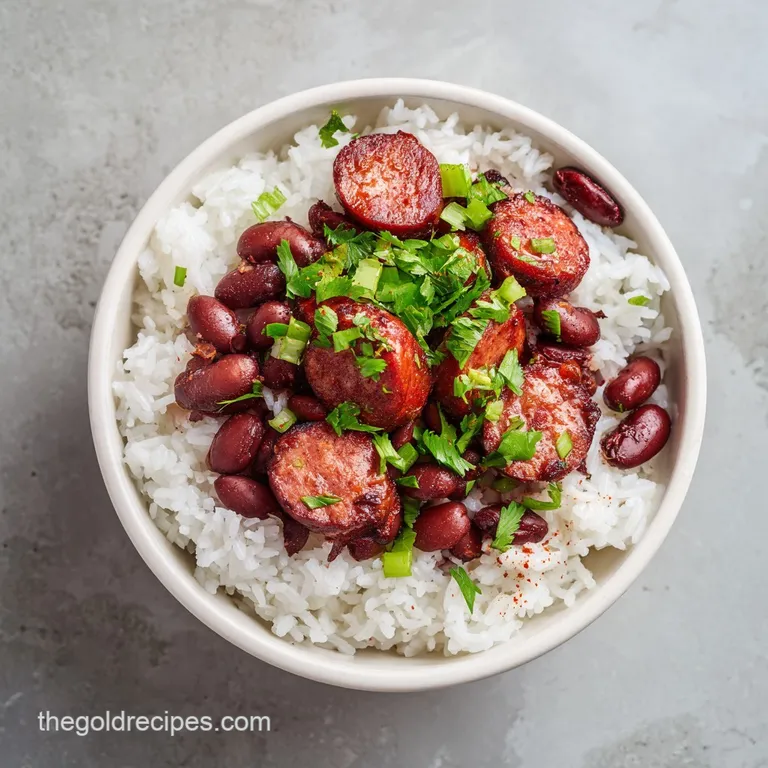
- Time:15 minutes active + 150 minutes cooking = Total 3 hours 45 mins (includes 1 hour soak)
- Flavor/Texture Hook: Smoky, velvety beans with a fluffy rice base
- Perfect for: budget-friendly family dinners or a cozy Monday night meal
- Hearty Home Style Red Beans and Rice
- Quick Look At The Details
- Why This Pot Simmers Right
- Choosing The Right Ingredients
- Essential Tools For The Job
- Step By Step Cooking Guide
- Fixing Common Pot Problems
- Customizing Your Flavor Profile
- Kitchen Truths And Realities
- Freshness And Waste Tips
- Best Sides For This Meal
- High in Sodium
- Recipe FAQs
- 📝 Recipe Card
Hearty Home Style Red Beans and Rice
The second that sliced andouille sausage hits the hot oil, the whole kitchen transforms. There's that aggressive sizzle, and then the smell of smoked paprika and garlic starts to drift into every room.
It's a scent that basically tells your family, "Dinner is going to be great today," even before the beans have had a chance to soften.
I remember the first time I tried to rush this. I used canned beans and skipped the long simmer, thinking I could cheat the clock. It tasted... fine, I guess. But it lacked that deep, soul warming thickness that only comes from waiting.
You can't rush the way a ham hock gives up its flavor or the way the beans naturally thicken the sauce.
Trust me on this, the wait is the best part. While the pot bubbles away on the stove for those 150 minutes, your house just smells like a home. It's a budget friendly way to feed a crowd without spending a fortune on expensive cuts of meat, and it's a meal that actually tastes better if you make it a day early.
Quick Look At The Details
When you're planning your day, remember that this isn't a "throw it together in 20 minutes" kind of meal. It's a slow burn process. You've got the 15 minutes of prep, but the real work is the simmering.
The 1 hour soak is a non negotiable for getting the texture right, though I've included the quick boil method to save you an overnight wait.
The payoff is a dish that's incredibly filling. With 6 servings, you're looking at a massive pot of comfort. It's the kind of food that makes everyone slow down. Since we're using a Dutch oven, you can go from searing the meat to simmering the beans in one single vessel, which means less cleanup for you later.
But what about the timing? If you're hosting, you can get the beans simmering in the morning and just let them do their thing. By the time you're ready to eat, you just need to boil the rice and do the final mash. It's a low stress way to handle a big dinner.
| Method | Total Time | Texture | Best For |
|---|---|---|---|
| Classic Stovetop | 3 hours 45 mins | Velvety and thick | Authentic flavor, family dinner |
| Pressure Cooker | 1 hour 15 mins | Softer, less creamy | Weeknight rush, tight schedule |
| Slow Cooker | 8 hours | Very tender | Set and forget, winter days |
Why This Pot Simmers Right
I've spent way too much time wondering why some beans are watery and others are creamy. It turns out, it's not magic, just a few simple things happening in the pot.
- Starch Release: Mashing a few of the beans at the end breaks the cell walls, releasing natural starches that thicken the liquid into a sauce.
- Fat Layering: Browning the sausage first lets the rendered fat coat the vegetables, carrying the smoky flavor through every single bean.
- The Trinity Base: Sautéing onion, celery, and pepper creates a complex aromatic foundation that prevents the beans from tasting "flat."
- over Low heat Breakdown: A gentle simmer over 150 minutes allows the collagen in the ham hock to melt, adding a silky mouthfeel.
Choosing The Right Ingredients
Getting the right gear in your pantry makes a huge difference. I always go for dried kidney beans because they hold their shape better than canned versions, which can turn into mush if you overcook them. The ham hock is where the real depth comes from, so don't skip it just to save a couple of bucks.
For the meat, andouille is the gold standard here. It's got that specific kick and smoke that defines the dish. If you're looking for something similar but can't find andouille, a good smoked kielbasa works, but you'll need to add a bit more cayenne pepper to get that heat.
| Ingredient | Science Role | Pro Secret |
|---|---|---|
| Dried Kidney Beans | Structure & Thicken | Soak in salted water for easier digestion |
| Ham Hock | Umami & Body | Use a smoked hock for deeper saltiness |
| Andouille Sausage | Smoke & Fat | Slice thin to maximize the crispy edges |
| The Trinity (Veg) | Aromatic Base | Cut them into uniform small dice for even cooking |
The Pantry List
- 1 lb dried red kidney beans Why this? Better texture and thickness than canned
- 1 ham hock Why this? Adds deep, smoky saltiness to the broth
- 6 cups chicken stock Why this? More flavor than water
- 2 bay leaves Why this? Adds a subtle floral note
- 1 tsp smoked paprika Why this? Reinforces the smoky profile
- 1 lb andouille sausage Why this? Essential Cajun heat and fat
- 1 tbsp vegetable oil Why this? High smoke point for searing
- 1 medium yellow onion Why this? Standard aromatic sweetness
- 1 medium green bell pepper Why this? Earthy, bitter contrast
- 2 stalks celery Why this? Adds a salty, fresh undertone
- 4 cloves garlic Why this? Pungent depth
- 1 tbsp Cajun seasoning Why this? All in-one flavor punch
- 1/2 tsp cayenne pepper Why this? Adjustable heat level
- 3 cups long grain white rice Why this? Neutral base for the heavy beans
- 2 tbsp unsalted butter Why this? Makes the rice fluffy and rich
Smart Swaps for Your Kitchen
| Original Ingredient | Substitute | Why It Works |
|---|---|---|
| Andouille Sausage | Smoked Kielbasa | Similar smoke. Note: Less spicy, add extra cayenne |
| Ham Hock | Smoked Turkey Wing | Similar salt/smoke. Note: Leaner, less velvety result |
| Chicken Stock | Vegetable Broth | Same liquid ratio. Note: Lighter flavor, good for lighter palates |
| White Rice | Brown Rice | Heartier grain. Note: Takes longer to cook, nuttier taste |
Essential Tools For The Job
You don't need a professional kitchen to pull this off. In fact, the beauty of this recipe is that it's designed for minimal tools. A heavy bottomed pot is your best friend here because it distributes heat evenly, preventing the beans from scorching at the bottom during that long simmer.
A Dutch oven is the ideal choice. I use a cast iron one (like Lodge) because it holds the heat so well. If you don't have one, a large stockpot will do, just keep a closer eye on the heat level. You'll also need a potato masher, which is the secret weapon for getting that signature creamy texture.
Finally, a sturdy slotted spoon is essential. You'll use it to pull the browned sausage out of the pot while leaving all that precious rendered fat behind. That fat is basically liquid gold, and it's where all the flavor for your vegetables lives.
Step by step Cooking Guide

Right then, let's get into the actual cooking. This is a process of patience. Don't try to crank up the heat to finish faster, or you'll end up with beans that are burnt on the outside and raw in the middle.
Preparing the Beans
- Quick soak the beans. Place your rinsed beans in the Dutch oven, cover them with water by about 2 inches, and bring it to a boil for 2 minutes. Now, remove it from the heat, put the lid on, and let it sit for 1 hour. Once the time is up, drain and rinse them. Note: This replaces the overnight soak
Searing the Aromatics
Brown the sliced andouille sausage. Set your Dutch oven over medium high heat with a splash of oil. Cook the sausage until the edges are crisp and browned. Use your slotted spoon to remove the meat, but keep that fat in the pot.
Sauté the Trinity. Toss in your diced onion, celery, and bell pepper. Cook them in the sausage fat until the onions are translucent and the vegetables have softened.
Bloom the spices. Stir in your minced garlic, Cajun seasoning, and cayenne pepper. Cook for about 60 seconds until you can smell the spices filling the air. Note: Don't let the garlic burn or it'll turn bitter
Simmering for Depth
Combine the pot. Put the browned sausage back in. Add your soaked beans, the ham hock, bay leaves, and those 6 cups of chicken stock.
The long simmer. Bring the whole pot to a boil, then immediately turn the heat down to low. Cover it up and let it simmer gently for 2 to 2.5 hours. You're looking for the beans to be tender enough to crush easily between your fingers.
Finishing the Dish
Create the creaminess. Fish out the ham hock and the bay leaves. Now, take your potato masher and crush about 10-15% of the beans right in the pot. Stir it all together until the broth looks velvety and thick.
Prepare the rice. While the beans are finishing, cook your long grain white rice with 2 tbsp of butter in a separate pot. Follow the package directions until the grains are fluffy and separate.
Plate it up. Scoop a generous bed of rice into a bowl, ladle the creamy beans over the top, and garnish with a handful of chopped scallions and parsley for a bit of fresh brightness.
Chef's Tip: If you want an even deeper flavor, try adding a teaspoon of Worcestershire sauce or a splash of hot sauce right before serving. It adds a tangy note that cuts through the richness of the ham hock.
Fixing Common Pot Problems
Even for experienced cooks, beans can be finicky. Sometimes they stay too firm, or the sauce doesn't quite thicken up the way you want it to. But don't panic, these things are usually an easy fix.
Why Your Beans Stay Firm
If you've hit the 2.5 hour mark and the beans are still a bit "toothy," it's usually because of the age of the beans or the hardness of your water. Old beans take longer to hydrate. Just keep simmering for another 30 minutes, adding a splash of water if the pot looks too dry.
Why Your Stew Is Too Watery
This usually happens if you didn't mash enough beans or if you added too much stock. The fix is simple: mash another handful of beans and let the pot simmer uncovered for 15-20 minutes to reduce the liquid.
| Problem | Root Cause | Solution |
|---|---|---|
| Watery Sauce | Not enough starches released | Mash more beans and simmer uncovered |
| Too Salty | Ham hock was overly salty | Stir in a pinch of sugar or add a splash of water |
| Burnt Bottom | Heat was too high | Stop stirring, scoop out top beans, and start over in a new pot |
Common Mistakes Checklist
- ✓ Always rinse your dried beans to remove dust and debris
- ✓ Don't add salt too early in the soaking process (it can toughen the skins)
- ✓ Sauté the vegetables in the sausage fat, not just plain oil
- ✓ Ensure the simmer is low; a hard boil will break the beans apart too quickly
- ✓ Don't forget to remove the bay leaves before serving
Customizing Your Flavor Profile
Once you've nailed the basic recipe, you can start playing around. If you want a bit more heat, increase the cayenne. If you prefer a "Creole" style, you can add a diced tomato to the vegetable sauté. It adds a slight acidity that balances the heavy fats.
If you're looking for other hearty, savory meals to rotate into your weekly plan, you might love some Korean Beef Bowls for a different kind of flavor punch. It's a great way to switch up your protein while keeping that same "comfort food" vibe.
For those who want a lighter version, you can replace the ham hock with smoked paprika and a bit of extra salt. You'll lose some of that velvety mouthfeel, but you'll still get the smoky essence.
If you're making this for a crowd, you can even use a slow cooker, just double the simmering time and reduce the stock by about a cup since less liquid evaporates.
Decision Shortcut
- If you want more heat → Add 1/4 tsp more cayenne or a dash of Tabasco.
- If you want it creamier → Mash 20% of the beans instead of 10%.
- If you're short on time → Use canned red beans (rinsed) and reduce simmer to 45 minutes.
Kitchen Truths And Realities
There are a lot of "rules" floating around about beans, but some of them are just myths. Let's clear a few things up so you can cook with confidence.
One big one is that you must soak beans overnight. While it's traditional, the quick soak method I used here (boiling then sitting for an hour) works just as well for kidney beans. You get the same texture and the same digestibility without having to plan your dinner 24 hours in advance.
Another common myth is that adding acid (like tomatoes or lemon) at the start prevents beans from softening. While it's true that high acidity can slow down the process, adding a single diced tomato to a huge pot of beans isn't going to stop them from cooking.
Just add your acidic ingredients after the beans have already started to soften.
Freshness And Waste Tips
This is one of those rare dishes that actually tastes better the next day. The flavors have more time to mingle, and the starch settles in, making the sauce even thicker.
Storage Guidelines: Store the leftovers in an airtight container in the fridge for up to 4 days. I recommend storing the beans and rice separately; otherwise, the rice will absorb all the sauce and turn into a thick porridge.
Freezing: You can freeze the beans for up to 3 months. Don't freeze the cooked rice, as it often gets a weird texture. When you're ready to eat the beans again, thaw them in the fridge overnight and reheat them on the stove with a splash of water or stock to loosen them up.
Zero Waste Tips: Don't throw away the leftover ham hock meat! After you remove the hock from the pot, pick off the remaining meat and stir it back into the stew. Also, if you have leftover bean liquid, it's a fantastic base for a vegetable soup. Just add some fresh carrots and kale for a quick lunch.
Best Sides For This Meal
Since the beans and rice are so heavy and rich, you need something bright or crisp to balance the plate. A simple side of collard greens or a sharp, vinegary coleslaw is the traditional way to go. The acidity cuts through the smoke and fat, refreshing your palate between bites.
If you're looking for something a bit more substantial but still veggie forward, a Green Bean Casserole recipe is a great companion. The creamy mushrooms and fresh beans complement the heartiness of the red beans without competing for the spotlight.
For a truly complete feast, serve this with some warm, buttered cornbread. The sweetness of the corn balances the heat of the Cajun seasoning perfectly. It's a meal that brings everyone to the table and leaves them feeling full and happy. Trust me, you'll be the hero of the house once that pot hits the table.
High in Sodium
920 mg 920 mg of sodium per serving (40% 40% of daily value)
The American Heart Association recommends a daily sodium limit of 2,300 mg for most adults to maintain heart health.
Tips to Reduce Sodium in Your Red Beans & Rice
-
Swap the Stock-30%
Replace the standard chicken stock with low-sodium or no-sodium chicken broth to drastically lower the base salt level.
-
Modify the Ham Hock-25%
Omit the cured ham hock and increase the smoked paprika or add a touch of liquid smoke for that savory flavor.
-
Choose Leaner Sausage-25%
Substitute standard andouille for a reduced sodium version or use a fresh, un-cured sausage seasoned at home.
-
DIY Cajun Seasoning-20%
Replace store-bought Cajun seasoning with a salt free blend of paprika, onion powder, garlic powder, and oregano.
-
Boost Fresh Aromatics
Increase the amount of fresh parsley and scallions or add a squeeze of lemon juice to enhance flavor without adding salt.
Recipe FAQs
What is the secret ingredient in red beans and rice?
The ham hock. It provides a deep, smoky base and adds a gelatinous body that thickens the liquid into a rich gravy.
What gives red beans and rice its flavor?
The combination of andouille sausage and the "holy trinity." Sautéing onion, celery, and bell pepper in rendered sausage fat creates the aromatic foundation typical of Cajun cuisine.
How to cook beans for diabetics?
Rinse dried beans thoroughly to remove excess starches. Pair the fiber rich kidney beans with a controlled portion of long grain white rice to help manage blood sugar levels.
Are red beans good for high blood pressure?
Yes, they are naturally rich in potassium and fiber. To keep sodium levels low, be mindful of the amount of Cajun seasoning and ham hock used in the pot.
How to thicken the sauce without adding flour?
Use a potato masher to crush a small percentage of the beans. This releases natural starches into the broth, creating a creamy texture without the need for external thickeners.
Is it true I must soak beans overnight to get them tender?
No, this is a common misconception. You can quick soak by boiling the beans for 2 minutes and letting them sit covered for 1 hour before draining.
Can I use a slow cooker for this recipe?
Yes, you can adapt these ingredients for a slow cooker. If you enjoy crockpot cooking, simply simmer the ingredients on low for 6 to 8 hours for a similar hearty result.
Red Beans And Rice