Pesto Pasta: Emulsification Chemistry
- Time: Active 10 minutes, Passive 10 minutes, Total 20 minutes
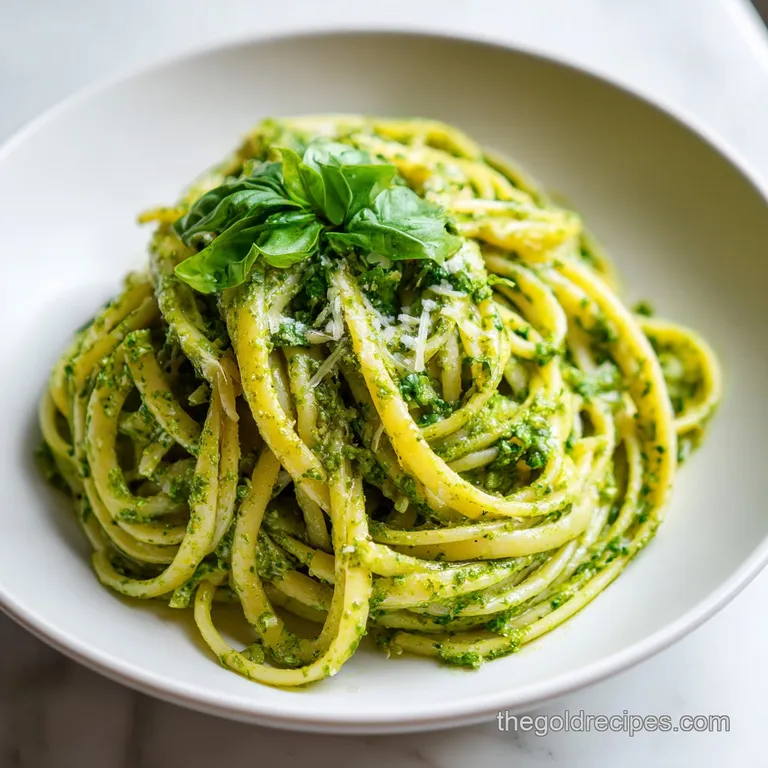
- Flavor/Texture Hook: Pungent basil and velvety, emulsified parmesan coating
- Perfect for: High speed weeknight fuel or viral worthy dinner parties
- 20 Minute Emerald Pesto Pasta: Silky Sauce Secrets
- The Molecular Science of Green
- Essential Recipe Specifications
- High Precision Ingredient Analysis
- The Alchemy of the Elements
- Required Kitchen Tech Setup
- Step-by-Step Execution Protocol
- Decoding Common Texture Errors
- Flavor Profiles and Adaptations
- Decoding Pesto Myths
- Preservation and Waste Reduction
- Presentation and Pairing Logic
- High in Sodium
- Recipe FAQs
- 📝 Recipe Card
20 Minute Emerald Pesto Pasta: Silky Sauce Secrets
I still remember the first time I tried to "hack" a traditional Genovese sauce. I threw everything into a high speed blender, hit the pulse button with reckless abandon, and ended up with a dull, swampy brown slurry that tasted more like metallic grass than the vibrant Italian classic I was craving.
It was a complete technical failure, but that muddy mess was the catalyst for my obsession with the chemistry of herbs.
We've all been there, staring at a bowl of oily noodles where the sauce has separated into clumps of cheese and pools of grease. But what if I told you that the "perfect" bowl is just a matter of managing thermal energy and starch ratios?
We aren't just tossing noodles in green goo; we're creating a stable emulsion that defies the standard "oil and water" logic. Trust me, once you decode the temperature window for your cheese, you'll never settle for a jarred version again.
The goal here isn't just "good" food; it's a dish that looks as electric green as a viral social media post while maintaining the complex, peppery bite of fresh basil. We're going to leverage some basic molecular triggers to ensure your sauce stays bright and your pasta stays perfectly coated.
Right then, let's crack on with the variables that actually matter.
The Molecular Science of Green
Chlorophyll Stabilization: Heat typically causes the magnesium atom in chlorophyll to be replaced by hydrogen, turning basil brown. By briefly blanching the leaves or keeping the blender blades cold, we freeze that neon green structure in place.
Starch Emulsification: The cloudy pasta water contains amylose and amylopectin, which act as "glue" to bind the olive oil and basil liquid into a unified, velvety coating rather than a separated mess.
| Method | Time | Texture | Best For |
|---|---|---|---|
| Mortar & Pestle | 15 minutes | Chunky/Rustic | Maximum aroma release |
| Food Processor | 5 minutes | Uniform/Grainy | Quick family dinners |
| High Speed Blender | 2 minutes | Silky/Liquid | Modernist presentation |
Essential Recipe Specifications
Getting the ratios right is the difference between a masterpiece and a mistake. We are working with a 450g pasta foundation, which requires a specific volume of fat to protein to ensure every surface area is covered without the "oily pool" at the bottom of the bowl.
The weight of your cheese matters more than the volume. Grating 50g of Parmigiano Reggiano by hand results in a different density than store-bought pre grated "dust." Use a scale if you want the high precision results we're aiming for.
It's the only way to guarantee that the salt to fat ratio remains consistent every single time you cook.
If you find yourself wondering about the protein balance, this technique mirrors the moisture management we use in our Chicken Fettuccine Alfredo recipe, where the pasta water does most of the heavy lifting.
High Precision Ingredient Analysis
| Ingredient | Science Role | Pro Secret |
|---|---|---|
| Fresh Basil (60g) | Primary aromatic and pigment | Plunge in ice water after a 5 second blanch to stop oxidation instantly. |
| EVOO (120ml) | Lipid carrier for fat soluble flavors | Use a cold pressed oil to prevent "bitter" notes triggered by high speed blade heat. |
| Pine Nuts (50g) | Fat and texture stabilizer | Toast until they just start to shatter between your fingers for deep nuttiness. |
| Parmigiano (50g) | Umami and emulsification aid | Always grate from a wedge; pre grated cellulose prevents the cheese from melting smoothly. |
The Alchemy of the Elements
- 60g Fresh Basil leaves: Use only the leaves, packed tightly. Why this? Stems contain bitter tannins that ruin the sauce's delicate profile. (Substitute: Baby spinach for a milder, budget friendly green)
- 50g Parmigiano Reggiano: Freshly grated. Why this? High glutamic acid content provides the savory "backbone" of the dish. (Substitute: Grana Padano)
- 30g Pecorino Romano: Freshly grated. Why this? Adds a sharp, salty "kick" that cuts through the fatty pine nuts. (Substitute: Extra Parmigiano with a pinch more salt)
- 50g Pine nuts: Lightly toasted. Why this? High oil content creates a creamy mouthfeel when pulverized. (Substitute: Toasted walnuts)
- 2 cloves Garlic: Peeled and smashed. Why this? Smashing releases allicin before blending for a sharper flavor profile. (Substitute: Garlic confit for a sweeter, mellow vibe)
- 120ml Extra virgin olive oil: high-quality. Why this? The primary fat source that carries the basil's essential oils. (Substitute: Avocado oil for a neutral, high fat alternative)
- 0.5 tsp Sea salt: Fine grain.
- 0.5 tsp Freshly cracked black pepper: Large grind for texture.
- 450g dried Pasta: Trofie or Fusilli are elite choices. Why this? Spirals and ridges "trap" the sauce through capillary action. (Substitute: Penne or Spaghetti)
- 2 tbsp Sea salt: Specifically for the boiling water.
Required Kitchen Tech Setup
You don't need a lab, but you do need the right tools to manage the friction. A food processor is the "hacker's" choice here it offers enough speed to emulsify without generating the excessive heat that a high speed blender might.
If you’re feeling traditional, a large marble mortar and pestle will give you the most complex flavor, as crushing the cells releases different compounds than shearing them with a blade.
Make sure you have a large stainless steel pot for the pasta. We need plenty of water volume to ensure the starch concentration doesn't get too high, which can make the sauce gummy.
A microplane is also non negotiable for the cheese; we want "snow," not "shreds," to ensure it dissolves into the emulsion the second it hits the warm pasta.
Chef's Tip: Freeze your blender or food processor bowl for 15 minutes before starting. This thermal buffer prevents the blades from heating up the basil, which is the #1 cause of that dreaded brown oxidation.
step-by-step Execution Protocol
- Toast pine nuts. Place 50g pine nuts in a dry pan over medium heat for 3 minutes until golden and fragrant. Note: Watch them like a hawk; they go from tan to burnt in seconds.
- Boil water. Fill a large pot with water and 2 tbsp sea salt until it tastes like the ocean.
- Prepare basil. Wash and thoroughly dry 60g basil leaves. Note: Any residual water will cause the oil to splatter and prevent a tight emulsion.
- Pulse aromatics. Add garlic, toasted pine nuts, and salt to the processor. Pulse until a coarse paste forms.
- Add greens. Throw in the basil leaves. Pulse 5-7 times until finely chopped but not yet a liquid.
- Stream oil. While the processor is running on low, slowly pour in 120ml EVOO until the mixture looks glossy and unified.
- Incorporate cheese. Add 50g Parmigiano and 30g Pecorino. Pulse twice just to combine. Note: Over processing the cheese can make the pesto "gluey" due to friction melted fats.
- Cook pasta. Drop 450g pasta into the boiling water. Cook 1 minute less than the package instructions for a true al dente bite.
- Reserve liquid. Scoop out 1 cup of starchy pasta water before draining. This is your emulsification insurance.
- Final assembly. In a large bowl, toss the hot pasta with the pesto and 2-4 tbsp of reserved water until the sauce turns velvety and clings to every ridge.
Decoding Common Texture Errors
Why Your Sauce Separated
The most common culprit is temperature. If the pasta is screaming hot (straight from the pot) and you add the pesto without enough pasta water, the cheese proteins will clump together and the oil will "weep." The pasta water acts as a buffer, lowering the heat just enough to melt the cheese into a cream rather than a solid.
Why Your Pesto Is Bitter
If you used a high speed blender, you likely sheared the extra virgin olive oil. EVOO contains polyphenols coated in fatty acids; when broken too violently, these polyphenols are released, creating a harsh, bitter taste. Stick to a lower speed or use the pulse function to keep those molecules intact.
| Problem | Root Cause | Solution |
|---|---|---|
| Gritty Texture | Cheese added in large chunks | Use a microplane to create a fine "snow" that melts instantly. |
| Dull Color | Heat oxidation | Blanch basil for 5 seconds or keep equipment chilled. |
| Oily Bottom | Lack of emulsifier | Add more starchy pasta water and toss vigorously to bind. |
✓ Always reserve pasta water before draining (it's your "liquid gold"). ✓ Never heat the pesto sauce in a pan; the residual heat of the pasta is enough. ✓ Pat basil leaves completely dry to ensure the oil can coat the surface. ✓ Grate cheese at room temperature for faster melting.
✓ Use a large enough bowl to allow for aggressive tossing/emulsification.
Flavor Profiles and Adaptations
If you're looking for a higher protein count, you can easily turn this into a Pesto Pasta with chicken. Simply sear two chicken breasts while the pasta boils. For a different vibe, try the Buffalo Chicken Dip recipe as a side if you're hosting a game day it's a wild contrast, but the heat of the buffalo sauce plays surprisingly well with the cooling basil.
Scaling Down (2 servings): Reduce all ingredients by exactly half. When using half a garlic clove, smash it well to ensure the flavor distributes. Use a smaller food processor or a mortar and pestle, as large bowls won't allow the blades to catch smaller quantities of basil.
Scaling Up (8 servings): Double the ingredients but work in batches for the pesto itself. Overcrowding a food processor leads to uneven texture and heat buildup. For the pasta water, you'll still only need about half a cup of liquid for the emulsion, as the starch concentration will be higher with more pasta in the same amount of water.
Decoding Pesto Myths
"You must use a mortar and pestle for 'real' pesto." While the texture is superior, the chemistry of the flavor remains 95% the same in a food processor if you don't overheat the blades. The "crushing" vs. "cutting" debate is mostly about the physical size of the herb particles, not a magic chemical change.
"Adding lemon juice keeps it green." This is actually a myth that can backfire. While acid can brightens flavor, the low pH can actually cause the chlorophyll to break down faster over time, turning the sauce a drab olive color. If you want bright green, stick to the cold chain method or blanching.
"Pesto is a cooked sauce." Absolutely not. Pesto is a "crude" or raw sauce. Heating it in a skillet destroys the volatile aromatics of the basil and turns the garlic acrid. Always toss it with the pasta off the heat.
Preservation and Waste Reduction
Storage: Store leftover pesto in a glass jar. The key to preventing browning is to pour a thin layer of olive oil over the top to create an airtight seal. It will stay vibrant in the fridge for up to 5 days.
Freezing: Pesto freezes beautifully. Spoon the sauce into ice cube trays and freeze. Once solid, transfer the cubes to a freezer bag. This allows you to "hack" a quick dinner later by dropping a cube of "green gold" into hot pasta. It stays fresh for up to 3 months.
Zero Waste: Don't throw away those basil stems! While too bitter for the sauce, they are packed with flavor. Throw them into your next batch of vegetable stock or tuck them into a bottle of olive oil for a quick herb infused infusion. If your cheese rind is left over, toss it into a simmering soup like the one found in our Ground Beef Stroganoff recipe to add a massive hit of umami.
Presentation and Pairing Logic
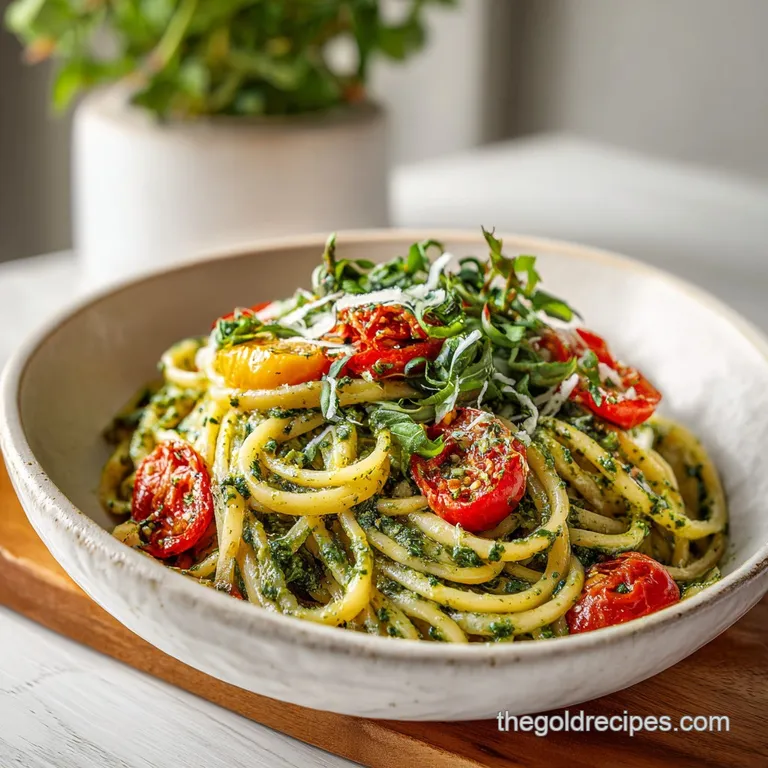
When serving, the goal is "height." Use a pair of tongs to twirl the pasta into a tight nest in the center of a wide, shallow bowl. This keeps the heat trapped inside while showing off the vibrant emerald color.
Finish with a final "shatter" of toasted pine nuts on top for a textural contrast against the velvety noodles.
If you want to go the pesto pasta salad recipe route, rinse the pasta under cold water immediately after boiling to stop the cooking and remove excess starch. Toss with the pesto only once the noodles are completely cold.
This prevents the sauce from soaking in, keeping it bright and glossy for a picnic or meal prep.
For an elite pairing, serve this with a crisp, acidic white wine like a Vermentino or a Sauvignon Blanc. The acidity "cuts" through the heavy fats of the pine nuts and cheese, refreshing your palate between every bite. It’s a simple system, but when you respect the chemistry, the results are consistently elite.
High in Sodium
920 mg mg of sodium per serving (40% % of daily value)
The American Heart Association recommends limiting sodium intake to about 2,300mg per day for overall cardiovascular health.
Tips to Reduce Sodium in Your Pesto Pasta
-
Reduce Salty Cheese-15%
Parmigiano Reggiano and Pecorino Romano are high in sodium. Reduce the amount of each cheese by 25%, and consider supplementing with nutritional yeast for a cheesy flavor without the sodium. You can also use a lower sodium Parmesan cheese.
-
Cut Back on Added Salt-12%
Reduce the amount of sea salt in the pesto by half, from 0.5 tsp to 0.25 tsp. Taste and adjust after blending. Consider using a salt substitute, but do so in moderation.
-
Skip Salting Pasta Water-10%
While salting pasta water is common, it significantly increases sodium intake. Omit the 2 tablespoons of sea salt from the pasta water altogether to reduce the overall sodium content without compromising the pasta texture.
-
Boost Flavor with Herbs
Enhance the pesto's flavor with additional fresh herbs like parsley or oregano. These additions won't reduce sodium, but will boost flavor.
Recipe FAQs
What is pesto made of?
Basil, pine nuts, garlic, olive oil, and hard cheese. The classic Genovese recipe mandates fresh basil leaves, toasted pine nuts, raw garlic, high-quality EVOO, Parmigiano Reggiano, and Pecorino Romano.
What types of pasta go with pesto?
Trofie, Fusilli, or Gemelli are ideal choices. These shapes have ridges or spirals that effectively trap and hold the thick, emulsified sauce.
What do you put in pesto pasta?
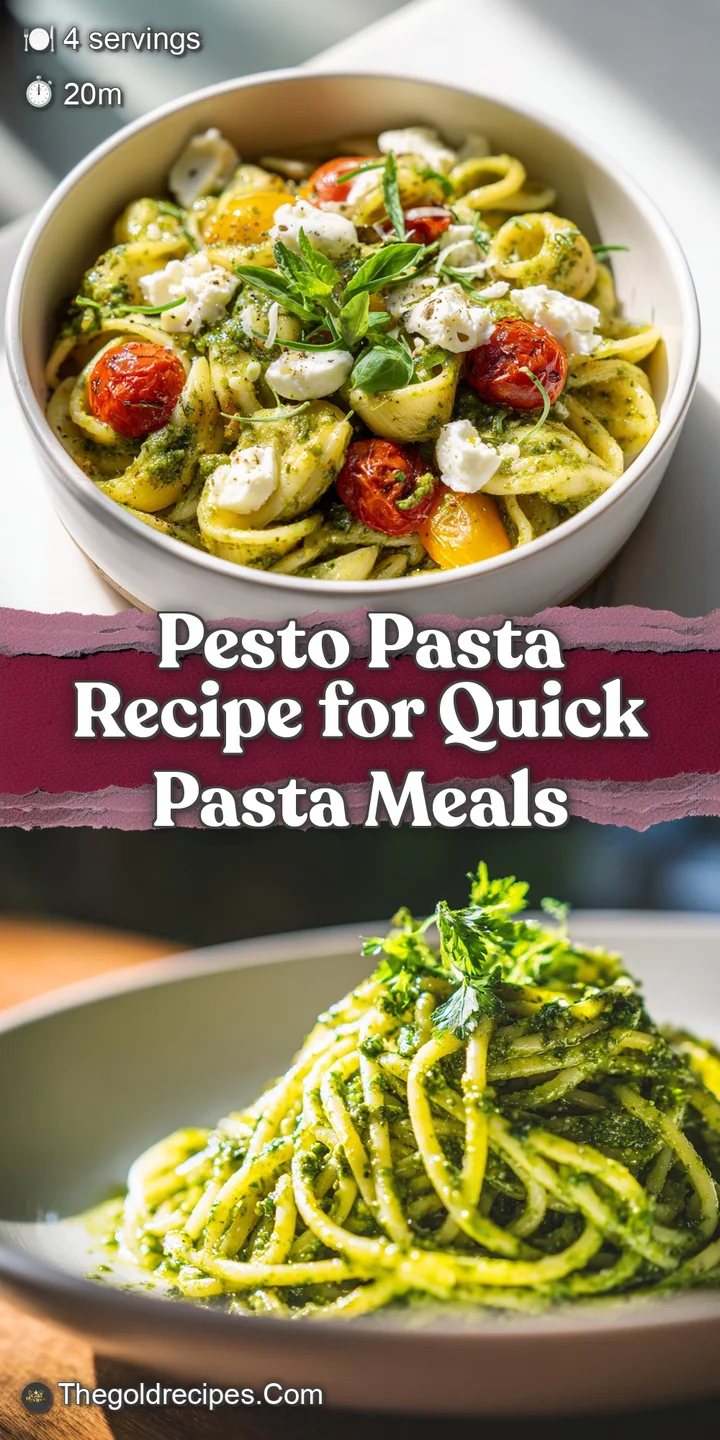
The core components are the pesto sauce and the drained pasta. For added protein or vegetables, cooked chicken, grilled shrimp, or blistered cherry tomatoes are excellent additions tossed in at the final stage.
What goes well with pesto pasta?
A crisp, acidic white wine pairs excellently. A side of simple roasted asparagus or a light Caprese salad complements the rich herbaceousness without overwhelming the sauce.
How do I stop my fresh pesto from turning brown?
Keep the ingredients cold and blend briefly. Blanch the basil leaves for 5 seconds and immediately plunge them into ice water to halt chlorophyll oxidation, or chill your food processor bowl beforehand.
How do I ensure the sauce emulsifies instead of separating?
Reserve and vigorously mix in starchy pasta water at the end. The starches in the water act as a binder to unify the oil and the cheese, creating a velvety, clinging coating rather than a greasy separation.
Should I heat the pesto sauce before mixing it with the pasta?
No, heating the sauce directly destroys the volatile basil aromatics. Use only the residual heat from the freshly drained, hot pasta and the starchy water to warm and emulsify the sauce.
Pesto Pasta Chemistry Decoded
Ingredients:
Instructions:
Nutrition Facts:
| Calories | 805 kcal |
|---|---|
| Protein | 22.4g |
| Fat | 43.4g |
| Carbs | 82.9g |
| Fiber | 4.6g |
| Sugar | 1.8g |
| Sodium | 920mg |
