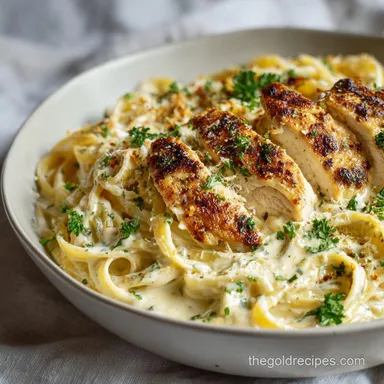
Best One Pot Chicken Alfredo Pasta: Creamy and Simple
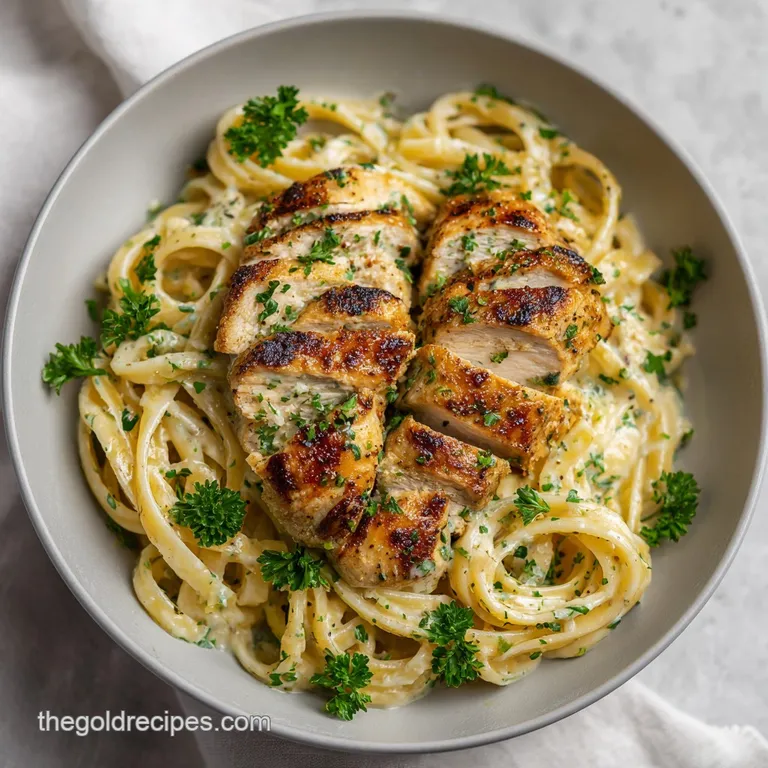
- Time:10 minutes prep + 20 minutes cook = Total 30 minutes
- Flavor/Texture Hook: Glossy, mahogany seared chicken in a silky cheese sauce
- Perfect for: Hectic weeknights, family dinner, or a budget-friendly comfort meal
- The Best One Pot Chicken Alfredo Pasta
- The Quick Timing Breakdown
- Choosing Your Fresh Ingredients
- The Essential Kitchen Gear
- The Step-by-Step Process
- Solving the Common Pasta Problems
- Troubleshooting Common Issues
- Creative Flavor Twists
- Storage and Zero Waste
- The Final Serving Tips
- Recipe FAQs
- 📝 Recipe Card
The Best One Pot Chicken Alfredo Pasta
The sound of chicken hitting a hot pan is a sensory trigger that tells me dinner is actually happening. That first aggressive sizzle, followed by the smell of garlic hitting melted butter, is the ultimate comfort signal.
I remember a particularly chaotic Tuesday a few years back when I had three kids, a mountain of laundry, and zero energy to boil a giant pot of water and drain it in the sink while splashing everything.
I decided to throw the pasta straight into the sauce, and that's when I realized that the "correct" way to make pasta isn't always the best way for a real home kitchen.
Growing up, we always viewed Alfredo as this fancy, rich dish, but in American homes, it's evolved into the ultimate hug in a bowl. It's not about the strict traditions of Rome; it's about that creamy, cheesy goodness that makes everyone sit down and actually talk to each other.
By keeping everything in one pot, you're not just saving time, you're actually capturing all the flavor that usually goes down the drain with the pasta water.
This version of the best one pot chicken alfredo pasta is built for real life. We're talking about a dish that delivers a professional level silkiness but only requires one pan. You'll get a deep, mahogany sear on the chicken and a sauce that clings to every ridge of the penne, making it a hearty family favorite that doesn't break the bank.
The Quick Timing Breakdown
When you're planning your evening, knowing exactly when the food hits the table is everything. This meal is designed for a tight 30 minute window, but the flow is what matters. You don't want to be chopping garlic while the chicken is already burning in the pan.
The process is split into three distinct phases: the sear, the simmer, and the finish. The sear is the most critical part because it builds the flavor base. If you rush the chicken, you lose that deep color, and the rest of the dish tastes flat.
The simmer is where the magic happens as the pasta releases its starch, and the finish is where we turn a simple liquid into a velvety sauce.
For those of you who like to plan, I suggest having your chicken cubed and your cheese grated before you even turn on the stove. This keeps the flow smooth and prevents any panic when the butter starts to brown.
| Chicken Thickness | Internal Temp | Rest Time | Visual Cue |
|---|---|---|---|
| 1 inch cubes | 165°F | 2 mins | Opaque center, mahogany edges |
| 1.5 inch cubes | 165°F | 3 mins | Firm to touch, golden brown |
| Thin strips | 165°F | 1 min | Quick sear, white throughout |
Choosing Your Fresh Ingredients
The secret to a budget friendly meal that tastes expensive is choosing ingredients that do the heavy lifting. For this recipe, we're relying on the fat from the cream and the saltiness of the Parmesan to create a rich environment.
I've found that using a low sodium chicken broth is a smart move here, because the Parmesan cheese adds a significant amount of salt on its own.
I once made the mistake of using pre shredded cheese from a bag. Let me tell you, it's a disaster for a sauce like this. Pre shredded cheese is coated in potato starch or cellulose to keep it from clumping in the bag, which means it doesn't melt smoothly. It leaves the sauce feeling grainy rather than silky.
Always grate your own cheese for this one; it's a small extra step that changes everything.
If you're looking for more hearty meal ideas, you might also enjoy my high protein chicken broccoli pasta which uses similar techniques to keep things simple.
Ingredient Deep Dive
| Ingredient | Science Role | Pro Secret |
|---|---|---|
| Penne Pasta | Starch Source | Cook just under al dente; it finishes in the cheese |
| Heavy Cream | Fat Emulsion | Don't substitute with milk or the sauce will break |
| Parmesan | Umami/Salt | Use a wedge of Parmigiano Reggiano for a sharper bite |
| Chicken Broth | Liquid Base | Low sodium allows you to control the salt perfectly |
The Pantry List
- 1 lb boneless skinless chicken breast, cut into 1 inch cubes Why this? Lean protein that sears quickly
- 2 tbsp olive oil Why this? High smoke point for a better sear
- 1/2 tsp salt Why this? Basic seasoning
- 1/2 tsp black pepper Why this? Adds a subtle heat
- 1 tsp garlic powder Why this? Layers the flavor into the meat
- 2 tbsp unsalted butter Why this? Adds richness to the garlic base
- 3 cloves garlic, minced Why this? Fresh aromatic punch
- 12 oz penne pasta Why this? Ridges hold the sauce better than smooth pasta
- 2 cups chicken broth, low sodium Why this? Provides depth and liquid for cooking
- 1 cup heavy cream Why this? Creates the velvety texture
- 1 cup freshly grated Parmesan cheese Why this? The core of the Alfredo flavor
- 1/4 tsp ground nutmeg Why this? A secret touch that highlights the cream
- 2 tbsp fresh parsley, chopped Why this? Freshness to cut through the richness
Smart Swaps:
| Original Ingredient | Substitute | Why It Works |
|---|---|---|
| Penne Pasta | Fusilli or Farfalle | Similar starch release. Note: May need 1-2 extra mins of simmering |
| Heavy Cream | Full fat Coconut Milk | Similar fat content. Note: Adds a tropical note; best for dairy-free |
| Chicken Breast | Chicken Thighs | More fat and flavor. Note: Searing takes slightly longer |
| Parmesan | Pecorino Romano | Saltier, sheep's milk cheese. Note: Stronger flavor than Parm |
The Essential Kitchen Gear
You don't need a professional kitchen to make the best one pot chicken alfredo pasta. In fact, using too many tools just makes the cleanup harder. The only thing you really need is a heavy bottomed skillet or a wide pot with a tight fitting lid.
A cast iron skillet (like Lodge) works beautifully for the sear, but a stainless steel pan is even better for scraping up those brown bits.
The lid is non negotiable. Without it, your liquid will evaporate too quickly, and you'll end up with crunchy pasta and a burnt sauce. The lid traps the steam, ensuring the penne cooks evenly while the liquid reduces into a thick, glossy glaze.
I also recommend a sturdy wooden spoon or a silicone spatula. You'll be stirring the pasta and scraping the bottom of the pan frequently, and you don't want to scratch your cookware.
The step-by-step Process
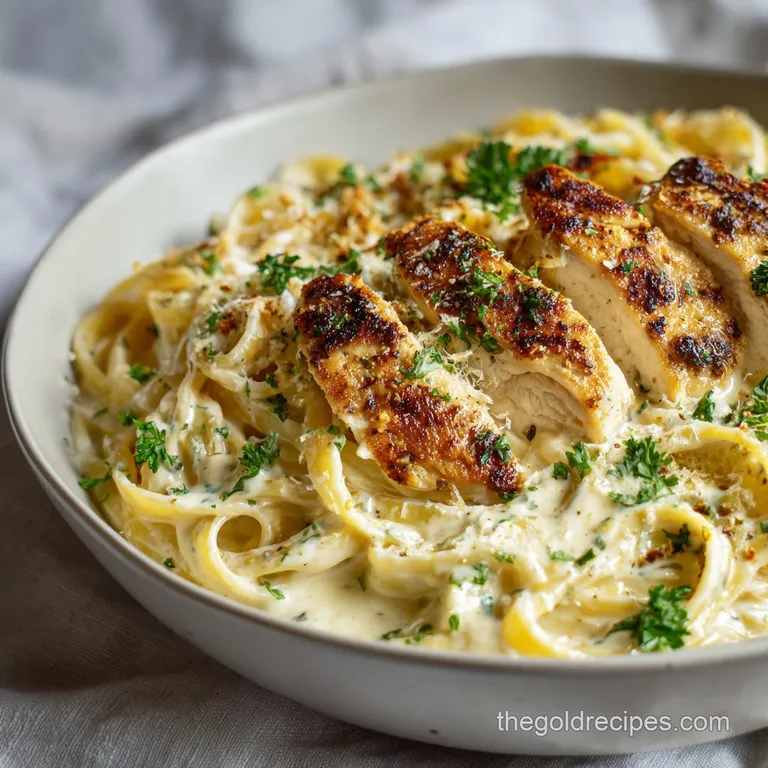
Let's get into the flow. The goal here is to build layers of flavor without ever leaving the stove.
- Heat 2 tbsp olive oil over medium high heat. Add the seasoned 1 lb boneless skinless chicken breast cubes in a single layer. Cook without moving them for 2-3 minutes until a mahogany colored crust forms, then flip and cook for another 2 minutes. Once golden and cooked through, remove chicken to a plate. Note: Not crowding the pan prevents the chicken from steaming
- In the same pan, melt 2 tbsp unsalted butter. Stir in the 3 cloves minced garlic and cook for 30-60 seconds until fragrant, but not brown.
- Pour in the 2 cups chicken broth and 1 cup heavy cream, scraping the bottom of the pan to release the flavor bits. Stir in the 12 oz penne pasta.
- Bring to a gentle simmer, then cover with a lid. Cook for 10-12 minutes, stirring occasionally to prevent sticking, until the pasta is al dente and the liquid has reduced by half.
- Turn the heat to low. Stir in the 1 cup freshly grated Parmesan cheese and 1/4 tsp ground nutmeg. Stir constantly for 1 minute until the sauce becomes glossy and velvety.
- Fold the seared chicken back into the pan. Garnish with 2 tbsp chopped fresh parsley.
Chef's Note: If you want a deeper flavor, try adding a pinch of espresso powder or a splash of dry white wine after the garlic. It doesn't make it taste like coffee or wine, but it adds a complex, savory undertone that mimics a restaurant style sauce.
Solving the Common Pasta Problems
Even the best recipes can hit a snag if the heat is too high or the timing is off. Most issues with this dish come down to the liquid to starch ratio. According to Serious Eats, cooking pasta directly in a sauce allows the released starches to naturally thicken the liquid, which is why this one pot method is so effective.
Troubleshooting Common Issues
| Issue | Solution |
|---|---|
| Why Your Sauce is Too Thin | If the sauce looks more like a soup than a glaze, you likely didn't simmer it long enough or your lid wasn't tight. The liquid needs to reduce by about half to achieve that clingy consistency. If this |
| Why Your Sauce Looks Broken | A "broken" sauce is when the fat separates from the liquid, leaving oily streaks on top. This usually happens if the heat is too high when you add the Parmesan. Cheese is sensitive to heat; if it boil |
| Why Your Chicken is Rubbery | Rubberiness comes from overcooking. If you leave the chicken in the pan while the pasta simmers, it will turn into erasers. This is why we sear the chicken first, remove it, and only fold it back in a |
Creative Flavor Twists
Once you've nailed the best one pot chicken alfredo pasta, you can start playing with the profile. The beauty of a cream based sauce is that it acts as a canvas for other flavors. I often find myself adding a handful of baby spinach during the final minute of simmering; the residual heat wilts the greens perfectly without overcooking them.
For those who love a bit of heat, a pinch of red pepper flakes added with the garlic creates a wonderful contrast to the rich cream. If you're feeling fancy, a squeeze of fresh lemon juice right before serving cuts through the fat and brightens the whole dish.
If you're craving something with a slightly different vibe, my marry me chicken pasta offers a similar creaminess but with sun dried tomatoes and basil for a zesty twist.
Quick Decision Guide: If you want more nutrients, add 2 cups of frozen peas or broccoli during the last 5 mins of simmering. If you want a smokier taste, swap the olive oil for 1 tbsp of smoked paprika rubbed on the chicken.
If you want a lighter version, replace half of the heavy cream with whole milk and add an extra tablespoon of Parmesan.
Storage and Zero Waste
This dish is a powerhouse for meal prep, though cream sauces can be finicky when reheated. Store your leftovers in an airtight container in the fridge for up to 3 days. When you reheat it, the pasta will have absorbed most of the sauce, making it look a bit dry.
The trick is to add a splash of milk or chicken broth before microwaving; this loosens the sauce back up to that velvety state.
For freezing, I'm honest with you: I don't recommend it. Cream based sauces often separate and become grainy after thawing. If you must freeze it, do so for no more than 1 month, and be prepared to whisk in a bit of fresh cream during the reheat.
To keep things zero waste, don't throw away those parsley stems. I usually chop them finely and freeze them in an ice cube tray with olive oil. Whenever I need to start a sauté, I just pop one of those cubes into the pan.
Similarly, if you have a bit of leftover Parmesan rind, throw it into your next pot of soup for a massive boost of savory flavor.
The Final Serving Tips
Plating is where you turn a weeknight meal into something that feels special. Instead of just scooping it onto a plate, use a pasta fork to twirl the penne into a neat mound. The sauce should be thick enough to coat the pasta entirely, with the mahogany colored chicken nestled on top.
A final sprinkle of fresh parsley and a crack of black pepper are essential. The green pops against the creamy white sauce, and the pepper cuts through the richness. I like to serve this with a simple side of steamed asparagus or a crisp arugula salad with a lemon vinaigrette to balance the meal.
If you're serving this for a crowd, keep the pot on the lowest possible heat setting. If it sits too long, the pasta will continue to soak up the sauce. If it gets too thick while you're setting the table, just stir in a tablespoon of warm water or broth to bring back the gloss.
Stovetop vs. Oven Comparison:
| Feature | Stovetop (One Pot) | Oven Baked |
|---|---|---|
| Texture | Silky and creamy | Gooey and crusty |
| Time | 30 minutes | 45-60 minutes |
| Effort | Low (one pan) | Medium (pan + oven) |
| Best For | Weeknight dinner | Sunday family feast |
Recipe FAQs
Why is my one pot chicken alfredo sauce too thin?
Simmer longer or ensure your lid is tight. The liquid must reduce by half during the 10-12 minute cook time to achieve a clingy consistency.
Why did my alfredo sauce separate or look broken?
Lower the heat before adding the Parmesan. Cheese is sensitive to high temperatures and will separate into oily streaks if it boils.
Why is the chicken rubbery?
Avoid overcooking the meat. Sear the cubes for 2-3 minutes per side and remove them from the pan before simmering the pasta to prevent toughening.
How to reheat leftover chicken alfredo without it getting dry?
Stir in a splash of chicken broth before microwaving. This loosens the sauce back to a velvety state after the pasta has absorbed moisture in the fridge.
Is it true that I can freeze this pasta for several months?
No, this is a common misconception. Cream based sauces often separate and become grainy after thawing, so it is best stored in the fridge for up to 3 days.
How to get a mahogany crust on the chicken?
Cook the cubes in a single layer over medium high heat. Leave them undisturbed for 2-3 minutes to allow the crust to form before flipping.
Can I customize this dish with different flavors?
Yes, you can add vegetables or extra seasonings. If you prefer a more intense flavor profile, try the marry me chicken for a different take on creamy pasta.
One Pot Chicken Alfredo Pasta