Million Dollar Spaghetti: Cheesy Pasta Casserole
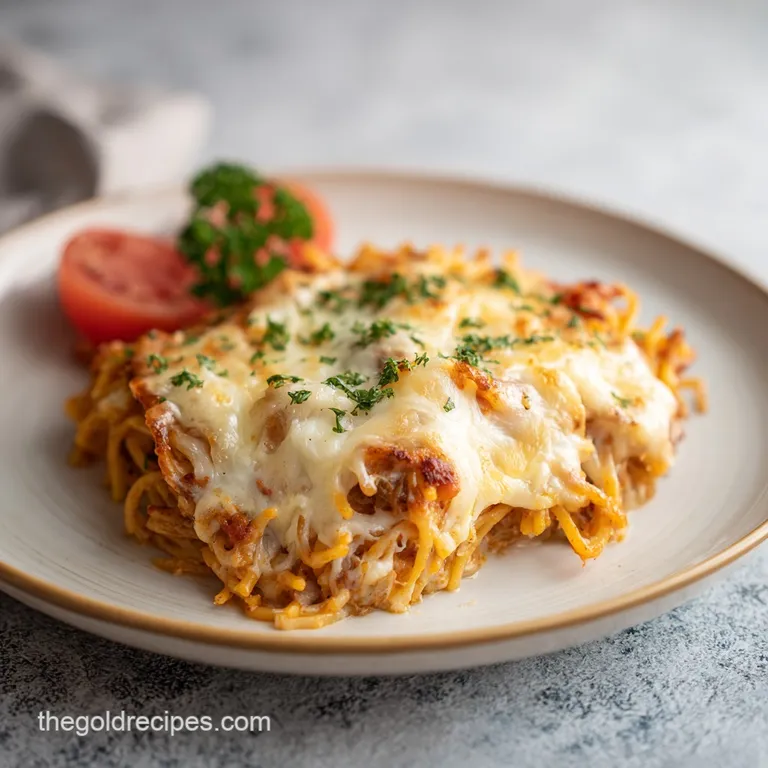
- Time: Active 20 minutes, Passive 40 minutes, Total 60 minutes
- Flavor/Texture Hook: Velvety cheese core with a crispy mozzarella shatter
- Perfect for: High yield meal prep or crowd-pleasing dinner
- Decoding the Viral Million Dollar Spaghetti
- The Science Behind the Melt
- Component Analysis and Ratios
- Sourcing Your Core Elements
- Essential Tools for Precision
- Executing the Perfect Build
- Solving Common Texture Failures
- Hacking Size and Flavor
- Preserving the Pasta Architecture
- Final Presentation and Pairings
- Very High in Sodium
- Recipe FAQs
- 📝 Recipe Card
Decoding the Viral Million Dollar Spaghetti
Listen, I used to think this was just a fancy name for a basic pasta bake. Then I actually looked at the chemistry of the middle layer. The first time I heard that sizzle as I pulled a pan of Million Dollar Spaghetti out of the oven, I knew I’d stumbled onto a massive flavor hack.
The aroma of browning Italian sausage hit the kitchen, and when I poked a fork into the crust, it gave that satisfying "shatter" sound that only happens when the cheese reaches the exact right moisture to fat ratio.
We’ve all made that mistake where a baked pasta ends up as a dry, spongy block of regret. I once served a casserole so parched it could have doubled as acoustic foam. This version fixes that by treating the spaghetti like a structural element rather than just a filler.
It’s about the physics of the bake, and trust me, once you see how that cream cheese and sour cream layer acts as a thermal barrier, you won't go back to plain marinara.
We are going to decode exactly why this works so well. We aren't just tossing noodles in a pan; we are building a multi level savory architecture. You’re going to get that rich, velvety mouthfeel in every bite, contrasted by the sharp bite of parmesan. If you've enjoyed the texture of my Crispy Air Fryer recipe, you'll recognize the same obsession with getting that outer crunch just right.
The Science Behind the Melt
1. Lipid Barrier Moisture Protection
The Moisture Lock: By coating the noodles in a blend of cream cheese and sour cream, we create a hydrophobic barrier. This prevents the marinara from being absorbed into the starch, keeping the pasta firm and the sauce bright.
2. Dual Protein Maillard Synergy
Flavor Compounding: Using a 50/50 split of ground beef and Italian sausage introduces a wider array of amino acids. When these sizzle in the pan, the browning reaction (Maillard) creates a complexity that beef alone cannot achieve.
3. Casein Structural Integrity
The Melt Profile: The combination of mozzarella for stretch and parmesan for protein structure ensures the topping doesn't just turn into oil. The parmesan provides a scaffold for the mozzarella to cling to, creating that perfect shatter crust.
| Prep Method | Active Time | Texture Outcome | Best For |
|---|---|---|---|
| Fresh Sauce | 45 minutes | Bright, acidic | Weekend projects |
| Shortcut Sauce | 5 minutes | Consistent, savory | Fast weeknight |
| Cold Assembly | 10 minutes | Firm, set layers | Meal prepping |
Component Analysis and Ratios
The secret to this Million Dollar Spaghetti isn't just the ingredients; it's the specific ratios of fat to starch. I spent a whole weekend testing if we could swap the cottage cheese for more sour cream (spoiler: it becomes too runny).
You need that curd structure to keep the middle layer from collapsing under the weight of the meat sauce.
| Ingredient | Science Role | Pro Secret |
|---|---|---|
| Spaghetti (450g) | Structural base | Under cook by 2 minutes to allow for oven hydration. |
| Cream Cheese (225g) | Primary emulsifier | Bring to room temperature to avoid "white flecks" in the melt. |
| Italian Sausage (450g) | Fat and aromatics | Don't drain all the fat; it carries the spice into the noodles. |
| Mozzarella (225g) | Elasticity | Grate from a block; pre shredded has starch that inhibits the melt. |
Sourcing Your Core Elements
- 450g Spaghetti (dry): Go for a standard thickness. Angel hair will turn to mush, and bucatini is too thick for this specific layering. Why this? Provides the ideal surface area for the cheese emulsion to cling to.
- 30ml Salt: For the pasta water. We need the noodles seasoned from the inside out.
- 28g Unsalted Butter: Used to toss the noodles. Why this? Prevents sticking before the cheese layer is added.
- 450g Lean Ground Beef: 90/10 is best so the dish isn't swimming in grease.
- 450g Italian Sausage: Use mild or spicy depending on your heat tolerance.
- 680g Marinara Sauce: Choose a high-quality brand with low added sugar.
- 5ml Dried Oregano: Adds that classic herb backbone.
- 2.5ml Red Pepper Flakes: Just enough to wake up the palate.
- 225g Cream Cheese: Must be full fat for the correct emulsion.
- 240ml Sour Cream: Adds necessary acidity to cut through the heavy fats.
- 240ml Cottage Cheese: Provides the "curd" structure that mimics ricotta but with more moisture.
- 2 Cloves Garlic: Minced fine.
- 60ml Fresh Parsley: Chopped, for a hit of freshness.
- 225g Shredded Mozzarella: The primary "pull" cheese.
- 60g Freshly Grated Parmesan: For the umami crust.
| Original Ingredient | Substitute | Why It Works |
|---|---|---|
| Italian Sausage | Ground Pork + Fennel | Mimics the flavor profile if you can't find bulk sausage. |
| Cottage Cheese | Whole Milk Ricotta | Drier texture, more traditional "lasagna" feel. |
| Sour Cream | Greek Yogurt | Similar tang but slightly higher protein and thicker body. |
Essential Tools for Precision
To get this right, you need a high walled baking dish. I prefer a 23x33 cm ceramic dish because ceramic holds heat more evenly than glass, which helps the bottom layer of noodles avoid getting "crusty" before the top is melted.
You'll also want a heavy bottomed skillet cast iron or stainless steel to get that deep brown sear on the meat.
Chef's Tip: Freeze your mozzarella block for 10 minutes before grating. It firms up the fats, making it easier to shred without it clumping or tearing.
Executing the Perfect Build
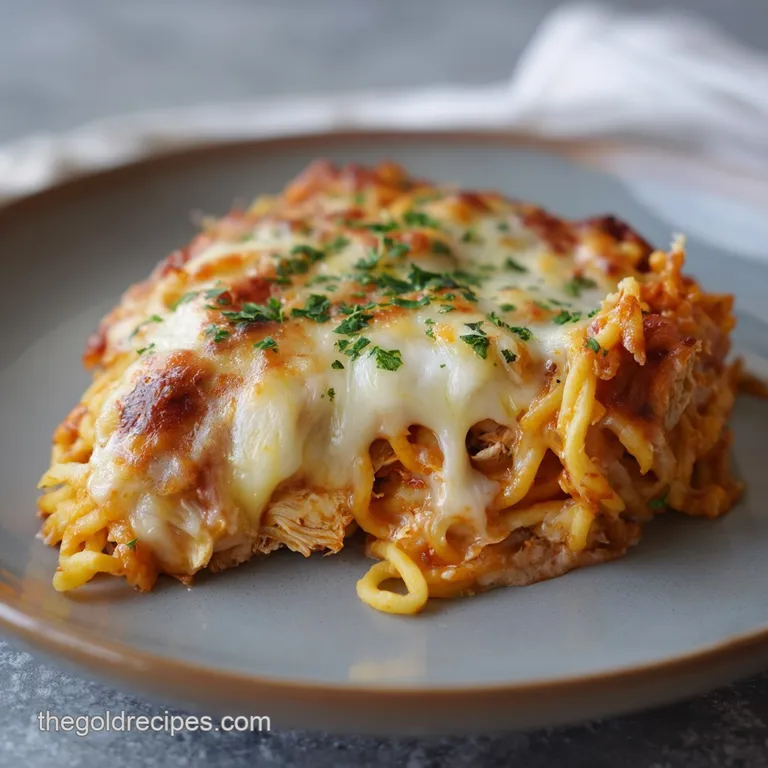
- Boil the pasta. Bring a large pot of water with 30ml salt to a boil. Cook 450g spaghetti until just shy of al dente (about 2 minutes less than the box says). Note: It finishes cooking in the oven.
- Butter the noodles. Drain the pasta and toss with 28g butter while hot. Set aside.
- Brown the meat. In a large skillet, cook 450g beef and 450g sausage until deeply browned and crumbly.
- Simmer the sauce. Stir in 680g marinara, oregano, and red pepper flakes. Let it bubble for 5 minutes.
- Mix the cream layer. In a medium bowl, stir together 225g softened cream cheese, 240ml sour cream, and 240ml cottage cheese.
- Add aromatics. Fold in 2 minced garlic cloves and 60ml parsley into the white mixture.
- Layer the base. Spread half of the buttered spaghetti in the bottom of a 23x33 cm greased dish.
- Apply the emulsion. Spread the entire cream cheese mixture over the noodles until they are fully covered.
- Complete the stack. Layer the remaining noodles, then pour the meat sauce over the top.
- Add the finish. Sprinkle 225g mozzarella and 60g parmesan over the sauce. Bake at 180°C for 40 minutes until the cheese is golden and bubbling.
Similar to the method in our No Bake Strawberry recipe, keeping your dairy components at the right temperature during assembly ensures a smooth, non gritty texture.
Solving Common Texture Failures
1. The "Soggy Noodle" Solution
If your pasta feels mushy, it’s usually because the noodles were fully cooked before entering the oven. The sauce and the cheese layer provide a massive amount of moisture. If the starch is already saturated, it can't absorb the flavors of the sauce and instead just breaks down.
2. Temperature Management
Cold cream cheese is the enemy. If you try to mix it while cold, it will stay in small, firm chunks that never fully integrate. You’ll end up with "spots" of white in your dish rather than a velvety, uniform layer.
| Problem | Root Cause | Solution |
|---|---|---|
| Oily surface | Low quality cheese | Use block cheese and avoid "oily" pre cooked sausages. |
| Dry middle | Not enough cream layer | Ensure the cream cheese mix reaches the very edges of the pan. |
| Separated sauce | Oven too hot | Keep it at 180°C; higher temps break the dairy emulsion. |
Common Mistakes Checklist: ✓ Stop the pasta boil early; it should have a firm "snap" when you bite it. ✓ Pat the meat dry if it's releasing too much water before browning. ✓ Don't drain every drop of sausage fat; that's where the spice lives.
✓ Let the dish rest for at least 10 minutes before cutting to set the layers. ✓ Use fresh garlic the jarred stuff lacks the pungent sulfur needed to cut through the fat.
Hacking Size and Flavor
Scaling Down (1/2 batch): Use a square 20x20 cm pan. Reduce the bake time to 30 minutes. Since you can't easily use half a jar of sauce, use the extra as a dip for breadsticks.
Scaling Up (Double batch): Do not just stack it higher in one pan. Use two separate 23x33 cm dishes. If you try to bake a "double tall" version, the center will stay cold while the edges burn. For spices, only go up to 1.5x the oregano and pepper flakes to avoid overpowering the cheese.
1. The White Out Version
Swap the marinara for a heavy alfredo sauce. This creates a "white lasagna" effect that is incredibly rich. If you do this, add a handful of spinach to the meat layer to provide some visual contrast and fiber.
2. The Veggie Power Up
Replace half the meat with finely chopped mushrooms and zucchini. Sauté them until all their moisture has evaporated before adding the sauce, or you'll end up with a watery mess.
Preserving the Pasta Architecture
Storage: This Million Dollar Spaghetti is actually better the next day. The flavors continue to meld. Keep it in the fridge in an airtight container for up to 4 days.
Freezing: You can freeze this before or after baking. If unbaked, wrap tightly in foil and plastic wrap; it will last 3 months. Thaw in the fridge for 24 hours before baking as directed.
Reheating: To keep the velvety texture, reheat in the oven at 160°C covered with foil. If you use the microwave, add a tiny splash of water to the plate to create steam, preventing the noodles from getting rubbery.
Zero Waste: Don't throw away the parsley stems! Chop them ultra fine and sauté them with the garlic and meat for extra herbal punch.
Final Presentation and Pairings
When you pull this out of the oven,resist the urge to cut it immediately. Those 10 minutes of resting are vital. It allows the starches in the spaghetti to "lock" with the cheese emulsion. If you cut it too soon, the layers will slide apart, and you'll lose that distinct architectural look.
- 1. Pasta Temp
- Ensure the water is at a rolling boil (100°C) before adding noodles.
- 2. Meat Color
- The beef should reach an internal temp of 71°C during browning.
- 3. Oven Calibration
- Use an oven thermometer to ensure you are at a true 180°C.
If you want X, do Y: If you want a crispier top, broil for the last 2 minutes of cooking. If you want a zippier flavor, add a squeeze of lemon juice to the cottage cheese mix.
If you want a sturdier slice, use 2 eggs beaten into the cream cheese layer.
Pair this with a simple arugula salad dressed with lemon and olive oil. The sharp bitterness of the greens acts as a necessary "reset" for your palate between bites of the rich, cheesy Million Dollar Spaghetti. Trust me, your friends are going to ask for this recipe every single time they come over.
Let's crack on and get that oven preheated!
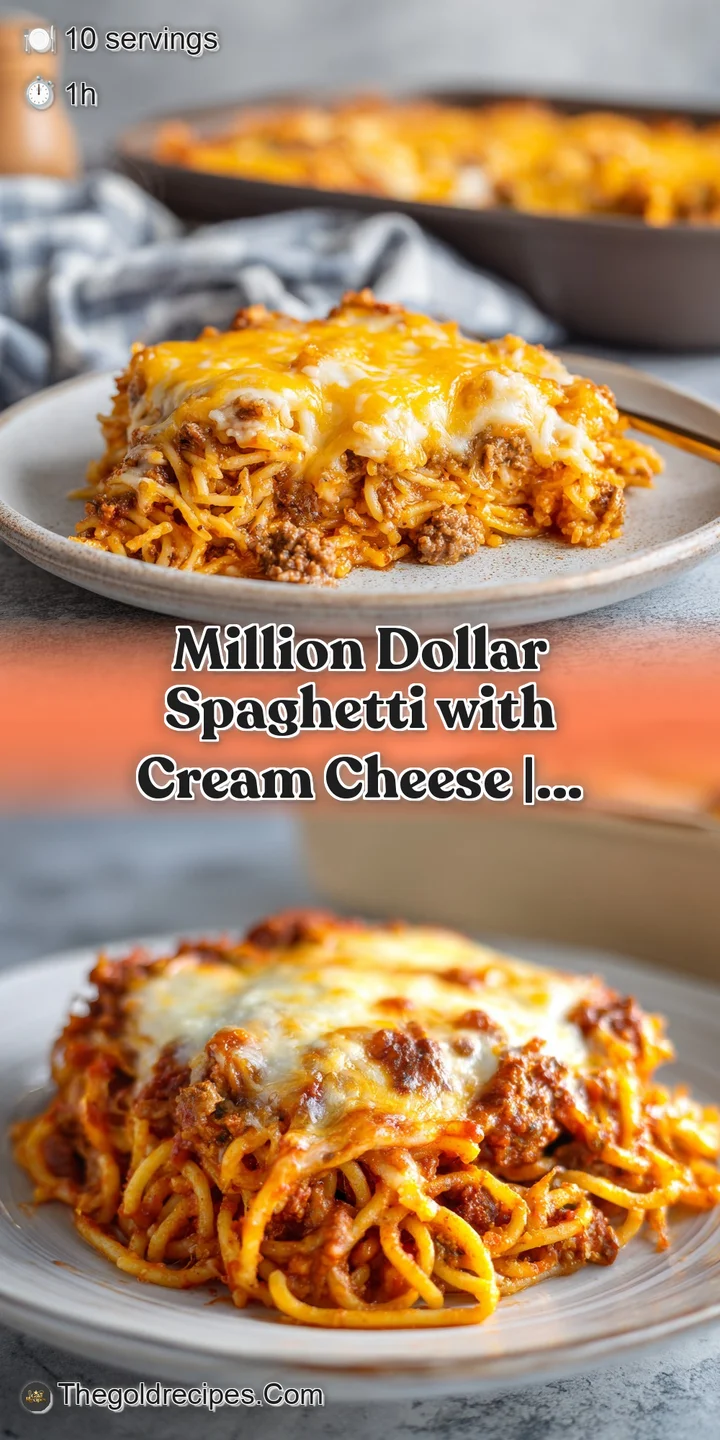
Very High in Sodium
1145 mg mg of sodium per serving (50% of daily value)
The American Heart Association recommends limiting sodium intake to about 2,300mg per day for overall cardiovascular health.
Tips to Reduce Sodium
-
Reduce/Replace Sausage-25%
Italian sausage is a significant source of sodium. Reduce the amount used by half or replace it entirely with an equal amount of lean ground beef to lower the overall sodium content.
-
Low-Sodium Cheese-15%
Opt for low-sodium mozzarella and cottage cheese options. These alternatives can significantly cut down on the sodium without drastically altering the flavor profile. Look for reduced sodium versions in your local grocery store.
-
Skip Salt in Pasta Water-10%
Eliminate the 30ml of salt added to the pasta water. While some salt is absorbed, the majority is discarded. This simple change can noticeably reduce the recipe's sodium content. Flavor the sauce instead!
-
Low-Sodium Marinara-10%
Choose a low-sodium marinara sauce or make your own from scratch using canned tomatoes (look for 'no salt added'), fresh herbs, and spices. Homemade marinara allows you to control the sodium levels completely.
-
Flavor with Herbs
Instead of relying on salt for flavor, experiment with fresh herbs like basil, oregano, and thyme, or spices like garlic powder and onion powder. These additions can enhance the taste of your dish without adding sodium. Consider adding a touch of lemon juice for brightness.
Recipe FAQs
What is the Million Dollar Spaghetti?
It is a baked spaghetti casserole built with a unique triple fat emulsion layer between the noodles and meat sauce. This process prevents noodle desiccation and creates a hybrid texture between a deep dish lasagna and a classic pasta bake.
Why is it called Million Dollar Pasta?
The name implies extreme richness and high flavor quality achieved through simple, accessible ingredients, specifically the combination of cream cheese, sour cream, and cottage cheese. This emulsion creates a luxurious mouthfeel often associated with high end dining hacks.
What is the one ingredient that makes spaghetti sauce so much better in this recipe?
The cream cheese/sour cream mixture acts as the key differentiator, not the sauce itself. This layer provides a hydrophobic barrier that locks moisture into the pasta while adding a deeply savory, velvety texture when baked.
What sides go with Million Dollar Spaghetti?
A simple, acidic green salad is the ideal pairing. Try an arugula salad dressed lightly with lemon juice and olive oil to cut through the richness of the cheese and meat layers.
Is it true that you should undercook the spaghetti before baking?
Yes, absolutely. Cook the spaghetti about 2 minutes shy of al dente because it finishes cooking in the oven while absorbing moisture from the sauce and cheese layers.
How do I stop the top cheese layer from separating or turning oily?
Use block cheese that you grate yourself, and maintain a moderate oven temperature around 180°C. Pre-shredded cheese contains starches that inhibit a smooth melt, leading to separation.
How do I prevent the bottom layer of noodles from becoming dry?
Ensure the entire cream cheese and cottage cheese mixture is spread evenly across the bottom layer of noodles. This layer acts as the thermal and moisture barrier, protecting the pasta from direct heat contact.
Million Dollar Spaghetti Recipe
Ingredients:
Instructions:
Nutrition Facts:
| Calories | 654 kcal |
|---|---|
| Protein | 37.6 g |
| Fat | 37.2 g |
| Carbs | 42.8 g |
| Fiber | 2.9 g |
| Sugar | 6.8 g |
| Sodium | 1145 mg |
