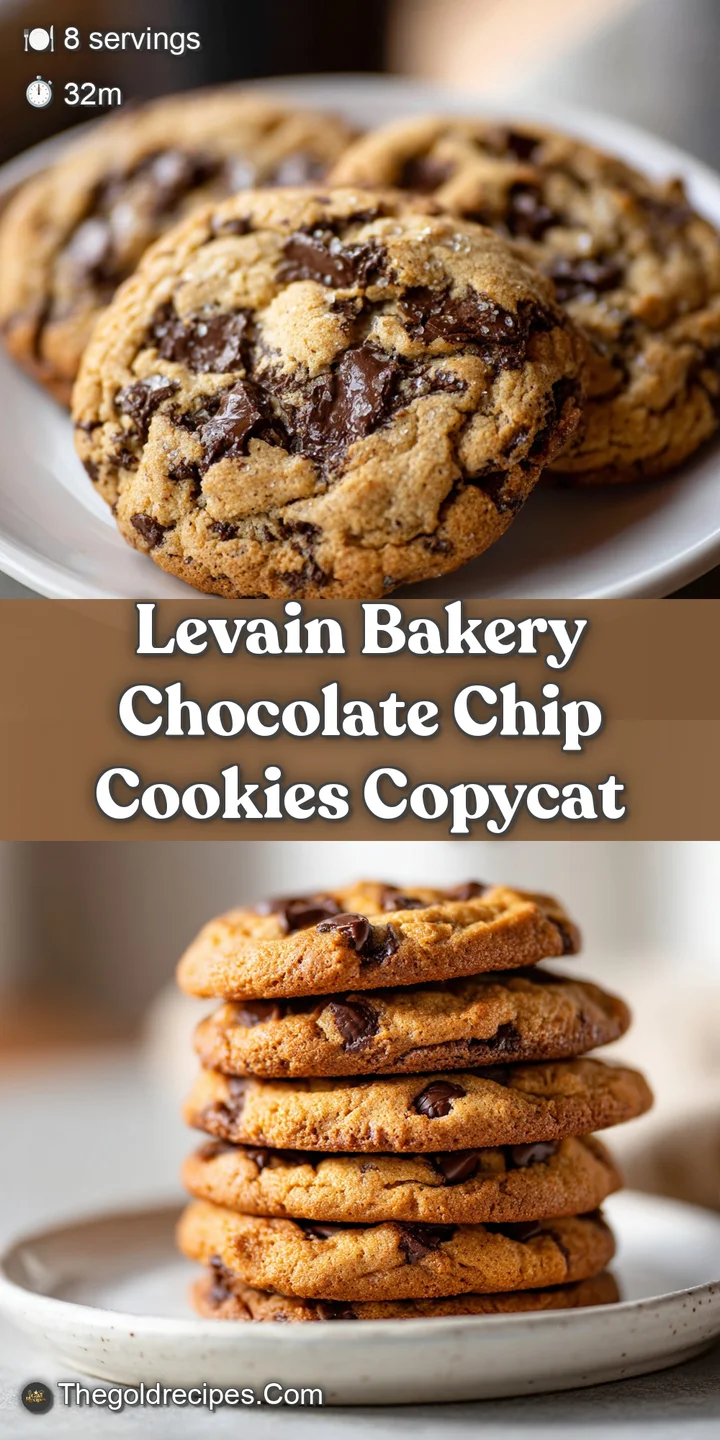
Levain Bakery Chocolate Chip Cookies Copycat
- Time: Active 20 minutes, Passive 12 minutes, Total 32 minutes
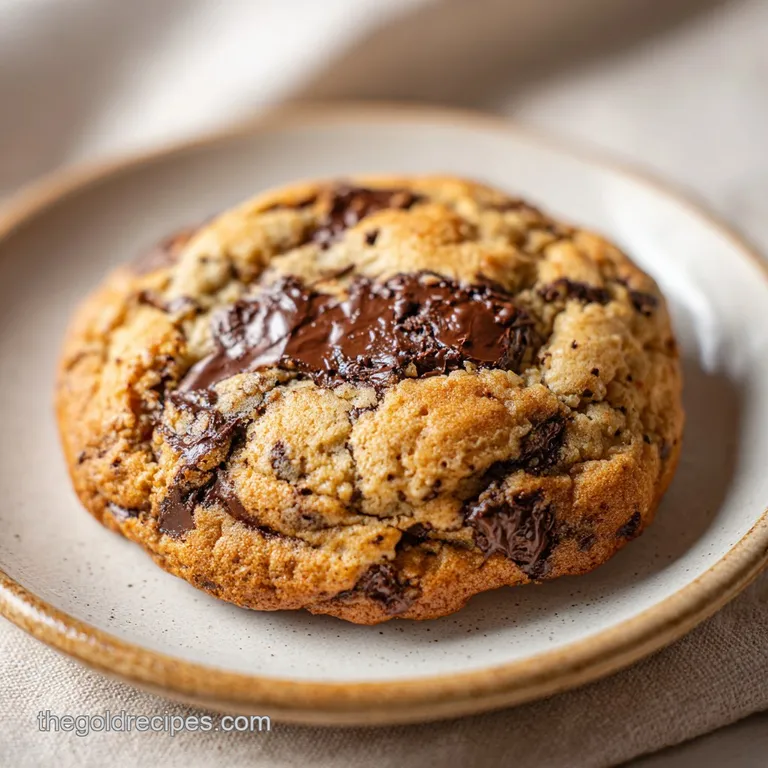
- Flavor/Texture Hook: Shatter crisp exterior with a velvety, fudge like core
- Perfect for: Showing off at dinner parties or serious late night cravings
- Decoding the Viral Levain Bakery Chocolate Chip Cookies Copycat
- Critical Recipe Specs and Precision Checkpoints
- The Science of the over High heat Rise
- Molecular Breakdown of the Key Cookie Components
- Essential Tools for High Volume Baking Success
- Ingredients & Substitutes
- From Prep to Plate: The Lab Procedure
- Troubleshooting Guide for Common Cookie Failure Points
- Scaling the Recipe for Different Batch Sizes
- Flavor Variations to Try and Experiment With
- Freezing and Reheating Guide for Long-Term Storage
- Presentation Tips for the Ultimate Bakery Look
- Cookie Science Myths Debunked
- Recipe FAQs
- 📝 Recipe Card
Decoding the Viral Levain Bakery Chocolate Chip Cookies Copycat
We have all seen the photos: a cookie the size of a fist, steam rising from a center that looks almost underbaked but tastes like pure luxury. I spent weeks hacking this recipe in my kitchen, trying to figure out how they get that incredible height without the dough spreading into a flat puddle.
It started when I brought a box back from NYC and realized my local bakery just couldn't compare to that specific, heavy set crumb.
After six failed batches that either turned out like cake or slumped into thin wafers, I realized the secret wasn't just the ingredients, but the temperature physics. This recipe is for those who want to skip the trial and error and get straight to the "shatter" sound when you break a warm cookie in half.
We are looking for that specific laboratory precision to ensure every single mound comes out of the oven looking like it cost six dollars.
This isn't your standard grocery store cookie. It is a dense, buttery architecture project designed for maximum chocolate saturation. We are going to decode the chemistry of "cold creaming" and flour protein levels to ensure you never have to stand in a forty minute line on 74th Street again.
Critical Recipe Specs and Precision Checkpoints
Before we touch the mixing bowl, we need to establish the technical parameters for success. Most bakers fail because they treat these like standard cookies, but we are hacking a high mass structure. The weight of each dough ball is non negotiable for the thermal gradient we need.
| Target Metric | Specific Value | Visual/Technical Cue |
|---|---|---|
| Individual Mass | 170g to 175g | Roughly the size of a large orange |
| Oven Temperature | 210°C (410°F) | High heat for immediate crust set |
| Internal Temperature | 82°C (180°F) | Ensures the "molten" yet safe center |
For Structural Integrity and Height
The primary goal here is to fight gravity. By using a specific ratio of all purpose flour to cake flour, we are manipulating the gluten content. High protein (AP flour) provides the "walls" of the cookie, while the lower protein (cake flour) ensures the interior remains tender rather than bread like.
For the Perfect "Tender but-Solid" Crumb
Cornstarch is our secret weapon for moisture retention. It interferes with gluten development just enough to keep the crumb tight and velvety. When paired with cold, cubed butter, it creates steam pockets that lift the dough upward instead of outward during the first five minutes of baking.
For Depth of Flavor Without the Chill
While many recipes demand a 24 hour fridge rest, our over high heat method bypasses this. We rely on a high ratio of light brown sugar (150g) to white sugar (100g). The molasses in the brown sugar acidifies the dough, reacting instantly with the baking soda to create lift and a rich, toasted caramel profile.
The Science of the over High heat Rise
Thermal Shock: The 210°C oven temperature causes the exterior starches to gelatinize and set before the cold butter in the center can melt and cause spreading.
This creates a pressurized environment inside the cookie, forcing the dough to expand upward and creating that iconic craggy peak.
| Cook Method | Prep Time | Exterior Texture | Interior Finish |
|---|---|---|---|
| Standard Oven | 12 minutes | Shatter crisp shell | Molten/Gooey |
| Toaster Oven | 15 minutes | Extra dark edges | Soft but set |
| Stovetop (Walnuts) | 5 minutes | Evenly toasted | Nutty/Oily |
Choosing the right method for toasting your walnuts is the first step. While the oven is preheating, a quick stovetop toast in a dry skillet allows you to monitor the oils surfacing on the 225g of walnuts, ensuring they don't burn. This brings a smoky depth that balances the 340g of semi sweet chocolate chips.
Molecular Breakdown of the Key Cookie Components
To master the levain bakery chocolate chip cookies copycat, we must treat the ingredients as chemical reactants. Every gram of the 1,100+ calorie per-serving density serves a purpose in the final architecture.
| Component | Science Role | Pro Secret |
|---|---|---|
| Cold Butter | Fat Suspension | Use 225g straight from the fridge to prevent early spread |
| Cake Flour | Protein Reduction | 180g prevents the cookie from becoming too "tough" or chewy |
| Baking Soda | Maillard Reactor | ¾ tsp creates the deep browning on the craggy peaks |
| Cornstarch | Moisture Magnet | 1 tsp keeps the center fudgy for up to three days |
Selecting the right fat is vital for the levain bakery chocolate chip cookie recipe. I once tried using softened butter out of habit, and the cookies turned into literal pancakes. Trust the cold, cubed butter; it is the structural backbone of this entire operation.
Essential Tools for High Volume Baking Success
You don't need a professional laboratory, but a few specific tools will make this levain bakery chocolate chip cookie recipe no walnuts (or with walnuts!) much easier to manage.
- Kitchen Scale: To hit that 170g per cookie target, volume measurements are too risky.
- Stand Mixer: The cold butter requires a powerful motor to cream into the sugars without melting.
- Heavy Baking Sheet: A light colored, rimmed baking sheet prevents the bottoms from scorching before the tops are golden.
- Silicone Mat or Parchment: Essential for the 340g of chocolate chips that will inevitably try to stick to your pan.
For those looking to diversify their dessert skills, the precision used here is very similar to the measurements needed for a Chocolate Peanut Butter recipe, where the balance of fats and sugars determines the final viscosity.
Ingredients & Substitutes
- Cold Unsalted Butter (225g): The engine of the cookie. Why this? Cold fat creates steam pockets for maximum height.
- Substitute: Salted butter (reduce kosher salt by half).
- Light Brown Sugar (150g): For moisture and acidity. Why this? Reacts with soda for lift.
- Substitute: Dark brown sugar (adds more intense molasses flavor).
- Granulated White Sugar (100g): For crisp edges.
- Substitute: Coconut sugar (note: will result in a darker, grainier texture).
- All Purpose Flour (190g): For structure.
- Substitute: Bread flour (note: will create a much chewier, tougher cookie).
- Cake Flour (180g): For a tender crumb. Why this? Lowers total protein content to 9-10%.
- Substitute: DIY cake flour (remove 2 tbsp AP flour, replace with 2 tbsp cornstarch).
- Cornstarch (1 tsp): For the "soft set" center.
- Baking Soda (¾ tsp): For browning and leavening.
- Kosher Salt (¾ tsp): To balance the sugar.
- Semi Sweet Chocolate Chips (340g): Use high-quality chips for the best melt.
- Walnuts (225g): Roughly chopped for texture.
From Prep to Plate: The Lab Procedure
This method is about speed and temperature control. Do not let the dough sit at room temperature for long, or the "flash bake" effect will be lost.
1. The Cold Creaming Phase
Place the 225g of cold, cubed butter in the mixer with both sugars. Beat on medium high until the butter is broken down into small, pebbly pieces but not fully smooth. Note: Keeping the butter cold is the "hacker" secret to the Levain height.
2. The Dry Ingredient Fold
Whisk the 190g AP flour, 180g cake flour, cornstarch, soda, and salt in a separate bowl. Add to the mixer and pulse until just a few streaks of white remain.
3. Sculpting the Craggy Mounds
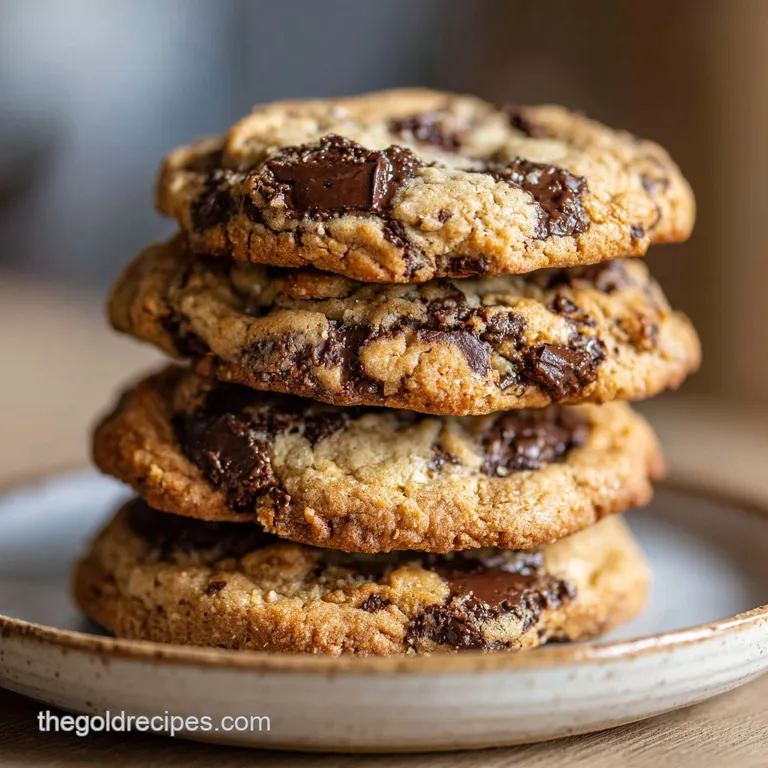
Fold in the 340g chocolate chips and 225g walnuts by hand. Divide the dough into 8 equal portions (roughly 170g each). Do not roll them into smooth balls; instead, pull the dough apart and press it back together loosely to create a rough, craggy surface.
4. The over High heat Flash Bake
Place the mounds on a parchment lined sheet and bake at 210°C (410°F) for 10 to 12 minutes until the peaks are deep golden brown. Note: The centers will look slightly wet; this is intentional for the velvety finish.
Chef's Tip: Freeze your chocolate chips for 15 minutes before folding them in. This prevents the friction of the mixer from melting the chocolate into the dough, keeping your "chip to dough" contrast sharp and professional.
Troubleshooting Guide for Common Cookie Failure Points
Even with the best instructions, the levain bakery chocolate chip cookies copycat can be temperamental if your oven calibration is off or your butter was too warm.
Factors Causing Flat Cookies
If your cookies spread into each other, the butter likely reached room temperature during the mixing process. High mass cookies rely on solid fat to hold the shape while the crust sets.
| Problem | Root Cause | Solution |
|---|---|---|
| Excessive Spreading | Butter was too soft | Chill the shaped dough balls for 15 mins before baking |
| Pale and Cakey | Oven temp too low | Use an oven thermometer to verify the 210°C (410°F) mark |
| Dry/Crumbly Texture | Overbaked | Pull from oven when the internal temp hits 82°C (180°F) |
Common Mistakes Checklist
- ✓ Never over mix after adding the eggs; this incorporates too much air and leads to a "cake" texture.
- ✓ Avoid rolling the dough balls into smooth spheres; the craggy edges are what catch the heat and brown perfectly.
- ✓ Do not skip the cake flour; using 100% all purpose flour will make the cookies too dense and bread like.
- ✓ Ensure your baking soda is fresh; test it with a drop of vinegar to see if it sizzles before starting.
For More Even Browning
If your oven has "hot spots," the cookies in the back might burn while the front ones stay pale. Rotate the pan exactly halfway through the 12 minute bake time to ensure the NYC chocolate chip cookie recipe copycat develops a uniform mahogany crust.
To Fix a "Dry" Cookie
A dry cookie usually means the protein in the flour was overworked or the bake time was too long. If they come out too firm, try reducing the AP flour by 10g in the next batch or pulling them out 60 seconds earlier.
Remember, carryover cooking will continue to set the center for 10 minutes after they leave the oven.
Scaling the Recipe for Different Batch Sizes
Adjusting this recipe requires careful attention to the "egg ratio," as 2 large eggs are perfect for 8 massive cookies but tricky to split for smaller batches.
- Cutting the Batch (Half): Use 112g butter and exactly 1 large egg. Reduce the baking time by only 1 minute, as the mass of the individual cookie remains the same.
- Doubling the Batch: Do not simply double the baking soda. Use 1.25 tsp of soda instead of 1.5 tsp to avoid a metallic aftertaste. Work in two separate baking batches to prevent overcrowding the oven, which drops the temperature too quickly.
- Baking Large Batches: If you are making 16+ cookies, keep the shaped dough in the fridge while the first tray bakes. This maintains the thermal shock required for the levain bakery cookie recipe double chocolate or classic versions.
Flavor Variations to Try and Experiment With
Once you have mastered the base architecture, you can start hacking the flavor profile to match other famous NYC bakery offerings.
For a Nut Free Alternative
Replace the 225g of walnuts with an equal weight of toasted sunflower seeds or simply increase the chocolate chips to 450g. If you omit the walnuts entirely, add an extra 20g of all purpose flour to compensate for the lost structural volume.
For a Levain Bakery Cookie Recipe Double Chocolate Twist
To transform this into the dark chocolate version, remove 40g of the all purpose flour and replace it with 40g of high-quality Dutch processed cocoa powder. Swap the semi sweet chips for 340g of peanut butter chips or white chocolate chunks for a viral ready contrast.
Freezing and Reheating Guide for Long Term Storage
The best levain chocolate chip cookie recipe is the one you have ready in the freezer for emergencies. Because these are so large, they freeze exceptionally well.
- Storage: Keep baked cookies in an airtight container at room temperature for up to 3 days. Do not refrigerate, as this dries out the starch structure.
- Freezing: Freeze unbaked dough balls on a tray for 2 hours, then transfer to a freezer bag for up to 2 months.
- Reheating: To get that "just baked" molten center, heat a frozen dough ball at 190°C (375°F) for 15-18 minutes. For a pre baked cookie, 30 seconds in the microwave or 5 minutes in a 150°C (300°F) oven will revive the velvety interior.
- Zero Waste: If you have leftover walnut fragments or chocolate dust from the bottom of the bag, toss them into a blender for a quick smoothie boost. They pair perfectly with a Chocolate Peanut Butter recipe for an extra layer of crunch.
Presentation Tips for the Ultimate Bakery Look
The "Levain look" is all about controlled chaos. You want the cookies to look like they were scooped with a heavy hand and barely held together.
The Iconic Craggy Top
When portioning the 170g mounds, don't use a standard ice cream scoop. Instead, use two large spoons to "pile" the dough upward. This creates peaks and valleys that caramelize at different rates, giving you a beautiful variegated color across the surface.
The Ultimate Pairing
These cookies are incredibly rich (nearly 900 calories each!), so they need something to cut through the fat. A cold glass of whole milk is the classic choice, but a bitter espresso or a sharp black tea provides the necessary contrast to the 61g of sugar per serving.
Cookie Science Myths Debunked
Room temperature butter is always better: This is a myth for high height cookies. Room temperature butter incorporates too much air during creaming, leading to a cakey texture that collapses. Cold butter is the "hacker's" choice for density and height.
Chilling dough for 24 hours is mandatory: While chilling helps flavor development in thin cookies, our over high heat method (210°C) provides enough of a thermal barrier to get the same results instantly. The science of "flash baking" replaces the need for the long chill.
Silicone mats prevent browning: Actually, high-quality silicone mats (like Silpat) provide a more even heat distribution than parchment paper, which can sometimes lead to hot spots on the bottom of these massive 175g cookies. Use whatever you have, but watch the bottoms carefully at the 10 minute mark.
Recipe FAQs
What specific temperature is required for the oven to achieve the "flash bake" effect?
Bake at 210°C (410°F). This extremely high heat immediately sets the exterior starch structure, forcing the cookie mass to rise upward instead of spreading outward.
How should I portion the dough to ensure the correct height and molten center?
Weigh each portion to 170g to 175g. Do not roll them smooth; instead, use spoons to pile the dough loosely, creating a rough surface for an uneven, craggy rise.
Is it true that using a mix of AP and cake flour is necessary for the texture?
Yes, this dual flour approach is critical. The high protein AP flour builds the structural walls, while the lower protein cake flour ensures the interior remains tender rather than becoming tough.
Must I chill the dough overnight to replicate the bakery flavor?
No, the 12-minute bake time bypasses the need for extended chilling. The combination of high heat and the sugar ratio creates the necessary browned, caramelized flavor instantly.
How do I know when the cookie is perfectly baked with a molten center?
Pull the cookie when the internal temperature hits 82°C (180°F). The centers will look slightly underdone and wet, but carryover cooking will finish them perfectly after they rest.
Why is using cold butter crucial for this recipe?
Cold, cubed butter creates steam pockets that force the dough upward. If the butter is soft, it melts too quickly, causing the cookie architecture to collapse into a flat shape.
How do I properly store the unbaked dough for later use?
Freeze the shaped dough balls on a tray for two hours until solid. Then transfer the frozen mounds to an airtight bag for storage up to two months.
Levain Copycat Cookie Recipe
Ingredients:
Instructions:
Nutrition Facts:
| Calories | 896 kcal |
|---|---|
| Protein | 11.9 g |
| Fat | 54.4 g |
| Carbs | 110.5 g |
| Fiber | 6.2 g |
| Sugar | 61.3 g |
| Sodium | 235 mg |
