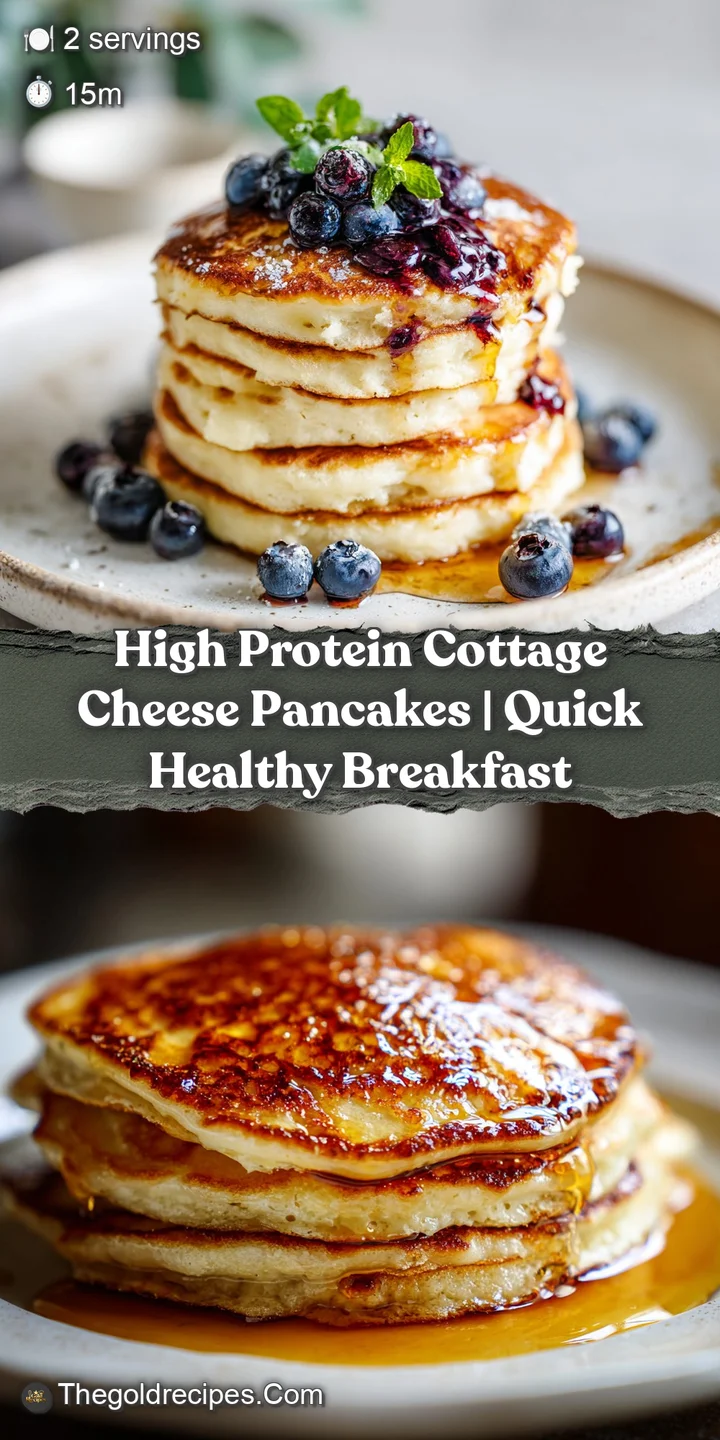
High Protein Cottage Cheese Pancakes
- Time: Active 5 mins, Passive 10 mins, Total 15 minutes
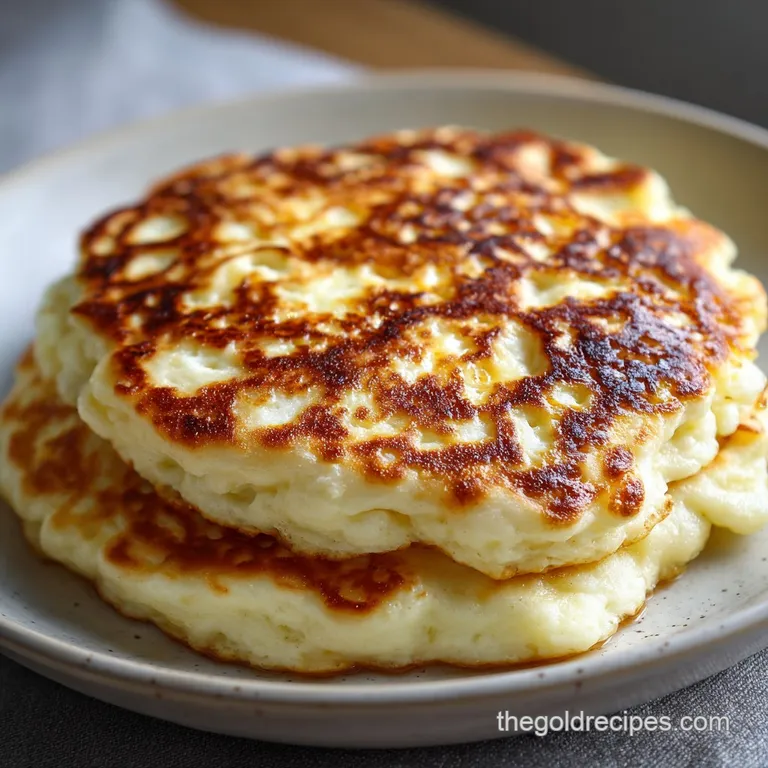
- Flavor/Texture Hook: Tender, custardy centers with a golden, buttery exterior
- Perfect for: High performance fuel or a lazy Sunday brunch that won't cause a sugar crash
- The Secrets of High Protein Cottage Cheese Pancakes
- The Protein Structure Secret
- Essential Technical Recipe Specifications
- Essential Elements for Your Morning Batter
- Necessary Tools for Flawless Cooking
- Simple Steps for Golden Fluffy Stacks
- Troubleshooting Common Pancake Mistakes
- Scaling the Recipe Up
- Busting Common Pancake Myths
- Storage and Zero Waste
- Recipe FAQs
- 📝 Recipe Card
The Secrets of High Protein Cottage Cheese Pancakes
Picture this: the sun is just hitting the kitchen counter, and you've got a knob of unsalted butter hitting a warm skillet. There's that distinctive sizzle, followed immediately by the scent of toasted cinnamon and warm vanilla.
Most people think of cottage cheese as that sad, cold side dish from 1980s diet plates, but when it hits the heat inside a batter, something magical happens. It melts into the crumb, creating a moisture level that regular flour heavy recipes just can't touch.
I remember the first time I tried making these. I was terrified the curds would just weep water into the pan and leave me with a soggy, scrambled mess. I almost threw the whole batch away before I even flipped the first one.
But then I saw those tiny bubbles forming on the edges, and that "cheesecake aroma" started filling the room. One flip later, I was staring at a bronzed, puffy disc that looked better than any diner stack I'd ever ordered.
We aren't here for those dry, cardboard tasting protein rounds you find in the freezer aisle. This version is about bridging that gap between fitness goals and actual cravings. It's about refusing boring healthy food and making something you'd actually want to serve to a friend who doesn't even care about macros.
Trust me on this: once you taste that velvety interior, there's no going back to the box mix.
The Protein Structure Secret
While most flapjacks rely on heavy gluten networks for structure, this recipe uses a clever bit of kitchen chemistry to get that lift. The combination of whey and egg proteins creates a stable matrix that holds air much more effectively than wheat alone.
- Protein Denaturation: As the eggs and cottage cheese heat up, their proteins uncoil and then bond together, creating a solid "web" that traps steam for a towering rise.
- Starch Hydration: Letting the rolled oats sit in the liquid for just a few minutes allows them to soften and swell, ensuring the final bite isn't grainy or tough.
- Lactic Acid Activation: The mild acidity in the cottage cheese reacts with the baking powder, creating an immediate carbon dioxide release for maximum fluffiness.
- Richness
- Provided by the 225g of small curd cottage cheese and large eggs.
- Warmth
- Ground cinnamon and pure vanilla extract create an aromatic baseline.
- Crunch
- Rolled oats provide a subtle, earthy chew.
- Sweetness
- Minimal sugar from the whey protein powder keeps things balanced.
| Pancake Style | Texture | Cook Time | Protein Level |
|---|---|---|---|
| Fast (Blender) | Silky, custard like | 10 minutes | Very High |
| Classic (Bowl) | Hearty, chunky curds | 12 minutes | High |
| Traditional | Cakey, airy | 15 minutes | Low |
If you're looking for other ways to use this versatile ingredient, you might love my Viral Cottage Cheese recipe which takes a savory turn for lunch.
Essential Technical Recipe Specifications
Before we get the griddle hot, let's look at the numbers. Success in the kitchen usually comes down to three things: heat management, timing, and hydration. If your pan is too hot, the exterior will scorch before the custardy middle has a chance to set.
If you're too impatient with the flip, they'll shatter into pieces.
The moisture content here is higher than your average batter because of the cheese. This means we need a slightly longer, lower cook time to ensure the center isn't runny. Think of it more like cooking an omelet than a piece of toast. You want gentle heat that coaxes the proteins into a firm but tender state.
| Component | Target Value | Why It Matters |
|---|---|---|
| Pan Temp | Medium Low | Prevents burning while the center sets |
| Batter Rest | 5 minutes | Allows oats to hydrate for a smoother crumb |
| Flip Signal | Bubbles & Matte Edges | Ensures the structural integrity of the flip |
Essential Elements for Your Morning Batter
For the Protein Base
- 1 cup (225g) small curd cottage cheese: Use the full fat version if you can. Why this? The fat provides a richer mouthfeel and better structural stability during cooking.
- 2 large eggs: These act as the primary binder. Why this? Eggs provide the necessary lift and emulsification for the wet ingredients.
- 1 scoop (30g) vanilla whey protein powder: Choose a brand you like the taste of. Why this? It adds flavor and boosts the protein content to 34g per serving.
For the Dry Components
- 1/2 cup (50g) rolled oats: Old fashioned oats work best here. Why this? They provide a complex carbohydrate source that keeps you full longer.
- 1 tsp baking powder: Don't skip this for the rise. Why this? It reacts with the acidity in the cheese to create air pockets.
- 1/4 tsp ground cinnamon: A little goes a long way. Why this? It adds a natural sweetness without the need for extra sugar.
- 1 pinch sea salt: Just a tiny bit. Why this? Salt enhances the vanilla and cinnamon flavors, making them pop.
For the Pan
- 1 tbsp unsalted butter: For that golden crust. Why this? Butter provides a superior flavor and better browning than cooking spray.
- 1 tsp pure vanilla extract: Added to the wet mix. Why this? It rounds out the "cheesecake" flavor profile of the base.
For a different high protein treat that doesn't require a stove, check out my High Protein Cottage recipe for a quick snack.
Necessary Tools for Flawless Cooking
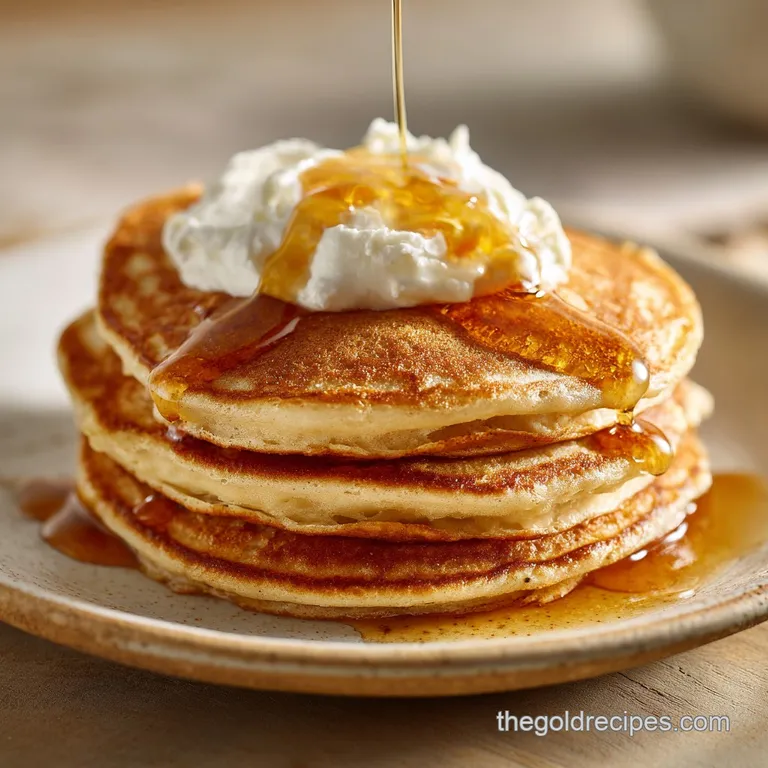
You don't need a professional kitchen, but a few specific tools will make your life much easier. A high speed blender is the real MVP here. While you can mix this in a bowl, blending the cottage cheese curds turns the batter into a silky liquid that cooks more evenly and tastes more like a traditional pancake.
A heavy bottomed non stick skillet or a well seasoned cast iron pan (like a Lodge) is your second best friend. Cast iron holds heat beautifully, providing a consistent temperature that prevents those annoying "hot spots" where one pancake burns while the other is raw. Finally,, get a thin, flexible silicone spatula.
Since these are more tender than flour pancakes, you need something that can slide underneath them without tearing the delicate edges.
Simple Steps for Golden Fluffy Stacks
Step 1: The High Speed Blitz
Place the cottage cheese, eggs, vanilla extract, rolled oats, protein powder, baking powder, cinnamon, and salt into a blender. Process on high for about 30 to 45 seconds until the batter is completely smooth and no oat bits remain.
Note: Blending incorporates air, which helps with the final fluffiness.
Step 2: The Critical Rest
Pour the batter into a bowl and let it sit for 5 minutes. Wait until the mixture slightly thickens as the oats absorb the moisture from the eggs and cheese. This step is non negotiable for a pancake that stays together in the pan.
Step 3: Precision Griddle Mastery
Melt half of the unsalted butter in a large skillet over medium low heat. Cook until the butter stops foaming and starts to smell nutty. This indicates the water has evaporated and you're ready to sear.
Step 4: Portioning the Batter
Pour about 1/4 cup of batter for each pancake, leaving plenty of space between them. Avoid overcrowding the pan so you have room to flip them later without a struggle.
Step 5: The Patience Phase
Cook for 3 to 4 minutes on the first side. Look for small bubbles on the surface and edges that appear matte rather than shiny. If they feel too floppy to flip, give them another 30 seconds.
Step 6: The Golden Flip
Carefully slide your spatula underneath and flip in one quick motion. Cook for another 2 to 3 minutes until the underside is bronzed. The center should feel firm but springy when lightly pressed.
Step 7: Repeat and Grease
Remove the finished stack to a plate. Add the remaining butter to the pan and repeat the process with the rest of the batter. Keep the heat low to prevent the butter from burning between batches.
Step 8: The Final Touch
Serve immediately while the edges are still slightly crisp and the centers are warm and velvety. Top with fresh berries or a drizzle of maple syrup if you're feeling indulgent.
Troubleshooting Common Pancake Mistakes
Even the best cooks run into a "pancake fail" now and then. The most common issue with this specific recipe is the "mushy middle." Because cottage cheese is so moisture dense, it takes longer for that liquid to evaporate. If you rush the heat, you'll end up with a burnt outside and a raw, liquid center.
Why Your Pancakes Fragile
If they are falling apart when you try to flip them, it's usually a hydration issue. Either the batter didn't rest long enough, or you used a cottage cheese with too much liquid. low-fat versions often have more "whey soup" in the container, which can thin out your batter too much.
Stick to 2% or 4% fat for the best structural results.
| Problem | Root Cause | Solution |
|---|---|---|
| Too thin/runny | Excess liquid in cheese | Add 1 tbsp extra oats and re blend |
| Burning quickly | Pan heat is too high | Lower heat and wipe pan between batches |
| Rubbery texture | Over blending the eggs | Blend just until smooth, don't whip |
Common Mistakes Checklist
- ✓ Always preheat your pan for at least 3 minutes before the first drop of batter hits.
- ✓ Don't skip the 5 minute rest; it's the difference between a mess and a masterpiece.
- ✓ Use a small curd cottage cheese for a more consistent blend.
- ✓ Avoid high heat; these pancakes need a "low and slow" approach to set properly.
- ✓ Keep the pancakes small (about 3 inches) to make flipping much easier.
Scaling the Recipe Up
If you're cooking for a crowd or meal prepping for the week, you can easily double or triple this recipe. However, don't just multiply everything blindly. When doubling, keep the spices (cinnamon and salt) at about 1.5 times the original amount to avoid an overwhelming flavor.
For baking or large batches, you might find it easier to use a griddle that covers two burners. This allows you to cook 6-8 pancakes at once. If you're doubling the recipe, you may need to add a splash of almond milk if the batter becomes too thick while sitting between batches.
Decision Shortcut If you want them more like a dessert, add 1 tbsp of mini chocolate chips to the batter after blending. If you want a savory twist, omit the vanilla and cinnamon and add a pinch of black pepper and chives.
If you're out of oats, you can substitute with 1/3 cup of almond flour for a grain free version.
Busting Common Pancake Myths
One big misconception is that you need flour to make a "real" pancake. In reality, the protein from the eggs and cottage cheese provides all the structure you need. People often think the curds won't melt, but once they reach a certain temperature, they incorporate perfectly into the oat base.
Another myth is that protein powder makes everything dry. While some cheap powders can be chalky, using a high-quality vanilla whey actually adds a creamy sweetness and helps the edges get that "shatter" crispness we all love. It's all about the ratio of wet to dry ingredients.
Storage and Zero Waste
These store surprisingly well! You can keep them in an airtight container in the fridge for up to 4 days. To reheat, skip the microwave it makes them rubbery. Instead, pop them in a toaster or back onto a dry skillet for 1 minute per side to bring back that golden exterior.
Zero Waste Tips If you have leftover cottage cheese in the tub, blend it with some herbs to make a high protein dip for veggies. Save any "failed" or broken pancakes, crumble them up, and use them as a topping for Greek yogurt or a smoothie bowl.
Oat dust at the bottom of the bag can be tossed right into the blender; it helps thicken the batter even more.
These pancakes aren't just a meal; they're a tool in your fitness arsenal that actually tastes like a treat. Now, grab your blender and let's get flipping!
Recipe FAQs
What is the key to making these pancakes fluffy instead of rubbery?
Use a high speed blender until completely smooth. Blending incorporates air into the mixture, creating a lighter structure that mimics traditional pancake fluffiness. Follow this technique closely, similar to how you master stable aeration in a Better Than Sex recipe, for the best lift.
How to stop the pancakes from falling apart when flipping?
Wait until the edges are matte and small bubbles form on top. These pancakes are more tender than flour based ones, so they need a solid structure before turning. A thin, flexible spatula is also crucial for minimizing breakage.
Is it true that I must use small curd cottage cheese?
No, this is a common misconception, but small curd is highly recommended. Small curd blends smoother, resulting in a custard like texture, whereas large curds can leave pockets of cheese that weep moisture.
How to achieve a golden brown sear without burning the center?
Cook over medium low heat and use enough butter. High heat scorches the outside before the high moisture content in the center cooks through. Think of it as gentle cooking to set the proteins.
Can I substitute the rolled oats with a different grain?
Yes, you can substitute with almond flour for a grain free option. If you swap the oats, reduce the amount by about one-third, as almond flour absorbs moisture differently. If you enjoy maximizing simple ingredients, you might apply the same minimalism to our Ground Beef Potato recipe for a quick dinner.
Should I rest the batter, and if so, for how long?
Yes, a 5-minute rest is critical for texture. This resting period allows the oats to fully hydrate, absorbing excess moisture and preventing a grainy or too-loose final batter consistency.
How do I reheat leftovers without losing the tenderness?
Reheat them on a dry skillet or in a toaster oven, not the microwave. The microwave steams them, resulting in a rubbery texture. Dry heat crisps the outside slightly while warming the interior back to its tender state.
High Protein Cottage Cheese Pancakes
Ingredients:
Instructions:
Nutrition Facts:
| Calories | 373 calories |
|---|---|
| Protein | 34.1 g |
| Fat | 15.3 g |
| Carbs | 23.7 g |
| Fiber | 2.6 g |
| Sugar | 5.2 g |
| Sodium | 485 mg |
