Greek Yogurt Bagels: Tangy and Chewy
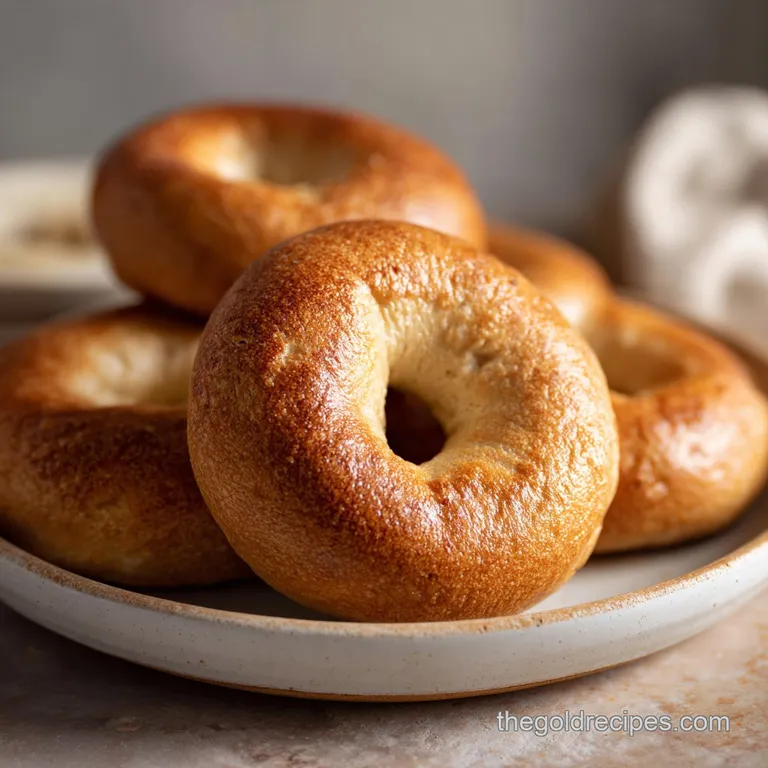
- Time: Active 10 minutes, Passive 22 minutes, Total 32 minutes
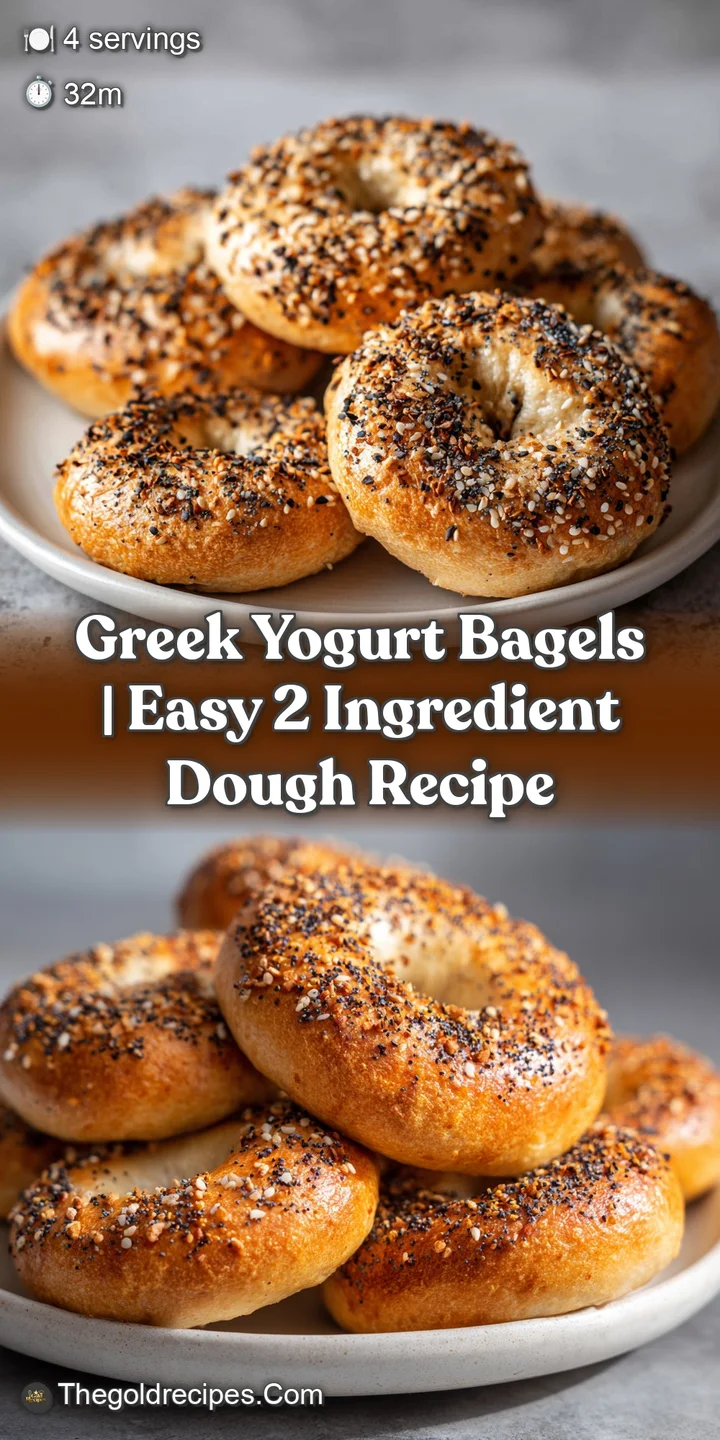
- Flavor/Texture Hook: Tangy, dense, and chewy with a golden, egg washed crust.
- Perfect for: High protein meal prep and impatient Sunday morning breakfast cravings.
- Decoding the Science of Perfect Greek Yogurt Bagels
- Analyzing the Core Technical Specifications of This Recipe
- Ingredient Breakdown and Molecular Roles
- Essential Kitchen Tools for Success
- Step-by-Step Thermal Processing Guide
- Correcting Common Structural Failures
- Customizing Flavor Profiles and Textures
- Scaling the Batch Size
- Deciphering Kitchen Myths
- Preservation and Waste Reduction Strategies
- Optimal Serving and Pairing Logic
- Recipe FAQs
- 📝 Recipe Card
Decoding the Science of Perfect Greek Yogurt Bagels
You know that specific smell when everything bagel seasoning hits a hot oven? It’s that toasted garlic and onion aroma that just takes over the whole kitchen. I remember the first time I tried making these. I was convinced they’d turn out like weird, dense hockey pucks.
I’d spent years obsessing over hydration percentages in sourdough, so the idea of just mixing yogurt and flour felt like cheating. But then I pulled the tray out, and the bagels had this incredible, shatter crisp crust and a soft, tangy interior. It was a total "lightbulb" moment for my inner kitchen hacker.
The secret isn't magic, it’s just basic chemistry. We’re essentially bypassing the biological leavening of yeast and using the lactic acid in the yogurt to trigger the leaveners in the self rising flour. It creates an instant cellular structure that mimics the chew of a traditional boiled bagel.
I’ve made these dozens of times now, and I’ve learned that the temperature of your yogurt and the way you handle the dough can make or break the final texture.
We aren't just making "easy" bread here. We are hacking the protein to carb ratio to create something that actually keeps you full. This recipe for Greek Yogurt Bagels is about efficiency and precision. If you’ve ever felt intimidated by the idea of "proofing" or "shaping," this is the entry point you need.
Let's get into the mechanics of why this works so well.
Analyzing the Core Technical Specifications of This Recipe
Before we pick up a spatula, we need to look at the data. Traditional bagels rely on high gluten flour and a boiling step to gelatinize the surface starches, which gives them that signature "tug." Since we aren't boiling these, we rely on the high protein content of the Greek yogurt to provide structural integrity.
Efficiency Metric: This method reduces the preparation time by approximately 85% compared to a standard New York style bagel.
| Method | Total Time | Texture | Best For |
|---|---|---|---|
| Traditional Yeast | 4 hours+ | Extremely chewy/airy | Purists with time |
| 2 Ingredient Hack | 32 minutes | Dense and tangy | Quick meal prep |
| Air Fryer Method | 25 minutes | Extra crispy exterior | Singles or couples |
If you're looking for other high protein hacks to round out your breakfast rotation, you might find the texture of my High Protein Cottage recipe interesting. It uses a similar logic of leveraging dairy for structure. For those mornings when you want something sweeter, this Starbucks Pumpkin Bread recipe is a solid pivot, though it leans more into the classic bake style.
Ingredient Breakdown and Molecular Roles
The simplicity of this recipe is its greatest strength, but it also means every component has to pull its weight. We are using self rising flour because it contains a pre mixed ratio of leavening agents (usually baking powder) and salt, ensuring an even distribution of "lift" throughout the dough matrix.
| Ingredient | Science Role | Pro Secret |
|---|---|---|
| Self rising flour | Provides the gluten scaffold and built in leavening. | Sift it first to avoid "dead zones" of unmixed baking powder. |
| Non fat Greek yogurt | Provides moisture and lactic acid for leavener activation. | Use a thick brand (like Fage) to prevent a sticky, unworkable mess. |
| Everything seasoning | Adds topical flavor and texture via the Maillard reaction. | Press it into the egg wash so it doesn't fall off after baking. |
1. The Flour Foundation: 1.5 cups (190g) self rising flour. This is our structural base. If you don't have self rising, you can hack it by adding 1.5 teaspoons of baking powder and 0.5 teaspoons of salt per cup of all purpose flour.
2. The Yogurt Variable: 1 cup (245g) plain non fat Greek yogurt. The yogurt must be thick. If your yogurt has a lot of liquid (whey) on top, drain it off. Excess moisture is the enemy of a manageable dough.
3. The Finishing Touches: 1 large egg (for the wash) and 2 tbsp everything bagel seasoning. The egg wash is non negotiable if you want that golden, professional finish. Without it, the bagels look pale and dusty.
Essential Kitchen Tools for Success
You don't need a stand mixer for this, though you can use one with a dough hook if you're doubling the batch. A simple large mixing bowl and a sturdy silicone spatula will do the trick. I also highly recommend using a digital scale.
Measuring flour by volume (cups) is notoriously inaccurate, and in a 2 ingredient recipe, being off by 20 grams of flour can turn your dough into a sticky nightmare.
Chef's Tip: Freeze your bag of flour for 15 minutes before mixing. Keeping the flour cool helps prevent the yogurt from breaking down too quickly, giving you a more stable dough to shape.
You'll also need a baking sheet lined with parchment paper or a silicone mat. Do not just grease the pan; these bagels have a tendency to grab onto the metal, and you'll end up tearing the bottoms off. A wire cooling rack is also vital.
If you let them cool on the hot pan, the bottoms will steam and lose that "shatter" quality we’re aiming for.
step-by-step Thermal Processing Guide
This is where the transformation happens. We are looking for specific visual cues at each stage to ensure the gluten has developed enough to hold those air bubbles.
- Preheat the Environment. Set your oven to 375°F (190°C). Note: A hot start is essential for the initial "oven spring."
- Combine Components. In a bowl, mix 1.5 cups (190g) self rising flour with 1 cup (245g) Greek yogurt until a shaggy mass forms.
- Initiate Kneading. Turn the dough onto a floured surface. Knead for about 2-3 minutes until the dough is smooth and no longer sticks to your hands.
- Subdivide the Matrix. Divide the dough into 4 equal portions (roughly 108g each if you're using a scale).
- Construct the Shape. Roll each piece into a "snake" about 7 inches long, then join the ends to form a loop. Note: Pinch the ends firmly so they don't pop open.
- Apply the Sealant. Whisk the egg and brush a generous layer over each bagel.
- Optimize Flavor. Sprinkle 2 tbsp of everything bagel seasoning over the tops, pressing slightly.
- Thermal Activation. Bake for 22 minutes until the tops are deeply golden and sound hollow when tapped.
- The Final Rest. Transfer to a wire rack and let sit for at least 10 minutes. Note: This allows the internal steam to settle, preventing a gummy center.
Correcting Common Structural Failures
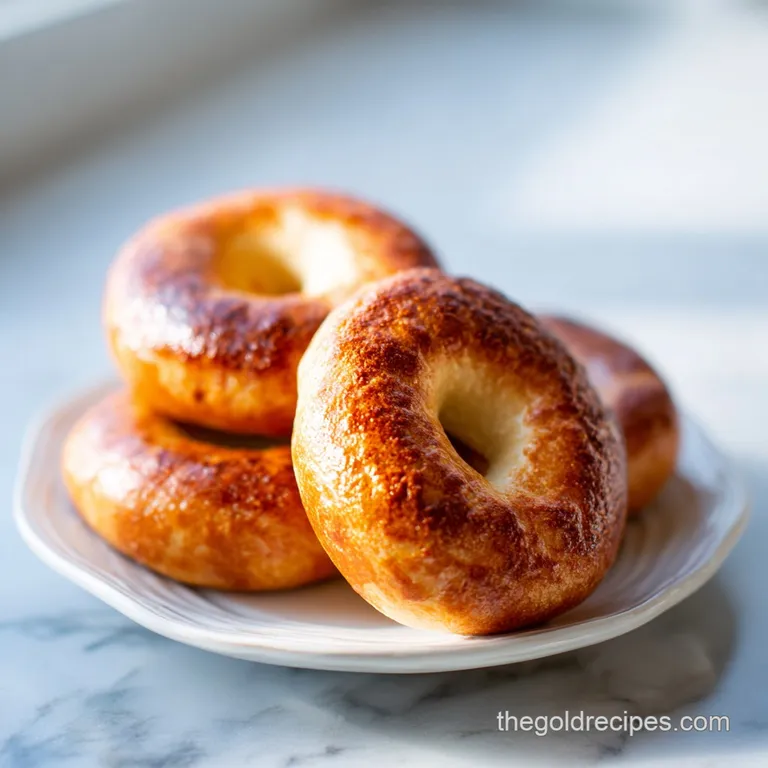
The most common issue people face with Greek Yogurt Bagels is stickiness. If your dough feels like it's melting into your counter, don't panic. It's usually a hydration issue either your yogurt was too thin or your flour measurement was light.
Why Your Bagels Stayed Flat
If your bagels look more like pancakes, your leavening agent might be expired, or you over handled the dough. Over kneading can pop the tiny air bubbles created by the yogurt/baking powder reaction before they even hit the oven.
The Bottoms Are Burnt But Tops Are Pale
This usually happens if your oven rack is too low. Move the tray to the middle or top third of the oven. Also, ensure you aren't using a dark colored baking sheet, which absorbs heat much faster than light aluminum.
| Problem | Root Cause | Solution |
|---|---|---|
| Sticky dough | High moisture yogurt | Add flour 1 tbsp at a time until workable. |
| Gummy interior | Underbaked or sliced too hot | Increase bake time by 3 mins and cool completely. |
| Pale crust | Skipped the egg wash | Use a full egg wash or a light brush of honey water. |
Common Mistakes Checklist:
- ✓ Use a digital scale to measure 190g of flour (prevents dry or sticky dough).
- ✓ Avoid "low-fat" or regular yogurt; only thick Greek yogurt provides the necessary protein.
- ✓ Don't skip the 10 minute cooling rest (it finishes the "set" of the crumb).
- ✓ Flour your hands and the work surface generously before shaping.
- ✓ Ensure your oven is fully preheated to 375°F before the bagels go in.
Customizing Flavor Profiles and Textures
Once you've decoded the base recipe, you can start hacking the flavor. The beauty of this dough is that it’s a neutral canvas. However, keep in mind that adding "wet" inclusions like fresh blueberries will change the hydration, so you’ll need to compensate with a dusting of extra flour.
The Savory Garlic & Herb Pivot
Mix 1 teaspoon of garlic powder and 1 tablespoon of dried rosemary directly into the flour before adding the yogurt. This distributes the flavor through the crumb rather than just on the surface.
The Sweet Cinnamon Swirl
Add 1 tablespoon of sugar and 1 teaspoon of cinnamon to the flour. After shaping, brush with melted butter instead of egg wash and dip in cinnamon sugar. Note: The sugar will cause the bagels to brown faster, so keep an eye on the timer.
| Original Ingredient | Substitute | Why It Works |
|---|---|---|
| Self rising flour | All purpose + leaveners | 1.5 cups AP + 2 tsp baking powder + 3/4 tsp salt. |
| Greek yogurt | dairy-free Greek style yogurt | Must be high protein/thick. Note: Texture may be slightly softer. |
| Egg wash | Milk or Aquafaba | Provides less shine but helps toppings stick. |
Scaling the Batch Size
If you're meal prepping for a busy week, you'll likely want to double this. Because this recipe relies on a chemical reaction, scaling is mostly linear, but there are a few nuances to keep in mind to maintain the structural integrity.
Scaling Up (2x or 4x): You can double the ingredients exactly (3 cups flour, 2 cups yogurt). However, work in batches when kneading. It's much harder to develop a smooth gluten structure in a massive 2lb lump of dough by hand.
Scaling Down (1/2): If you only want two bagels, use 3/4 cup flour and 1/2 cup yogurt. For the egg wash, whisk one egg, use what you need, and save the rest for a scramble. Do not try to use "half an egg" in the dough itself (not that this recipe calls for it in the dough!).
Deciphering Kitchen Myths
There’s a lot of misinformation about "2 ingredient" doughs online. Let's clear up a few things so you can cook with confidence.
Myth: You must boil these for a "real" bagel texture. Truth: While boiling helps with the tug, the acidity in Greek yogurt actually produces a surprisingly similar chewiness without the extra step.
Boiling this specific dough often makes it fall apart because it lacks the heavy gluten structure of yeast risen dough.
Myth: Any yogurt works. Truth: Absolutely not. Regular yogurt is too thin and lacks the protein density required to hold the flour's weight. If you use regular yogurt, you'll end up with a batter, not a dough.
Preservation and Waste Reduction Strategies
These bagels are best eaten within 24 hours, as they don't contain the preservatives or oils found in commercial bread. However, they store beautifully if you handle them correctly.
- Storage
- Keep them in an airtight container at room temperature for 2 days, or in the fridge for up to 5 days.
- Freezing
- These are amazing for freezing. Slice them before freezing, then place a small piece of parchment paper between the halves. They will stay fresh for up to 3 months.
- Zero Waste
- If your bagels go stale, don't toss them! Cut them into cubes, toss with olive oil and herbs, and bake at 300°F until crunchy for the best high protein croutons you've ever had. You can also pulse stale bagels in a food processor to make breadcrumbs for meatballs.
Optimal Serving and Pairing Logic
Because of the tang from the yogurt, these bagels pair exceptionally well with creamy or salty toppings. A classic schmear of cream cheese is the baseline, but the high protein nature of the bagel makes it a great "power breakfast" base.
I love toasting these until the edges are almost charred, then topping them with smashed avocado, a squeeze of lemon, and a red pepper flake. The acidity of the lemon cuts through the density of the bagel perfectly.
If you're going the sandwich route, the structure of these Yogurt Bagels holds up surprisingly well to heavy fillings like lox, capers, and red onion without getting soggy or falling apart.
Chef's Note: If you are re toasting a frozen bagel, don't thaw it first. Pop it straight into the toaster or air fryer. This prevents the crumb from becoming gummy and helps maintain that essential contrast between the crispy shell and the soft interior.
Recipe FAQs
How do you make two ingredient bagels with Greek yogurt?
Mix 1.5 cups self rising flour and 1 cup thick Greek yogurt. Knead for 2-3 minutes until smooth, then divide into 4 pieces, shape into rings, brush with egg wash, and bake at 375°F for 22 minutes. If you master the high protein folding technique here, you will find similar structural advantages in our High Protein Cottage recipe.
How do you make 2-ingredient Greek yogurt dough?
Combine self rising flour and thick Greek yogurt until a shaggy mass forms. Immediately turn the mixture onto a floured surface and knead for just 2-3 minutes until the dough is smooth and stops sticking to your hands. Be careful not to overwork it, or you risk deflating the structure.
What's the best yogurt for 2-ingredient bagels?
Use plain, non-fat, ultra strained Greek yogurt only. Regular yogurt or low-fat versions contain too much excess liquid (whey), which results in a wet, unworkable dough that spreads when baked.
How much Greek yogurt for 2-ingredient bread?
Use 1 cup (245g) of Greek yogurt for every 1.5 cups (190g) of self rising flour. This ratio is crucial for balancing the moisture needed for activation against the dryness required for shaping.
Is it true you need to boil Greek yogurt bagels before baking?
No, boiling is generally unnecessary and often detrimental for this recipe. The acidity in the Greek yogurt helps achieve a chewy crust without the traditional boiling step, which can cause these softer doughs to collapse.
Can I substitute the self rising flour?
Yes, you can substitute all-purpose flour, but you must add leaveners. For every cup of AP flour, add 1.5 teaspoons of baking powder and 0.5 teaspoons of salt to mimic the self rising blend.
What oven temperature maximizes the crust development?
Preheat your oven to 375°F (190°C) for optimal oven spring and crust setting. A hot oven ensures the outside sets quickly while the inside finishes cooking through, preventing a gummy texture.
Greek Yogurt Bagels Recipe
Ingredients:
Instructions:
Nutrition Facts:
| Calories | 226 kcal |
|---|---|
| Protein | 12.9 g |
| Fat | 2.5 g |
| Carbs | 37.1 g |
| Fiber | 1.3 g |
| Sugar | 2.1 g |
| Sodium | 709 mg |
