Gideon's Bakehouse Cookie Recipe: Cold Fat Method
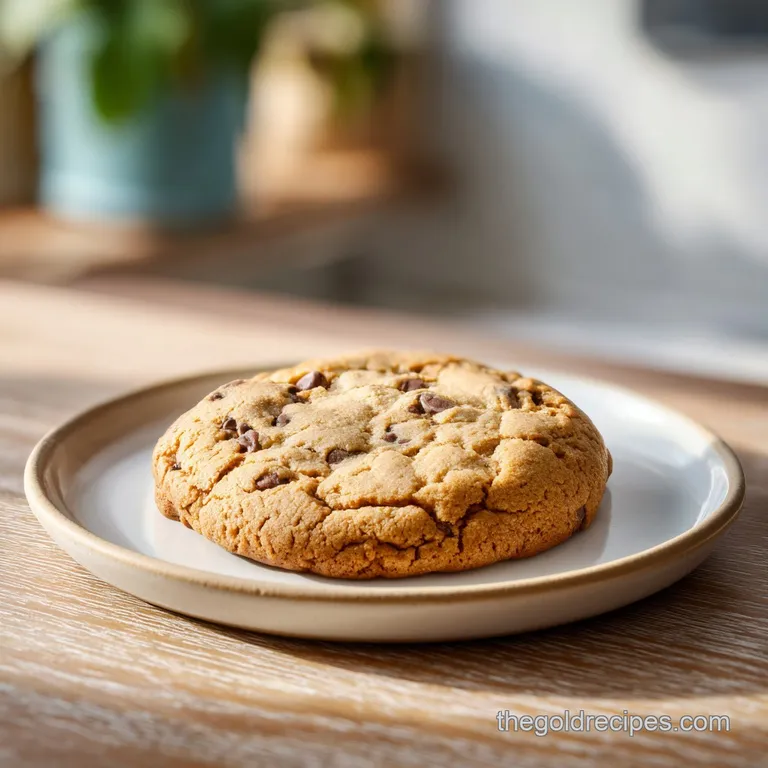
- Time: Active 30 mins, Passive 12 hours (chilling), Total 12 hours 40 mins
- Flavor/Texture Hook: Velvety center with a salt flecked chocolate shatter
- Perfect for: Impressing dessert snobs or curing a serious chocolate obsession
- Decoding the Gideons Bakehouse Cookie Recipe
- Technical Specs for Half Pound Cookies
- Selecting Your Cookie Elements
- Essential Tools for Giant Baking
- The Cold Start Baking Process
- Avoiding Common Cookie Failures
- Customizing the Chocolate Profile
- Preservation and Storage Hacks
- Presentation and Pairing Guide
- Recipe FAQs
- 📝 Recipe Card
Decoding the Gideons Bakehouse Cookie Recipe
I remember the first time I stood in line at East End Market, the Florida humidity clinging to everything, just to get my hands on one of these half pound monoliths. When I finally held it, the weight was staggering it felt more like a geological specimen than a dessert.
As I bit through the dense exterior, I realized it wasn't just a cookie; it was an architectural feat of sugar and cocoa.
The secret I spent months hacking in my own kitchen isn't about some "magic" ingredient, but rather the physics of temperature. Most people make the mistake of using room temperature butter, which leads to a thin, greasy puddle. To replicate this properly, we have to treat the dough like a cold sculpted pastry.
We're looking for a specific interior that stays dense and nearly raw adjacent while the outside forms a rigid, chip encrusted shell.
We aren't just making cookies here; we're engineering a specific texture profile that defies standard home baking logic. You want that contrast between the grainy, dark sugar interior and the snap of the extra dark chocolate chunks. If you've tried my Levain Cookie Copycat recipe, you’ll recognize some of the heavy flour principles, but these are even more aggressive in their density. Let’s break down the chemistry of the "half pounder."
Technical Specs for Half Pound Cookies
The Physics of the Thermal Core: By using 420g of flour against cold, cubed butter, we create a starch heavy matrix that traps moisture. This prevents the interior from reaching the evaporation point before the exterior sets, preserving that fudgy, velvety bite.
- Starch Stabilization: The addition of 15g of cornstarch softens the protein in the all purpose flour, mimicking the lower gluten content of cake flour while maintaining structural integrity.
- Cold Fat Suspension: Cubing the butter while cold (below 60°F) ensures it doesn't fully emulsify with the sugars, creating micro pockets of steam that provide lift without spread.
- Thermal Shock Method: Baking at a higher temperature (400°F) for a shorter duration (10 mins) sears the outer layer, locking in the cold center like a chocolate chip covered volcano.
- The Salt Contrast: Using 1 tbsp of flaky sea salt isn't just a garnish; it triggers the taste receptors to perceive the dark brown sugar’s molasses notes more intensely.
| Bake Method | Internal Temp | Rest Time | Visual Cue |
|---|---|---|---|
| over High heat Shock | 175°F - 180°F | 60 mins | Edges matte, chips barely glossy |
| Standard Bake | 195°F+ | 15 mins | Fully browned, dry center |
| Underbaked Hack | 165°F | 120 mins | Centers appear wet, very fragile |
Selecting the right internal temperature is the difference between a dry biscuit and the velvety texture we’re hunting for. If you prefer a thinner but equally rich profile, you might want to look at my Crumbl Sugar Cookie recipe for a different structural approach.
Selecting Your Cookie Elements
The success of the gideons bakehouse cookie recipe hinges on the quality and temperature of your components. We are using cold salted butter straight from the fridge to ensure the dough remains stiff during the sculpting phase.
| Component | Science Role | Pro Secret |
|---|---|---|
| Dark Brown Sugar | Humectant & Acid | Use "Dark" for higher molasses content; it reacts with soda for a deeper rise. |
| Vanilla Bean Paste | Aromatic Depth | The seeds provide visual cues of quality and a more concentrated flavor than extract. |
| Cold Salted Butter | Structural Fat | Keep it cubed at 0.5 inches; cold fat prevents the flour from over hydrating. |
| Extra Dark Chunks | Melting Point | High cocoa butter content ensures these stay velvety even after cooling. |
The foundation of this bake relies on the specific measurements of our dry base. We use 420g of all purpose flour and 1 tsp of baking soda to provide just enough chemical leavening to prevent the cookie from feeling like a lead weight.
The Dry Base
We combine the flour, cornstarch, and kosher salt to create a uniform powder. This high volume of flour (420g) relative to the fat is what gives the cookie its "bakery style" height. The cornstarch is our secret weapon for that "melt in-your mouth" texture that offsets the density.
The Fat and Sugars
Instead of the traditional creaming method where you beat butter and sugar for five minutes, we are only mixing until "just combined." This prevents air from being whipped into the fat. Air is the enemy of density. We want a tight, heavy crumb, not a fluffy cake.
The Inclusions and Binding
With 400g of semisweet chips and 100g of extra dark chunks, the chocolate to dough ratio is nearly 1:1. This is what creates that "rubble" appearance on the exterior. The two large eggs must be cold to keep the overall dough temperature below 65°F during the mixing process.
Essential Tools for Giant Baking
To handle these massive 6 ounce portions, you need a heavy duty stand mixer (like a KitchenAid) because the dough is incredibly thick. A standard hand mixer might burn out trying to push through 420g of flour and 500g of chocolate.
You'll also need a digital scale; volumetric measuring is too imprecise for a copycat gideons bakehouse cookie recipe.
Chef's Tip: Freeze your butter for 10 mins before cubing it. This ensures it stays solid during the entire mixing process, even if your kitchen is warm.
You'll also need heavy rimmed baking sheets. Thin pans will warp under the high heat and won't distribute the 400°F temperature evenly, leading to burnt bottoms.
I also highly recommend using silicone mats or high-quality parchment paper to prevent the sugars from sticking as the chocolate chips melt and resolidify on the pan.
| Original Ingredient | Substitute | Why It Works |
|---|---|---|
| Vanilla Bean Paste | Vanilla Extract (2 tsp) | Same flavor, though you lose the aesthetic of the vanilla specks. |
| Dark Brown Sugar | Light Brown + 1 tbsp Molasses | Replicates the acidity and moisture needed for the rise. |
| Salted Butter | Unsalted Butter + 1/4 tsp Salt | Controls the salt levels precisely. Note: Gideon's uses salted butter for a specific punch. |
The Cold Start Baking Process
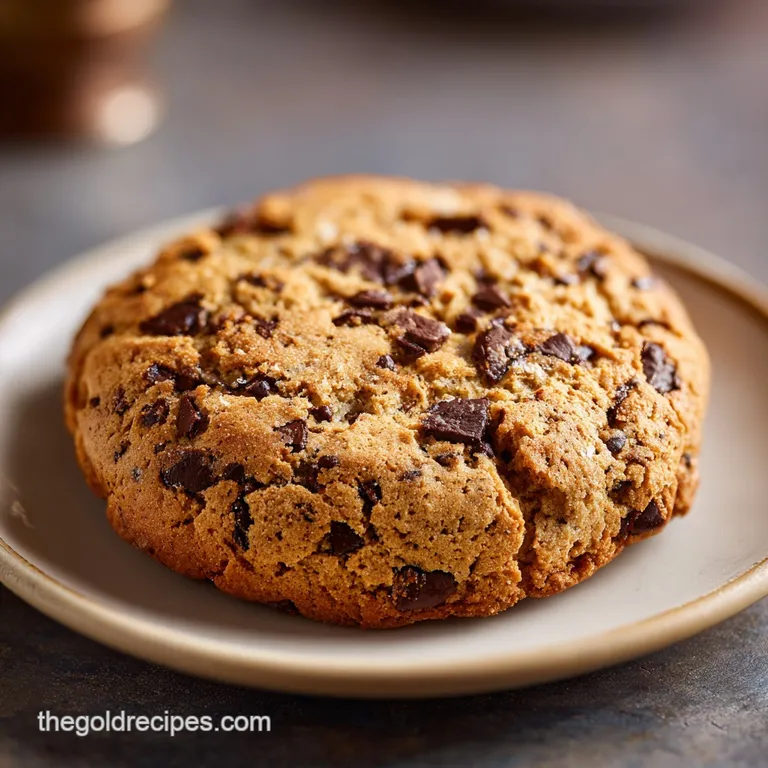
- Sift the 420g all purpose flour, 15g cornstarch, 1 tsp baking soda, and 1 tsp kosher salt together. Note: Sifting prevents pockets of soda that taste metallic.
- Cube 226g of cold salted butter into small half inch pieces.
- Mix the cold butter with 200g dark brown sugar and 100g granulated sugar in a stand mixer until a sandy, chunky paste forms. Do not over cream.
- Add 2 large cold eggs and 2 tsp vanilla bean paste. Mix for 30 seconds until barely streak free.
- Incorporate the dry ingredients on the lowest speed. Stop as soon as the last white streak of flour disappears.
- Fold in 200g of the semisweet chocolate chips and the 100g extra dark chocolate chunks by hand.
- Sculpt the dough into 6 massive spheres (approx 175g each). Do not flatten them.
- Press the remaining 200g of semisweet chocolate chips into the exterior of the spheres until no dough is visible.
- Chill the dough balls in the fridge for at least 12 hours. This is non negotiable for the "Gideon's" texture.
- Bake at 400°F for 10 minutes until the exterior chips are set but the center feels soft. Finish with 1 tbsp flaky sea salt.
Mastering the Thermal Shock
The high heat is what creates the "outer shell" while leaving the inside in a state of suspended doughiness. If you bake these at 350°F, they will spread like normal cookies. The 400°F blast is the "hacker" move that defines the bakery style.
Achieving the Final Set
Once they come out of the oven, do not touch them. They need at least 60 minutes on the pan to finish cooking via carryover heat. If you move them too soon, the molten center will cause the cookie to cave in on itself.
Avoiding Common Cookie Failures
The most frequent mistake with this bakehouse cookie recipe is impatience. If you skip the 12 hour chill, the butter will leak out of the dough, leaving you with a greasy mess rather than a thick, tall cookie.
The chill time allows the flour to fully hydrate and the fats to solidify into a "puck" that resists spreading.
Why Your Cookies Spread Too Much
If your cookies are turning into puddles, your butter was likely too warm during the mixing phase or your oven wasn't preheated for a full 30 minutes. A truly hot oven is required to set the starch structure immediately.
Fixing an Overbaked Center
If the center is dry and crumbly rather than fudgy, you've likely overbaked by just 2 minutes. These should look "underdone" when they come out. Remember, they will continue to firm up as they cool on the hot tray.
| Problem | Root Cause | Solution |
|---|---|---|
| Leaking Butter | Butter too warm before mixing | Cube butter and return to fridge for 15 mins before use. |
| Chips Falling Off | Dough surface too dry | Lightly mist the dough sphere with water before pressing chips on. |
| Flat Cookies | Omitted the 12 hour chill | Never bake these straight after mixing; the chill is mandatory. |
Common Mistakes Checklist
- ✓ Using room temperature eggs (keeps the dough too warm)
- ✓ Over mixing the flour (develops too much gluten, making them tough)
- ✓ Flattening the spheres before baking (destroys the height)
- ✓ Moving the cookies before they are completely cool (they will break)
- ✓ Not using a scale (this recipe is sensitive to flour to fat ratios)
Customizing the Chocolate Profile
While the classic version uses semisweet and extra dark, you can "hack" the flavor profile by adjusting the inclusions. I sometimes add a teaspoon of espresso powder to the dry ingredients to deepen the cocoa notes, which creates a more sophisticated "midnight" flavor.
The Coffee Toffee Variation
Add 50g of crushed toffee bits and 1 tsp of instant espresso powder to the dough. The toffee melts into the crumb, creating caramelized pockets that contrast with the salty exterior.
The Vegan Swap
You can use a high fat vegan butter block (like Miyoko's) and a flax egg, but the texture will be slightly more "cakey." Since we rely on cold butter for structure, the vegan substitute must be a hard block, not a tub spread.
Preservation and Storage Hacks
Because of the high moisture content in the center, these cookies stay fresh longer than your average bake. However, the sheer amount of chocolate means they can become quite hard if kept in a cold environment.
Storage: Keep in an airtight container at room temperature for up to 3 days. Do not refrigerate, as this will draw out moisture and make the crumb grainy.
Freezing: These freeze beautifully! Freeze the pre baked, chip encrusted dough spheres for up to 3 months. To bake from frozen, simply add 2-3 minutes to the baking time.
Zero Waste: Don't throw away the "chocolate dust" at the bottom of your chip bags. Mix it into your vanilla bean paste before adding to the dough for an extra hit of cocoa throughout the base.
Presentation and Pairing Guide
To truly enjoy the gideons bakehouse cookie recipe, you need to treat it like a decadent steak. Let it rest! The flavors of the dark brown sugar and vanilla bean paste actually develop and "bloom" after about 4 hours of sitting at room temperature.
Pair these with a cold glass of whole milk or a bitter black coffee to cut through the 94.3g of sugar per serving. If you're feeling particularly wild, serve a warm slice of the cookie with a scoop of high-quality vanilla bean ice cream.
The contrast between the hot, molten chocolate and the freezing cream is exactly why we bake these in the first place.
I’ve made the mistake of eating these too early the chocolate is just a liquid mess and the dough hasn't set. Trust me, the wait is part of the recipe. Once that exterior has that specific shatter and the center is velvety, you've officially hacked the bakery magic.
Happy baking, and let me know if you manage to eat a whole one in one sitting I've never been able to do it!
Recipe FAQs
What makes Gideon's cookies so special?
Their texture profile. They achieve a unique structure using high flour ratios and rigorously cold butter, resulting in an intensely dense, heavy cookie with a molten, velvety core.
What type of chocolate does Gideons use?
A blend of semisweet and extra dark chocolate chunks. They use high-quality chocolate where the cocoa butter content remains high, ensuring the inclusions stay soft even after cooling.
What is the best cookie at Gideon's Bakehouse?
The Peanut Butter Crunch is often cited as the overall favorite. However, the classic Chocolate Chip remains the benchmark for texture comparison against copycat recipes.
What allegations exist regarding Gideon's Bakehouse?
Yes, there have been disputes regarding intellectual property. Specifically, there were legal claims made about the similarity of their designs to another established bakery's concepts.
How do I prevent my copycat cookies from spreading flat?
You must enforce a strict, long chill time. Keep the dough balls chilled for a minimum of 12 hours; this allows the flour to hydrate fully and the cold fat to solidify enough to resist spreading in the oven's heat.
Should I cream the butter and sugar for this recipe?
No, avoid traditional creaming entirely. You only want to mix the cold butter and sugars until they form a sandy paste; over creaming incorporates air, which leads to a light, fluffy texture instead of the required density.
How do I achieve the signature 'shattered' crust?
Bake at a very high temperature for a short duration. Use 400°F (200°C) for about 10 minutes; this thermal shock sears the exterior rapidly while keeping the interior undercooked, which is a technique similar to achieving crisp skin on certain roasted poultry. If you master this heat control, it will transfer well to achieving better crusts in recipes like our Starbucks Pumpkin Bread recipe.
Gideon S Cookie Copycat Recipe
Ingredients:
Instructions:
Nutrition Facts:
| Calories | 1112 kcal |
|---|---|
| Protein | 12.4 g |
| Fat | 55.2 g |
| Carbs | 144.5 g |
| Fiber | 7.2 g |
| Sugar | 94.3 g |
| Sodium | 582 mg |
