Creamy Tuscan Chicken Skillet
- Time: Active 10 mins, Passive 20 mins, Total 30 mins
- Flavor/Texture Hook: Velvety cream sauce with a golden, crispy skinned finish
- Perfect for: High impact weeknight dining or a low carb keto friendly meal
- Decoding the Viral Allure of Creamy Tuscan Chicken
- The Precision Metrics for a 30 Minute Skillet
- Selecting High Performance Elements for This Recipe
- The Essential Kit for High Heat Searing
- Executing the Perfect Sear and Emulsified Sauce
- Hacking the Sauce to Prevent Grainy Separation
- Adapting the Profile for Different Proteins
- Decoding Common Culinary Myths
- Preserving the Emulsion During Reheating Cycles
- Starch and Vegetable Partners for This Recipe
- High in Sodium
- Recipe FAQs
- 📝 Recipe Card
Decoding the Viral Allure of Creamy Tuscan Chicken
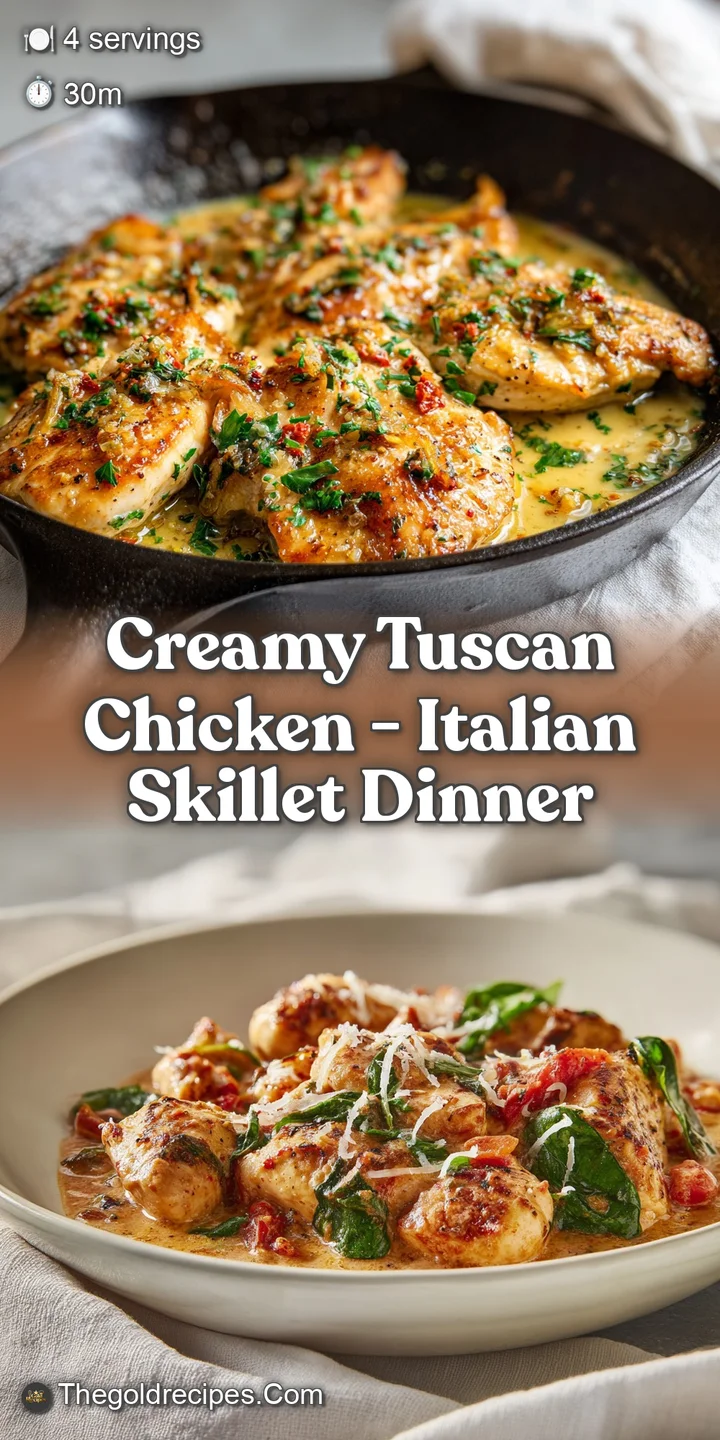
The first time the aroma of garlic and sun dried tomatoes hit my kitchen, I knew I was onto something special. There is a specific point when the heavy cream begins to bubble and the Parmesan melts into it, transforming a simple liquid into a thick, golden lacquer that clings to everything it touches.
I’ve made this more times than I can count, mostly because I was obsessed with preventing that annoying "broken" sauce where the oil separates from the dairy. After a few grainy failures, I finally cracked the code on the timing.
You don't need a culinary degree to pull this off, but you do need to understand the sequence. This isn't just about throwing things in a pan; it is about building layers of flavor in the same skillet.
We're talking about the concentrated oil from the tomato jar, the browned bits of chicken left on the bottom, and the way the spinach wilts into the steam at the very last second. It’s a 30 minute operation that tastes like it took all afternoon.
Whether you are looking for an easy creamy tuscan chicken for a busy Tuesday or you want to impress someone with a keto creamy tuscan chicken that feels like a total indulgence, this is the version that works.
We aren't cutting corners on the fat here because that is what carries the flavor of the smoked paprika and oregano. Trust me, once you see that sauce emulsify into a velvety silk, you’ll never go back to the jarred stuff.
The Precision Metrics for a 30 Minute Skillet
The Molecular Bond: Heavy cream and Parmesan form a colloidal suspension where the cheese proteins are shielded by fat, preventing the sauce from curdling when heat is applied. This creates a stable, glossy texture that won't break even as it cools.
Maillard Reinforcement: Searing the chicken thighs at high heat creates melanoidins, which provide that deep, savory base that offsets the sweetness of the sun dried tomatoes.
| Thickness | Internal Temp | Rest Time | Visual Cue |
|---|---|---|---|
| 0.5 inch | 165°F (74°C) | 3 mins | Juices run clear, no pink |
| 0.75 inch | 165°F (74°C) | 5 mins | Golden brown crust |
| 1.0 inch | 165°F (74°C) | 7 mins | Firm to the touch |
Getting the chicken right is the foundation of this dish. If you find yourself enjoying this style of cooking, you might also like the depth of flavor in this Chicken Livers With recipe which uses similar browning techniques to build a rich gravy.
Selecting High Performance Elements for This Recipe
| Component | Science Role | Pro Secret |
|---|---|---|
| Heavy Cream | Fat Emulsifier | Use room temp cream to avoid thermal shock and separation. |
| Parmesan | Protein Binder | Grate your own from a block; pre shredded has cellulose that prevents melting. |
| Tomato Oil | Flavor Carrier | This oil is infused with tomato lycopene; it’s more potent than plain olive oil. |
Choosing the right ingredients is the difference between a mediocre meal and a viral success. For the chicken, I strictly use 1.5 lbs boneless skinless chicken thighs because they have enough connective tissue to stay juicy under high heat, unlike breasts which can dry out in seconds.
- 1.5 lbs boneless skinless chicken thighs (Sub: Chicken breasts, but reduce cook time by 2 mins per side). Why this? Higher fat content ensures the meat stays succulent in the sauce.
- 1 tsp sea salt (Sub: Kosher salt). Why this? Fine grains dissolve faster into the protein fibers.
- 0.5 tsp cracked black pepper (Sub: White pepper for less visual speckling).
- 1 tsp smoked paprika (Sub: Sweet paprika). Why this? Adds a subtle wood fired depth to the cream.
- 1 tbsp olive oil (Sub: Butter, though it has a lower smoke point). Why this? Using the oil from the sun dried tomato jar adds instant umami.
- 3 cloves garlic, minced (Sub: 1 tsp garlic powder).
- 0.5 cup sun dried tomatoes, julienne cut (Sub: Roasted red peppers).
- 1 cup heavy cream (Sub: Full fat coconut milk). Why this? Essential for the velvety, thick mouthfeel.
- 2 cups fresh baby spinach, densely packed (Sub: Kale, but remove the tough ribs).
- 0.5 cup fresh Parmesan cheese, grated (Sub: Pecorino Romano for a saltier kick).
- 1 tsp dried oregano (Sub: Fresh thyme).
If you are looking for a faster weeknight option that uses similar pantry staples, our Creamy Taco Soup recipe is a fantastic alternative that leans into that same silken texture.
The Essential Kit for High Heat Searing
To get that restaurant level shatter on the chicken skin (even without the skin), you need a heavy bottomed pan. A 12 inch cast iron skillet or a high-quality stainless steel pan is non negotiable here.
These materials hold heat better, meaning when you drop 1.5 lbs of cold chicken into the pan, the temperature doesn't plummet. If the temp drops, the chicken steams instead of searing, and you lose all that precious flavor.
You'll also want a microplane for the Parmesan. Those powdery, fine shards melt almost instantly into the heavy cream, which is the secret to a smooth sauce. Avoid the stuff in the green can at all costs it’s a recipe for a sandy, gritty disaster.
A basic meat thermometer is also a hacker’s best friend. Pulling the chicken at exactly 165°F (74°C) ensures it is safe but hasn't turned into rubber.
Chef's Tip: Freeze your Parmesan block for 10 minutes before grating. It makes the cheese firmer and prevents it from clumping as you grate it into the sauce.
Executing the Perfect Sear and Emulsified Sauce
- Pat the 1.5 lbs boneless skinless chicken thighs bone dry with paper towels. Note: Moisture is the enemy of a good sear.
- Season the meat evenly with 1 tsp sea salt, 0.5 tsp cracked black pepper, and 1 tsp smoked paprika.
- Heat 1 tbsp olive oil (from the tomato jar) in a large skillet over medium high heat until the oil shimmers and barely wisps smoke.
- Add chicken and cook for 5-7 minutes per side until a deep golden brown crust forms. Remove chicken and set aside.
- Reduce heat to medium. Add 3 cloves minced garlic and 0.5 cup sun dried tomatoes to the residual fat, stirring for 1 minute until the garlic is fragrant but not brown.
- Pour in 1 cup heavy cream and add 1 tsp dried oregano. Bring to a gentle simmer until small bubbles break the surface.
- Whisk in 0.5 cup fresh Parmesan cheese slowly until the sauce thickens and looks glossy.
- Add 2 cups fresh baby spinach. Stir for about 2 minutes until the leaves are bright green and wilted.
- Return the chicken to the skillet. Spoon the sauce over the meat and simmer for 2-3 minutes until the internal temp hits 165°F (74°C).
| Fresh Ingredients | Shortcut Substitute | Flavor Impact |
|---|---|---|
| Fresh Garlic | Jarred Minced Garlic | Slightly more bitter, less pungent |
| Fresh Baby Spinach | Frozen Spinach (thawed) | Denser texture, darker green sauce |
| Fresh Grated Parm | Pre shredded Cheese | Note: May cause a grainy texture due to anti clumping agents |
Hacking the Sauce to Prevent Grainy Separation
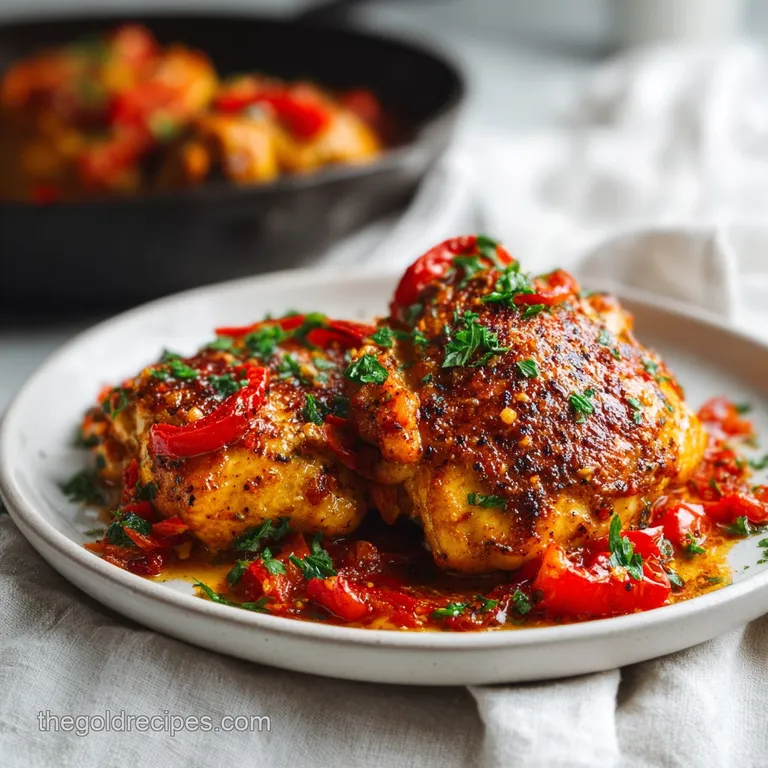
The most common failure in this creamy tuscan chicken skillet is the sauce breaking. This usually happens because the heat is too high when the cheese is added, causing the proteins to clump together and squeeze out the fat. If you see oil pooling at the edges, your emulsion is failing.
To fix it, remove the pan from the heat immediately and whisk in a tablespoon of room temperature heavy cream to help re bind the fats.
Fixing "Tough" Chicken
If your chicken feels like a hockey puck, you’ve likely overshot the temperature. Thighs are more forgiving than breasts, but they still have a limit. Always use a thermometer.
If they are already overcooked, the only way to save them is to slice them thin against the grain and let them soak in the warm sauce for 5 minutes before serving to rehydrate the fibers.
Handling Salty Overload
Between the sea salt, the Parmesan, and the sun dried tomatoes, things can get salty fast. If you’ve been too heavy handed, add a squeeze of fresh lemon juice or a splash more heavy cream. The acidity or the extra fat will help neutralize the salt perception on your tongue.
| Problem | Root Cause | Solution |
|---|---|---|
| Broken/Oily Sauce | Heat too high during cheese addition | Whisk in 1 tbsp cream off heat |
| Wilted Spinach is Slimy | Overcooked the greens | Add spinach at the very last 60 seconds |
| Bland Flavor | Not enough "fond" (browned bits) | Sear chicken longer to develop a crust |
✓ Pat chicken completely dry before seasoning to ensure a crispy exterior. ✓ Don't crowd the pan; cook in two batches if your skillet is smaller than 12 inches. ✓ Add the Parmesan in small handfuls, whisking constantly between each.
✓ Let the sauce simmer just long enough to coat the back of a spoon. ✓ Use the oil from the sun dried tomato jar for an extra layer of concentrated flavor.
Adapting the Profile for Different Proteins
If you need to feed a larger crowd, scaling this recipe is straightforward. For 8 people, double the chicken and the spinach, but only increase the heavy cream by 50% (1.5 cups total) and the spices by 1.5x.
Too much liquid in a doubled recipe often leads to a "soupy" consistency because the chicken releases more moisture when crowded.
For those looking to change the flavor profile, you can try a creamy tuscan chicken pasta variation by adding 8 oz of cooked penne or fettuccine directly into the skillet at the end. You might need an extra 0.25 cup of pasta water to help the sauce adhere to the noodles. This technique is similar to how we build the base in a Teriyaki Chicken Stir recipe, where the sauce consistency is key to the final mouthfeel.
Decoding Common Culinary Myths
One major misconception is that you must use chicken breasts for a "healthy" version. In reality, the fat in chicken thighs is what prevents the meat from becoming stringy and dry in a cream based sauce. Another myth is that you should wash your chicken.
Science shows this actually spreads bacteria around your kitchen; instead, just pat it dry and let the high heat of the sear do the sanitizing work.
Some people also believe that you can't freeze cream based sauces. While they can separate, you can absolutely freeze this dish. The trick is in the reheating you have to do it slowly and add a splash of liquid to bring the emulsion back together.
It won't be quite as velvety as day one, but it’s still better than most frozen dinners.
Preserving the Emulsion During Reheating Cycles
Storage: Place leftovers in an airtight container and refrigerate for up to 3 days. The sauce will thicken significantly as the Parmesan cools and the fats solidify. Don't be alarmed if it looks like a solid block the next morning; it will liquefy again with heat.
Freezing: You can freeze this for up to 2 months. Use a freezer safe bag and squeeze out all the air to prevent ice crystals from diluting the sauce. Thaw completely in the fridge before reheating.
Reheating: Use a small saucepan over low heat. Add 1-2 tablespoons of water or milk to help thin the sauce. Stir constantly as it warms up to encourage the fat and protein to re emulsify. Avoid the microwave if possible, as it heats unevenly and often causes the sauce to break into a greasy mess.
Zero Waste: If you have leftover sauce but no chicken, it makes an incredible base for a quick white pizza or a dip for crusty bread. You can also toss it with some roasted cauliflower for a low carb side dish.
If you have leftover sun dried tomato oil, keep it in the fridge to use for sauteing vegetables or as a base for a vinaigrette.
Starch and Vegetable Partners for This Recipe
This Tuscan Chicken is heavy on the richness, so it needs something to soak up that liquid gold. I usually serve it over a bed of garlic mashed potatoes or some al dente linguine. If you are keeping it low carb, zoodles or cauliflower rice are the way to go.
The acidity of a simple arugula salad with a lemon vinaigrette also does wonders for cutting through the fat of the heavy cream.
If you’re in the mood for something different but equally satisfying, consider trying our Fried Chicken Livers recipe for a crunchy alternative that also benefits from a well timed sear. No matter what you pair it with, the goal is balance. You want something that lets the sun dried tomatoes and the velvety sauce be the star of the show while providing enough texture to keep every bite interesting.
High in Sodium
845 mg mg of sodium per serving (37% % of daily value)
The American Heart Association recommends limiting sodium intake to about 2,300mg per day for overall cardiovascular health.
Tips to Reduce Sodium in This Recipe
-
Reduce Parmesan-15%
Parmesan cheese is a significant source of sodium. Reduce the amount of Parmesan by half or substitute with a lower sodium cheese like fresh mozzarella for a milder flavor and a sodium reduction of approximately 15%.
-
Rinse Sun-Dried Tomatoes-10%
Sun-dried tomatoes can be high in sodium, especially if they are packed in oil with added salt. Before using, rinse the sun-dried tomatoes thoroughly with water to remove excess sodium for a sodium reduction of approximately 10%.
-
Reduce Added Salt-25%
Reduce the amount of sea salt used in the recipe by half (from 1 tsp to 0.5 tsp). You can always add more at the end if needed, but tasting and adjusting is key for a sodium reduction of approximately 25% from salt.
-
Enhance with Herbs
Experiment with fresh herbs like basil, parsley, or chives to boost the flavor of the dish without adding sodium. Fresh herbs create depth and complexity for a sodium reduction of approximately 0%.
-
Garlic Power-5%
Maximize the impact of the garlic by gently roasting the cloves before mincing to bring out a sweeter, more intense flavor. This helps to compensate for the lack of sodium for a sodium reduction of approximately 5%.
-
Spice It Up-5%
Increase the amount of black pepper and smoked paprika in the recipe to enhance the flavor without adding sodium. These spices can provide a savory depth for a sodium reduction of approximately 5%.
Recipe FAQs
Can I substitute chicken breasts for the thighs?
Yes, but reduce the cooking time. Chicken breasts are leaner and dry out faster, so only sear them for 4-5 minutes per side before simmering.
How to prevent the heavy cream sauce from separating or getting grainy?
Remove the pan from the heat before adding Parmesan. Stir the cheese in slowly off the heat until it melts, ensuring the fat emulsifies evenly before reapplying gentle warmth.
What is the minimum internal temperature for the chicken to be safe?
165°F (74°C). Use a thermometer to pull the chicken exactly at this point, then let it rest for 5 minutes in the sauce to retain moisture.
How to adjust this recipe for a low-carb diet?
Serve it over cauliflower rice or zucchini noodles. Skip traditional pasta; the rich, creamy sauce is still satisfying over these low-carb vegetables.
Is it true that pre-shredded Parmesan cheese works fine in this sauce?
No, pre-shredded cheese is best avoided. It contains anti caking agents which prevent it from melting smoothly, often resulting in a gritty or sandy texture.
How long can I safely store leftovers of this creamy chicken?
Refrigerate for up to 3 days in an airtight container. The sauce will solidify; reheat slowly on the stovetop with a splash of water or milk to re-emulsify.
What is the best side dish to balance the richness of the cream sauce?
A simple, acidic green salad works best. The acid cuts through the fat beautifully, much like the balancing act required for a stable sauce base, similar to our Crispy Parmesan Roasted recipe.
Creamy Tuscan Chicken Skillet
Ingredients:
Instructions:
Nutrition Facts:
| Calories | 584 kcal |
|---|---|
| Protein | 39.1 g |
| Fat | 44.2 g |
| Carbs | 8.7 g |
| Fiber | 1.8 g |
| Sugar | 4.2 g |
| Sodium | 845 mg |
