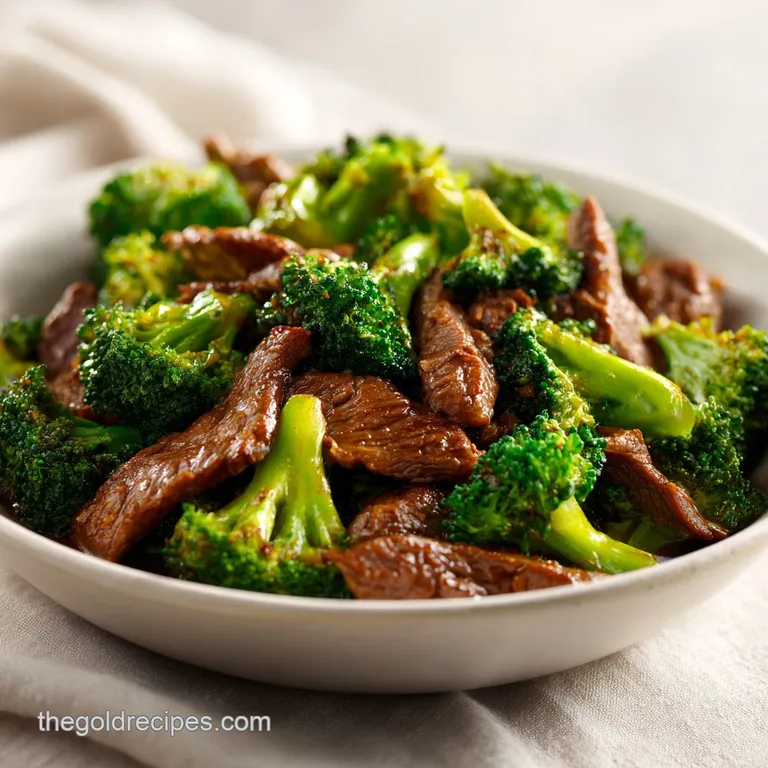
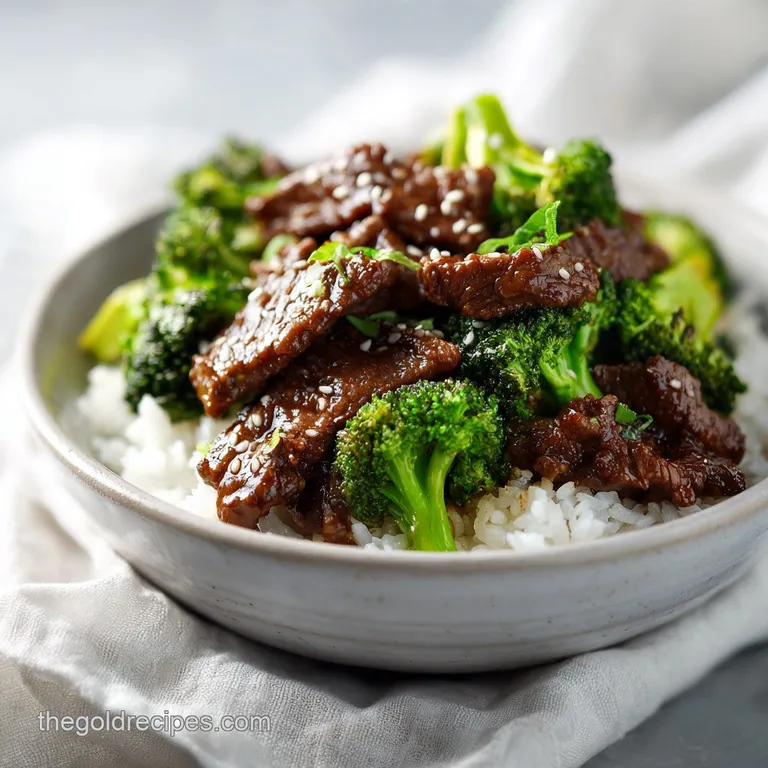
Beef and Broccoli Stir Fry
- Time: Active 10 minutes, Passive 10 minutes, Total 20 minutes
- Flavor/Texture Hook: Velvety, glossy, and savory
- Perfect for: A quick weeknight family dinner
- The Secret to the Velvety Texture
- The Timings for Your Stir Fry Success
- Everything You Need for This Hearty Meal
- The Kitchen Tools for the Job
- Step by Step Instructions for Best Results
- Solving Common Problems with Your Stir Fry
- Ways to Customize Your Family Dinner
- Myths About Stir Frying Beef
- How to Store and Reheat Leftovers
- Perfect Pairings for a Full Family Table
- Critical Level of Sodium
- Recipe FAQs
- 📝 Recipe Card
The Secret to the Velvety Texture
The magic of this recipe comes down to a process called velveting, which is a staple in stir fry cooking. When we use a tiny bit of baking soda and cornstarch, we are actually changing the structure of the meat.
- Ph Balance: The baking soda raises the pH level on the surface of the beef, which prevents the proteins from bonding too tightly when they hit the heat.
- Moisture Barrier: Cornstarch creates a thin, protective coating that seals in the juices while the meat sears.
- Gelatinization: As the sauce hits the pan, the cornstarch on the beef helps thicken the liquid instantly into a glossy glaze.
- over High heat Protection: The marinade acts as a heat shield, allowing the beef to get a beautiful brown crust without drying out inside.
| Thickness of Beef | Internal Temp | Rest Time | Visual Cue |
|---|---|---|---|
| 1/8 inch | 145°F | 2 minutes | No visible pink, glossy exterior |
| 1/4 inch | 145°F | 3 minutes | Edges start to curl and brown |
| 1/2 inch (not recommended) | 150°F | 5 minutes | Likely to be too chewy for stir fry |
This table shows why we aim for those super thin slices. If the meat is too thick, it won't cook fast enough to stay tender in the high heat of a skillet.
The Timings for Your Stir Fry Success
When you are cooking at high heat, seconds matter. I like to have everything lined up on the counter before I even turn on the stove. This isn't a recipe where you can chop the ginger while the beef is frying. If you do that, the beef will be overcooked before the ginger even hits the oil.
I call this "the staging area" phase.
Component Analysis
| Ingredient | Science Role | Pro Secret |
|---|---|---|
| Baking Soda | Protein Tenderizer | Use exactly 1/4 tsp; too much adds a metallic taste. |
| Oyster Sauce | Umami Base | Provides the thickness and "dark" flavor without extra salt. |
| Cornstarch | Binding Agent | Whisk it into cold broth to prevent lumps in your sauce. |
| Flank Steak | Primary Protein | Slice against the grain to break up tough muscle fibers. |
The key to a budget friendly meal is using flank steak effectively. It is a lean, flat cut that is often cheaper than ribeye or sirloin, but it has a deep, beefy flavor that stands up well to the strong ginger and garlic in this dish.
Everything You Need for This Hearty Meal
Getting the ingredients right is half the battle. We are using simple pantry staples that I always keep on hand. If you are looking for another family favorite to add to your rotation, this sauce profile is somewhat similar to the base of my Ground Beef Stroganoff recipe, though we are swapping the cream for savory oyster sauce.
- 1 lb flank steak: Sliced thin against the grain. Why this? It has the best flavor to price ratio for quick searing.
- Substitute: Sirloin tips or even sliced London Broil work great too.
- 1 lb broccoli florets: Cut into bite sized pieces. Why this? The "trees" soak up the sauce perfectly.
- Substitute: Frozen broccoli works if thawed and patted very dry.
- 2 tbsp soy sauce: Divided for the marinade and the sauce. Why this? Adds essential salt and deep color.
- Substitute: Tamari for a gluten-free option.
- 1/4 cup oyster sauce: The backbone of the glaze. Why this? It provides that signature savory sweet thickness.
- Substitute: Hoisin sauce (note: this will be much sweeter).
- 1/2 cup low sodium beef broth: For the sauce volume. Why this? Keeps the dish from being too salty.
- Substitute: Water with a splash more soy sauce.
- 1 tbsp brown sugar: To balance the salt. Why this? It helps with the caramelization in the pan.
- Substitute: Honey or maple syrup.
- 2 tbsp neutral oil: For over high heat frying. Why this? Canola or vegetable oil won't burn at high temps.
- Substitute: Avocado oil.
- 1 tsp toasted sesame oil: For the aroma. Why this? A little goes a long way for that "authentic" smell.
- Substitute: Toasted sesame seeds if you are out of oil.
- 2 tsp cornstarch: Divided for the meat and sauce. Why this? It creates the velvety texture and thickens the glaze.
- Substitute: Arrowroot powder.
- 1/4 tsp baking soda: To tenderize the beef. Why this? The secret weapon for soft, tender meat.
- 3 cloves garlic: Minced fresh. Why this? Fresh garlic provides a much sharper flavor than powder.
- 1 tbsp fresh ginger: Grated. Why this? Adds a bright, peppery heat to the sauce.
- 1 tbsp water: To help steam the broccoli.
- 1 tsp toasted sesame seeds: For garnish.
- 2 stalks green onions: Sliced for a fresh finish.
The Kitchen Tools for the Job
You don't need a professional wok to make this work, although if you have one, use it! I usually reach for my largest cast iron skillet or a heavy bottomed stainless steel pan. The most important thing is surface area.
If the pan is too small, the beef will steam instead of searing, and you will lose that beautiful brown crust.
Chef's Tip: If you don't have a lid that fits your large skillet, a baking sheet works perfectly to trap the steam when you are softening the broccoli.
Make sure you have a sharp knife. Slicing the beef thin is much easier if you pop the steak in the freezer for about 15 minutes before you start. It firms up just enough that you can get those paper thin strips without the meat sliding around under the blade.
Trust me, it makes a huge difference in the final texture.
step-by-step Instructions for Best Results
- Prep the beef. Toss the sliced flank steak with 1 tbsp soy sauce, 1 tsp cornstarch, and the baking soda. Note: This starts the tenderizing process immediately.
- Whisk the sauce. In a small bowl, combine the beef broth, oyster sauce, remaining 1 tbsp soy sauce, brown sugar, and the remaining 1 tsp cornstarch. Note: Ensure the cornstarch is fully dissolved to avoid clumps.
- Heat the pan. Add 1 tbsp neutral oil to a large skillet over medium high heat until it starts to shimmer and wisps of smoke appear.
- Sear the meat. Add the beef in a single layer. Cook for 2 minutes without moving it, then flip and cook for another 1 minute until browned and caramelized. Remove beef from the pan and set aside.
- Sauté aromatics. Add the remaining oil, garlic, and ginger to the pan. Cook for 30 seconds until the aroma fills the kitchen.
- Cook the broccoli. Throw the broccoli florets into the pan with 1 tbsp of water. Cover immediately with a lid.
- Steam fry. Let the broccoli steam for 2 minutes until it turns vibrant green and is fork tender.
- Combine. Return the beef and any juices back to the pan. Give the sauce mixture a quick stir and pour it over everything.
- Thicken the glaze. Toss constantly for 1 minute until the sauce is thick, bubbly, and coats every piece.
- Finish and serve. Turn off the heat and stir in the sesame oil. Top with sesame seeds and green onions.
Solving Common Problems with Your Stir Fry
Stir frying can be intimidating because it happens so fast. If things start to go wrong, don't panic. Usually, it's a matter of heat control or moisture. If you find your family prefers something more "one pan" style with a different starch, you might like my Ground Beef Potato recipe, which is just as hearty and easy to fix if things get a bit dry.
Why Your Beef is Chewy
If the beef feels like leather, it usually means it was sliced with the grain or the pan wasn't hot enough. When the pan is cool, the meat "bleeds" its juices and boils in them rather than searing. This results in a grey, tough texture.
Always look for those long lines in the meat and cut across them, not parallel to them.
Why the Sauce is Slimey
If the sauce looks more like jelly than a glaze, you likely used too much cornstarch or didn't add enough liquid. A good stir fry sauce should be velvety and pourable, not thick enough to stand a spoon in.
You can easily fix this by whisking in a tablespoon or two of warm water or broth while the pan is still on the heat.
| Problem | Root Cause | Solution |
|---|---|---|
| Soggy Broccoli | Too much water or cooked too long | Remove lid earlier and toss over high heat to evaporate moisture. |
| Burned Garlic | Added too early or heat too high | Add aromatics only when you are ready to add the vegetables immediately. |
| Thin, Watery Sauce | Cornstarch didn't activate | Ensure the sauce reaches a full boil for at least 30 seconds. |
Common Mistakes Checklist
- ✓ Pat the beef dry with a paper towel before marinating to ensure a better sear.
- ✓ Don't overcrowd the pan; if your skillet is small, sear the beef in two batches.
- ✓ Cut broccoli florets into uniform sizes so they all finish steaming at the same time.
- ✓ Use a neutral oil with a high smoke point; butter or extra virgin olive oil will burn and taste bitter.
- ✓ Have all sauce ingredients measured and mixed before the heat goes on.
Ways to Customize Your Family Dinner
This recipe is a fantastic base, but I know how it goes sometimes you look in the fridge and realize you are out of one thing or the kids are begging for something spicy. You can easily adapt this to whatever you have on hand. For example, if you want to lean into more of a veggie heavy dish, you could take inspiration from my Savory Cabbage Hamburger recipe and add some shredded cabbage or thinly sliced carrots to the mix.
If you are cooking for a crowd, you can double this recipe easily. Just remember that you must cook the beef in batches. If you dump 2 lbs of cold meat into a pan at once, the temperature will drop instantly, and you will end up with a watery mess.
- To Scale Down (1-2 people): Use half the ingredients but keep the aromatics (garlic/ginger) at the full amount for better flavor.
- To Scale Up (6-8 people): Double everything, but only use 1.5x the salt or soy sauce at first. You can always add more, but you can't take it away. Use a very large skillet or work in two separate pans.
- Spicy Version: Add 1 tsp of red pepper flakes or a dollop of chili garlic sauce to the liquid mixture.
| Servings | Beef Amount | Broccoli Amount | Pan Size |
|---|---|---|---|
| 2 People | 0.5 lb | 0.5 lb | 10 inch skillet |
| 4 People | 1 lb | 1 lb | 12 inch skillet |
| 8 People | 2 lbs | 2 lbs | Two 12 inch skillets |
Myths About Stir Frying Beef
One of the biggest myths I hear is that you need a specialized high BTU burner to get "wok hei" or that smoky restaurant flavor. While a big flame helps, you can get very close at home by using a cast iron skillet.
Cast iron holds heat much better than thin non stick pans, allowing you to get that deep sear that mimics a professional kitchen.
Another common misconception is that you should wash the meat before cooking. Please, don't do this! Not only does it spread bacteria around your sink, but moisture is the enemy of a good sear. If the meat is wet, it will steam. If you want that beautiful brown crust, keep the meat dry and let the marinade do the work.
Finally, some people think that soy sauce is the only thing that provides flavor. In reality, the balance of the sugar, the ginger, and especially the oyster sauce is what creates that complex "brown sauce" flavor. Soy sauce provides the salt, but the other ingredients provide the soul of the dish.
How to Store and Reheat Leftovers
This dish actually keeps quite well, which makes it a great candidate for lunch the next day. The flavors of the ginger and garlic tend to mellow and meld together overnight.
- Fridge: Store in an airtight container for up to 3 days. The broccoli will lose its bright green color and turn a bit olive drab, but the flavor will still be excellent.
- Freezer: You can freeze this for up to 2 months. However, be aware that the broccoli will become quite soft once thawed. It is best to freeze the beef and sauce together and add fresh broccoli when you reheat.
- Reheating: Avoid the microwave if possible, as it can turn the beef rubbery. Instead, toss everything into a hot skillet with a splash of water or beef broth. Cover it for a minute to let the steam revive the broccoli, then toss until the sauce is glossy again.
Zero Waste Tip: Don't throw away those broccoli stems! Peel off the tough outer skin with a vegetable peeler, and you will find a tender, sweet core. Slice that into matchsticks and throw it in the pan with the florets.
It adds a great crunch and ensures you are getting your money's worth from the produce aisle.
Perfect Pairings for a Full Family Table
While this is a complete meal on its own, it is almost always served over a bed of fluffy white rice or brown rice to soak up every drop of that sauce. If you want to switch things up, try serving it over rice noodles or even some simple buttered lo mein noodles.
For a lighter option, cauliflower rice works surprisingly well here because the sauce is so flavorful that you won't even miss the grains. I also love serving this alongside a simple smashed cucumber salad with a bit of rice vinegar and chili oil to provide a cold, crisp contrast to the warm, savory beef.
No matter how you serve it, the goal is to get everyone to the table for a hearty meal that feels like a treat but fits perfectly into a busy budget.

Critical Level of Sodium
1140 mg 1140 mg of sodium per serving (50% 50% of daily value)
The American Heart Association recommends limiting sodium intake to no more than 2,300mg per day for most adults. This recipe exceeds that limit.
Tips to Reduce Sodium in Your Beef and Broccoli
-
Swap Broth-30%
Replace regular beef broth with no-sodium added beef broth. This simple swap can drastically cut the sodium content of the dish.
-
Halve Soy Sauce-20%
Reduce the amount of soy sauce used to 1 tbsp. Soy sauce is a significant source of sodium. Try adding a splash of rice vinegar for extra flavor.
-
Reduce Oyster Sauce-20%
Decrease the oyster sauce to 2 tablespoons or less. Alternatively, look for a low-sodium oyster sauce option if available, or consider omitting it entirely and adding a touch more brown sugar and ginger for a similar flavor profile.
-
Marinate Mindfully-15%
Consider marinating the flank steak with low-sodium ingredients before cooking, reducing the need for high sodium sauces during the stir fry. A mixture of ginger, garlic, and a little rice wine can impart great flavor.
-
Spice it Up!
Enhance the flavor with sodium free herbs and spices. Experiment with black pepper, red pepper flakes, garlic powder (ensure it is salt free), or a dash of smoked paprika to boost the taste without adding sodium.
Recipe FAQs
What is the secret to good beef and broccoli?
Velveting the beef. This technique uses baking soda and cornstarch to raise the pH and protect the meat proteins, locking in moisture for a tender, restaurant quality texture.
What meat is good for beef and broccoli?
Flank steak is ideal. It offers the best flavor-to-price ratio for quick, high heat searing and slices well against the grain.
What beef and broccoli sauce made of?
It requires oyster sauce, soy sauce, beef broth, brown sugar, and cornstarch. Oyster sauce provides the deep umami backbone, while the cornstarch thickens the liquid into a glossy glaze when heated.
How do Chinese restaurants get beef so tender?
They use velveting, a process involving baking soda and cornstarch. If you master controlling the surface texture of the meat like this, you’ll see similar results when learning techniques like those in our Viral Cottage Cheese recipe, which also relies on specific chemical reactions for texture.
What is the best way to prevent the beef from turning tough when stir frying?
Ensure your pan is screaming hot before adding the meat. Overcrowding the pan instantly drops the temperature, causing the beef to steam in its own juices rather than sear quickly.
How long should I cook the broccoli for maximum crisp tender texture?
Steam it covered for about two minutes before tossing it in the sauce. Use high heat and a lid to create quick steam, which cooks the interior while keeping the color vibrant.
Can I substitute the oyster sauce with something else in the recipe?
Yes, you can substitute it, but the flavor profile will change slightly. Hoisin sauce is a common substitute, though it tends to be sweeter; for a similar savory depth, consider the sauce base used in the Crispy Parmesan Roasted recipe, focusing on savory layering.
Velvety Beef And Broccoli
Ingredients:
Instructions:
Nutrition Facts:
| Calories | 338 kcal |
|---|---|
| Protein | 27.5 g |
| Fat | 17.8 g |
| Carbs | 16.4 g |
| Fiber | 3.6 g |
| Sugar | 4.8 g |
| Sodium | 1140 mg |
