One Pot Unstuffed Cabbage Rolls
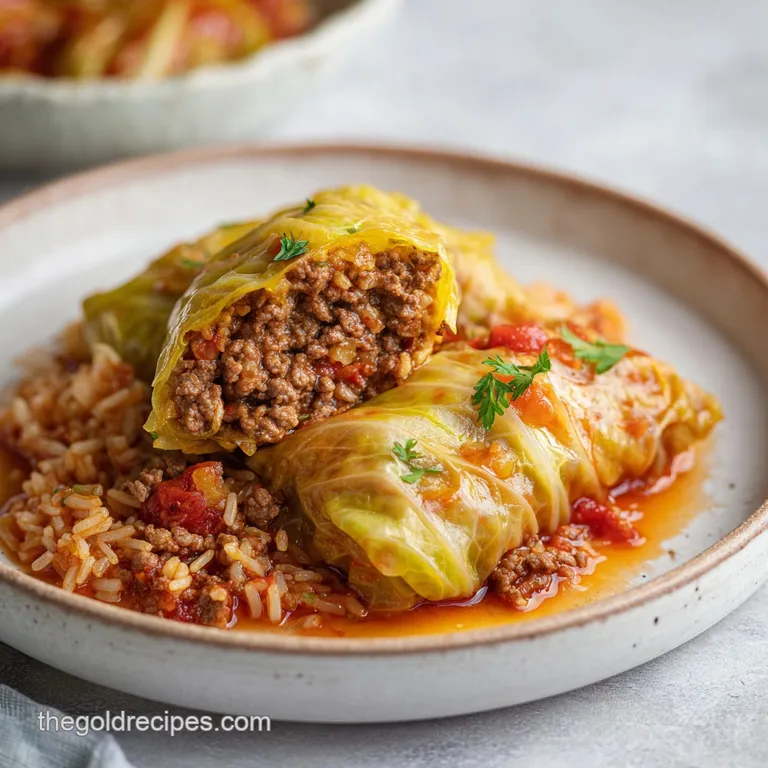
- Time: Active 15 minutes, Passive 25 minutes, Total 40 minutes
- Flavor/Texture Hook: Savory beef and tender crisp cabbage
- Perfect for: Busy weeknight dinners or budget-friendly meal prep
- Comforting One Pot Unstuffed Cabbage Rolls Recipe
- Why This Hearty Meal Works
- Component Analysis for Better Flavor
- Pantry Staples and Fresh Cabbage
- Simple Tools for Big Flavor
- Step-by-Step One Pot Success
- Avoiding Soggy Rice and Bitter Cabbage
- Easy Swaps for Picky Eaters
- Kitchen Wisdom and Myths
- Storing and Reheating Your Leftovers
- Perfect Sides for Cabbage Rolls
- Recipe FAQs
- 📝 Recipe Card
Comforting One Pot Unstuffed Cabbage Rolls Recipe
The sizzle of lean ground beef hitting a hot cast iron skillet is the sound of a Tuesday night victory in my house. There is something about that specific aroma the savory fat rendering down mixed with the sharp, sweet scent of diced onions that immediately brings everyone to the kitchen table.
I remember the first time I tried to make traditional rolls for a Sunday dinner; I spent two hours hunched over the counter, sweating as I tried to wrap stubborn cabbage leaves around slippery meat like I was swaddling a very uncooperative infant.
Half of them unraveled in the pot, and I ended up with a pile of "deconstructed" mess that tasted great but looked like a disaster.
That kitchen failure was actually a blessing in disguise because it taught me that the "unstuffed" version isn't just a shortcut; it's actually a better way to eat. When you chop everything up, every single bite of these Unstuffed Cabbage Rolls gets coated in that tangy tomato sauce and infused with the smoky paprika.
You don't have to fight with a knife and fork to get a perfect ratio of meat to leaf. Plus, the rice absorbs all that liquid right in the pan, turning into little flavor sponges that make the whole meal feel incredibly hearty and satisfying.
We've all had those nights where we want a home cooked meal that sticks to our ribs but we only have 40 minutes before the kids start circling the pantry like hungry sharks. This dish is my go to solution.
It uses humble, budget friendly ingredients like a simple head of green cabbage and pantry staple rice, yet it tastes like something that’s been simmering on a stove in a grandmother’s kitchen all afternoon.
It’s practical, it’s filling, and it’s become one of our most requested family favorites.
Why This Hearty Meal Works
Starch Hydration Mastery
Liquid Equilibrium: Cooking the rice directly in the beef bone broth and tomato juice allows the grains to swell with savory flavors rather than just water. This creates a cohesive texture where the rice acts as a binder for the succulent beef.
The Physics of the Wilt
Cellular Collapse: Sautéing the cabbage briefly before simmering breaks down its rigid cellulose structure without turning it into mush. This ensures the leaves remain tender crisp rather than slimy or tough.
Acid Fat Balance
Chemical Brightening: The addition of apple cider vinegar at the end cuts through the richness of the beef fat. It provides a sharp counterpoint that wakes up the earthy notes of the smoked paprika.
| Cooking Method | Active Time | Resulting Texture | Best Used For |
|---|---|---|---|
| One Pot Stovetop | 15 mins | Saucy and cohesive | Quick weeknight dinners |
| Oven Casserole | 20 mins | Crispy edges, dense | Weekend family gatherings |
| Slow Cooker | 10 mins | Very soft cabbage | Hands off morning prep |
Choosing the stovetop method is usually my preference because it gives you the most control over the rice texture. If you like your cabbage with a bit more of a "bite," you can add it five minutes later than the rice, but I find that following the standard timeline results in a velvety consistency that blends perfectly with the meat.
Component Analysis for Better Flavor
| Ingredient | Science Role | Pro Secret |
|---|---|---|
| Ground Beef | Primary protein and fat source | Sear until deep brown for Maillard flavor |
| Green Cabbage | Structural bulk and fiber | Use the inner light green leaves for sweetness |
| Beef Bone Broth | Liquid medium and gelatin source | Adds a silky mouthfeel compared to plain water |
| White Rice | Starch thickener and filler | Rinse first to prevent excess surface gumminess |
Pantry Staples and Fresh Cabbage
To get started with these Unstuffed Cabbage Rolls, you will need to gather a few basics. I always suggest using a lean ground beef so you don't end up with a pool of oil at the bottom of your pot. If you are looking for a similar vibe with a different flavor profile, you might enjoy my Savory Cabbage Hamburger recipe which leans more into the skillet style browning.
- 1 lb lean ground beef (90/10): Provides the hearty base. Why this? Higher fat ratios can make the rice feel too greasy.
- Sub: Ground turkey or pork for a lighter or sweeter flavor.
- 1 tbsp extra virgin olive oil: For sautéing the aromatics.
- Sub: Avocado oil or even a small pat of butter.
- 1 large yellow onion, diced: Adds essential sweetness.
- Sub: White onion or two large shallots.
- 3 cloves garlic, minced: Gives that punchy aromatic backbone.
- Sub: 1 tsp garlic powder in a pinch.
- 1 small head green cabbage (approx. 2 lbs): The star of the show. Why this? Green cabbage holds its shape better than red during simmering.
- Sub: Savoy cabbage for a more delicate texture.
- 1 cup long grain white rice, uncooked: Thickens and fills the dish.
- Sub: Jasmine rice for a floral note and softer grain.
- 14.5 oz canned diced tomatoes, undrained: Provides texture and acidity.
- Sub: Crushed tomatoes if you prefer a smoother sauce.
- 15 oz tomato sauce: The liquid base for the sauce.
- Sub: Tomato purée with a pinch of sugar.
- 1.5 cups beef bone broth: Adds deep, savory liquid.
- Sub: Chicken broth or vegetable stock.
- 1 tbsp Worcestershire sauce: Adds umami and depth.
- Sub: Soy sauce for a similar salty kick.
- 1 tsp smoked paprika: Gives a hint of "cooked over fire" flavor.
- Sub: Sweet paprika or a tiny pinch of liquid smoke.
- 1 tbsp apple cider vinegar: Brightens the entire pot.
- Sub: Lemon juice or white wine vinegar.
- 1/2 tsp dried oregano: Earthy herbal notes.
- Sub: Italian seasoning blend.
- 1 tsp kosher salt: Enhances all other flavors.
- 1/2 tsp black pepper: Adds a gentle heat.
Simple Tools for Big Flavor
You don't need a kitchen full of gadgets for this one. A large, heavy bottomed pot is your best friend here. I personally swear by a 5 quart Dutch oven or a deep 12 inch cast iron skillet. The heavy lid is crucial because it traps the steam needed to cook the rice evenly without all the broth evaporating too quickly.
You'll also want a sturdy wooden spoon or a silicone spatula to scrape up the "fond" those tasty brown bits of beef stuck to the bottom of the pan after searing. Don't leave those behind; they are pure flavor. A sharp chef's knife is also a must for tackling that cabbage.
I usually core the cabbage first, then slice it into thick ribbons before chopping those into 1 inch squares.
step-by-step One Pot Success
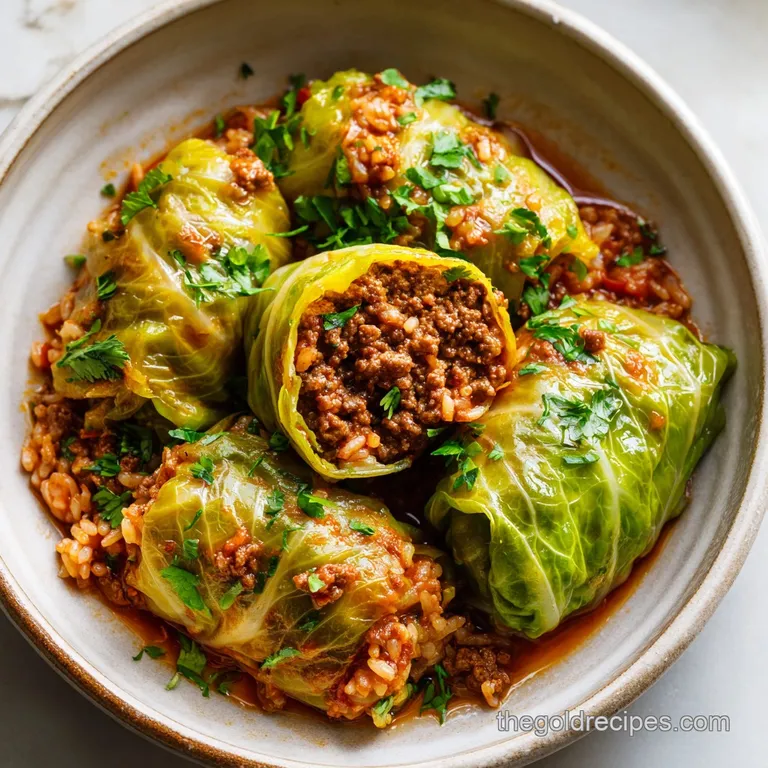
- Brown the beef. Heat the olive oil in your large pot over medium high heat. Add the ground beef and cook 6-8 minutes until no pink remains and the meat is nicely browned. Note: Browning the meat thoroughly adds a layer of flavor you can't get from just graying it.
- Sauté the aromatics. Stir in the diced onion. Cook for 4-5 minutes until the onion is translucent and soft.
- Fragrance the garlic. Add the minced garlic and cook for about 1 minute until you smell that sharp, sweet aroma. Do not let it turn dark brown or it will taste bitter.
- Incorporate the cabbage. Toss in the chopped cabbage pieces. Sauté for 3-4 minutes until the cabbage begins to wilt and shrink slightly.
- Add the liquids. Pour in the undrained diced tomatoes, tomato sauce, beef bone broth, and Worcestershire sauce. Stir well to combine.
- Season the base. Stir in the smoked paprika, dried oregano, salt, and black pepper. This ensures the spices are distributed before the rice goes in.
- Add the rice. Sprinkle the uncooked white rice over the top and stir it into the liquid. Make sure most of the rice is submerged.
- Simmer and cover. Bring the mixture to a boil, then immediately turn the heat down to low. Cover tightly with a lid.
- Cook the grains. Simmer for 18-22 minutes until the rice is tender and the liquid is mostly absorbed. Note: Resist the urge to peek! Every time you lift the lid, steam escapes and slows down the rice.
- Finish and rest. Remove from heat and stir in the apple cider vinegar. Let the pot sit, covered, for 5 minutes before serving until the sauce thickens and the flavors meld.
Avoiding Soggy Rice and Bitter Cabbage
Preventing Mushy Rice
If your rice ends up feeling like paste, it’s usually because of too much agitation or too much liquid. Once you stir the rice in and set it to simmer, leave it alone. Constant stirring releases starches that turn the dish gummy.
If you find the rice is done but there is still too much liquid, simply take the lid off and let it sit for five minutes; the residual heat will usually soak up that extra moisture.
Managing Cabbage Volume
A whole head of cabbage looks like a mountain when you first chop it. It might seem like it won't fit in your pot. However, cabbage is mostly water. As soon as it hits the heat and the salt, the cell walls break down and it shrinks significantly.
If you're struggling to fit it all, add half, let it wilt for two minutes, then add the rest.
| Problem | Root Cause | Solution |
|---|---|---|
| Rice is crunchy | Not enough liquid or heat too high | Add 1/4 cup broth and simmer covered 5 more mins |
| Dish tastes flat | Lack of acidity or salt | Add an extra teaspoon of vinegar or a pinch of salt |
| Cabbage is tough | Pieces chopped too large | Cut into smaller 1 inch bits next time for even cooking |
Chef's Tip: Freeze your head of cabbage for 24 hours and then thaw it before chopping. This "pre breaks" the cell walls, making the cabbage incredibly tender in half the cooking time.
Common Mistakes Checklist
- ✓ Pat the beef dry with a paper towel if it seems wet before browning to get a better sear.
- ✓ Ensure the rice is "long grain" white rice; short grain or sushi rice will be too sticky.
- ✓ Use a tight fitting lid to prevent the broth from evaporating before the rice can soften.
- ✓ Don't skip the apple cider vinegar at the end; it transforms the dish from "heavy" to "bright."
- ✓ Let the dish rest for at least 5 minutes after cooking to allow the starches to set.
Easy Swaps for Picky Eaters
If you need to scale this recipe down for a smaller household, it’s quite simple. For a half batch, use a smaller 3 quart pot. You'll still want to use a whole onion for flavor, but you can halve the beef and cabbage.
Reduce the simmering time by about 3-5 minutes, but keep a close eye on the rice doneness.
When doubling the recipe for a big family gathering, use a very large stockpot. You don’t need to double the salt or the smoked paprika exactly; I recommend starting with 1.5x the spices and adjusting at the end.
You’ll also want to work in batches when browning the beef so you don't crowd the pan and end up steaming the meat instead of searing it.
| Premium Option | Budget Alternative | Flavor Impact | Savings |
|---|---|---|---|
| Beef Bone Broth | Water + Bouillon Cube | Slightly less body/gelatin | Save $3-5 |
| Fresh Garlic | Jarred Minced Garlic | Less pungent/sharp | Save $1 |
| Smoked Paprika | Chili Powder | Adds heat instead of smoke | Save $2 |
Kitchen Wisdom and Myths
One common myth is that you must pre cook the rice before adding it to the pot. This actually results in a much blander dish. When you cook the rice in the tomato and beef juices, the grain itself becomes seasoned all the way to the center.
Pre cooking only leads to rice that tastes like plain water and often results in a mushy final texture because it overcooks during the simmering phase.
Another misconception is that the "core" of the cabbage is usable if you cook it long enough. In reality, the core is extremely dense and often remains bitter and woody even after a long simmer. Always cut a deep "V" into the base of the cabbage and discard that tough center. Your jaw will thank you later.
Storing and Reheating Your Leftovers
These Unstuffed Cabbage Rolls actually taste better the next day. As it sits in the fridge, the rice continues to absorb the nuances of the spices and the tomato sauce. You can keep leftovers in an airtight container in the refrigerator for up to 4 days.
When reheating, the rice might have soaked up all the sauce, so I recommend adding a splash of water or broth before microwaving or heating on the stovetop to bring back that succulent texture.
For freezing, this dish is a superstar. Let it cool completely before transferring it to freezer safe bags or containers. It will stay fresh for up to 3 months. To reheat from frozen, let it thaw in the fridge overnight and then warm it through in a skillet. If you have leftover raw cabbage scraps, don't toss them!
Shred them thinly and toss them with a little vinegar and oil for a quick side slaw, or throw them into a freezer bag for your next batch of homemade vegetable stock.
Perfect Sides for Cabbage Rolls
Since this dish already contains your protein, vegetable, and starch, it is truly a complete meal on its own. However, if you want to stretch it further or add some contrast, I highly recommend a dollop of cold sour cream on top.
The creamy, cool fat against the warm, acidic tomato sauce is a classic pairing that shouldn't be missed.
A crusty piece of rye bread or a simple side of roasted root vegetables also works beautifully. If you're looking for something green and crisp to cut through the heartiness, a simple cucumber salad with dill and white vinegar mirrors the flavors in the cabbage rolls perfectly.
It’s all about bringing that balance of comfort and freshness to the table so everyone leaves the meal feeling satisfied but not weighed down.

Recipe FAQs
Do I cook the rice first for unstuffed cabbage rolls?
No, cook it directly in the sauce. Cooking the uncooked rice in the beef broth and tomato mixture allows the grains to absorb the rich, savory flavors, making the dish cohesive and fully seasoned.
What seasoning is good on unstuffed cabbage rolls?
Smoked paprika and apple cider vinegar are essential. The smoked paprika provides a deep, comforting flavor profile, while the vinegar added at the end brightens the heavy tomato and beef base.
How to make lazy man's cabbage rolls?
Brown the beef, sauté the onions, then add chopped cabbage, rice, and all liquids. Simmer everything together, covered, until the rice is tender, skipping the labor intensive rolling step entirely.
How to make the perfect unstuffed cabbage rolls?
Sear the ground beef thoroughly before adding vegetables to build the Maillard flavor base. Ensure you use beef bone broth instead of plain water for a silkier mouthfeel and deeper umami.
Is it true I must leave the pot completely sealed while simmering?
Yes, avoid opening the lid during the 18-22 minute simmer. Lifting the lid releases steam, which slows down the cooking process for the rice, potentially leading to uneven texture or requiring extra liquid.
Can I use rice other than long grain white rice?
Yes, but long grain is recommended for texture control. Jasmine rice will work for a slightly floral note, but avoid short grain or sushi rice as their high starch content often creates a gummy texture in this one-pot method.
How long can I store leftovers for the best texture?
Leftovers are best within 1-2 days, but freeze well for up to 3 months. The flavor deepens overnight; when reheating, add a splash of broth to compensate for the rice absorbing all remaining liquid in the fridge.
Unstuffed Cabbage Rolls Recipe
Ingredients:
Instructions:
Nutrition Facts:
| Calories | 362 kcal |
|---|---|
| Protein | 21.6 g |
| Fat | 8.4 g |
| Carbs | 43.1 g |
| Fiber | 5.2 g |
| Sugar | 8.7 g |
| Sodium | 785 mg |
