Chicken Cacciatore: Rustic One Pot Wonder
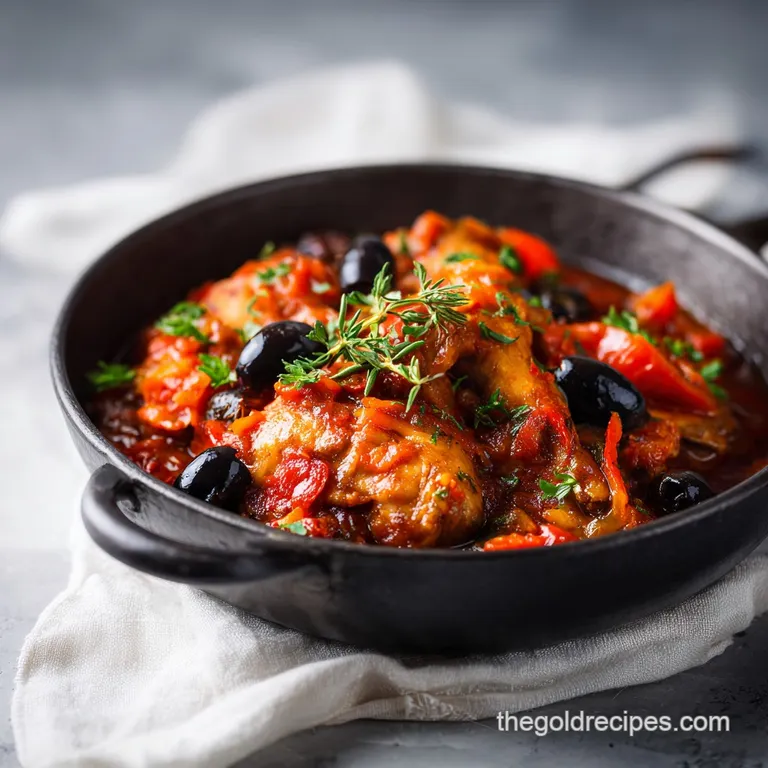
- Time: Active 20 minutes, Passive 45 minutes, Total 65 minutes
- Flavor/Texture Hook: Hearty, fall off-the bone chicken in a velvety, herb infused tomato sauce.
- Perfect for: A cozy family Sunday supper or a budget-friendly weeknight meal prep.
- Why You'll Love This Hearty Chicken Cacciatore Family Favorite
- Why This Recipe Works: The Secret to Depth and Texture
- The Building Blocks: Selecting Your Ingredients for Maximum Flavor
- Equipment Needed: The Best Pans for a Rustic Braise
- Bringing It Together: A Masterclass in Traditional Searing and Simmering
- Troubleshooting Guide: How to Fix Common Texture and Balance Issues
- Variations & Substitutions: Making This Healthy Chicken Cacciatore Work for You
- Scaling and Myths: Modern Realities of This Traditional Dish
- Preservation Secrets: Storing and Reheating This Robust Tomato Feast
- What to Serve This With: Creating a Complete Italian Experience
- Recipe FAQs
- 📝 Recipe Card
Why You'll Love This Hearty Chicken Cacciatore Family Favorite
The first time I really got this recipe right, the aroma of garlic, oregano, and simmering wine literally filled every corner of our small kitchen. It was one of those rainy Tuesday afternoons where everything felt a bit chaotic, but the second those chicken thighs hit the hot oil and started that rhythmic, heavy sizzle, I knew dinner was going to be the highlight of the day.
There is something truly grounding about a rustic italian chicken recipe that doesn't require fancy equipment or expensive cuts of meat. It's the kind of meal that invites everyone to lean over the pot, take a deep breath, and grab a piece of crusty bread to sneak a dip of the sauce before it even hits the table.
What makes this specific version a winner in our house is the balance of textures. We aren't just boiling chicken in red water; we are building a foundation of flavor that starts with mahogany seared skin and ends with a sauce so thick it clings to your pasta.
It’s a budget friendly way to feed six people while making it feel like a special occasion. I’ve made the mistake of rushing the vegetables before, but I’ve learned that letting those onions and peppers soften properly is what transforms the sauce from "okay" to "I need the recipe right now." Trust me, once you see how those San Marzano tomatoes break down into the chicken juices, you'll never look at a jar of marinara the same way again.
We are going for a meal that feels like a warm hug. It's robust, it's earthy, and it uses simple ingredients you likely already have in your pantry. Whether you call it an authentic chicken cacciatore or just "that amazing chicken stew," the result is always the same: empty plates and happy, full bellies.
This dish represents everything I love about home cooking taking humble components like carrots and onions and turning them into something that feels like a celebration of family.
Why This Recipe Works: The Secret to Depth and Texture
Understanding why these specific steps lead to such a velvety result helps you become a more confident cook. We aren't just following a list; we are managing how flavors develop over time.
- Fat Management: Using bone in, skin on thighs provides a natural source of moisture and flavor that boneless cuts simply lack. The fat renders out during the sear, creating a savory base for the vegetables to sauté in.
- The Deglazing Effect: When the red wine hits the hot pan, it lifts the caramelized bits of chicken and vegetable sugars from the bottom. These bits are concentrated flavor nuggets that would otherwise be lost.
- Slow Starch Breakdown: The carrot and onion are finely diced to ensure they melt into the sauce. This adds a natural sweetness that balances the acidity of the tomatoes without needing added sugar.
- Brine and Acid Balance: Capers and Kalamata olives provide a "punch" of salt and acid. This cuts through the richness of the chicken fat, keeping the dish from feeling too heavy on the palate.
| Cooking Method | Total Time | Texture Result | Best For |
|---|---|---|---|
| Traditional Stovetop | 65 minutes | Silky sauce, tender meat | Achieving the best sear and flavor depth |
| Dutch Oven Oven Bake | 75 minutes | Evenly cooked, slightly drier | Hands off cooking after the initial sear |
| Instant Pot | 40 minutes | Very soft meat, thinner sauce | Ultra fast weeknight results for busy families |
It is worth noting that while the Instant Pot is faster, you lose some of that concentrated reduction you get from a simmering stovetop pot. If you have the hour to spare, the stovetop method is truly the gold standard for texture.
The Building Blocks: Selecting Your Ingredients for Maximum Flavor
Picking the right elements is half the battle when you're making a rustic italian chicken recipe. You want ingredients that can stand up to a long simmer without disappearing into the sauce.
| Component | Role in the Dish | Pro Secret |
|---|---|---|
| Bone in Thighs/Drums | Provides the main texture and savory base. | Pat the skin bone dry with paper towels for a better sear. |
| San Marzano Tomatoes | The source of the velvety, low acid sauce. | Hand crush them for a chunkier, more rustic feel. |
| Dry Red Wine | Adds a complex, fermented depth. | Use a wine you’d actually drink; avoid "cooking wines" which are salty. |
| Capers and Olives | Provide salt and "high notes" to the sauce. | Rinse the capers if you want to control the saltiness more tightly. |
For this Chicken Cacciatore, I always suggest going with the best canned tomatoes your budget allows. San Marzano tomatoes are prized because they are grown in volcanic soil, giving them a natural sweetness that offsets the savory chicken perfectly.
Equipment Needed: The Best Pans for a Rustic Braise
You don't need a kitchen full of gadgets, but a few specific tools make the process much smoother and the results more consistent.
- Large Dutch Oven: A heavy bottomed pot (like a Lodge or Le Creuset) is non negotiable here. The thick walls hold heat evenly, which prevents the bottom of your sauce from scorching during the 35 minute simmer.
- Wooden Spoon: This is the best tool for "deglazing." It’s sturdy enough to scrape those flavorful brown bits off the bottom of the pan without scratching the surface.
- Kitchen Tongs: Essential for flipping the chicken without tearing the skin. You want to be able to move the pieces precisely to get that mahogany color.
- Sharp Chef's Knife: Since there’s a fair amount of vegetable prep slicing peppers, onions, and mushrooms a sharp blade will save you time and keep your cuts uniform.
If you don't have a Dutch oven, a very deep, large stainless steel skillet with a tight fitting lid will work. Just be sure to keep an eye on the heat, as thinner pans can have "hot spots" that might burn the garlic or carrots.
Bringing It Together: A Masterclass in Traditional Searing and Simmering
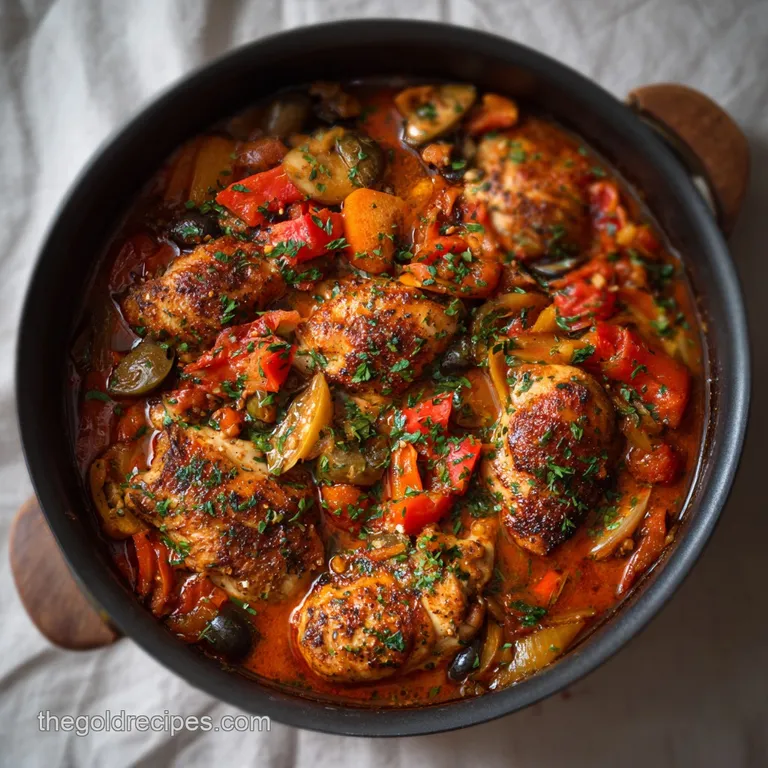
This plan based approach ensures you aren't scrambling. We focus on the prep first, then a over high heat sear, followed by a gentle, flavor building simmer.
- Prep the chicken. Pat your 3 lbs of bone in chicken thighs and drumsticks extremely dry with paper towels. Season all sides aggressively with 1 tsp sea salt and 1/2 tsp cracked black pepper. Note: Moisture is the enemy of a good sear; dry skin equals better flavor.
- Achieve the sear. Heat 2 tbsp extra virgin olive oil in your Dutch oven over medium high heat. Place chicken skin side down. Cook for 6-8 minutes until the skin is a deep mahogany and releases naturally. Flip and brown the other side for 2 minutes, then remove and set aside on a plate.
- Sauté the base vegetables. Drain all but 1 tbsp of fat. Add 8 oz sliced cremini mushrooms, 1 sliced onion, 2 sliced bell peppers, and 1 diced carrot. Sauté for 5-7 minutes until the onions are translucent and the peppers have softened.
- Aromatize and deglaze. Add 4 cloves of smashed and minced garlic. Stir for 1 minute until you can smell the garlic clearly. Pour in 1/2 cup dry red wine. Use your wooden spoon to scrape the bottom of the pan thoroughly.
- Build the sauce. Pour in the 28 oz can of crushed tomatoes and 1/2 cup chicken bone broth. Stir in 2 tbsp capers, 1/2 cup halved olives, and 1 tbsp fresh oregano.
- Nestle the chicken. Place the chicken pieces back into the pot, pushing them down so they are mostly submerged in the liquid. Note: Keeping the skin slightly above the liquid line can help prevent it from becoming overly gummy.
- The gentle simmer. Bring the liquid to a bubble, then immediately drop the heat to low. Cover the pot.
- Cook for completion. Let it simmer for 30-35 minutes until the chicken reaches 165°F and the meat is tender.
- The final touch. Taste the sauce. It might need a tiny pinch more salt depending on your olives. Garnish with 1/4 cup chopped fresh parsley.
- Rest and serve. Let the pot sit off the heat for 5 minutes before serving. This allows the sauce to thicken slightly and the chicken juices to redistribute.
Troubleshooting Guide: How to Fix Common Texture and Balance Issues
Even the most experienced cooks run into hiccups. Usually, it's a matter of heat control or ingredient moisture.
Why Is My Sauce Too Watery?
This often happens if the vegetables released more moisture than expected or if the lid was too tight, preventing any evaporation. If your sauce looks more like a soup than a thick gravy, simply remove the chicken at the end of the cooking time and turn the heat up to medium high.
Boil the sauce uncovered for 5-8 minutes to reduce the liquid. This concentrates the flavors and creates that velvety finish we're after.
Why Is the Chicken Skin Soggy?
When you braise (cook in liquid), the skin will naturally lose its "crunch." However, it shouldn't be slimy. If yours feels unappealing, it’s likely because the initial sear wasn't long enough. That 6-8 minute sear is crucial because it renders out the fat.
If you skip this, the fat stays under the skin and turns rubbery during the simmer. Next time, don't be afraid of a dark brown color before you flip!
| Problem | Root Cause | Solution |
|---|---|---|
| Bland Sauce | Lack of salt or acidity. | Add a splash of balsamic vinegar or more capers. |
| Tough Chicken | Under cooked or cooked at too high a heat. | Simmer for 10 more minutes on low; check temp with a thermometer. |
| Burned Bits on Bottom | Heat was too high during the sauté. | Deglaze more aggressively with wine or broth and scrape hard. |
Common Mistakes Checklist
- ✓ Never crowd the pan during the sear; work in two batches if necessary so the chicken browns instead of steams.
- ✓ Don't skip the carrot; it provides the essential sweetness that balances the acidic San Marzano tomatoes.
- ✓ Always use bone in meat; boneless breasts will dry out and turn stringy during a 35 minute simmer.
- ✓ Ensure the wine has mostly evaporated (reduced by half) before adding the tomatoes to avoid a "raw alcohol" taste.
- ✓ Let the chicken sit at room temperature for 15 minutes before cooking so it sears more evenly.
Variations & Substitutions: Making This Healthy Chicken Cacciatore Work for You
I know sometimes we don't have every single thing in the pantry, or we have different dietary needs. This recipe is quite forgiving as long as you keep the ratios similar.
| Original Ingredient | Substitute | Why It Works |
|---|---|---|
| Dry Red Wine (1/2 cup) | Red Wine Vinegar (2 tbsp) + Broth | Provides the necessary acid. Note: Lacks the deep fermented complexity of wine. |
| Cremini Mushrooms | White Button Mushrooms | Similar texture and earthy profile. |
| Chicken Thighs | Chicken Legs (Drumsticks) | Same fat content and moisture levels. |
| Kalamata Olives | Green Cerignola Olives | Briny and firm. Note: Changes the color and adds a buttery note. |
If you’re looking for a different vibe, you might consider an easy chicken cacciatore using boneless thighs, but you'll need to reduce the simmer time to about 20 minutes to prevent them from getting tough. If you love tangy Italian sauces but want something faster for a different night, my Easy Chicken Piccata recipe is a great 20 minute alternative that uses similar pantry staples like capers and lemon.
For those who need a chicken cacciatore instant pot version, you’ll follow the same searing and sautéing steps using the "Sauté" function. Once you add the liquids and chicken back in, seal the lid and set it to high pressure for 10 minutes, followed by a 5 minute natural release.
It’s a great way to get dinner on the table in under 40 minutes, though the sauce won't be quite as reduced.
Scaling and Myths: Modern Realities of This Traditional Dish
When you need to feed a crowd, scaling this recipe is simple. If you double the recipe to 6 lbs of chicken, do not double the oil; 3 tablespoons should be plenty for the whole batch. You will need to sear the chicken in 3 or 4 batches to ensure the pan stays hot.
For the liquids, I recommend using 1.5 times the amount of wine and broth rather than doubling it exactly, as too much liquid can make the sauce take forever to thicken. Use a larger pot, like an 8 quart Dutch oven, to ensure everything has room to breathe.
There’s a common myth that you should always peel your tomatoes or use only fresh ones for an "authentic" taste. Honestly, unless it’s the peak of August and you have a garden full of Romas, high-quality canned San Marzanos are actually better.
They are picked and canned at their peak ripeness, providing a consistent texture and sugar content that fresh supermarket tomatoes just can't match in the middle of winter.
Another myth is that you can't make a healthy chicken cacciatore because of the skin and fat. In reality, much of that fat stays in the pan or the sauce, and you can easily skim it off the top with a spoon before serving.
By focusing on the vegetables and using a high-quality bone broth, you’re creating a nutrient dense meal that’s naturally low in processed sugars.
Preservation Secrets: Storing and Reheating This Robust Tomato Feast
This is one of those rare dishes that actually tastes better the next day. As it sits in the fridge, the garlic, oregano, and wine flavors continue to meld into the chicken.
- Fridge Storage: Keep leftovers in an airtight container for up to 4 days. The sauce will thicken into a gel like consistency due to the natural collagen from the chicken bones; this is a sign of a great sauce!
- Freezer Instructions: You can freeze this for up to 3 months. I recommend removing the bones if you plan to freeze it, as they can sometimes make the meat around them a bit mushy upon thawing. Thaw overnight in the fridge before reheating.
- Reheating: The best way to reheat is on the stovetop over low heat. Add a splash of water or broth to loosen the sauce. Avoid the microwave if possible, as it can make the chicken rubbery.
- Zero Waste Tip: Don't throw away the leftover sauce if you run out of chicken! It is essentially a "Hunter's Gravy." Leftover sauce is a goldmine; I've even used it as a base for Chicken Livers with gravy to add an earthy depth to a quick lunch the next day.
What to Serve This With: Creating a Complete Italian Experience
Since this is a "saucy" dish, you want a side that can act as a sponge. Traditionally, chicken cacciatore with pasta is the way to go. I love using a wide noodle like Pappardelle or a sturdy shape like Rigatoni that can hold onto the bits of mushroom and pepper.
If you want to keep it more rustic and budget friendly, serving it over creamy polenta is a game changer. The cornmeal's sweetness pairs beautifully with the savory, acidic tomato sauce. For a lower carb option, a big pile of roasted spaghetti squash or even just a simple side of sautéed spinach works perfectly.
No matter what you choose, don't forget the bread. A thick slice of toasted sourdough or a crusty baguette is essential for "fare la scarpetta" the Italian tradition of "making the little shoe" to scoop up every last drop of sauce from your plate. It’s the ultimate sign of a meal well enjoyed.
In our family, the person who gets the last piece of bread to clean the pot is the real winner of the night.
Recipe FAQs
How to ensure the chicken skin stays flavorful?
Pat the chicken pieces extremely dry with paper towels before seasoning. This step is critical because moisture prevents proper searing, which is what creates the deep mahogany color and concentrated flavor profile.
Is it true I must brown the chicken before adding the sauce?
Yes, this is essential for depth of flavor. Searing the skin side for 6 8 minutes releases the chicken fat, which serves as the flavor base for sautéing your vegetables later.
How to properly deglaze the pan for maximum flavor?
Pour in the red wine immediately after sautéing the garlic and scrape the bottom with a wooden spoon. This process lifts the caramelized brown bits, known as fond, which adds a complex, savory richness to the tomato base.
How to tell when the chicken is fully cooked?
Use an instant read meat thermometer to verify an internal temperature of 165°F (74°C). If you enjoyed mastering this precise sensory cue for doneness, you can apply the same principle to our Honey Garlic Chicken for perfectly succulent results every time.
Can I use white button mushrooms instead of cremini?
Yes, white button mushrooms are an excellent substitute. They offer a nearly identical texture and earthy profile, making them a seamless replacement in the vegetable sauté phase.
How to fix a sauce that is too thin?
Remove the lid during the final minutes of simmering to allow excess liquid to evaporate. Keeping the pot uncovered during the last 5 10 minutes of the 30-35 minute cook time will concentrate the tomato and bone broth base into a thicker consistency.
How to substitute the red wine if I do not have any?
Mix 2 tablespoons of red wine vinegar with extra bone broth to replace the 1/2 cup of wine. While this provides the necessary acidity to balance the dish, keep in mind that it will lack the deep, fermented complexity that real wine brings to the sauce.
Rustic Chicken Cacciatore
Ingredients:
Instructions:
Nutrition Facts:
| Calories | 528 kcal |
|---|---|
| Protein | 39 g |
| Fat | 32 g |
| Carbs | 16 g |
| Fiber | 4.2 g |
| Sugar | 8.1 g |
| Sodium | 695 mg |
