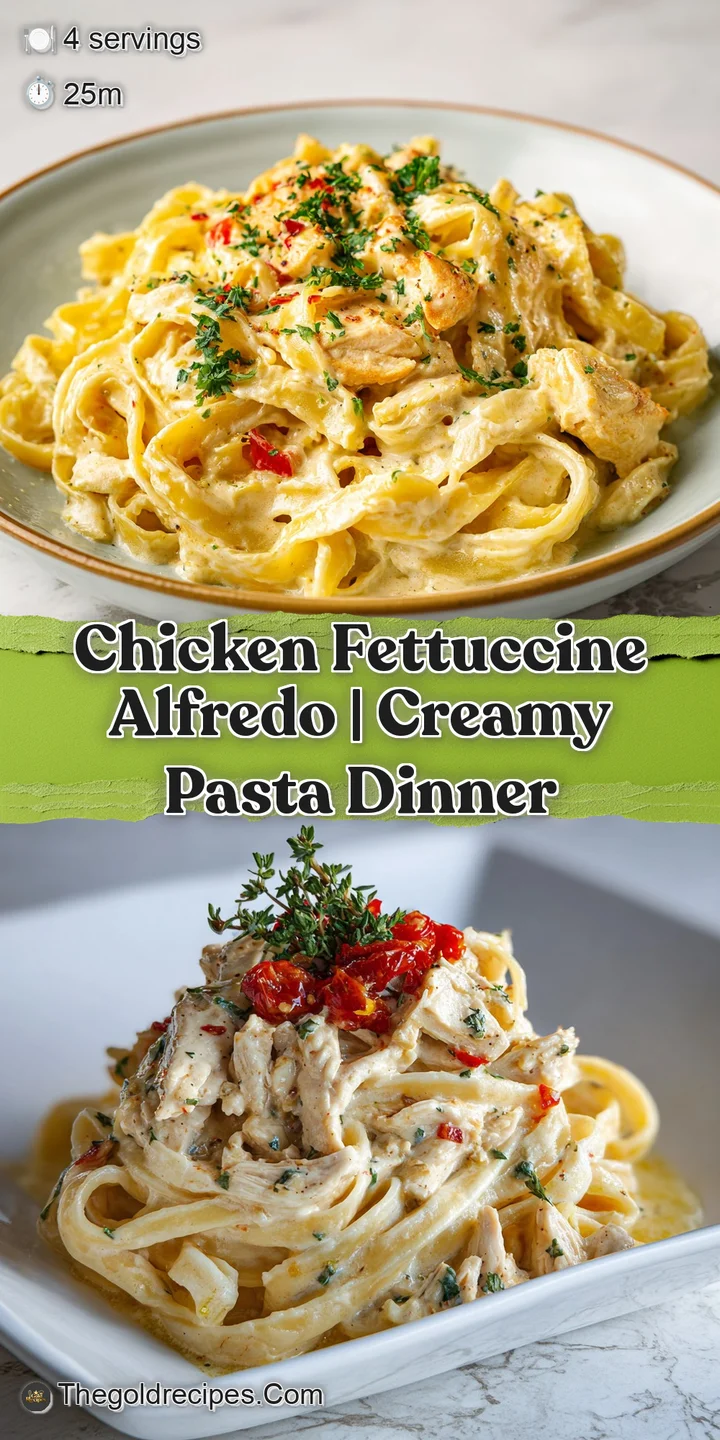
Chicken Fettuccine Alfredo in Under 25 Minutes
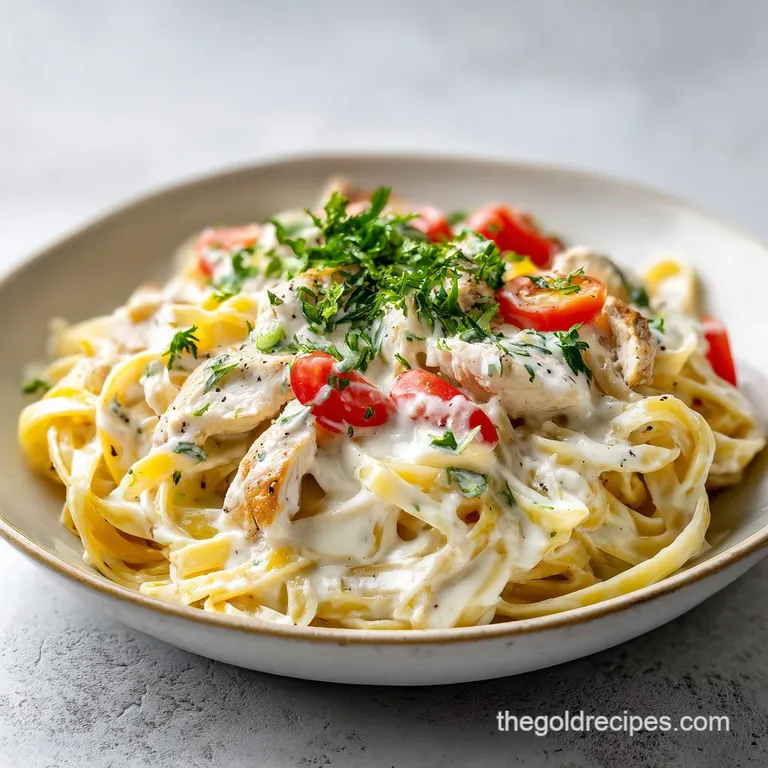
- Time: Active 10 mins, Passive 15 mins, Total 25 mins
- Flavor/Texture Hook: Silky, garlic kissed cream sauce
- Perfect for: Busy weeknight family dinners
- Timeline for Efficient Meal Planning
- Selection of Budget Friendly Ingredients
- Tools for Achieving Silky Texture
- Guided Steps for Velvety Results
- Avoiding Common Pasta Sauce Pitfalls
- Flavorful Adaptations for Busy Families
- Managing Creamy Leftovers Safely
- Hearty Pairings for Family Dinner
- High in Sodium
- Recipe FAQs
- 📝 Recipe Card
I still remember the first time I tried to make this for my kids. I thought I was being fancy, tossing a bag of pre shredded mozzarella and some cold milk into a pot of dry noodles.
It was a disaster, a literal ball of rubbery cheese at the bottom of the pan while the kids looked at me like I’d served them a science experiment gone wrong. We ended up eating cereal that night, but I was determined to figure out how the pros get that velvety finish without spending a fortune.
Since then, I’ve learned that the most luxurious meals often come from the simplest pantry staples. You don't need a culinary degree to nail this Chicken Fettuccine Alfredo, you just need to understand how two or three basic components interact.
When that garlic hits the butter and the sizzle starts, you know you’re minutes away from a meal that feels like a hug in a bowl. We’re going to use real Parmigiano Reggiano and a little bit of pasta water to get that restaurant quality shine without the restaurant price tag.
Trust me, once you see how easy it is to build a sauce from scratch, you’ll never look at a jar of the pre made stuff the same way again. It's about the harmony between the golden, seasoned chicken and the silky ribbons of pasta.
Right then, let’s get the water boiling and talk about why this method actually works.
Timeline for Efficient Meal Planning
The Physics of the Emulsion: Starchy pasta water acts as a bridge, binding the fats from the butter and cheese into a smooth liquid instead of letting them separate. This prevents that oily puddle at the bottom of your bowl.
| Method | Time | Texture | Best For |
|---|---|---|---|
| Stovetop | 25 mins | Silky and fresh | Immediate family dinner |
| Oven Finish | 35 mins | Toasted and bubbly | Making ahead for a crowd |
| Slow Cooker | 4 hours | Soft and integrated | Hands off meal prep |
Step 1: Preparation Phase
Start by slicing your 1 lb of chicken breasts into thin cutlets. This ensures they cook quickly and evenly without drying out. While you’re doing that, get a large pot of water on the stove and add plenty of salt. You want that water to taste like the sea.
Grate your 3 cloves of garlic and your 1 cup of Parmigiano Reggiano now so you aren't rushing later.
Step 2: The Sizzle
While the pasta is boiling, we’ll get the chicken going. You’ll want to hear a distinct sizzle the moment the meat hits the pan. This creates that golden crust that adds a hearty depth to the dish. If you’re looking for a different protein twist later in the week, my Tender Fried Chicken recipe uses a similar over high heat approach for a great crunch.
Step 3: The Final Emulsion
The last five minutes are where the magic happens. You’ll toss the hot noodles directly into the pan with the butter, garlic, and cream. Adding the cheese in small handfuls while tossing vigorously ensures everything melts into a velvety coating rather than a clumpy mess.
Don't forget to save that half cup of pasta water before you drain the noodles!
Selection of Budget Friendly Ingredients
| Ingredient | Science Role | Pro Secret |
|---|---|---|
| Starchy Water | Emulsifier | Never toss it; it binds the sauce together. |
| Parmigiano Reggiano | Protein & Salt | Grate it fresh for a melt in-your mouth feel. |
| Unsalted Butter | Fat & Silkiness | Controls the salt level while adding richness. |
Protein and Seasoning
- 1 lb Chicken Breasts: Sliced thin for fast cooking. Substitute: Chicken thighs for more moisture. Why this? Chicken breasts provide a lean, hearty protein base that absorbs the garlic flavor.
- 1 tsp Kosher Salt: Enhances all other flavors. Substitute: Sea salt (use slightly less).
- 1/2 tsp Cracked Black Pepper: Adds a subtle bite. Substitute: White pepper for a smoother look.
- 1 tsp Dried Italian Seasoning: A quick way to add herb depth. Substitute: Fresh oregano and basil.
The Pasta and Base
- 12 oz Dried Fettuccine: The wide ribbons catch the sauce perfectly. Substitute: Linguine or tagliatelle. Why this? The surface area of fettuccine is designed to hold onto thick, creamy sauces.
- 1 tbsp Extra Virgin Olive Oil: Used for searing the chicken at high heat. Substitute: Avocado oil.
- 2 tbsp Unsalted Butter: The foundation of the Alfredo flavor. Substitute: Salted butter (reduce added salt).
The Creamy Components
- 3 cloves Garlic: Finely grated to melt into the sauce. Substitute: 1 tsp garlic powder in a pinch.
- 1/2 cup Light Cream: Adds richness without being too heavy. Substitute: Whole milk with a teaspoon of flour.
- 1 cup Parmigiano Reggiano: The star of the show. Substitute: Pecorino Romano for a sharper tang. Why this? Authentic Parmigiano melts smoothly and provides the essential umami punch.
- 1/2 cup Reserved Pasta Water: The secret "glue" for the sauce.
- 1 tbsp Fresh Parsley: For a pop of color and freshness. Substitute: Dried parsley (use 1/2 tsp).
Tools for Achieving Silky Texture
To get that restaurant style Chicken Fettuccine Alfredo, you don't need fancy gadgets, but a few specific items make it much easier. A large heavy bottomed skillet is your best friend here. It holds heat consistently, which is vital when you’re searing the chicken and then building the sauce in the same pan.
If you use a thin, cheap pan, the garlic might burn before the chicken is even halfway done.
A microplane or a fine box grater is also a must have. When you grate your 1 cup of Parmigiano Reggiano finely, it has more surface area, which means it melts instantly into the light cream. Big chunks of cheese will just sink to the bottom and stay there. I also recommend a pair of silicone tipped tongs.
They allow you to toss the fettuccine aggressively in the pan without breaking the delicate noodles.
Finally,, make sure you have a small heat proof measuring cup sitting right next to your pasta pot. I can't tell you how many times I've accidentally dumped all the liquid gold (the pasta water) down the drain because I forgot to scoop some out first.
Having the cup there is a visual reminder to save that starchy liquid before it’s gone forever.
Guided Steps for Velvety Results
- Prep the chicken. Pat the 1 lb of chicken breasts dry with a paper towel. Season both sides evenly with the 1 tsp salt, 1/2 tsp pepper, and 1 tsp Italian seasoning. Note: Drying the meat ensures a golden sear rather than steaming.
- Boil the pasta. Bring a large pot of salted water to a boil. Add the 12 oz of fettuccine and cook for about 8-10 minutes until it reaches an al dente texture.
- Sear the meat. Heat the 1 tbsp olive oil in your skillet over medium high heat. Add the chicken cutlets and cook for 3-4 minutes per side until golden and cooked through. Remove and let them rest on a plate.
- Save the water. Just before the pasta is done, dip your measuring cup into the pot and collect 1/2 cup of the starchy water. Drain the rest of the pasta but do not rinse the noodles.
- Sauté the garlic. Lower the skillet heat to medium. Melt the 2 tbsp butter and add the 3 cloves of grated garlic. Cook for about 1 minute until the aroma fills the kitchen but the garlic hasn't browned.
- Warm the cream. Pour in the 1/2 cup of light cream. Let it simmer gently for 2 minutes to thicken slightly.
- Combine the elements. Toss the cooked fettuccine into the skillet. Pour in half of your reserved pasta water and stir vigorously with your tongs.
- Melt the cheese. Turn off the heat. Add the 1 cup of Parmigiano Reggiano in three batches, tossing between each. Note: Residual heat melts the cheese without making it grainy.
- Adjust the sauce. If the pasta looks dry, add the remaining pasta water a tablespoon at a time until the sauce is glossy and velvety.
- Final assembly. Slice the rested chicken into strips. Place them over the pasta, sprinkle with the 1 tbsp fresh parsley, and serve immediately while steaming hot.
Avoiding Common Pasta Sauce Pitfalls
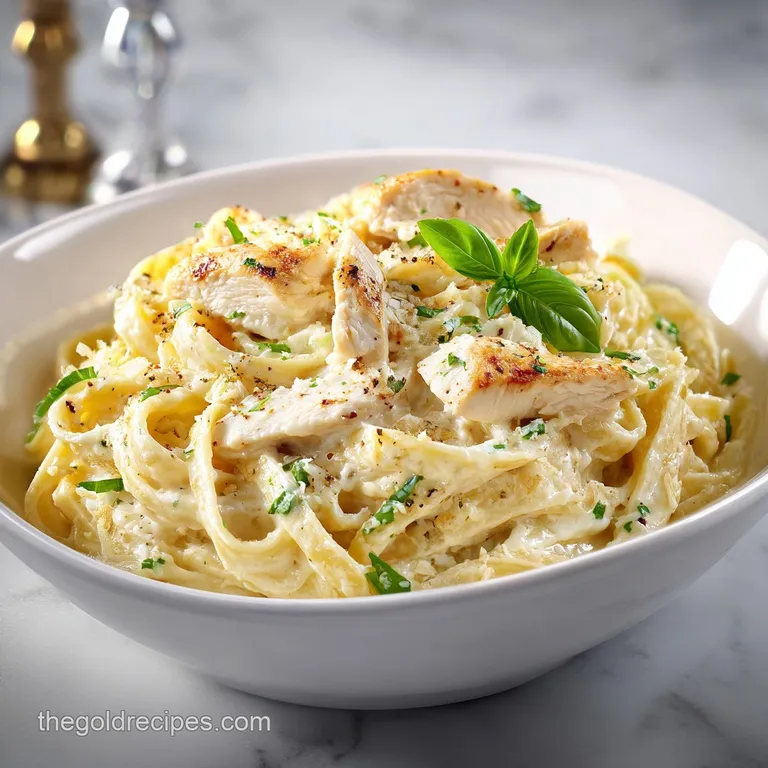
Why Your Sauce Is Grainy
This usually happens if the heat is too high when you add the cheese. The proteins in the Parmigiano Reggiano tighten up and clump together instead of emulsifying into the cream. Always pull the pan off the burner before you start whisking in that cheese.
The residual heat from the noodles and the cream is more than enough to melt it into a smooth ribbon.
Why Your Chicken Is Dry
Chicken breasts are notorious for drying out, especially when sliced thin. The key is to sear them quickly at a higher heat to lock in the moisture and then get them out of the pan. Let the chicken rest for at least five minutes before slicing. This allows the juices to redistribute so they don't all run out on your cutting board. For another savory poultry option that stays incredibly moist, you might like my Chicken Livers With recipe.
| Problem | Root Cause | Solution |
|---|---|---|
| Oily sauce | Sauce has broken/separated | Whisk in a tablespoon of hot pasta water. |
| Bland flavor | Not enough salt in pasta water | Add a pinch of salt to the finished sauce. |
| Sticky noodles | Rinsing the pasta | Never rinse; the starch helps the sauce stick. |
Common Mistakes Checklist
- ✓ Grate your cheese fresh from a block (pre shredded has anti clumping starches).
- ✓ Never skip the pasta water; it is the most important "ingredient" for texture.
- ✓ Use a cold pan to start the garlic if you’re worried about burning it.
- ✓ Temper your cream by letting it sit out for 10 minutes before adding to the pan.
- ✓ Don't overcrowd the pan when searing the chicken; work in batches if needed.
Flavorful Adaptations for Busy Families
If you’re looking to change things up, this Chicken Fettuccine Alfredo is a fantastic canvas. For a "Chicken Fettuccine Alfredo with Broccoli" version, simply toss in some steamed broccoli florets during the final toss. The earthy crunch of the greens cuts through the richness of the cream beautifully.
It’s a great way to sneak some veggies onto the kids' plates without a struggle.
For a budget friendly swap, you can use domestic Parmesan instead of the imported Reggiano. While it won't have that same sharp bite, it still melts well and keeps the cost down for a big family meal. If you want to make it even heartier, consider adding some sautéed mushrooms along with the garlic.
The mushrooms soak up the butter and cream, adding a meaty texture that makes the dish feel even more substantial.
Scaling the Recipe
When feeding a larger crowd (doubling the recipe to 8 servings), keep an eye on your liquid ratios. You’ll want to increase the spices by only 1.5x to avoid overpowering the sauce.
For the cream and butter, a straight double works fine, but reduce the total added liquids by about 10% because a larger volume of pasta retains more moisture on its own. If you’re cutting the recipe in half, use a smaller skillet to prevent the cream from evaporating too quickly.
| Original Ingredient | Substitute | Why It Works |
|---|---|---|
| Light Cream (1/2 cup) | Evaporated Milk (1/2 cup) | Shelf stable and creamy. Note: Slightly sweeter than fresh cream. |
| Fettuccine (12 oz) | Penne (12 oz) | Similar weight. Note: Changes the mouthfeel but holds sauce in the tubes. |
| Butter (2 tbsp) | Margarine (2 tbsp) | Same fat ratio. Note: Lacks the rich, nutty flavor of real butter. |
Managing Creamy Leftovers Safely
Leftover Chicken Fettuccine Alfredo can be tricky because the pasta continues to soak up the sauce as it sits. In the fridge, it will last for about 3 to 4 days if kept in an airtight container. When you look at it the next day, it might look like a solid block of noodles don't panic!
This is just the fats solidifying.
To reheat, the microwave is usually too aggressive and will make the sauce oily. Instead, put the leftovers in a small saucepan over low heat. Add a splash of milk or even just a teaspoon of water. Stir gently as it warms up; this "re emulsifies" the sauce and brings back that velvety shine.
If you must use the microwave, use 50% power and stir every 30 seconds with a teaspoon of liquid added.
Zero Waste Kitchen Tips
Don't throw away those parsley stems! Finely chop them and add them to the pan when you’re sautéing the garlic. They have a ton of flavor and a nice crunch. Also, if you have leftover Parmigiano rinds, save them in a bag in your freezer.
You can drop a rind into your next pot of soup or beans to add a massive amount of savory depth. It’s a classic Italian trick that costs absolutely nothing.
Hearty Pairings for Family Dinner
A dish as rich as this one needs a bit of balance. I almost always serve this with a crisp, acidic side to cut through the heavy cream. A simple green salad with a sharp lemon vinaigrette is perfect. It cleanses the palate between bites of the buttery pasta, making the whole meal feel lighter than it actually is.
For a Classic Italian Balance
Garlic bread is the obvious choice, but try making it with a bit of crusty sourdough. The slight sour note of the bread is a brilliant contrast to the sweet cream in the Alfredo. If you’re feeling adventurous, a side of roasted asparagus with a squeeze of lemon juice adds a sophisticated touch that makes a Tuesday night dinner feel like a special occasion.
For the Ultimate Comfort Meal
Sometimes you just want to go all in on the comfort. Pairing this with a side of warm, buttery peas or a simple Broccoli Casserole recipe (if you didn't mix the broccoli in!) creates a plate full of hearty textures. Just remember to keep the portions of the sides sensible, as the pasta itself is quite filling.
The Maillard reaction is what gives your chicken that brown, flavorful crust. While many people think searing "seals in the juices," that's actually a myth. The juice stays in because you don't overcook the meat and because you let it rest.
The sear is strictly for that deep, savory flavor that balances out the mildness of the cream sauce. By following these steps and keeping the science of the emulsion in mind, you'll have a family favorite that works every single time. Enjoy the sizzle!
High in Sodium
948 mg mg of sodium per serving (41% % of daily value)
The American Heart Association recommends limiting sodium intake to about 2,300mg per day for overall cardiovascular health.
Sodium Reduction Tips for Fettuccine Alfredo:
-
Reduce Cheese-15%
Parmigiano Reggiano is a significant sodium source. Use 1/2 cup instead of 1 cup, or substitute with a lower sodium cheese like fresh mozzarella (use sparingly).
-
Limit Added Salt-15%
Reduce the amount of Kosher salt used. Start with 1/4 tsp instead of 1 tsp, taste, and add more if needed. Consider omitting it entirely, since the cheese contributes a lot of salt.
-
Use Unsalted Butter-5%
Ensure you are using truly unsalted butter, as some brands contain hidden sodium. This avoids unnecessary added sodium.
-
Rinse Pasta-5%
Rinsing the cooked pasta briefly can remove some surface starch and a small amount of sodium that leaches into the cooking water. However, be mindful it can remove the sauce.
-
Flavor Boost
Enhance the flavor with more herbs and spices! Increase the amount of Dried Italian seasoning, fresh parsley and black pepper to compensate for the reduced salt without increasing sodium.
Recipe FAQs
What is the difference between chicken alfredo and chicken fettuccine?
Functionally, there is no difference in modern interpretation. The name "Chicken Fettuccine Alfredo" specifies the exact pasta (fettuccine) used in the classic Alfredo sauce preparation, whereas "Chicken Alfredo" is a broader term that could theoretically include penne or spirals.
What makes chicken alfredo taste better?
Using high-quality, freshly grated Parmigiano Reggiano is the biggest factor. The intense umami and natural oils in real Parmesan create a richer emulsion than using pre-shredded cheese.
What are common mistakes when making Alfredo?
Adding the cheese while the heat is too high is the most common error. This causes the cheese proteins to seize and clump, resulting in a grainy, separated sauce instead of a velvety finish.
How to cook chicken to go in fettuccine alfredo?
Slice chicken breasts thin and sear quickly over medium high heat. Season well, ensure the pan is hot enough for a good sear, cook 3-4 minutes per side until just done, and then let it rest before slicing.
Can I substitute heavy cream with milk to make it lighter?
No, you must use starchy pasta water to prevent separation if you use milk. While milk reduces fat, the dish relies on the starch from the noodles to bridge the fat and water; heavy cream is more forgiving if you are new to making the emulsion.
Is it true that the pasta water is more important than the cheese?
Yes, the starchy pasta water is the critical emulsifying agent. If you enjoyed mastering the binding technique here, see how the same principle of using cooking liquid to stabilize fats works in our Ground Beef Potato recipe for skillet sauces.
How can I ensure my sauce doesn't turn oily when reheating leftovers?
Reheat gently over very low heat while whisking in a small splash of fresh liquid. Adding milk, water, or reserved pasta water helps the sauce "re-emulsify" the fats that solidified overnight, restoring silkiness.
Quick Chicken Fettuccine Alfredo
Ingredients:
Instructions:
Nutrition Facts:
| Calories | 686 kcal |
|---|---|
| Protein | 47.3 g |
| Fat | 23.1 g |
| Carbs | 66.0 g |
| Fiber | 2.6 g |
| Sugar | 2.2 g |
| Sodium | 948 mg |
