Mouthwatering One Pot Lasagna Soup
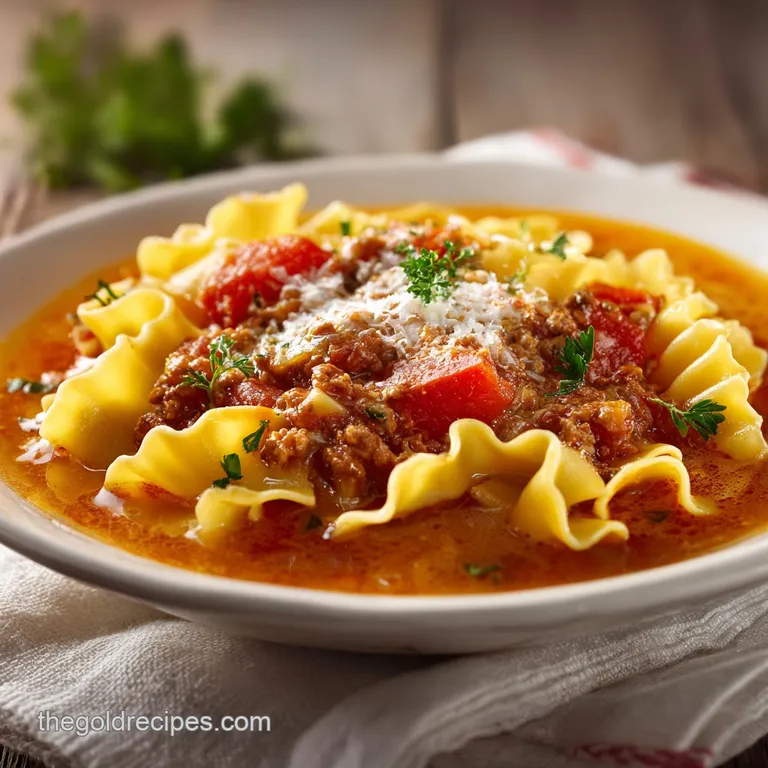
- Time: Active 15 minutes, Passive 25 minutes, Total 40 minutes
- Flavor/Texture Hook: Savory Italian sausage and a velvety, three cheese ricotta swirl
- Perfect for: Busy weeknight dinners or a cozy budget-friendly family gathering
- Make Mouthwatering One Pot Lasagna Soup
- Master Your Stovetop Techniques
- Essential Recipe Measurements
- Selecting Quality Components
- Tools for Kitchen Success
- Step by Step Cooking Flow
- Fix Common Soup Mistakes
- Easy Ingredient Swap Options
- Debunking Lasagna Myths
- Keep Your Leftovers Fresh
- Best Ways to Serve
- CRITICAL 🚨 Very High in Sodium
- Recipe FAQs
- 📝 Recipe Card
Make Mouthwatering One Pot Lasagna Soup
The kitchen is filling with the heavy, sweet aroma of browning Italian sausage and garlic, the kind of scent that makes everyone wander in to ask when dinner will be ready. There is a specific sizzle that happens when meat hits a hot Dutch oven, a crackling promise of the deep, savory flavors to come.
I remember the first time I tried making this; I was skeptical that a soup could actually satisfy that specific craving for a cheesy, saucy lasagna, but one spoonful of that mahogany colored broth changed everything.
Forget the myth that you need to spend three hours boiling noodles, spreading ricotta, and praying the layers don't slide apart like a tectonic plate shift. You don't need a massive casserole dish or a free Saturday afternoon to get those classic Italian flavors on the table.
This recipe proves that you can have all the "soul" of a slow cooked meal in about 40 minutes, using just one pot and a handful of pantry staples that won't break your grocery budget.
The real magic happens in that single pot where the starches from the pasta mingle with the fat from the sausage and the acidity of the marinara. It creates a cohesive, rich experience that a layered lasagna sometimes misses because the components stay too separate.
Here, every broken piece of noodle is hugged by a silky tomato broth, and every bite has that perfect balance of herb heavy meat and creamy cheese. We are going to build layers of flavor through browning and deglazing, ensuring that this "shortcut" meal tastes like it spent all day on the stove.
Master Your Stovetop Techniques
Building a deep flavor profile in a short amount of time requires a few smart moves that most people overlook when they are in a hurry. It isn't just about throwing things into a pot; it is about how you treat those ingredients in the first ten minutes of cooking.
We want to maximize the natural sugars and fats to create a base that feels expensive and complex.
- The Fond Foundation: Searing the sausage and beef until a dark brown crust sticks to the bottom of the pot creates concentrated flavor pockets that dissolve back into the broth later.
- Starch Emulsification: Boiling the noodles directly in the soup liquid releases pasta starch, which acts as a natural thickener to turn thin broth into a velvety sauce like consistency.
- Acidic Brightness: A splash of balsamic vinegar at the right moment cuts through the heavy fats, lifting the tomato notes and mimicking the depth of a sauce that has simmered for hours.
- Mahogany Paste Magic: Cooking the tomato paste until it turns from bright red to a dark, rusty mahogany removes the metallic raw taste and adds a toasted, savory sweetness.
| Cooking Method | Total Time | Texture Result | Best For |
|---|---|---|---|
| Traditional Layered | 2 hours 30 mins | Structured & chewy | Formal Sunday dinner |
| One Pot Soup | 40 minutes | Velvety & spoonable | Busy weeknights/Families |
| Slow Cooker | 6 hours | Very soft & integrated | Hands off meal prep |
This method of thickening the base through natural starch release works similarly to how we build body in other comfort meals. If you are looking for another way to feed a crowd with minimal effort, you might enjoy the rich textures in this Creamy Taco Soup which uses a similar technique to achieve a satisfying, full bodied mouthfeel.
Essential Recipe Measurements
When I talk about hearty family favorites, I always focus on things that are easy to measure but deliver a big impact. We aren't being fussy here, but following these weights and times ensures that your noodles don't turn into mush and your broth doesn't end up greasy.
It is the difference between a "good" soup and a "how did you make this?" soup.
| Component | Role | Pro Secret |
|---|---|---|
| Italian Sausage | Fat & Spice | Use bulk sausage to get more surface area for browning and flavor. |
| Balsamic Vinegar | Flavor Balancer | It adds a hidden complexity that mimics a long simmered marinara. |
| Lasagna Noodles | Texture & Body | Breaking them by hand creates irregular edges that hold onto the cheese. |
| Ricotta Mixture | Creamy Finish | Whisking it with parmesan prevents it from disappearing into the broth. |
Using the right ratios is key for keeping the soup from becoming a pasta pile up. If you find yourself needing to feed more people, remember that doubling the liquid requires a larger pot to allow the noodles room to move, otherwise they will stick together and cook unevenly.
Selecting Quality Components
To get that mouthwatering one pot lasagna soup result, you want to pick ingredients that do heavy lifting for you. Since we aren't simmering this for six hours, we rely on the pre developed flavors in the sausage and the marinara sauce.
- 450g Italian sausage: You can go with mild or hot depending on your family's spice tolerance, but make sure it is high-quality with plenty of visible herbs.
- 225g lean ground beef: The 90/10 ratio keeps the soup from becoming too oily while adding that classic beefy depth. Why this? It balances the pork fat for a well rounded meat profile.
- 1 large yellow onion: Finely diced so it melts into the background of the sauce.
- 4 cloves garlic: Freshly minced is non negotiable here for that punchy aroma.
- 30ml tomato paste: This is your secret weapon for color and concentrated tomato flavor.
- 5ml dried oregano: The quintessential herb for that "pizza parlor" or "Italian grandma" smell.
- 2.5ml crushed red pepper flakes: Just enough to add a tiny tingle of heat without being spicy.
- 710ml high-quality marinara sauce: Since this is the bulk of your liquid, don't skimp on the brand; look for one with low added sugar. Why this? It provides a pre seasoned, thick base for the broth.
- 1.4 liters low sodium chicken broth: Chicken broth is actually better than beef broth here as it lets the tomato and sausage flavors shine without being too heavy.
- 15ml balsamic vinegar: The "secret" ingredient that adds a touch of sweetness and acidity.
- 120ml heavy cream: This transforms the soup from a tomato broth into a silky, luxurious experience.
- 11 dry lasagna noodles: Break these into 2.5cm to 5cm pieces. Why this? Irregular pieces feel more "homemade" and are easier to eat with a spoon.
- 240ml whole milk ricotta cheese: This creates the "cheesy crown" that mimics the layers of a baked dish.
- 120ml freshly grated parmesan cheese: Adds a salty, nutty bite to the cheese topping.
- 240ml shredded mozzarella cheese: Provides the essential "cheese pull" everyone loves.
- 60ml fresh basil: Added at the very end to keep the flavor bright and the color vibrant.
| Original Ingredient | Substitute | Why It Works |
|---|---|---|
| Italian Sausage | Ground Turkey + Fennel | Lower fat content. Note: Add extra salt and spices to compensate. |
| Heavy Cream | Whole Milk | Lighter finish. Note: Broth will be slightly thinner and less velvety. |
| Lasagna Noodles | Mafalda Pasta | Similar ruffled edges. Note: No breaking required; cook time remains the same. |
If you are looking for other ways to use up that box of noodles or want a different take on a comfort classic, check out my Chicken Pot Pie Soup which also uses a one pot method to create a creamy, filling meal for six people.
Tools for Kitchen Success
You don't need a pantry full of gadgets, but a heavy bottomed pot is the hero of this story. Because we are browning meat at a high heat and then simmering pasta, heat distribution is everything.
- Dutch Oven (approx. 5-6 liters): A cast iron Dutch oven like a Lodge or Le Creuset is perfect. It holds heat beautifully and prevents the bottom of the soup from scorching while the noodles cook.
- Wooden Spoon: Essential for scraping that flavorful "fond" off the bottom after deglazing.
- Small Mixing Bowl: For whisking together your three cheese topping.
- Chef's Knife: For getting that onion and garlic finely minced so they disappear into the sauce.
Chef's Tip: If you don't have a Dutch oven, use the heaviest large stockpot you own. Avoid thin stainless steel pots if possible, as the starch from the noodles can settle and burn on the bottom of a thin pan.
step-by-step Cooking Flow
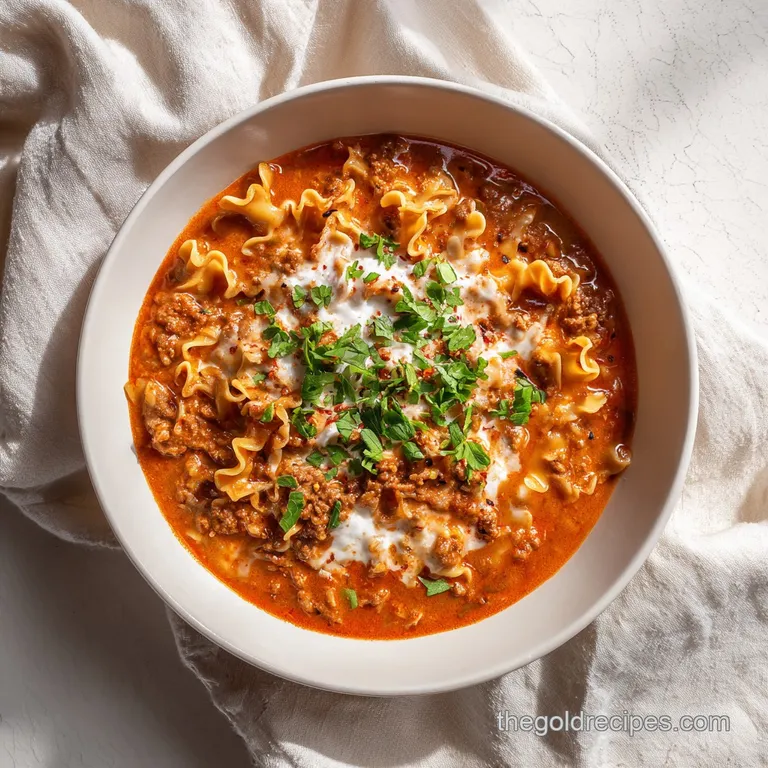
Now, let's get that pot on the stove. We are going to work in phases to ensure every ingredient gets its moment to shine. The first few minutes are the most important for building that savory foundation.
- Brown the meats. Place your large Dutch oven over medium high heat. Add the 450g Italian sausage and 225g ground beef. Use your wooden spoon to break them into small crumbles. Let them sit undisturbed for a minute or two at a time to develop a dark, crispy crust on the bottom.
- Sauté the aromatics. Once the meat is browned, add the diced onion. Cook for 4-5 minutes. You want the onion to turn translucent and pick up some of those golden meat juices.
- Toast the flavor base. Stir in the 4 cloves of minced garlic, 30ml tomato paste, 5ml oregano, and 2.5ml red pepper flakes. Cook for about 2 minutes. Watch for the tomato paste to turn a dark mahogany color this is where the deep flavor lives.
- Deglaze the pot. Pour in the 15ml balsamic vinegar. Use your spoon to aggressively scrape all the brown bits (the fond) off the bottom of the pot. Those bits are flavor gold.
- Add the liquids. Pour in the 710ml marinara sauce and 1.4 liters chicken broth. Stir well to combine the toasted paste and meat into the liquid.
- Simmer the noodles. Bring the soup to a gentle simmer. Add the 11 broken lasagna noodles. Cook for 10-12 minutes. Note: Stir every few minutes to make sure the noodles don't stick to each other or the bottom of the pot.
- Check for doneness. Test a piece of pasta; it should be tender but still have a slight "bite" (al dente). The broth should now look significantly thicker thanks to the pasta starch.
- The creamy finish. Stir in the 120ml heavy cream and remove the pot from the heat immediately. This prevents the cream from curdling and keeps the texture silky.
- Prep the cheese crown. While the noodles simmer, mix the 240ml ricotta, 120ml parmesan, 240ml mozzarella, and 60ml fresh basil in a small bowl.
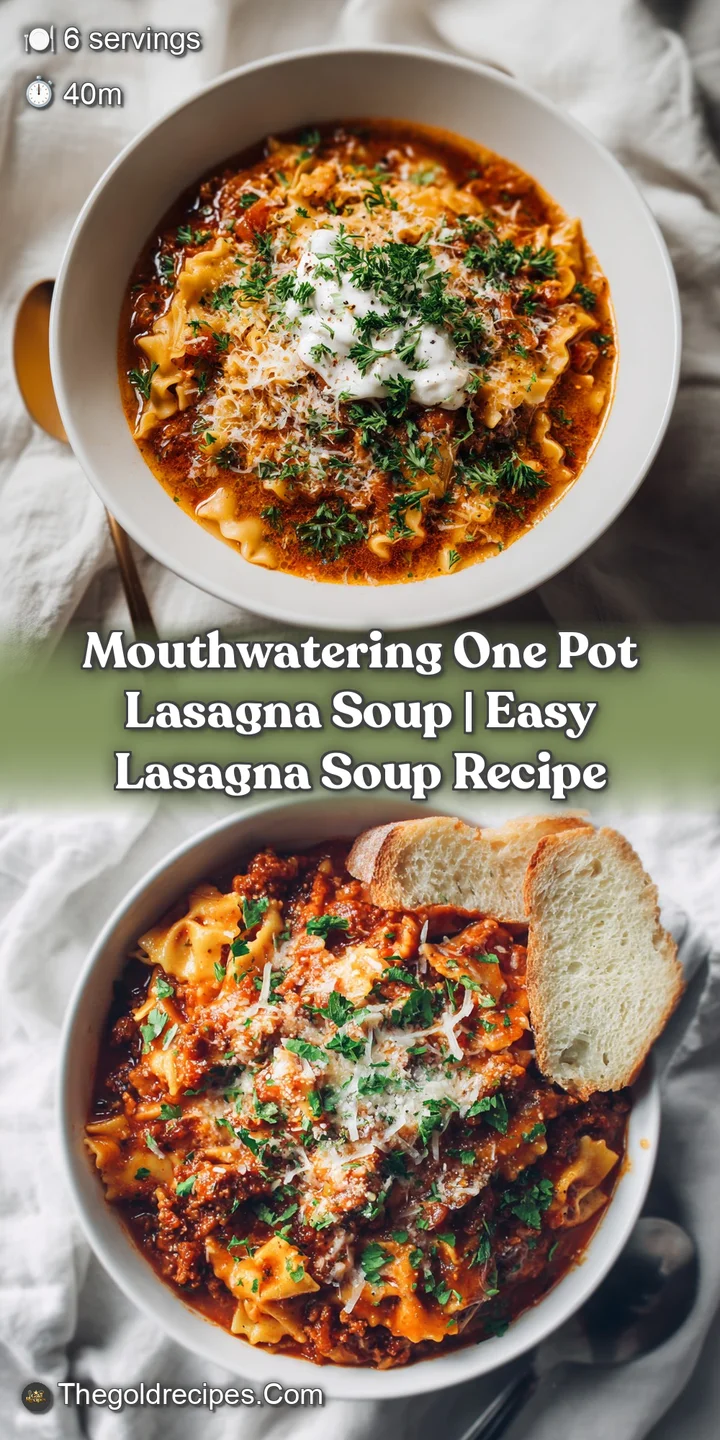
- Assemble and serve. Ladle the hot soup into bowls and place a massive dollop of the cheese mixture right in the center. The heat from the soup will melt the mozzarella into long, stretchy strands.
Fix Common Soup Mistakes
Even the best cooks run into a few hiccups now and then. This soup is forgiving, but a few small errors can take it from "spectacular" to "just okay." The biggest culprits are usually related to heat management or noodle timing.
Why Your Noodles Are Mushy
If the pasta feels bloated and falling apart, it likely spent too much time in the hot broth. Pasta continues to cook even after you turn off the heat because the liquid stays hot for a long time. This is especially true if you are using a heavy Dutch oven.
To avoid this, always aim for the shorter end of the cooking time and serve immediately.
Why Your Soup Is Too Thick
As the soup sits, those lasagna noodles will continue to drink up the liquid. What looked like a perfect soup at 6:00 PM might look like a pasta casserole by 8:00 PM. This isn't a disaster; it just means the starches are doing their job a little too well.
| Problem | Root Cause | Solution |
|---|---|---|
| Greasy Broth | High fat sausage | Skim the excess fat off the top with a spoon before adding broth. |
| Noodles Sticking | Not enough stirring | Stir the pot every 2-3 minutes during the simmering phase. |
| Bland Flavor | Lack of salt/acid | Add an extra splash of balsamic or a pinch of salt at the end. |
Common Mistakes Checklist
- ✓ Don't skip the browning: That crust on the meat provides 50% of your flavor; don't just "gray" the meat.
- ✓ Watch the garlic: If the garlic burns when you add it with the tomato paste, the whole soup will taste bitter. Keep it moving!
- ✓ Break noodles small: Large sheets of lasagna noodle are hard to eat with a spoon; keep pieces between 2cm and 5cm.
- ✓ Don't boil the cream: Adding cream to a rolling boil can cause it to separate. Always take it off the heat first.
- ✓ Fresh basil is a must: Dried basil doesn't have the same floral punch that cuts through the heavy cheese.
Easy Ingredient Swap Options
One of the reasons I love this recipe for my family is how adaptable it is. If you have a picky eater or a dietary restriction, you can pivot without losing that "lasagna" soul. The core of the dish is the tomato and cheese combo, and you can build around that.
For a Lighter Lean Meat Version
If you want to cut back on the heavy fats, swap the pork sausage for ground turkey or chicken sausage. Because turkey is leaner, I recommend adding an extra tablespoon of olive oil to the pot when browning to ensure the meat doesn't get dry.
You will also want to add a bit more oregano and maybe a pinch of fennel seed to mimic that classic Italian sausage flavor profile.
For a Vegetarian Twist
You can absolutely make this vegetarian by swapping the meat for a mix of finely chopped mushrooms and zucchini. Sauté the mushrooms until all their moisture has evaporated and they are deeply browned this provides the "umami" that you would usually get from the beef.
Use vegetable broth instead of chicken broth, and you’ll have a hearty, garden focused version that still feels incredibly indulgent.
| Serving Size | Meat Adjustments | Liquid Adjustments | Pot Size |
|---|---|---|---|
| 3 People | 225g Sausage, 115g Beef | 350ml Sauce, 700ml Broth | 3 Liters |
| 6 People | 450g Sausage, 225g Beef | 710ml Sauce, 1.4L Broth | 5-6 Liters |
| 12 People | 900g Sausage, 450g Beef | 1.4L Sauce, 2.8L Broth | 10+ Liters |
When scaling up for a big group (like a neighborhood potluck), I suggest cooking the noodles separately and adding them to individual bowls. This prevents the noodles from soaking up all the broth if the soup needs to sit out on a warmer for an hour or two.
It keeps the texture "shatter crisp" at the edges rather than becoming a soggy mess.
Debunking Lasagna Myths
There are a few "rules" of Italian cooking that people think are set in stone, but when it comes to a comforting bowl of soup, we can afford to be a little rebellious.
- Myth: You must boil lasagna noodles before using them. In this recipe, that is actually the worst thing you could do. Cooking them in the soup allows the pasta to absorb the actual flavor of the broth rather than just plain water. It also provides the starch needed to thicken the soup naturally.
- Myth: Ricotta will curdle if it's not baked. Ricotta is a heat stable cheese. While it doesn't "melt" like mozzarella, it becomes incredibly creamy and soft when dolloped into hot liquid. It creates these beautiful white clouds in the red broth that look and taste professional.
- Myth: Soup is just "watered down" sauce. A proper lasagna soup should have the body of a light gravy. Between the tomato paste, the marinara, and the pasta starch, this is a thick, substantial meal that sticks to your ribs.
Keep Your Leftovers Fresh
Because this recipe is so hearty, you might find yourself with leftovers. Handling them correctly is the difference between a great lunch tomorrow and a container of orange colored mush.
- Storage: Store the soup in an airtight container in the fridge for up to 3 days. Note that the noodles will continue to soften and absorb liquid as they sit.
- Reheating: When you go to reheat, you will likely need to add a splash of broth or water to loosen it up. Heat it gently on the stove over medium low heat. Don't microwave it on high, or the cheese topping can become rubbery.
- Freezing: You can freeze the soup base (meat, broth, sauce) for up to 3 months. However, I do not recommend freezing the soup with the noodles already in it. They will become completely disintegrated upon thawing. If you plan to freeze, make the soup up to the point of adding noodles, then stop. Freeze that, and when you are ready to eat, boil the noodles fresh in the thawed broth.
- Zero Waste Tip: If you have leftover ricotta mixture, it makes a fantastic spread for toast the next morning, or you can stir it into some scrambled eggs for a fancy breakfast. If you have extra fresh basil that is starting to wilt, whiz it up with some olive oil and freeze it in an ice cube tray for future soup bases.
Best Ways to Serve
To really bring everyone to the table, the presentation matters just as much as the flavor. This isn't just a bowl of soup; it's an experience. I like to serve this in wide, shallow bowls so there is plenty of surface area for that cheese dollop to spread out.
- The Bread Factor: You need something to mop up the bottom of the bowl. A crusty loaf of Italian bread or some thick garlic bread is the perfect companion. The crunch of the bread against the velvety soup is a match made in heaven.
- Fresh Toppings: Don't be afraid to go heavy on the fresh basil at the end. The heat of the soup releases the oils in the basil, creating a fragrance that is absolutely intoxicating. A final grating of fresh parmesan over the top adds a salty "pop" that finishes the dish perfectly.
- Wine Pairing: If you are having a "grown up" dinner night, a glass of Chianti or a medium bodied Sangiovese works beautifully. The acidity in the wine mirrors the balsamic in the soup, and the tannins cut through the richness of the sausage and ricotta.
This mouthwatering one pot lasagna soup is more than just a quick dinner; it’s a way to get that Sunday night feeling on a Tuesday afternoon. It’s budget friendly, family approved, and most importantly, it lets you spend less time at the sink and more time at the table with the people you love.
So, grab your Dutch oven, get that meat sizzling, and enjoy the most comforting bowl of soup you’ll make all year.
CRITICAL 🚨 Very High in Sodium
1380 mg 1380 mg of sodium per serving (60% 60% of daily value)
The American Heart Association recommends a limit of about 2,300mg per day and an ideal limit of about 1,500mg per day for most adults.
Tips to Reduce Sodium in Your Lasagna
-
Swap Broth for Low Sodium-30%
Choose low-sodium chicken broth instead of regular. This is a major contributor to sodium in this dish.
-
Select Lower Sodium Sausage-25%
Opt for uncured or reduced sodium Italian sausage. Check labels carefully as sodium content can vary significantly.
-
Choose No-Salt Added Marinara-20%
Use a no-salt added or low-sodium marinara sauce. This will significantly cut down on hidden sodium.
-
Reduce Parmesan Cheese-15%
Use slightly less freshly grated parmesan cheese or a reduced sodium variety. Parmesan is naturally high in sodium.
-
Boost Flavor with Herbs and Spices
Enhance the flavor with fresh basil, oregano, and red pepper flakes. Consider adding other herbs like thyme or rosemary for more depth without salt.
Recipe FAQs
How to ensure the soup has a deep, savory flavor?
Brown the meat thoroughly to build a dark crust on the bottom of the Dutch oven. This fond is essential for depth, much like the searing technique used in our traditional chicken cacciatore to unlock savory base notes.
Can I use different types of pasta instead of lasagna noodles?
Stick with lasagna noodles broken into pieces for the best texture. They provide the signature chewy bite that smaller pasta shapes cannot replicate in this broth.
How to prevent the soup from tasting bitter?
Keep the garlic and tomato paste moving constantly during the two-minute sauté. If the garlic browns too quickly, it creates a bitter foundation that impacts the final flavor of the marinara and broth base.
Is it true I should boil the heavy cream with the soup?
No, this is a common misconception. Boiling the cream can cause it to separate, so always remove the pot from the heat before stirring in the cream for a smooth, velvety finish.
How to achieve the perfect noodle texture?
Simmer the broken noodles for exactly 10-12 minutes. Stir them occasionally to ensure even cooking and to prevent the pasta from sticking to the bottom of the pot.
How to serve this soup for the best presentation?
Ladle the soup into bowls and add a generous dollop of the ricotta cheese mixture on top. The heat of the soup will soften the cheese mixture without melting it entirely, creating a delicious contrast in every bite.
Can I prep the meat ahead of time?
Yes, browning the sausage and ground beef in advance saves time. Simply store the cooked meat in the refrigerator and proceed with the remaining steps when you are ready to assemble the soup.
One Pot Lasagna Soup
Ingredients:
Instructions:
Nutrition Facts:
| Calories | 718 kcal |
|---|---|
| Protein | 38.1 g |
| Fat | 39.4 g |
| Carbs | 52.8 g |
| Fiber | 3.9 g |
| Sugar | 9.2 g |
| Sodium | 1380 mg |
