Korean Beef Bowls: Pan-Seared and Caramelized
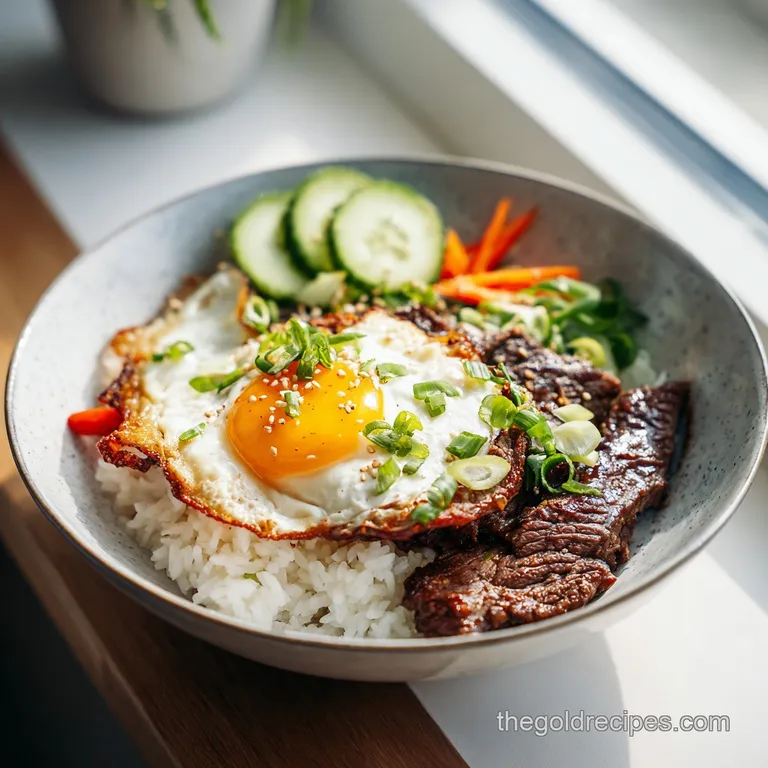
- Time: Active 5 minutes, Passive 10 minutes, Total 15 minutes
- Flavor/Texture Hook: Sticky, sweet savory glaze with a crispy beef crust
- Perfect for: Weeknight family dinners and budget-friendly meal prep
- Why Savory Korean Beef Bowls Beat Takeout Tonight
- Secrets to a Perfect Mahogany Crust
- Quick Stats for Your Family Meal
- Budget Essentials for Maximum Umami Flavor
- Basic Tools for Stress Free Cooking
- Simple Steps to a Quick Dinner
- Easy Fixes for Common Beef Mistakes
- Smart Substitutions for Budget Cooks
- Keep Your Leftovers Fresh and Silky
- Make Budget Meals Look Truly Gourmet
- CRITICAL: Very High in Sodium
- Recipe FAQs
- 📝 Recipe Card
Why Savory Korean Beef Bowls Beat Takeout Tonight
The sizzle of ground beef hitting a hot skillet is honestly one of my favorite sounds in the kitchen, but nothing beats that first whiff of toasted sesame oil and fresh ginger hitting the pan.
It's a scent that instantly brings my family to the table, usually with my kids asking, "Is it the sticky beef tonight?" There is something almost magical about how a few pantry staples can turn a basic pound of meat into something that tastes like it came from a high end bistro.
Forget the myth that you need expensive cuts of steak or hours of marinating time to get deep, authentic flavor. I used to think I needed to thinly slice ribeye and let it sit overnight to get that classic taste, but honestly, that's just too much work for a Tuesday.
This recipe proves that ground beef is a total hero when you treat it right. By skipping the long soak and focusing on a over high heat sear, we get those crispy, caramelized edges that everyone fights over, all in about 15 minutes.
We've all had those nights where the fridge looks empty and the motivation to cook is even lower, but I've found that this dish is the perfect "emergency" meal. It’s hearty, budget friendly, and feels much more special than a standard burger night.
Whether you're a seasoned home cook or just trying to get a decent meal on the table before soccer practice, this approach to Korean Beef Bowls is going to become your new secret weapon. It's fast, it's consistent, and it hits every single flavor note you're craving.
Secrets to a Perfect Mahogany Crust
The over High heat Sear: Letting the beef sit undisturbed in a hot pan allows the sugars and proteins to caramelize, creating a deep brown crust that adds massive flavor.
Aromatic Blooming: Sautéing garlic and ginger in the rendered fat for exactly 60 seconds releases their volatile oils, making the entire dish smell and taste more vibrant.
Glaze Reduction: Simmering the soy sugar mixture at the end evaporates excess moisture, which thickens the sauce into a "shatter crisp" sticky coating rather than a watery soup.
| Cook Method | Time | Texture | Best For |
|---|---|---|---|
| Cast Iron Skillet | 10 minutes | Maximum crispy edges | Ultimate flavor and texture |
| Stainless Steel Pan | 12 minutes | Good caramelization | Even cooking and easy cleanup |
| Non Stick Skillet | 10 minutes | Softer, tender beef | Beginner friendly, less mess |
When you are looking for other ways to use up a pack of meat, this Ground Beef Potato Skillet uses a similar over high heat method to get those potatoes perfectly browned alongside the beef. The key is always giving the ingredients space to breathe so they sear instead of steam.
Quick Stats for Your Family Meal
| Component | Role in Dish | Pro Secret |
|---|---|---|
| 90% Lean Beef | The hearty base | Don't go leaner; you need a little fat for the sear. |
| Fresh Ginger | Sharp, bright heat | Peel with a spoon and grate it frozen for easy prep. |
| Brown Sugar | Sweetness and tackiness | It creates the sticky glaze that clings to every piece. |
| Sesame Oil | Toasty aromatic base | Always add it to the pan first to scent the beef. |
Getting the right balance of salt and sweet is what makes this dish tick. While some people reach for white sugar, the molasses in brown sugar provides a much richer color and a tackier texture that is essential for that "takeout" look.
Budget Essentials for Maximum Umami Flavor
- 1 lb lean ground beef (90% lean): Why this? It provides the best ratio of flavor to minimal shrinkage during cooking. (Substitute: Ground turkey drier but takes on sauce well)
- 3 cloves garlic, minced: Why this? Fresh garlic provides a punch that powdered versions simply cannot replicate. (Substitute: 1 tsp garlic paste)
- 1 tbsp fresh ginger, grated: Why this? This provides the signature "zing" that balances the salty soy sauce. (Substitute: 1/2 tsp ground ginger)
- 1 tbsp toasted sesame oil: Why this? This is the foundation of the flavor profile; don't skip it. (Substitute: Peanut oil with a drop of tahini)
- 1/2 cup low sodium soy sauce: Why this? It adds salt and depth without overwhelming the dish with sodium. (Substitute: Tamari for a gluten-free version)
- 1/3 cup light brown sugar, packed: Why this? The sugar caramelizes under heat to create the iconic sticky coating. (Substitute: Honey or maple syrup)
- 1/2 tsp red pepper flakes: Why this? Adds a gentle back end heat that cuts through the sweetness. (Substitute: Gochujang for more depth)
- 1/4 tsp black pepper: Why this? Adds a subtle earthy heat that complements the ginger. (Substitute: White pepper)
- 3 cups cooked jasmine rice: Why this? The floral aroma and soft texture soak up the sauce perfectly. (Substitute: Brown rice or cauliflower rice)
- 3 green onions, thinly sliced: Why this? Provides a necessary fresh, "snappy" contrast to the rich meat. (Substitute: Chives)
- 1 tsp toasted sesame seeds: Why this? Adds a tiny bit of crunch and a beautiful finished look. (Substitute: Gomasio)
| Fresh Ingredient | Shortcut Swap | Flavor Impact |
|---|---|---|
| Fresh Grated Ginger | Jarred Ginger Paste | Slightly more acidic, less "zing" |
| Minced Fresh Garlic | Pre minced Jar Garlic | Milder flavor, lacks sharp bite |
| Sliced Green Onions | Dried Chives | Loses the fresh "snap" and bright color |
Using fresh ginger is a big deal here, but I know it can be a pain to peel. My trick is to keep a knob of ginger in the freezer. When you're ready to cook these Korean Beef Bowls, just grate it skin on directly into the pan.
The skin is so thin you won't even notice it, and it saves you five minutes of fiddling with a peeler.
Basic Tools for Stress Free Cooking
For this recipe, you really want a large skillet ideally 12 inches. If the pan is too small, the beef will be crowded and it will end up boiling in its own juices rather than searing. A cast iron skillet is my go to because it holds heat so well, but a good stainless steel pan works beautifully too.
You'll also need a sturdy wooden spoon or a meat masher to break up the beef, a small bowl to whisk your sauce, and a microplane for that ginger.
Since we’re aiming for a 15 minute total time, having everything chopped and ready (your "mise en place") is key. Once that beef hits the pan, things move quickly. If you're multitasking, you might want to use a rice cooker for your jasmine rice so it stays warm and fluffy while you focus on the beef.
Simple Steps to a Quick Dinner
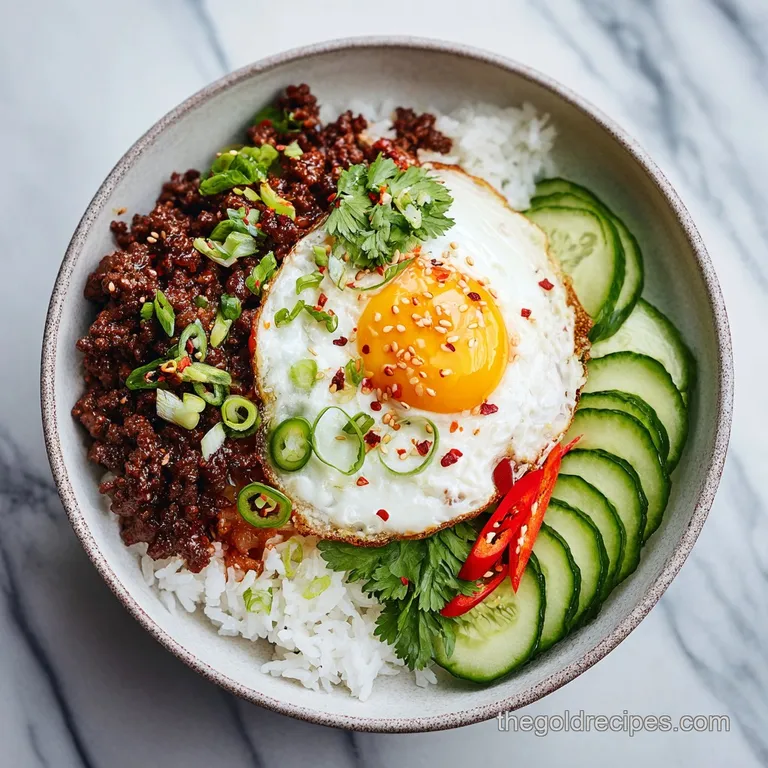
- Heat the pan. Place a large skillet over medium high heat. Add the 1 tbsp toasted sesame oil and let it shimmer for about 30 seconds. Note: Heating the oil first prevents the beef from sticking.
- Sear the beef. Add the 1 lb ground beef to the pan. Use a wooden spoon to break the meat into large, chunky pieces.
- Develop the crust. Leave the beef undisturbed for exactly 3 minutes. Wait until you see a dark mahogany crust forming on the bottom.
- Aromatics phase. Add the 3 minced cloves of garlic and 1 tbsp grated ginger to the center of the pan. Sauté for 1 minute until the kitchen smells incredibly fragrant.
- Mix the sauce. While the beef finishes browning, whisk the 1/2 cup soy sauce, 1/3 cup brown sugar, 1/2 tsp red pepper flakes, and 1/4 tsp black pepper in a small bowl.
- Deglaze and simmer. Pour the sauce mixture over the beef. Scrape the bottom of the pan to release any browned bits (that’s where the flavor is!).
- Reduce the glaze. Simmer for 2 to 3 minutes, stirring occasionally. Stop when the sauce looks thick and velvety, coating each piece of meat.
- Serve it up. Divide the 3 cups of warm jasmine rice into four bowls. Top with the beef mixture.
- Garnish and finish. Sprinkle with the sliced green onions and 1 tsp toasted sesame seeds. Serve immediately while the beef is piping hot.
Chef's Note: If you find your sauce is thickening too fast before the beef is fully coated, add a tablespoon of water or beef broth to loosen it up just enough to swirl around.
Easy Fixes for Common Beef Mistakes
Why Your Beef is Gray Instead of Brown
If your meat looks pale and gray, it’s usually because the pan wasn't hot enough or you moved the meat around too much. Ground beef releases a lot of moisture as it cooks. If the heat isn't high enough to evaporate that moisture instantly, the meat essentially boils in its own liquid.
To fix this, always let your pan get "wispy smoke" hot before adding the oil and meat, and resist the urge to stir for the first few minutes.
Why the Sauce is Too Salty
Using standard soy sauce instead of low sodium is the most common culprit here. Since we are simmering the sauce to thicken it, the salt concentration increases as the water evaporates.
If you find the finished dish too salty, a quick squeeze of fresh lime juice or a teaspoon of rice vinegar can help balance the flavors. The acidity cuts right through the saltiness.
| Problem | Root Cause | Solution |
|---|---|---|
| Greasy Sauce | Used high fat beef (80/20) | Drain the excess fat after browning, before adding sauce. |
| Burnt Garlic | Added garlic too early | Only sauté aromatics for 60 seconds before adding liquid. |
| Tough Meat | Overcooked the beef | Remove from heat as soon as the sauce reaches a sticky consistency. |
If you happen to have leftovers from a Meatball Soup, you know that liquid balance is everything. In this stir fry, we want the opposite of a soup we want a tight, concentrated glaze that sticks to the beef like a magnet.
Common Mistakes Checklist:
- ✓ Pat the beef dry with a paper towel if it looks wet before hitting the pan.
- ✓ Do not use a lid; we want the moisture to escape so the sauce thickens.
- ✓ Use a 12 inch pan to avoid overcrowding and "steaming" the meat.
- ✓ Grate the ginger finely so you don't end up with woody chunks in your bowl.
- ✓ Ensure the rice is hot and ready before the beef finishes, as the beef is best served immediately.
Smart Substitutions for Budget Cooks
If you are cooking for a larger crowd, you can easily double this recipe. However, I recommend working in two separate batches or using two skillets. If you pile two pounds of beef into one pan, you'll lose that crispy texture we worked so hard for.
For spices, I usually only increase the red pepper flakes by half when doubling, as the heat can build up quickly.
- To scale down: Half the recipe is easy for a solo dinner. Use a smaller 8 inch skillet to keep the sauce from evaporating too quickly.
- To scale up: Use 1.5x the sauce ingredients for every 2x the meat if you like it less "syrupy" and more "saucy."
- For kids: Omit the red pepper flakes entirely and add a splash of pineapple juice to the sauce for a "Teriyaki" vibe they will love.
If you are looking for more "if you want X, do Y" shortcuts: If you want a crunchier texture, add half a cup of diced water chestnuts or celery during the aromatic phase.
If you want it healthier, swap the jasmine rice for a bed of sautéed cabbage or "slaw" mix to make a "crack slaw" style bowl. If you want it extra spicy, drizzle a little Sriracha or add a teaspoon of Gochujang (Korean chili paste) into the sauce mixture.
Keep Your Leftovers Fresh and Silky
These Korean Beef Bowls actually make incredible leftovers. In fact, some people say the flavors meld even better the next day. You can keep the cooked beef in an airtight container in the fridge for up to 3 days.
When you’re ready to eat, I recommend reheating it in a skillet over medium heat with a tiny splash of water to loosen the glaze. Microwaving works too, but it can make the beef a little rubbery if you aren't careful.
Zero Waste Tip: Don't throw away those green onion roots! You can place them in a small jar of water on your windowsill, and they will literally grow back in a week. Also, if you have extra ginger, peel it and freeze it in a bag it stays fresh for months and is much easier to grate when frozen.
Make Budget Meals Look Truly Gourmet
Presentation is the difference between "just dinner" and a "dining experience." Even though this is a budget friendly ground beef meal, you can make it look like it cost $20 at a trendy Asian fusion spot. Start with a clean white bowl to make the colors of the beef and green onions pop.
I like to pile the rice on one side and the beef on the other, rather than just dumping it on top. This keeps the rice from getting soggy too quickly. Top it off with a generous sprinkle of sesame seeds and the bright green onions cut on a sharp diagonal.
If you really want to go all out, a soft boiled egg with a jammy yolk nestled on top adds a creamy richness that is out of this world. Trust me, your family will think you spent hours on this, but we'll keep the 15 minute secret between us.
The beauty of this dish is its simplicity. It’s hearty, it brings everyone to the table, and it won't break the bank. It's become a staple in my house for a reason it works every single time. So, next time you're staring at a pound of ground beef, skip the tacos and give these bowls a try.
You won't regret it!
CRITICAL: Very High in Sodium
1485 mg 1485 mg of sodium per serving (65% 65% of daily value)
To protect your heart, aim for a sodium limit of less than 2,300mg per day, with an ideal limit of less than 1,500mg for most adults.
Tips to Reduce Sodium
-
Slash Soy Sauce-30%
Replace the 1/2 cup of low-sodium soy sauce with 1/4 cup of low-sodium soy sauce and 1/4 cup of coconut aminos. This will significantly cut down the sodium.
-
Rethink Salt & Seasoning-15%
Omit the black pepper and red pepper flakes. Instead, boost flavor with freshly ground black pepper, a pinch of cayenne for heat, and extra garlic and ginger.
-
Embrace Fresh Herbs
While not a sodium source, adding fresh herbs like cilantro or parsley can add vibrancy and complexity to your dish, making you less reliant on salt.
-
Dilute Flavor-5%
Consider adding a tablespoon or two of water or unsalted broth to the sauce mixture. This can help to dilute the concentrated flavors without sacrificing too much taste.
Recipe FAQs
What goes in a Korean beef bowl?
This dish relies on lean ground beef, soy sauce, and brown sugar. Other essential ingredients include toasted sesame oil, fresh ginger, garlic, red pepper flakes, black pepper, jasmine rice, green onions, and toasted sesame seeds.
Is Korean beef bowl healthy?
Yes, it can be a balanced choice. Using 90% lean ground beef and controlling the sodium with low-sodium soy sauce makes this a protein rich meal that fits well into a busy weeknight schedule.
What is the difference between bulgogi and a beef bowl?
Bulgogi typically uses thinly sliced steak, whereas a beef bowl uses ground meat. If you enjoyed the simple browning technique used to develop flavor here, you can apply that same foundational browning logic to other ground meat preparations for deeper results.
What is a famous beef dish in Korea?
Bulgogi is perhaps the most globally recognized beef dish. It is traditionally marinated and grilled, offering a similar sweet and savory flavor profile to this quick cooking ground beef version.
How to get the beef perfectly crispy?
Leave the meat undisturbed in the skillet for 3 minutes. This allows the Maillard reaction to occur, creating a mahogany crust that provides essential texture before you add the liquid ingredients.
How to store leftovers?
Place the cooked beef in an airtight container in the refrigerator for up to 3 days. Reheat it gently on the stovetop or in the microwave before serving over fresh rice.
Is it true you need to marinate the beef for hours?
No, this is a common misconception. You do not need to marinate this recipe; the intense flavor comes from a quick sear followed by a 2-3 minute simmer in the soy sauce and sugar glaze.
Korean Beef Bowls
Ingredients:
Instructions:
Nutrition Facts:
| Calories | 468 kcal |
|---|---|
| Protein | 28.5 g |
| Fat | 14.8 g |
| Carbs | 54.2 g |
| Fiber | 1.4 g |
| Sugar | 17.1 g |
| Sodium | 1485 mg |
