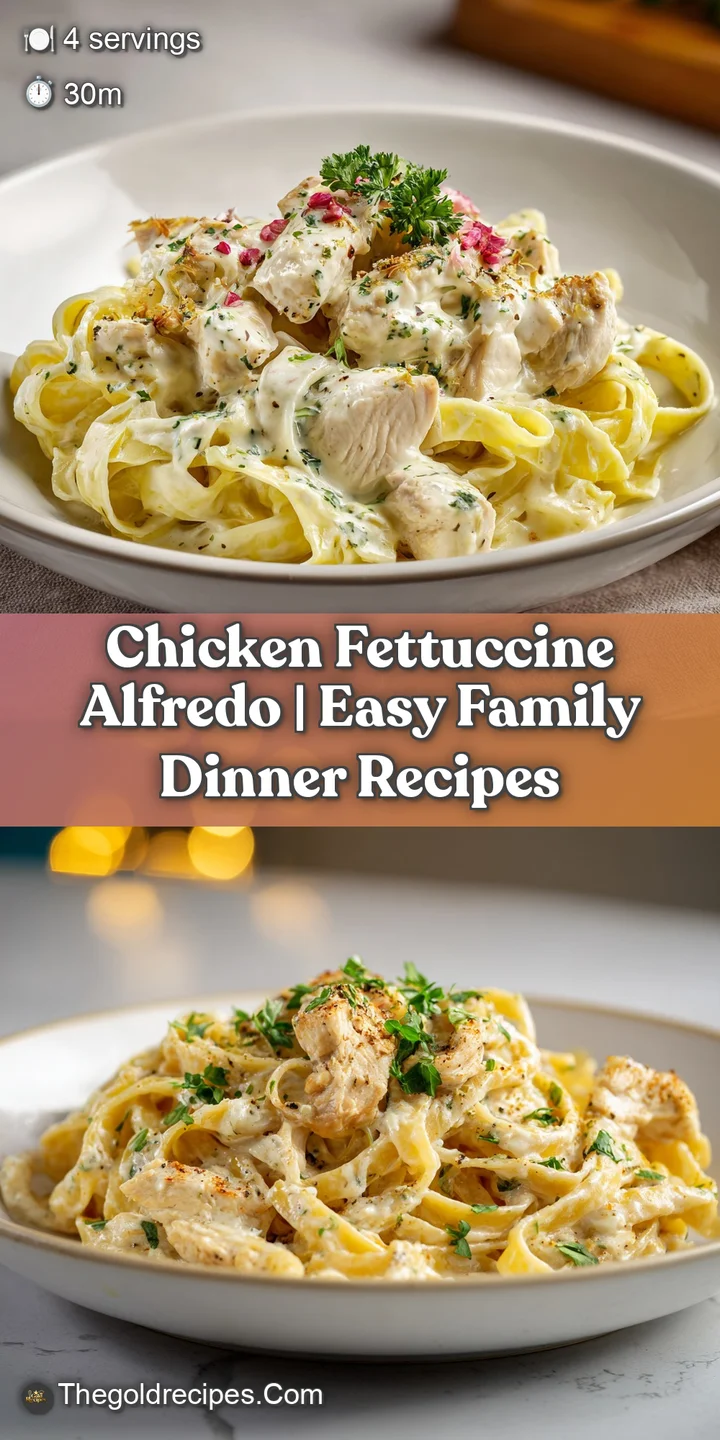
Chicken Fettuccine Alfredo: Creamy and Classic
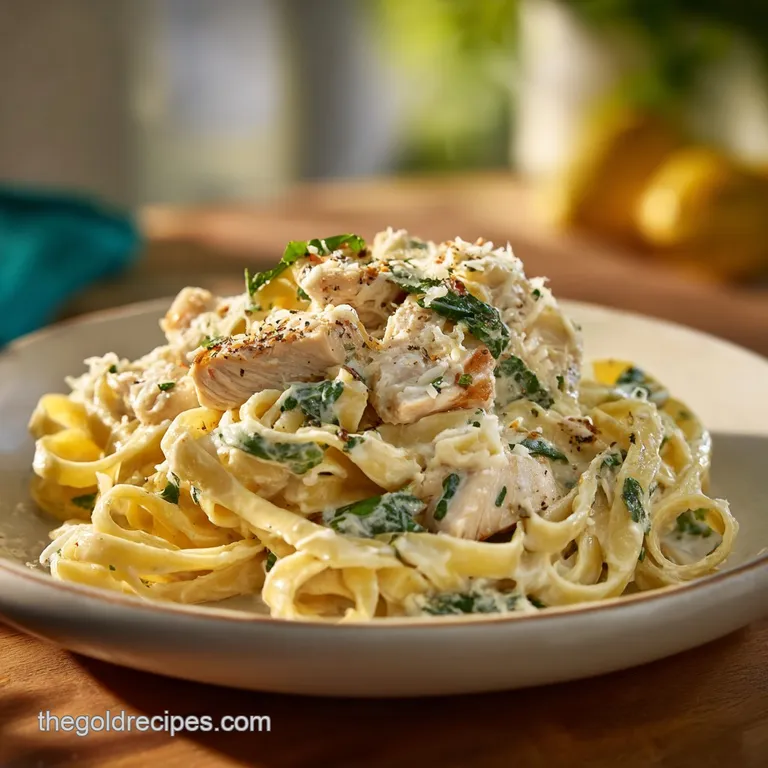
- Time: Active 10 minutes, Passive 20 minutes, Total 30 minutes
- Flavor/Texture Hook: Silky, garlic infused cream sauce with golden seared chicken
- Perfect for: Hearty family Sunday dinners or a quick weeknight comfort meal
- Making the Best Chicken Fettuccine Alfredo Every Time
- The Secret to Smooth Alfredo
- Component Analysis for Perfect Texture
- Budget Friendly Components for Success
- Simple Tools Needed for Pasta
- Step by Step Guide to Success
- Avoiding Common Mistakes in the Kitchen
- Ways to Change Your Pasta Dish
- Saving Your Leftovers for Later
- Dispelling Myths About Italian Cooking
- Very High in Sodium (🚨)
- Recipe FAQs
- 📝 Recipe Card
Making the Best Chicken Fettuccine Alfredo Every Time
There is a specific sound that happens in a busy kitchen on a Sunday afternoon that I just love. It is that rhythmic sizzle of chicken medallions hitting a hot pan, followed by the fragrant, heavy aroma of garlic hitting melting butter.
For my family, this dish isn't just a meal, it's the one thing everyone actually agrees on. We gather around the table, the steam rising from the big serving bowl, and for a few minutes, the only sound is the clinking of forks against ceramic. It is the ultimate "bring everyone together" kind of dinner.
I remember the first time I tried to make this for a big family gathering years ago. I thought I could just throw everything in a pot and hope for the best. I ended up with a clumpy, oily mess where the cheese refused to melt and the chicken was as dry as a bone.
It was a budget killer because I had used the expensive cheese and it felt wasted. But after making it dozens of times for hungry kids and picky relatives, I learned the small tricks that make a massive difference.
You don't need to be a professional to get that velvety texture you find at the fancy Italian spots. You just need to respect the heat and the timing. This version is designed to be budget friendly by using a mix of chicken broth and heavy cream, which keeps the sauce light enough to eat a full plate without feeling weighed down.
We are going to walk through exactly how to keep that sauce from separating and how to get that perfect golden crust on your chicken.
The Secret to Smooth Alfredo
Making a great Chicken Fettuccine Alfredo is about managing your temperatures and using your ingredients to help one another. Here is why this method works so well for a home cook.
- The Liquid Gold: Reserved pasta water contains starches that act like a bridge between the fats in the butter and the liquids in the cream.
- Gradual Melting: Whisking the cheese in on low heat prevents the dairy proteins from tightening up and becoming rubbery or grainy.
- The Fond Factor: Searing the chicken first leaves tiny browned bits in the pan that dissolve into the sauce, giving it a deeper, meatier flavor than plain cream.
- Temperature Control: Bringing the cream and broth to a simmer before adding cheese ensures the cheese melts instantly rather than sitting in cold liquid.
Right then, before we get into the nitty gritty of the ingredients, let's look at the best way to tackle this based on your schedule. Whether you want the fastest meal possible or you have a bit more time to let things develop, there is a way to make it work.
| Method | Time | Texture | Best For |
|---|---|---|---|
| Stovetop (Classic) | 30 minutes | Velvety and silky | The best overall texture and flavor |
| Shortcut Prep | 20 minutes | Creamy but lighter | Busy weeknights using pre cooked chicken |
| One Pot Tweak | 35 minutes | Thicker, starchier | Minimal cleanup but requires careful stirring |
When you are aiming for that classic feel, the stovetop method is always my go to choice. It gives you total control over the heat, which is the most important part of keeping the sauce smooth.
Component Analysis for Perfect Texture
Understanding what each item brings to the table helps you avoid mistakes before they happen. We aren't just tossing things in a pan; we are building layers of flavor.
| Ingredient | Science Role | Pro Secret |
|---|---|---|
| Parmigiano Reggiano | Primary Thickener | Grate it yourself from a block for a smoother melt than bagged shreds |
| Heavy Cream | Fat Base | Use full fat for stability; low-fat versions often curdle at high heat |
| Pasta Water | Emulsifying Agent | It's the "glue" that keeps the sauce from sliding off the noodles |
You want to make sure your cheese is at room temperature if possible. Cold cheese hitting hot liquid can sometimes cause a temperature shock that leads to clumping. Trust me on this one, taking it out of the fridge 10 minutes early makes a world of difference.
Budget Friendly Components for Success
We want this to be a hearty meal that doesn't break the bank. You can find most of these at any local grocery store, and I've listed some simple swaps if you're missing something.
- 1.5 lbs chicken breast, sliced into medallions: These cook fast and stay juicy. Why this? Small pieces increase surface area for a better golden sear.
- 1 lb dried fettuccine pasta: The classic wide noodle. Why this? The width provides a perfect "shelf" for the heavy cream sauce.
- 1.5 cups freshly grated Parmigiano Reggiano cheese: The heart of the flavor. Why this? Aged cheese has less moisture and melts into a more stable sauce.
- 3/4 cup heavy cream: Provides the luxurious mouthfeel. Why this? It has the fat content needed to stay creamy when heated.
- 1/2 cup low sodium chicken broth: Adds depth without too much salt. Why this? Lightens the sauce so it isn't overly heavy or cloying.
- 2 tbsp unsalted butter: For sautéing the garlic. Why this? Adds a rich, nutty background note to the aromatics.
- 1 tbsp extra virgin olive oil: High smoke point for the chicken. Why this? Prevents the butter from burning during the initial sear.
- 3 cloves fresh garlic, minced: The main aromatic. Why this? Fresh garlic provides a punch that powdered versions simply can't match.
- 1 tsp sea salt: To season the meat and water.
- 1/2 tsp black pepper: For a bit of bite.
- 1/4 cup fresh parsley, chopped: For a bright finish.
| Original Ingredient | Substitute | Why It Works |
|---|---|---|
| Heavy Cream (3/4 cup) | Half and Half | Lighter result. Note: Sauce will be thinner and needs more cheese to thicken |
| Parmigiano Reggiano | Pecorino Romano | Salty and sharp. Note: Reduce the added sea salt if using this swap |
| Chicken Breast | Boneless Thighs | More fat and flavor. Note: Needs 2 extra minutes of cooking time per side |
If you find yourself making this often, you might also enjoy my easy chicken piccata recipe which uses similar techniques for a lemon butter finish. It's another great one for when you have chicken breast on hand but want a different flavor profile.
Simple Tools Needed for Pasta
You don't need a kitchen full of gadgets for this. A large 12 inch skillet is your best friend here. You want something with enough surface area so the chicken medallions aren't crowded. If they are too close together, they will steam instead of searing, and you'll miss out on that beautiful golden color.
A sturdy whisk is also essential. When you add the cheese to the liquid, you need to be able to move it constantly to help it incorporate. I prefer a silicone coated whisk if I'm using a non stick pan to avoid scratching. Also, make sure you have a microplane or a fine grater.
The finer the cheese, the faster it melts, which means less time for the sauce to accidentally boil and break.
step-by-step Guide to Success
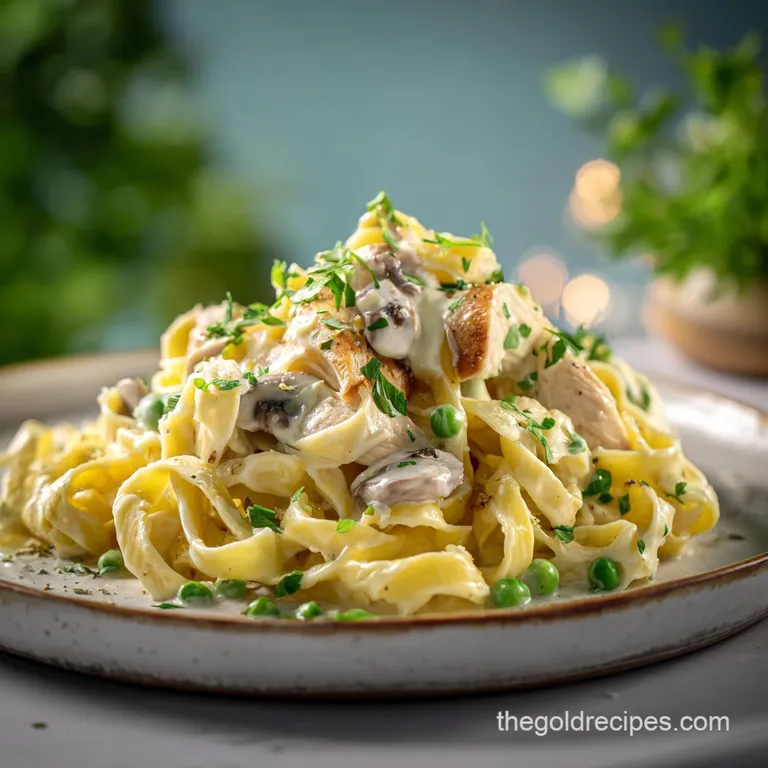
This timeline ensures everything finishes at the same time so you can serve it while it's piping hot and at its creamiest.
- Season the chicken. Rub the 1.5 lbs of sliced medallions with sea salt and black pepper. Note: This creates a dry brine that helps with browning.
- Sear the meat. Heat 1 tbsp olive oil in your 12 inch skillet over medium high heat. Cook the chicken until golden brown and cooked through (about 3 minutes per side). Remove and set aside.
- Boil the pasta. Drop the 1 lb of fettuccine into a large pot of salted boiling water. Cook until al dente (firm to the bite).
- Save the water. Scoop out 1 cup of the cloudy pasta water before you drain the noodles. Note: This is your insurance policy for a smooth sauce.
- Sauté the aromatics. Melt 2 tbsp butter in the same skillet. Add 3 cloves of minced garlic and cook until fragrant and just starting to soften (about 1 minute).
- Simmer the liquids. Pour in 1/2 cup chicken broth and 3/4 cup heavy cream. Whisk together and let it bubble until slightly reduced (about 2-3 minutes).
- Melt the cheese. Turn the heat to low. Gradually whisk in 1.5 cups of Parmigiano Reggiano and a splash of pasta water until the sauce is smooth and glossy.
- Combine everything. Toss the fettuccine and chicken back into the pan. Stir until every noodle is coated and the sauce clings to the pasta.
- Final touch. If the sauce looks too thick, add another tablespoon of pasta water. Garnish with 1/4 cup fresh parsley and serve immediately.
For another variation on a hearty Italian dinner, you might want to try my rustic chicken cacciatore which is a great one pot meal for cooler evenings. It has that same "everyone to the table" energy but with a rich tomato base.
Avoiding Common Mistakes in the Kitchen
The most common issue folks have is the sauce turning into a ball of cheese or a pool of oil. Usually, this is just a matter of heat management.
The Clumping Crisis
If your cheese clumps together into a rubbery mass, the heat was likely too high when you added it. Dairy is sensitive. When it gets too hot too fast, the proteins bind together instead of spreading out. Always drop your heat to low before the cheese goes in.
If it's already clumped, try adding a tablespoon of very hot pasta water and whisking vigorously off the heat.
The "Dry Pasta" Disaster
Fettuccine is like a sponge. If you let it sit in the sauce for too long before serving, it will soak up every drop of moisture, leaving you with a sticky, dry clump. The fix is simple: serve it the second it's combined.
If you are waiting on family members to get to the table, keep a little extra pasta water on the side to loosen it up at the last second.
| Problem | Root Cause | Solution |
|---|---|---|
| Oily sauce | Sauce boiled after cheese was added | Remove from heat and whisk in a splash of cold cream |
| Grainy texture | Using pre shredded bagged cheese | Always grate your own cheese for a smoother melt |
| Bland flavor | Not enough salt in the pasta water | Add 1 tbsp salt to the boiling water for the noodles |
Common Mistakes Checklist
- ✓ Pat the chicken medallions dry with a paper towel before seasoning to get a better sear.
- ✓ Never rinse your pasta after draining; you need that starch to help the sauce stick.
- ✓ Grate the cheese as finely as possible so it integrates quickly.
- ✓ Ensure the skillet is large enough to prevent the chicken from crowding and steaming.
- ✓ Keep the pasta water warm so it doesn't chill the sauce when added.
Ways to Change Your Pasta Dish
If you are cooking for a larger crowd or just a few people, adjusting the recipe is straightforward as long as you keep the ratios in mind.
Scaling Down (2 Servings) Cut everything in half. Use a smaller skillet so the sauce doesn't evaporate too quickly. Since you'll be using less liquid, keep a closer eye on the simmer time so it doesn't reduce too much.
Scaling Up (8 Servings) Double the ingredients, but be careful with the spices. Only use 1.5x the salt and pepper initially and taste before adding more. You will definitely need to sear the chicken in two batches to keep that golden crust.
For the sauce, use a large pot instead of a skillet to make tossing the noodles easier.
| Servings | Chicken Amount | Pasta Amount | Pan Size | Cook Time |
|---|---|---|---|---|
| 2 People | 0.75 lbs | 0.5 lbs | 10 inch skillet | 25 minutes |
| 4 People | 1.5 lbs | 1 lb | 12 inch skillet | 30 minutes |
| 6 People | 2.25 lbs | 1.5 lbs | Large Dutch oven | 35 minutes |
Saving Your Leftovers for Later
Cream based sauces are notorious for being tricky to reheat. If you just throw it in the microwave, the fat will separate and you'll have an oily mess.
Storage Guidelines Keep any leftovers in an airtight container in the fridge for up to 3 days. I don't recommend freezing this dish because the cream and cheese texture will change significantly when thawed, often becoming grainy or separated.
Zero Waste Tip If you have leftover chicken but no pasta, slice it up for a hearty salad or a wrap the next day. If you have extra sauce but no chicken, it makes a great dip for warm bread or a topping for roasted broccoli.
Don't throw away those parsley stems either; they can be tossed into a freezer bag for making your own chicken broth later.
Reheating the Right Way To get that velvety texture back, put the pasta in a skillet over low heat. Add a splash of milk or chicken broth (about 1 tablespoon per serving). Cover it for a minute to let the steam loosen the noodles, then stir gently until creamy again.
Dispelling Myths About Italian Cooking
There are a lot of "rules" out there that people worry about, but some of them just aren't true for the home cook.
Adding oil to pasta water prevents sticking. This is a total myth. All oil does is float on top of the water and then coat the pasta as you drain it. That oily coating actually prevents the sauce from sticking to the noodles.
The best way to prevent sticking is to use a large pot with plenty of water and give the noodles a good stir in the first two minutes of cooking.
Authentic Alfredo never uses cream. While the original Roman version used only butter and cheese, the "Americanized" version with cream has become a family favorite for a reason. It is more stable for home cooks and provides a much heartier meal.
Neither is "wrong," they are just different styles of the same comfort food.
You must use fresh pasta for it to be good. Actually, dried fettuccine is often better for this dish because it has a firmer structure (al dente) that can stand up to the heavy, rich sauce. Fresh pasta is very delicate and can easily become mushy when tossed with a lot of chicken and cream.
Stick with the high-quality dried stuff for the best result.
Very High in Sodium (🚨)
1150 mg 1150 mg (50% 50%)
This recipe is very high in sodium. The American Heart Association recommends limiting sodium intake to less than 2,300mg per day, with an ideal limit of 1,500mg for most adults.
Tips to Reduce Sodium
-
Reduce Added Salt-25%
Significantly cut down the 1 tsp sea salt. Start by using only 1/4 tsp. Taste and adjust if absolutely necessary, but rely more on other flavor enhancers.
-
Choose Low-Sodium Broth-30%
While you're using low-sodium broth, ensure it's the lowest sodium option available. Look for 'no salt added' or 'very low sodium' labels to maximize savings.
-
Limit Parmigiano Reggiano-15%
Parmigiano Reggiano is a major sodium contributor. Reduce the 1.5 cups freshly grated cheese by half to 3/4 cup. The flavor is still potent enough.
-
Boost Flavor with Herbs & Spices
Enhance taste without sodium by liberally using fresh parsley and black pepper. Consider adding other no-sodium seasonings like garlic powder (if not using fresh), onion powder, or a pinch of red pepper flakes.
-
Use Unsalted Butter
You are already using unsalted butter, which is great! Ensure you continue to use unsalted varieties for all your cooking.
Recipe FAQs
Is it true I must use pre-packaged shredded cheese for the smoothest sauce?
No, this is a common misconception. Pre-packaged shreds are coated in anti caking agents that prevent proper melting, so always use freshly grated Parmigiano Reggiano for the best emulsification.
How to achieve a perfectly silky sauce texture?
Whisk in the cheese gradually over low heat using a splash of reserved starchy pasta water. This technique creates a stable emulsion that clings to the pasta, similar to how we achieve a velvety finish in our Creamy Garlic Parmesan Chicken.
How to prevent the chicken from becoming rubbery?
Sear the medallions for exactly 3 minutes per side over medium high heat. Removing them from the skillet immediately after they hit that golden brown color ensures they stay tender while you finish the sauce.
Can I store the leftovers for later?
Yes, keep leftovers in an airtight container in the refrigerator for up to two days. When reheating, add a small splash of water or broth to restore the sauce’s creamy consistency, as the pasta will absorb moisture while sitting.
How to ensure the pasta doesn't clump together?
Cook the fettuccine in a large pot of salted water and toss it into the sauce immediately after draining. The residual starch on the noodles acts as a binder, helping the sauce coat every strand evenly without clumping.
Is it necessary to use low-sodium chicken broth?
Yes, it is highly recommended to control the final salt balance. Since the Parmigiano Reggiano is naturally salty, using low-sodium broth allows you to season with sea salt to your personal preference without the dish becoming overwhelming.
How to substitute for heavy cream?
No, there is no direct substitute for heavy cream that maintains the required fat content for this recipe. The fat in the cream is essential for creating the signature thick, silky texture of the Alfredo sauce.
Homemade Chicken Fettuccine Alfredo
Ingredients:
Instructions:
Nutrition Facts:
| Calories | 1098 kcal |
|---|---|
| Protein | 72g |
| Fat | 42g |
| Carbs | 87g |
| Fiber | 3g |
| Sugar | 4g |
| Sodium | 1150mg |
