Meatball Soup: Hearty and Homemade
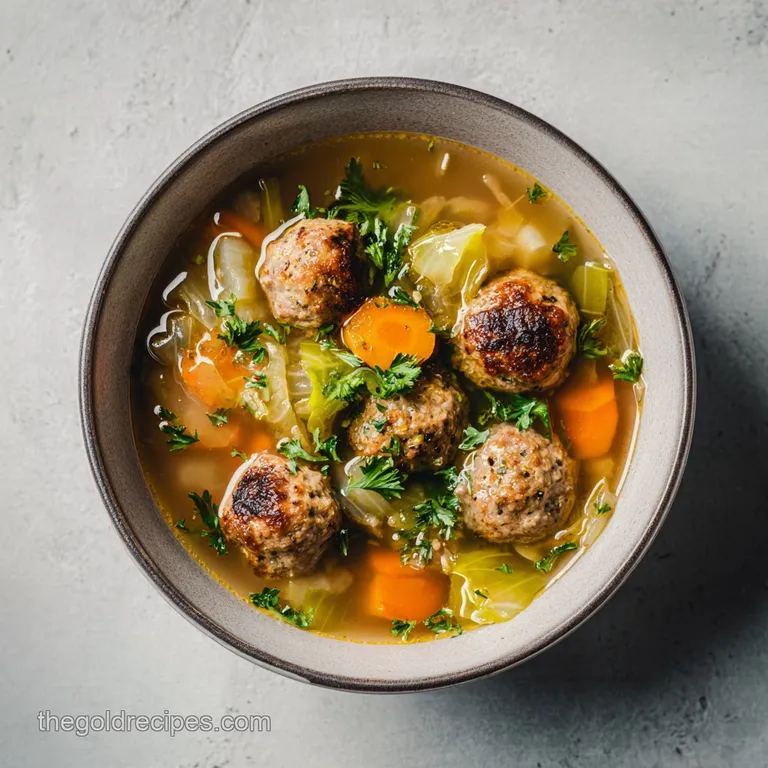
- Time: Active 15 minutes, Passive 25 minutes, Total 40 minutes
- Flavor/Texture Hook: Savory, melt in-your mouth meatballs with velvety pasta and a rich, herb infused broth.
- Perfect for: Busy weeknight dinners, budget conscious family meals, and cozy rainy day comfort.
- Common Mistakes Most Home Cooks Make
- Essential Stats for Busy Cooks
- Selecting the Heartiest Elements
- Tools Needed for This Soup
- Making the Best Meatball Soup
- Fixes for Every Soup Problem
- Tasty Variations to Try
- Storing Your Family Favorites
- Best Ways to Enjoy
- Very High in Sodium
- Recipe FAQs
- 📝 Recipe Card
Common Mistakes Most Home Cooks Make
Picture this: the wind is rattling the windowpanes, the kids are finally settling down with their homework, and you want something that feels like a warm hug in a bowl. That is when I always turn to this Meatball Soup.
It is the kind of recipe that makes the whole house smell like a professional kitchen, yet it relies on humble, budget friendly staples you probably already have in the pantry. I remember the first time I made this for a big family gathering; the silence that fell over the table as everyone took their first bite was the best compliment I could have ever received.
We have all been there, though biting into a meatball that feels more like a rubber bouncy ball than a tender morsel of food. Or worse, sitting down to a bowl of soup where the pasta has sucked up every drop of broth, leaving you with a soggy casserole instead of a hearty soup.
I have spent years tweaking this method to ensure those meatballs stay velvety and the broth remains plentiful. This is not just a recipe; it is a reliable system for putting a smile on every face at the table without breaking the bank or spending all night over the stove.
The secret to a truly great Meatball Soup lies in the small details that most quick recipes skip. We are talking about the way we hydrate our breadcrumbs and the specific order in which we build our flavors.
It is about creating a meal that tastes like it has been simmering on the back of the stove since sunrise, even though we are going from prep to plate in less than an hour. Trust me, once you see how easy it is to get that deep, savory crust on the meat and that perfectly al dente pasta, you will never go back to the canned stuff again.
Panade Power: Soaking panko in milk creates a moisture rich paste that prevents the meat from tightening up into tough, dry spheres during the simmer.
The Batched Sear: Cooking the meatballs in small groups ensures they sizzle and brown rather than steaming in their own juices, which locks in that classic savory flavor.
Fond Integration: Scraping the bottom of the pot after browning the meat releases the caramelized bits that act as a natural, budget friendly flavor booster for the stock.
Gentle Simmering: Keeping the heat at a low bubble prevents the meatballs from breaking apart and ensures the pasta cooks evenly without becoming mushy.
| Meatball Size | Cook Time | Internal Temp | Visual Cue |
|---|---|---|---|
| 2 cm (Walnut size) | 10 minutes | 74°C | Firm to touch, no pink inside |
| 3 cm (Golf ball) | 15 minutes | 74°C | Slightly bouncy, juices run clear |
| 4 cm (Large) | 20 minutes | 74°C | Very firm, dark brown exterior |
Essential Stats for Busy Cooks
When you are trying to feed a hungry family on a schedule, knowing exactly what you are getting into is half the battle. This recipe is designed to be efficient without sacrificing the soul of the dish.
We are using a blend of ground beef and ground pork because it is a budget friendly way to get the best of both worlds: the beef provides that "hearty" foundation, while the pork adds a subtle sweetness and a much needed fat content that keeps things juicy.
I always tell my friends that the most important tool in this recipe isn't a fancy gadget, but your own two hands. Rolling the meatballs to the right size ensures they cook at the same rate as the pasta. If they are too big, you will end up with raw centers; too small, and they might vanish into the broth.
Aim for that walnut sized sweet spot. It is the perfect ratio for a single spoonful of soup.
| Component | Science Role | Pro Secret |
|---|---|---|
| Panko Breadcrumbs | Moisture Trap | Soaking them in milk before mixing prevents the meat from becoming "rubbery." |
| 80/20 Ground Beef | Fat Source | The 20% fat content melts into the broth, creating a velvety mouthfeel. |
| Tomato Paste | Flavor Anchor | Frying the paste with the vegetables removes the "tinny" taste and adds deep color. |
Building a solid base for your Meatball Soup is all about the "aromatic trinity" onions, carrots, and celery. In the world of professional cooking, they call this a mirepoix, but in my house, we just call it the flavor foundation.
By dicing these vegetables finely, we ensure they soften quickly and distribute their sweetness throughout every spoonful. It is a simple step that transforms a basic stock into a complex, layered masterpiece.
Selecting the Heartiest Elements
Choosing your ingredients for this Meatball Soup is where you can really flex your budget conscious muscles. I always look for the 80/20 beef because it is often more affordable than the extra lean stuff and, honestly, it tastes better in a soup.
The fat renders out and seasons the broth, which means you don't need to buy expensive, high end stocks to get a great result.
- 250g ground beef (80/20): The anchor of the meatball. Why this? The fat content ensures the meatballs remain tender throughout the simmering process.
- Substitute: Ground turkey (adds a lighter flavor, but use a bit more oil).
- 250g ground pork: Adds moisture and a delicate flavor. Why this? Pork has a softer texture than beef, which lightens the overall "bite."
- Substitute: Extra ground beef (the meatball will be slightly denser).
- 45g panko breadcrumbs: For the panade. Why this? Panko has a larger surface area than traditional crumbs, absorbing more milk.
- Substitute: 2 slices of white bread, crusts removed and torn into tiny bits.
- 60ml whole milk: To hydrate the crumbs. Why this? The fats in the milk help lubricate the meat fibers.
- Substitute: Unsweetened almond milk or beef stock.
- 30g freshly grated parmesan cheese: For a salty, nutty kick. Why this? It acts as a natural seasoning and helps the meatballs hold their shape.
- Substitute: Pecorino Romano or extra salt and a dash of nutritional yeast.
- 1 large egg: The binder. Why this? It holds the meat and crumbs together so they don't disintegrate in the pot.
- Substitute: 1 tablespoon of tomato paste (though the meatballs will be more fragile).
- 1 tsp dried oregano & 1 tsp garlic powder: The primary seasonings. Why this? These classic pantry staples provide that "Italian kitchen" aroma instantly.
- Substitute: 2 tsp Italian seasoning blend.
- 30ml olive oil: For searing. Why this? It has a high enough smoke point for browning but adds a nice fruity note.
- Substitute: Vegetable oil or avocado oil.
- 1 large onion, 2 carrots, 2 celery stalks: The aromatics. Why this? They provide the textural contrast and the essential sweet savory base.
- Substitute: Frozen "soup starter" veggie mix if you are in a massive rush.
- 3 cloves garlic: For depth. Why this? Fresh garlic is non negotiable for that punchy, aromatic finish.
- Substitute: 1 tsp garlic paste or 0.5 tsp extra garlic powder.
- 1 tbsp tomato paste: For color and richness. Why this? It thickens the broth slightly and adds an "all day" cooked flavor.
- Substitute: 2 tbsp tomato sauce (reduce stock by the same amount).
- 1.5 liters beef stock: The liquid body. Why this? Provides the savory liquid that brings everything together.
- Substitute: Chicken stock or vegetable stock for a lighter profile.
- 400g canned diced tomatoes: For acidity and texture. Why this? The juice helps deglaze the pot, and the chunks add heartiness.
- Substitute: Crushed tomatoes for a thicker, smoother broth.
- 100g orzo or ditalini pasta: The starch. Why this? These small shapes fit perfectly on a spoon with the meatballs.
- Substitute: Rice or broken vermicelli noodles.
- 60g fresh baby spinach: For a pop of color and nutrition. Why this? It wilts instantly in the residual heat.
- Substitute: Chopped kale (add it 5 minutes earlier to soften).
- 1 tsp salt & 0.5 tsp black pepper: To balance. Why this? Essential for waking up all the other flavors.
| Feature | Fast Method (This Recipe) | Classic Method (All Day) |
|---|---|---|
| Meatball Prep | Quick panade soak (2 mins) | Long chill time (2 hours) |
| Broth Flavor | Tomato paste & aromatics | Slow simmered bone broth |
| Total Time | 40 minutes | 4 to 6 hours |
When I am looking for ways to mix things up, I sometimes think about other favorites. For a different kind of comfort, you might enjoy my creamy chicken noodle soup which uses a similar aromatic base but a much lighter finish. Both are family favorites that I rely on when the schedule gets tight.
Tools Needed for This Soup
One of the reasons I love this Meatball Soup so much is that it doesn't require a kitchen full of fancy equipment. We are keeping it simple, which means less washing up and more time to actually enjoy the meal.
You will need one large heavy bottomed pot a Dutch oven is my personal favorite because it holds heat so well and gives you plenty of room to sear the meat without overcrowding.
Beyond the pot, a good sharp knife and a sturdy cutting board are your best friends here. Since we are dicing carrots and celery, you want a knife that can handle those firm veggies with ease. A large mixing bowl for the meatball mixture and a small bowl for the panade are the only other essentials.
If you have a cookie scoop, you can use it to portion out the meatballs, but honestly, using your hands is faster and more satisfying.
Chef's Tip: If you don't have a Dutch oven, any large stockpot will work. Just be careful with the heat settings, as thinner pots can scorch the bottom more easily when you are browning the tomato paste.
Making the Best Meatball Soup

- Place the panko breadcrumbs in a small bowl and pour the milk over them. Let this sit for 2 minutes until the crumbs have absorbed the liquid and formed a soft paste. Note: This is your insurance policy against dry, tough meat.
- In a large mixing bowl, combine the ground beef, ground pork, egg, parmesan cheese, oregano, garlic powder, and the soaked panko mixture. Gently fold the ingredients together using your hands until just combined. Note: Over mixing will make the meatballs dense, so keep it light.
- Roll the mixture into small, walnut sized spheres, roughly 2 cm in diameter. You should get about 24 to 30 meatballs from this batch.
- Heat the olive oil in your Dutch oven over medium high heat. Add the meatballs in two or three batches, searing them for 3 to 4 minutes until a dark brown crust forms on at least two sides. Note: They will still be raw in the middle, which is exactly what we want.
- Remove the meatballs and set them aside on a plate. In the same pot, toss in the diced onion, carrots, and celery. Sauté for 5 to 6 minutes until the onions are clear and the carrots have softened slightly.
- Stir in the minced garlic and the tomato paste. Cook for about 1 minute until the paste turns a deep brick red and smells toasted.
- Pour in the beef stock and the diced tomatoes. Use a wooden spoon to scrape the bottom of the pot until all the brown bits are incorporated into the liquid.
- Bring the liquid to a rolling boil. Add the orzo (or ditalini) and carefully slide the seared meatballs back into the pot.
- Reduce the heat to a low simmer. Cook for 10 to 12 minutes until the pasta is tender and the meatballs are cooked through.
- Turn off the heat and stir in the baby spinach. It will take about 30 seconds until the leaves are wilted and bright green. Season with the salt and pepper, then serve immediately.
Fixes for Every Soup Problem
Even the most reliable family favorites can hit a snag now and then. One of the most common issues I hear about is the "disappearing broth" act. This happens because pasta is a thirsty little ingredient; it continues to soak up liquid even after the pot is off the stove.
If you aren't serving the soup immediately, the orzo can turn the whole thing into a thick stew.
Another hurdle is the grease factor. Because we are using 80/20 beef, you might see some oil pooling on the surface. While that fat carries a lot of flavor, too much of it can feel heavy. I usually keep a large spoon handy to skim off the excess, or I use a piece of paper towel to gently dab the surface.
It is a quick fix that keeps the soup feeling light and "hearty" rather than oily.
Preventing Mushy Pasta
The key to perfect pasta in a Meatball Soup is timing. Always wait until the broth is at a full boil before adding the noodles. If you add them too early, they sit in the warm water and get gummy. Also, remember that the pasta will continue to cook in the residual heat of the bowl.
Aim for "al dente" meaning it still has a tiny bit of bite when you turn off the burner.
| Problem | Root Cause | Solution |
|---|---|---|
| Meatballs Falling Apart | Not enough binder or over handling | Ensure the egg and panade are well mixed; don't stir the soup too vigorously. |
| Broth is Too Thin | Not enough reduction or aromatics | Simmer for 5 extra minutes without a lid, or mash a few carrots against the side. |
| Soup is Overly Salty | Stock was too concentrated | Add a splash of water or a squeeze of lemon juice to balance the flavors. |
Common Mistakes Checklist
- ✓ Never skip the panade soak; those 2 minutes are the difference between a "rubber ball" and a tender meatball.
- ✓ Sear the meatballs in batches to prevent overcrowding, which causes them to steam rather than brown.
- ✓ Don't over mix the meat; use a light touch to keep the texture airy and soft.
- ✓ Stir the pasta occasionally during the simmer to prevent it from sticking to the bottom of the pot.
- ✓ Add the spinach at the very end; it only needs the residual heat to wilt perfectly.
Tasty Variations to Try
One of the best things about a Meatball Soup is how adaptable it is to whatever you have in the fridge. If you are looking for a "healthy meatball soup" option, you can easily swap the beef and pork for ground chicken or turkey.
Just keep in mind that poultry is much leaner, so you might want to add an extra tablespoon of olive oil to the mix to keep things from drying out. You can also double the amount of spinach or add diced zucchini for an extra veggie boost.
For those who love a bit of heat, you can transform this into a spicy "albondigas soup recipe" style dish. Just add a teaspoon of smoked paprika and a pinch of red pepper flakes to the meatball mixture. You can even swap the orzo for some diced potatoes if you want a gluten-free starch option.
If you are really short on time, utilizing frozen meatballs is a total "budget friendly" lifter. Just skip the meatball making steps and toss the frozen ones into the boiling broth along with the pasta; they will heat through in about the same time the noodles cook.
If you are a fan of these types of one pot wonders, you might also like to try my Italian sausage tortellini soup. It uses a very similar method of browning meat and building a vegetable base, but with a spicy sausage kick that is just brilliant.
Storing Your Family Favorites
Scaling this recipe is incredibly straightforward. If you are hosting a larger group or want leftovers for the week, you can easily double the ingredients. Just be sure to use a very large pot (at least 6 liters) to accommodate the extra liquid.
When doubling, I suggest only increasing the salt and pepper by 1.5 times initially, then tasting at the end to see if you need more. This prevents the broth from becoming too salty as it reduces.
The Searing Myth: You might hear people say that searing meat "seals in the juices." In reality, searing is all about creating new flavor compounds through browning. The juices will still move around, but the crust you create adds that deep, savory "hearty" note that makes the soup special.
The "Soup is Better the Next Day" Myth: While the flavors of the broth and meatballs do meld and improve overnight, the pasta usually suffers. It will continue to absorb liquid and get soft.
If you plan on having leftovers, I recommend cooking the pasta separately and adding it to individual bowls instead of the main pot.
- Fridge: Store in an airtight container for up to 3 days. If the pasta has soaked up the broth, add a splash of water or extra stock when reheating.
- Freezer: This soup freezes beautifully for up to 3 months, provided you freeze it without the pasta. If you know you are making a freezer batch, stop before adding the noodles.
- Zero Waste: Don't throw away those celery leaves or onion skins! Toss them in a freezer bag and save them to make your own homemade vegetable stock later.
Best Ways to Enjoy
Serving this Meatball Soup is all about the finishing touches. I love to bring the whole pot to the middle of the table and let everyone serve themselves. A heavy sprinkle of extra parmesan cheese on top is a must in our house, as it melts into the hot broth and creates little pockets of salty goodness.
If you have some fresh parsley or basil lying around, a quick chop and a sprinkle will brighten up the whole bowl.
To make this a truly complete meal, I usually serve it with a big hunk of crusty bread. There is nothing better than using a piece of sourdough to swipe up the last drops of that tomato infused broth. If you are looking for a side dish to round out the table, my Broccoli Casserole recipe (wait, I meant a vegetable side!) is a great way to add more greens to the meal. Actually, even a simple side salad with a tangy vinaigrette works wonders to cut through the richness of the meatballs.
At the end of the day, this soup is about bringing people together. Whether it is a quick Tuesday night dinner or a slow Sunday lunch, the smell of browning meat and simmering herbs is an invitation for the family to gather round.
It is simple, it is budget friendly, and it is a reminder that some of the best meals come from the most basic ingredients. I hope this becomes as much of a staple in your home as it is in mine. Enjoy every hearty spoonful!

Very High in Sodium
945 mg of sodium per serving (41% of daily value)
The American Heart Association recommends limiting sodium intake to no more than 2,300mg per day, with an ideal limit of 1,500mg for most adults.
Tips to Reduce Sodium
-
Choose Low-Sodium Broth-30%
Replace the 1.5 liters of regular beef stock with low-sodium beef broth. This is one of the biggest contributors to sodium in this recipe.
-
Halve the Added Salt-25%
Reduce the 1 teaspoon of added salt by half, using only 0.5 teaspoon. You can always add more to individual servings if needed.
-
Opt for No-Salt Added Canned Tomatoes-20%
Switch the 400g of canned diced tomatoes to a no-salt added variety. Canned vegetables often have added sodium.
-
Reduce Parmesan Cheese-15%
Lower the amount of freshly grated parmesan cheese from 30g to 15g. Parmesan is naturally high in sodium, and even a smaller amount can add flavor.
-
Boost Flavor with Herbs and Spices
Enhance the flavor profile by increasing the use of herbs and spices like dried oregano, garlic powder, and black pepper. Consider adding fresh herbs like parsley or basil at the end of cooking.
Recipe FAQs
Which soup is good for diabetes?
Meatball soup can be a balanced choice. By featuring lean proteins and fiber rich vegetables like carrots and celery, it provides a satisfying meal that fits well within blood sugar management goals when portioned correctly.
Is meatball soup a legitimate dish?
Yes, it is a classic comfort food. Combining savory meatballs with aromatic vegetables and pasta in a rich beef based broth creates a hearty, complete meal that is popular in many home kitchens.
What is the traditional Mexican soup with meatballs?
Albondigas soup is the traditional Mexican version. While my recipe follows a hearty, savory style with panko and parmesan, the core concept of simmering small, seasoned meatballs in a flavorful tomato based broth is a shared culinary tradition across many cultures.
What is cowboy soup made of?
Cowboy soup is a rustic, heavy stew typically featuring ground beef, vegetables, and beans. My meatball soup shares the same satisfying, budget friendly spirit, utilizing beef stock, diced tomatoes, and hearty aromatics like onion, carrots, and celery to create a similar warmth.
Is it true that searing meatballs seals in the juices?
No, this is a common misconception. Searing the meatballs in olive oil at medium high heat is actually about developing a deep, savory crust and complex flavor profile rather than locking in moisture.
How to ensure the meatballs stay tender?
Soak the panko breadcrumbs in milk for 2 minutes before mixing. This creates a panade that keeps the beef and pork tender and moist even after simmering in the broth for 10 12 minutes.
How to store leftovers effectively?
Cool the soup completely before transferring to an airtight container. Store in the refrigerator for up to three days, keeping in mind that the pasta will continue to absorb some liquid as it sits.
Hearty Homemade Meatball Soup

Ingredients:
Instructions:
Nutrition Facts:
| Calories | 418 kcal |
|---|---|
| Protein | 22.5g |
| Fat | 26.2g |
| Carbs | 22.8g |
| Fiber | 3.1g |
| Sugar | 5.4g |
| Sodium | 945mg |
