Crispy Parmesan Roasted Potatoes
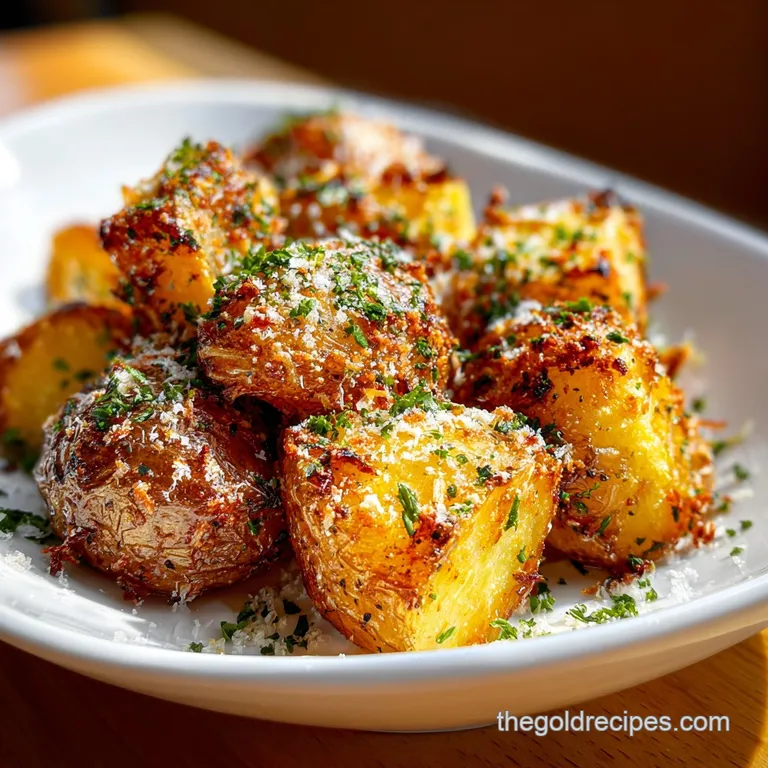
- Time: Active 15 minutes, Passive 35 minutes, Total 50 minutes
- Flavor/Texture Hook: Nutty, umami rich crust with a velvety, buttery interior
- Perfect for: Holiday side dishes or a high end weekend steak night
- The Secret to Crispy Parmesan Roasted Potatoes
- Engineering the Ultimate Potato Crunch
- Essential Elements for Potato Magic
- Tools for Perfect Golden Sides
- Steps to Creating the Perfect Crust
- Fixes for Less Than Crispy Results
- Creative Flavor and Texture Swaps
- Potato Myths Debunked
- Preserving the Potato Shatter Texture
- What to Serve with These Potatoes
- Recipe FAQs
- 📝 Recipe Card
The Secret to Crispy Parmesan Roasted Potatoes
The first time I tried making these, I followed a random recipe that told me to "just toss everything together." Total disaster. I ended up with a soggy, greasy mess where the cheese stuck to the pan and the potatoes stayed pale and sad. It was heartbreaking, honestly.
But then I saw a chef friend scoring his potatoes with a cross hatch pattern before roasting, and something clicked. That little trick completely changed how the fat and cheese interact with the potato surface.
When you pull these out of the oven, the aroma of browned butter and toasted garlic hits you before the tray even touches the counter. There is this specific "sizzle" that continues for a few seconds as the cheese lattice cools and hardens into a golden brown sheet. It is purely addictive.
I’ve reached a point where I don’t even bother making main dishes anymore because everyone just stands around the kitchen island picking the crispy bits off the pan before dinner even starts. Trust me, you'll want to make a double batch.
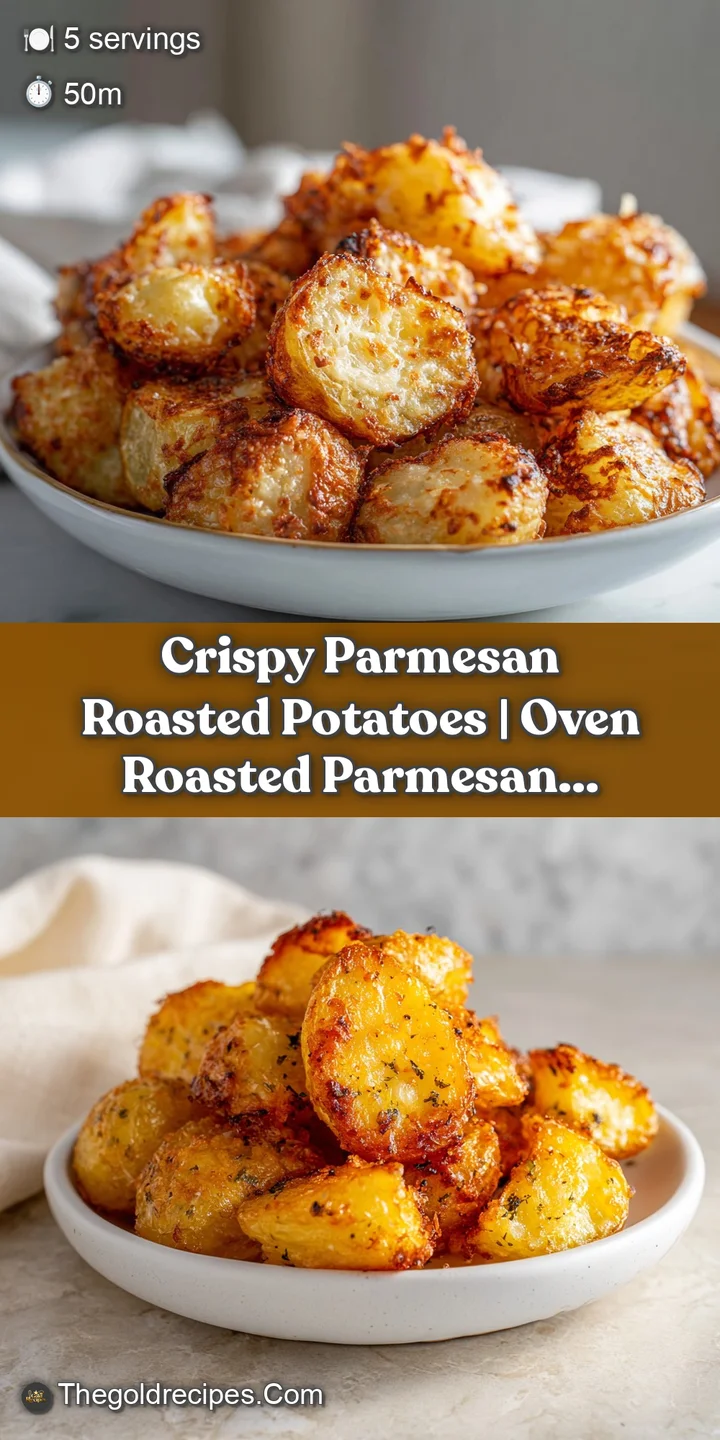
We are going for a texture that is effectively a "shatter crust." Imagine a potato that is so soft inside it almost feels like mashed potatoes, but it's encased in a salty, sharp parmesan shell. It’s the kind of side dish that makes people forget there’s a main course.
We're skipping the shortcuts and focusing on the science of how that cheese bonds to the starch. It's brilliant, simple, and once you master the paste method, you'll never go back to just "tossing" ingredients again.
Engineering the Ultimate Potato Crunch
Starch Gelatinization: Scoring the potato allows the internal moisture to vent while the surface starch mixes with the butter, creating a sticky "glue" for the cheese.
The Maillard Reaction: Finely grated parmesan has a high surface area to volume ratio, allowing it to dehydrate and brown rapidly into a crisp lattice.
Laminar Fat Insulation: The combination of olive oil and melted butter creates a barrier that prevents the potato from steaming, ensuring a dry heat environment.
| Potato Thickness | Internal Temp | Rest Time | Visual Cue |
|---|---|---|---|
| Small (1 inch) | 205°F | 3 mins | Deep mahogany crust |
| Medium (1.5 inch) | 210°F | 5 mins | Sides pull from cheese |
| Large (2+ inches) | 210°F | 5 mins | Center feels like fluff |
The resting time is actually the most important part of this whole process. If you try to spatula these off the pan the second they come out of the oven, the cheese will still be in its "molten" phase. You have to give it those three to five minutes for the fats to re solidify and the cheese to turn into that signature brittle crust. Much like the technique used in our Ground Beef Tater recipe, the structural integrity of the potato depends on managing that initial steam release.
Component Analysis
| Ingredient | Science Role | Pro Secret |
|---|---|---|
| Yukon Gold | High sugar/starch balance | Don't peel; the skin adds structural grip |
| Parmesan | Protein lattice | Use the powdery "sand" texture, not shreds |
| Butter | Flavor & browning | Use unsalted to control the seasoning |
Essential Elements for Potato Magic
To get that world class crunch, you need the right players on the field. I've tested this with Russets and Red Bliss, but Yukon Golds are the undisputed champions here because they have a creamy, waxy interior that doesn't turn into dry sawdust in the high heat of the oven.
- 1.5 lbs Yukon Gold potatoes: Why this? They hold their shape perfectly while maintaining a buttery, velvety center texture.
- 2 tbsp extra virgin olive oil: Why this? It has a higher smoke point than butter alone, preventing the crust from burning.
- 0.5 cup finely grated parmesan cheese: Why this? The fine "dust" creates a continuous, even crust rather than patchy clumps.
- 4 tbsp unsalted butter, melted: Why this? Milk solids in butter provide the nutty, toasted flavor profile we need.
- 1 tsp garlic powder: Why this? Fresh garlic burns at 400°F; powder distributes evenly and survives the heat.
- 0.5 tsp smoked paprika: Why this? Adds a subtle wood fired depth and helps achieve that rich red gold color.
- 0.5 tsp dried oregano: Why this? Provides an earthy backnote that cuts through the richness of the cheese.
- 0.5 tsp fine sea salt: Why this? Fine grains dissolve into the butter paste better than chunky kosher salt.
- 0.25 tsp cracked black pepper: Why this? Adds just enough bite to balance the umami of the parmesan.
| Original Ingredient | Substitute | Why It Works |
|---|---|---|
| Yukon Gold Potatoes | Red Potatoes | Slightly waxier, but will still hold a great crust. |
| Parmesan Cheese | Pecorino Romano | Saltier and funkier. Note: Reduce added sea salt if using this. |
| Garlic Powder | Onion Powder | Same savory profile without the risk of burning fresh bits. |
While you can technically use pre shredded cheese, I really wouldn't recommend it. Those bags are usually coated in potato starch or cellulose to prevent clumping, and that coating will interfere with the way the cheese melts and bonds to your potatoes.
If you want that "shatter" effect, grate it yourself using the finest side of the grater. It makes a massive difference in how the crispy parmesan roasted potatoes recipe turns out.
Tools for Perfect Golden Sides
You don't need a lab, but a couple of specific tools make this much easier. A large, rimmed baking sheet (half sheet pan) is non negotiable. If you use a glass 9x13 dish, the potatoes will steam rather than roast, and you'll lose that crunch.
You also want a small whisk or a fork to really emulsify the "paste" before you spread it on the pan.
Chef's Tip: Freeze your butter for about 10 minutes before melting it. It sounds weird, but it helps the milk solids separate more cleanly, which actually leads to a crispier finish when it hits the hot cheese.
I also highly suggest using a sharp paring knife for the scoring. You aren't trying to cut all the way through the potato; you just want to create a shallow grid. This increases the surface area for the parmesan to grab onto.
It’s like creating a "tread" on a tire it gives the cheese something to lock into.
Steps to Creating the Perfect Crust
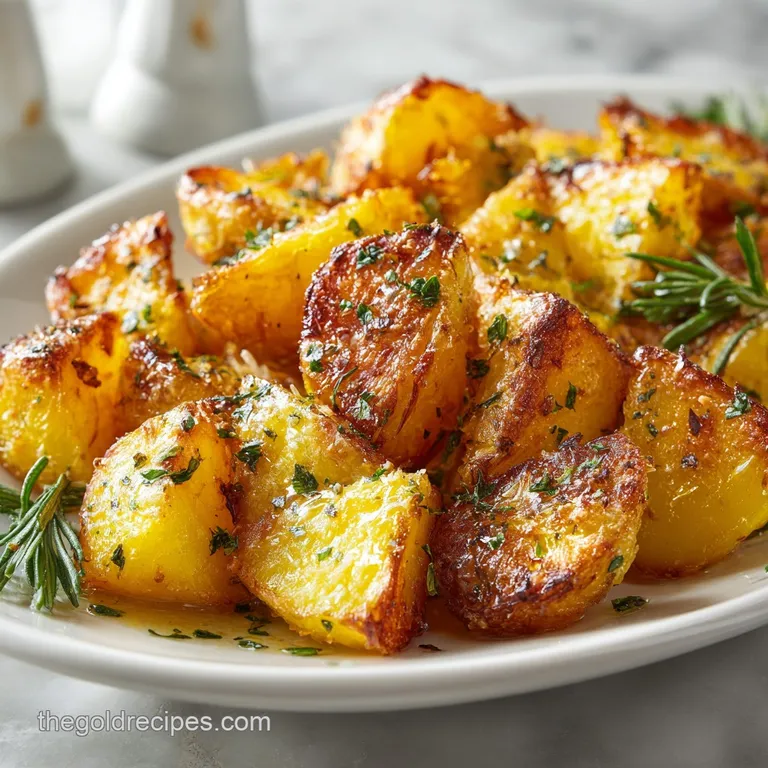
Preparing the Potato Canvas
- Scrub the 1.5 lbs Yukon Gold potatoes thoroughly and pat them bone dry. Note: Moisture is the enemy of the crunch.
- Halve each potato lengthwise.
- Use a sharp knife to score the cut side of each potato in a cross hatch pattern about 1/8 inch deep.
Crafting the Umami Paste
- In a small bowl, combine the 4 tbsp melted butter, 2 tbsp extra virgin olive oil, 0.5 cup parmesan, and all spices.
- Whisk the mixture until it forms a thick, spreadable paste.
Engineering the Crust
- Spread the paste evenly over the bottom of your baking sheet in small "circles" where each potato will sit.
- Press the scored side of each potato firmly down into the paste. Listen for a slight squelch as it settles.
- Bake at 400°F (200°C) for 35 minutes until the cheese is mahogany and the potatoes are tender.
Achieving the Mahogany Finish
- Remove the pan from the oven and let it sit undisturbed for 5 minutes. Wait for the cheese to harden.
- Use a metal spatula to lift the potatoes, ensuring the cheese skirt comes with them.
Fixes for Less Than Crispy Results
Why Your Potatoes Are Sticking
If your potatoes are refusing to leave the pan, it’s usually because the cheese hasn't fully "set." This happens if the pan wasn't quite hot enough or if you used too much oil. The cheese needs to fry in the fat until it becomes brittle. If you try to flip them too early, you'll leave that glorious crust behind.
Why Your Cheese Is Bitter
This is almost always a temperature issue or using fresh garlic instead of powder. Parmesan has a tipping point where "toasted" becomes "burnt." If your oven runs hot, check them at the 30 minute mark. You’re looking for a deep amber, not black.
| Problem | Root Cause | Solution |
|---|---|---|
| Soggy Bottoms | Crowded Pan | Use two pans or a larger sheet to allow air circulation. |
| Burned Cheese | Too much Paprika | Reduce paprika or move the rack to the middle position. |
| Bland Interior | Under seasoned | Increase the salt in the paste; it seasons the potato as it roasts. |
Common Mistakes Checklist
- ✓ Pat the potatoes completely dry after washing to ensure the paste sticks.
- ✓ Do not use parchment paper; the direct contact with the metal pan is what creates the crust.
- ✓ Ensure the parmesan is finely grated (powder like) for the most even lattice.
- ✓ Let the potatoes rest for at least 5 minutes before attempting to lift them.
- ✓ Don't skip the scoring; it's the bridge between the potato and the crust.
Creative Flavor and Texture Swaps
If you want to take these garlic parmesan roasted potatoes in a different direction, the paste is your canvas. I’ve tried adding a teaspoon of lemon zest to the mix, which adds a beautiful brightness that cuts through the fat.
You can also swap the smoked paprika for a bit of cayenne if you like a slow burn heat. It’s incredibly versatile.
For a different texture, you could try making crispy parmesan smashed potatoes. Instead of halving and scoring, boil the potatoes whole until tender, smash them flat on the baking sheet, and then brush the parmesan paste over the top before roasting. It gives you more jagged edges and a different kind of crunch. If you're looking for another crispy snack idea, you've got to try the Air Fryer Garlic recipe — it uses a similar parmesan garlic profile but on wings.
Downscaling for Two
If you're only cooking for one or two, you can easily halve the recipe. Use a smaller toaster oven tray or a quarter sheet pan. Reduce the bake time by about 5 minutes since the pan will heat up faster with less thermal mass.
Upscaling for a Crowd
When doubling this for a dinner party, use two separate baking sheets. Do not try to cram 3 lbs of potatoes onto one tray. If they are touching, they will steam each other, and you'll end up with "soft" parmesan potatoes, which is a tragedy.
Rotate the pans halfway through the 35 minute cook time to ensure even browning.
| Method | Time | Texture | Best For |
|---|---|---|---|
| Standard Roast | 35 mins | Uniform Crust | Traditional dinner sides |
| Smashed Method | 45 mins | Extra Jagged | Appetizers and snacking |
| Air Fryer | 20 mins | Very Airy | Quick weeknight meals |
Potato Myths Debunked
One big myth is that you need to soak the potatoes in cold water to "remove starch" for them to be crispy. While that works for French fries, it actually hurts this recipe. We want that surface starch to mix with the butter and cheese to create the "glue" for our crust. Keep them dry!
Another misconception is that you need a over high heat oil like Grapeseed. While high smoke points are great, the milk solids in the butter and the proteins in the cheese will brown long before the olive oil smokes at 400°F.
The olive oil is there for flavor and to keep the butter from burning too quickly.
Preserving the Potato Shatter Texture
Storage: Keep leftovers in an airtight container in the fridge for up to 4 days. They will lose their crunch in the fridge, but don't worry, we can fix that. Avoid stacking them directly on top of each other if possible to keep the cheese from getting soggy.
Reheating: Never use the microwave. It will turn the cheese into a rubbery layer and the potato into a brick. Instead, put them back on a baking sheet at 400°F for about 8-10 minutes.
This re fries the cheese in its own oils and brings back about 90% of the original "shatter."
Zero Waste: If you have leftover scraps or smaller potato bits, toss them in a pan the next morning with some eggs. The parmesan crust melts slightly and seasons the eggs perfectly.
You can also chop up leftover crispy parmesan baby potatoes and use them as "croutons" in a hearty kale salad.
What to Serve with These Potatoes
These potatoes are quite rich, so I like to pair them with something that has a bit of acidity or "green" freshness. They are a natural partner for a perfectly seared ribeye or a roasted chicken. The garlic and parmesan profile also makes them a great companion to the Garlic Parmesan Roasted recipe if you want to double down on that flavor profile for a vegetarian friendly feast.
Leveling Up Your Presentation
| Plating Level | Technique | Secret Addition |
|---|---|---|
| Simple | Piled high in a wooden bowl | A sprinkle of flaky sea salt |
| Polished | Shingled on a rectangular platter | Freshly chopped chives |
| Restaurant | Individual portions (3-4 halves) | A dollop of truffle aioli |
To get that "Restaurant" look, place the potatoes cheese side up so the guest can see the intricate lattice pattern. Drizzle a tiny bit of high-quality balsamic glaze or a squeeze of fresh lemon juice over the top right before serving. The acid makes the golden brown colors pop and wakes up the palate.
Honestly, the most important thing is that you enjoy the process. There is something so satisfying about flipping over that first potato and seeing a perfectly formed, mahogany colored crust. It feels like a magic trick every single time. Now, get your potatoes scored and get that oven preheated!
Recipe FAQs
What is the secret to crispy Parmesan potatoes?
Scoring the potatoes and creating a parmesan "paste." Scoring creates a grid surface area that holds the paste, allowing the cheese to form a protective, shatter like lattice as it fries against the hot pan.
What is the secret to crispy roasted potatoes generally?
Pat them bone dry and use enough fat to prevent steaming. Moisture is the enemy of crispness, so ensure potatoes are dry, and avoid overcrowding the pan to maintain a dry heat environment for optimal Maillard reaction.
How do you crispy roast potatoes with Parmesan?
Create a paste by combining finely grated parmesan with melted butter and oil. Spread this paste onto the hot baking sheet first, then press the scored, cut side of the potato directly into the paste before baking at 400°F.
What are some common mistakes when making crispy potatoes?
Using pre-shredded cheese and attempting to move them immediately post roast. Pre-shredded cheese contains anti caking agents that prevent proper melting, and you must let the potatoes rest for 5 minutes so the cheese crust hardens.
Should I soak the potatoes before roasting them for crispiness?
No, you should not soak them for this parmesan recipe. Surface starch is necessary to mix with the fat and cheese to form the adhesive glue required for the signature crunchy crust.
How long should I let the potatoes rest after they come out of the oven?
Rest them for exactly 5 minutes on the baking sheet. This resting period allows the molten cheese and fat structure to cool down and re-solidify, transforming from soft to that desired brittle, shattering texture.
Is it true that Yukon Gold potatoes work better than Russets for a cheese crust?
Yes, Yukon Golds are the superior choice for this technique. They have a starch-to-moisture ratio that results in a velvety, creamy interior while still allowing the exterior to achieve a firm crust.
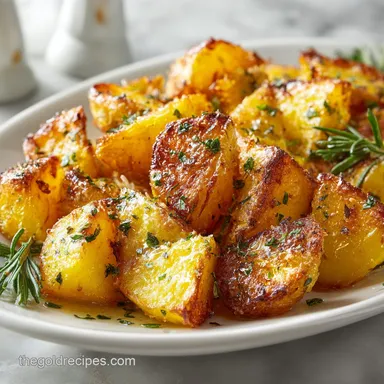
Crispy Parmesan Roasted Potatoes
Ingredients:
Instructions:
Nutrition Facts:
| Calories | 274 calories |
|---|---|
| Protein | 5.4 g |
| Fat | 17.2 g |
| Carbs | 24.2 g |
| Fiber | 2.9 g |
| Sugar | 0.9 g |
| Sodium | 358 mg |
