Creamy Honey Mustard Chicken: Pan-Seared Perfection

- Time: Active 10 minutes, Passive 20 minutes, Total 30 minutes
- Flavor/Texture Hook: Tangy sweet glaze with a velvety, smooth finish
- Perfect for: Busy weeknight dinners that feel like restaurant quality
- Secrets for Creamy Honey Mustard Chicken
- Why This Works
- Component Analysis and Selection
- Essential Ingredients and Substitutions
- Minimal Tools for Maximum Flavor
- Step-by-Step Skillet Instructions
- Troubleshooting Your Honey Mustard Sauce
- Healthy and Dairy-Free Adjustments
- Debunking Kitchen Myths
- Keeping and Using Your Leftovers
- Best Sides for This Meal
- Very High in Sodium
- Recipe FAQs
- 📝 Recipe Card
Secrets for Creamy Honey Mustard Chicken
The second those chicken thighs hit the shimmering olive oil, the kitchen fills with that specific, savory sizzle that tells you dinner is going to be good. I remember the first time I tried making a sauce like this, I used way too much honey and ended up with something that tasted like candy. Not what we want.
This version hits that sweet spot between the sharp bite of Dijon and the mellow, floral notes of raw honey, all tied together with the tang of Greek yogurt. It's the kind of meal where you'll find yourself scraping the bottom of the pan with a piece of crusty bread just to get every last drop of that sauce.
We've all been there with a "creamy" sauce that ends up being a greasy, broken mess. I've spent years figuring out how to get that thick, velvety texture without needing heavy cream or fancy thickeners.
The secret is all in the timing of when you add the yogurt and how you build the base with the browned bits left behind by the chicken. If you follow these steps, you'll get a sauce that’s glossy and rich every single time.
It’s a family favorite in my house because it feels hearty and indulgent but doesn't require a massive grocery haul.
Why This Works
- The Deglazing Effect: Chicken broth pulls up the browned bits (fond) from the bottom of the skillet, which acts as a natural flavor base for the mustard.
- Emulsification Balance: The natural lecithins in the mustard help bind the honey and broth together before the dairy is even added.
- Yogurt Stabilization: Adding the Greek yogurt at a very low heat prevents the proteins from tightening and curdling, ensuring a silky finish.
- Dual Mustard Punch: Using both Dijon and whole grain provides a layered flavor where one offers sharpness and the other provides texture and depth.
| Method | Time | Texture | Best For |
|---|---|---|---|
| Stovetop Skillet | 30 minutes | Crispy skin, glossy sauce | Quick weeknight meals |
| Oven Braised | 45 minutes | Very tender meat, thinner sauce | Hands off weekend cooking |
| Slow Cooker | 4 hours | Shredded texture, mild flavor | Large batch meal prep |
Getting that mahogany colored crust on the chicken is non negotiable for flavor. When you sear the meat over medium high heat, you're creating a deep, savory profile that a slow cooker just can't replicate. If you're in the mood for more Mediterranean vibes later this week, my Tuscan Chicken skillet uses a similar pan searing technique to build flavor from the ground up.
Component Analysis and Selection
| Ingredient | Science Role | Pro Secret |
|---|---|---|
| Dijon Mustard | Natural Emulsifier | Helps bind the honey and broth so the sauce doesn't separate. |
| Raw Honey | Moisture Retainer | Caramelizes slightly during the simmer to add a deep golden hue. |
| Plain Greek Yogurt | Acidic Thickener | Provides creaminess with a tangy finish that cuts through the sugar. |
For the Chicken Base
When you're picking out your meat at the shop, look for thighs that are relatively even in size. This ensures they all finish cooking at the same time. I prefer boneless, skinless thighs for this specific dish because they cook quickly and the sauce can coat every single nook and cranny.
If you use breasts, you'll need to be much more careful with the timing to avoid them turning into dry wood.
For the Lightened Creamy Sauce
The sauce is where the magic happens. We aren't using heavy cream here because the Greek yogurt offers a much more interesting flavor profile. It gives you that thick mouthfeel but adds a hit of acidity that makes the honey pop.
Make sure your chicken broth is low sodium; as the sauce reduces, the saltiness will concentrate, and you don't want it to become a salt bomb.
Essential Ingredients and Substitutions
- 1.5 lbs chicken thighs: Boneless and skinless. Why this? They stay juicy even if simmered slightly too long.
- Substitute: Chicken breasts (reduce sear time by 1 minute per side).
- 1 tbsp olive oil: Standard refined oil. Why this? High smoke point for a better sear.
- Substitute: Avocado oil or Ghee.
- 1/2 tsp smoked paprika: Adds a woody depth. Why this? Balances the sweetness of the honey.
- Substitute: Sweet paprika or a pinch of chipotle powder.
- 0.5 tsp salt & 0.25 tsp black pepper: Essential seasoning.
- 1/4 cup Dijon mustard: The sharp base. Why this? Provides the "bite" that defines the dish.
- Substitute: Yellow mustard (note: will be much more tart and less complex).
- 2 tbsp whole grain mustard: For texture. Why this? The seeds pop in your mouth for extra interest.
- Substitute: Extra Dijon or spicy brown mustard.
- 3 tbsp raw honey: Natural sweetness. Why this? Less processed, better floral notes.
- Substitute: Maple syrup (adds a woodier, thinner sweetness).
- 3 cloves garlic: Freshly minced. Why this? Garlic powder won't give you the same aromatic base.
- Substitute: 1 tsp garlic paste.
- 1/2 cup chicken broth: Low sodium. Why this? Deglazes the pan for maximum flavor.
- Substitute: Dry white wine (adds a sophisticated acidity).
- 1/2 cup plain Greek yogurt: Full fat or 2%. Why this? Thickens the sauce without flour or cream.
- Substitute: Sour cream or coconut cream (dairy-free).
- 1 tsp fresh thyme leaves: Final herbaceous touch. Why this? Thyme and mustard are a classic pairing.
- Substitute: 1/2 tsp dried thyme or fresh rosemary.
Minimal Tools for Maximum Flavor
You really only need one good pan for this, which is a massive win for whoever is doing the dishes. A 12 inch heavy bottomed skillet is your best friend here. I usually reach for my cast iron or a heavy stainless steel pan like an All Clad.
You want something that holds heat well so when the chicken hits the pan, the temperature doesn't plummet.
A whisk is also pretty vital. When you're adding the mustard and honey to the broth, you want them fully integrated before the yogurt goes in. If you just stir with a spoon, you might end up with little clumps of mustard. A simple balloon whisk makes the sauce silky in seconds.
Aside from that, a good wooden spoon for scraping the pan and a meat thermometer are all you need to guarantee a great result.
step-by-step Skillet Instructions
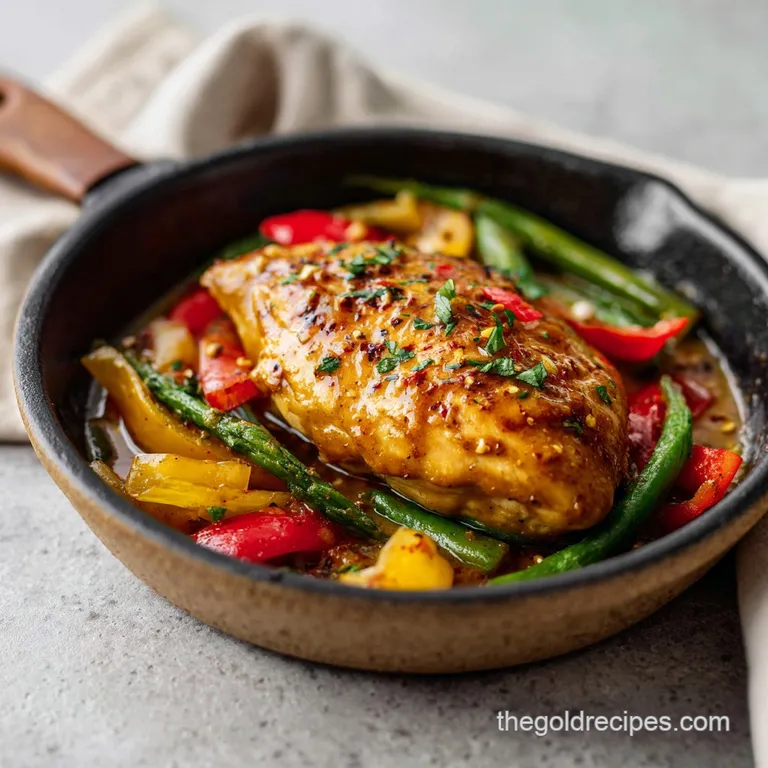
- Season the chicken. Rub the 1.5 lbs of thighs with the salt, black pepper, and smoked paprika until evenly coated on both sides. Note: The paprika helps the chicken develop that dark, rich color during the sear.
- Sear the meat. Heat the olive oil in your 12 inch skillet over medium high heat. Once it’s shimmering, add the chicken. Cook for 5–6 minutes per side until a mahogany colored crust forms.
- Rest the chicken. Remove the thighs from the pan and set them on a plate. They won’t be fully cooked yet, and that’s exactly what we want.
- Sauté the aromatics. Lower the heat to medium and toss in the minced garlic. Stir constantly for 1 minute until the scent fills the kitchen.
- Deglaze the skillet. Pour in the 1/2 cup of chicken broth. Use a wooden spoon to vigorously scrape the bottom of the pan until all the brown bits are dissolved.
- Whisk the sauce. Add the Dijon, whole grain mustard, and honey. Whisk for 3–4 minutes until the liquid reduces by about a third.
- Temper the dairy. Turn the heat down to low. Whisk in the Greek yogurt and thyme until the sauce looks velvety and uniform.
- Final simmer. Place the chicken and any plate juices back into the skillet. Simmer for 2-3 minutes until the internal temperature hits 165°F (74°C).
Troubleshooting Your Honey Mustard Sauce
Why Your Sauce Curdled
If your sauce looks grainy or like it has tiny white dots in it, the yogurt likely got too hot too fast. Greek yogurt is sensitive to high temperatures because of its protein structure. Always drop the heat to the lowest setting before whisking it in.
If it does curdle, it’s still edible, it just won't be as pretty.
Why Your Chicken Is Dry
This usually happens if you're using chicken breasts instead of thighs, or if you left the chicken in the pan while the sauce was reducing. Thighs are much more forgiving, but even they have a limit.
Make sure to pull them out as soon as they have a good crust, then only put them back in for the final warming at the very end.
| Problem | Root Cause | Solution |
|---|---|---|
| Sauce is too thin | Not enough reduction time | Simmer for 2 extra minutes before adding yogurt. |
| Sauce is too salty | Broth reduced too much | Whisk in a splash of water or extra honey. |
| Chicken skin is soggy | Covered the pan | Never cover the pan after searing the chicken. |
For those nights when you want something a bit more punchy without the creaminess, this Honey Garlic Chicken is a total winner and follows a very similar workflow. It's great to have both in your rotation so you can switch up the flavor profile while using the same basic skills.
Common Mistakes Checklist
- ✓ Pat the chicken completely dry with paper towels before seasoning (ensures a crust, not steam).
- ✓ Don't move the chicken for the first 4 minutes of searing (let the crust build).
- ✓ Whisk the yogurt in slowly on low heat (prevents the sauce from breaking).
- ✓ Use fresh garlic rather than the pre minced jarred kind (jarred garlic can taste metallic).
- ✓ Check the temperature with a meat thermometer (don't guess on doneness).
Healthy and dairy-free Adjustments
If you need to scale this recipe down for a solo dinner, it’s quite easy. For two people, use 0.75 lbs of chicken and just keep the sauce measurements the same honestly, nobody ever complained about having extra honey mustard sauce.
If you're doubling it for a big family gathering, work in batches when searing the chicken so you don't overcrowd the pan and end up boiling the meat in its own juices.
When doubling the spices like paprika and salt, I usually only go to 1.5x the amount instead of a full 2x. Spices can become overwhelming when doubled strictly. For the honey and mustard, go ahead and double those fully to maintain that thick, coating consistency.
Just remember that a larger volume of sauce will take an extra 2-3 minutes to reduce properly.
| Premium Ingredient | Budget Alternative | Flavor Impact | Savings |
|---|---|---|---|
| Fresh Thyme | Dried Thyme | Slightly more earthy, less bright | $2.50 |
| Raw Local Honey | Clover Honey | Less floral complexity | $4.00 |
| Whole Grain Mustard | Extra Dijon | Smoother texture, less "pop" | $3.00 |
Debunking Kitchen Myths
One big myth is that you need heavy cream to get a "restaurant style" creamy sauce. That’s simply not true. Greek yogurt provides the fat and thickness needed, but with a much cleaner finish. Another misconception is that honey mustard sauce has to be yellow.
Real honey mustard, especially with whole grain seeds and smoked paprika, should be a beautiful, deep amber gold.
People often think that searing meat "seals in the juices." Science tells us that's not true moisture still escapes. What searing actually does is create a Maillard reaction, which is that complex, savory flavor that makes the dish taste "expensive." Without that sear, you're just eating boiled chicken in sauce, and the flavor will be flat and one dimensional.
Keeping and Using Your Leftovers
Storage: Store any leftovers in an airtight container in the fridge for up to 3 days. The sauce will actually thicken up as it cools, turning into almost a gel like consistency. This is normal! When you reheat it, it will loosen back up into that silky texture you love.
Zero Waste: Don't throw away those herb stems! If you have leftover thyme stems, throw them into a bag in your freezer for the next time you make a stock. If you have a tiny bit of sauce left in the pan but no chicken, toss it with some roasted potatoes or use it as a spread for a ham sandwich the next day.
It is way too good to wash down the sink.
Reheating: The best way to reheat this is in a small skillet over low heat. Add a tablespoon of chicken broth or water to help the sauce emulsify again. Avoid the microwave if you can, as it tends to make the chicken rubbery and can cause the yogurt in the sauce to separate.
Best Sides for This Meal
This dish practically begs for something to soak up the extra sauce. I almost always serve it over a pile of mashed potatoes or some fluffy white rice. If you're trying to keep things a bit lighter, roasted green beans with a bit of lemon zest or a simple arugula salad with a sharp vinaigrette works beautifully.
The bitterness of the greens cuts through the sweetness of the honey.
Another great option is some simple crusty bread. A baguette or a sourdough loaf is perfect for "swiping" the plate. If you have kids, they usually love this with some simple steamed broccoli, which they can dip into the sauce.
It's one of those rare meals where everyone at the table from the picky eaters to the foodies is actually happy with what's on their plate. Keep it simple and let that honey mustard sauce be the star of the show.

Very High in Sodium
842 mg of sodium per serving (37% of daily value)
The American Heart Association recommends limiting sodium intake to about 2,300mg per day.
Tips to Reduce Sodium
-
Swap Broth-30%
Replace the 1/2 cup of low-sodium chicken broth with no-salt added chicken broth or water. This is the primary source of sodium in your recipe.
-
Halve the Salt-25%
Reduce the 0.5 tsp of salt to 1/4 tsp. You can always add a pinch more at the table if needed, but this significantly cuts down the added sodium.
-
Boost Herbs and Spices
Enhance flavor by increasing the amount of smoked paprika and adding other dried herbs like rosemary or a pinch of cayenne pepper for a little heat. This adds complexity without sodium.
-
Choose Low-Sodium Mustard-20%
Look for low-sodium Dijon mustard and low-sodium whole grain mustard options. Standard mustards can be surprisingly high in sodium.
-
Mindful Honey
While honey itself doesn't contain sodium, ensure any pre-made honey products (if applicable) are sodium free. Use the specified 3 tbsp of raw honey.
Recipe FAQs
How to get a deep, mahogany colored crust on the chicken thighs?
Sear the seasoned chicken thighs over medium high heat for 5 6 minutes per side without crowding the pan. Leaving the chicken undisturbed allows the surface moisture to evaporate, which is essential for developing that rich, dark crust.
Is it true I should boil the sauce after adding the Greek yogurt?
No, this is a common misconception. High heat can cause the yogurt to break and curdle, so always whisk it in over low heat to maintain a smooth, velvety texture.
How to prevent the sauce from tasting too thin?
Simmer the chicken broth, mustard, and honey mixture for 3 4 minutes before adding the yogurt. Reducing the liquid concentrates the flavors and ensures a thick base for the final emulsion.
How to ensure the chicken is safely cooked through?
Use an instant read meat thermometer to verify the internal temperature reaches 165°F (74°C). After returning the chicken to the skillet, the final 2 3 minute simmer ensures the center is fully cooked without over reducing the sauce.
How to properly incorporate the browned bits from the pan?
Pour the chicken broth into the skillet while the garlic is fragrant and scrape the bottom with a wooden spoon. If you enjoyed mastering this deglazing technique here, see how we apply the same principle to build depth in our Creamy Chicken Taco Soup.
Can I use a different type of chicken cut?
Stick with boneless, skinless chicken thighs for the best results. Thighs remain tender and juicy during the searing and simmering process, whereas breast meat may dry out quickly.
How to store leftovers for the best texture?
Keep the chicken and sauce in an airtight container in the refrigerator for up to three days. Reheat gently on the stovetop over low heat, adding a splash of chicken broth if the sauce has thickened too much in the fridge.
Creamy Honey Mustard Chicken
Ingredients:
Instructions:
Nutrition Facts:
| Calories | 452 calories |
|---|---|
| Protein | 37.1 g |
| Fat | 23.8 g |
| Carbs | 16.4 g |
| Fiber | 0.9 g |
| Sugar | 13.2 g |
| Sodium | 842 mg |
