Creamy Garlic Parmesan Chicken: Tender and Crispy
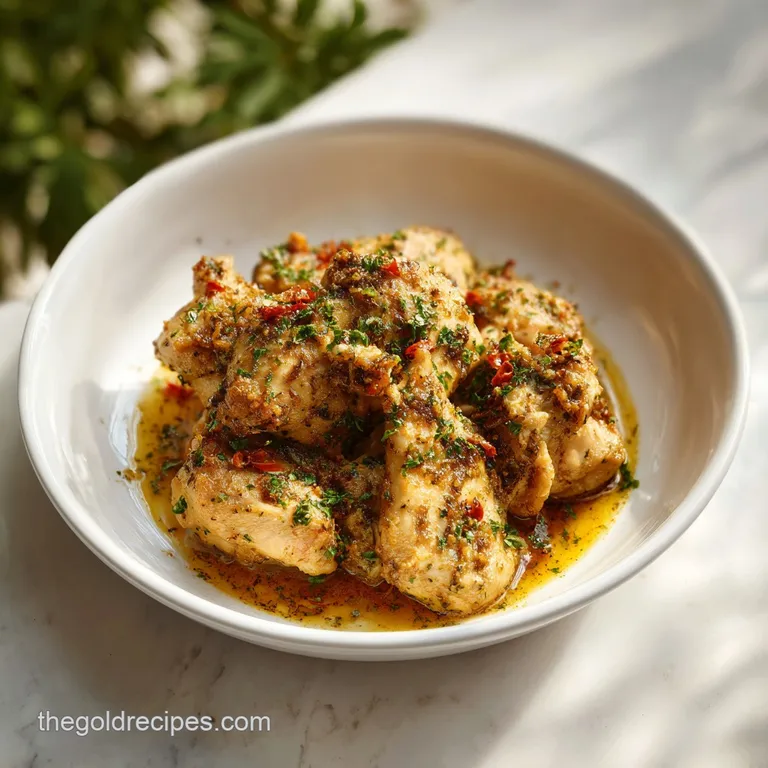
- Time: Active 10 minutes, Passive 20 minutes, Total 30 minutes
- Flavor/Texture Hook: A velvety, garlic infused cream sauce with a shatter crisp golden chicken crust
- Perfect for: A comforting weeknight family dinner that feels like a weekend splurge
- Why This Creamy Garlic Parmesan Chicken Works
- Essential Specs for Your Family Meal
- Selecting Your Fresh Ingredients and Aromatics
- Choosing the Best Heavy Bottomed Skillet
- Detailed Steps for Golden Pan Searing
- Fixing Common Mistakes and Texture Issues
- Clever Flavor Swaps for Every Cravings
- Proper Storage and Safe Reheating Guide
- Hearty Sides to Serve Your Family
- Recipe FAQs
- 📝 Recipe Card
Why This Creamy Garlic Parmesan Chicken Works
Let's talk about that moment of disappointment when you pull a skillet off the stove, only to realize the meat is as tough as a boot and the sauce has separated into a weird yellow oil. I've been there more times than I care to admit. The biggest hurdle with a dish like this is managing the moisture.
Most home cooks skip the pounding step, which leads to the thin edges drying out while the thick center stays raw. By flattening the chicken to a uniform thickness, we ensure every bite hits that goal temperature at the exact same moment.
The other secret lies in the pan surface. We aren't just cooking meat, we are building a foundation of flavor through the browned bits left behind. This recipe is designed to be a one pan wonder where the fat from the sear becomes the vehicle for the aromatics.
It’s hearty, it’s reliable, and it brings everyone to the table without you having to spend two hours hovering over a hot stove.
- The Protective Veil: A light dusting of flour acts as a thermal shield, keeping the internal juices trapped while creating a textured surface for the sauce to cling to.
- Fond Utilization: Deglazing with chicken stock captures the caramelized proteins from the sear, which provides a deep, savory backbone that cream alone cannot provide.
- Emulsification Stability: Using heavy cream instead of milk provides enough fat to keep the parmesan cheese suspended, preventing it from turning into a clumpy, rubbery ball.
- Acid Balance: A final splash of fresh lemon juice cuts through the richness of the dairy, brightening the heavy garlic notes so the dish doesn't feel too weighted.
| Thickness | Internal Temp | Rest Time | Visual Cue |
|---|---|---|---|
| 1/2 inch (1.25 cm) | 165°F (74°C) | 5 minutes | Golden mahogany crust with clear juices |
| 3/4 inch (2 cm) | 165°F (74°C) | 7 minutes | Deep brown exterior, firm to the touch |
| 1 inch (2.5 cm) | 165°F (74°C) | 8 minutes | Very dark crust, requires lower heat to cook through |
Choosing the right thickness is the difference between a tender meal and a rubbery struggle. I always aim for that 1/2 inch mark because it offers the fastest cook time without sacrificing the juicy interior we all crave.
Essential Specs for Your Family Meal
When you’re planning a family dinner, you need to know exactly how much time you’ll be spending at the counter versus the stove. This recipe is a tight 30 minutes from start to finish, provided you have your station set up properly. I like to think of this as a "flow" recipe.
While the chicken is searing, you have just enough time to mince your garlic and grate your cheese. It’s a rhythmic process that doesn't leave you with a mountain of dishes or a frantic kitchen.
| Component | Science Role | Pro Secret |
|---|---|---|
| Heavy Cream | Fat based stabilizer | Use room temp cream to prevent the sauce from "shocking" and breaking |
| Parmigiano Reggiano | Protein and salt binder | Grate it yourself from a block, pre shredded cheese is coated in starch that ruins the texture |
| All Purpose Flour | Starch gelatinization | Shake off 90% of the flour, you want a veil, not a thick breading |
| Fresh Garlic | Aromatic sulfur compounds | Mince it just before adding to the pan to keep the oils potent and pungent |
The chemistry here is simple but vital. The heavy cream isn't just for flavor, it’s the medium that allows the cheese to melt into a uniform liquid. If you used a lower fat milk, the cheese would likely separate because there isn't enough fat to coat the protein strands in the parmesan.
Selecting Your Fresh Ingredients and Aromatics
For a truly hearty meal, the quality of your ingredients speaks louder than any complicated technique. Start with 1.5 lbs chicken breast, making sure they are fresh and not previously frozen if possible, as frozen meat tends to release more water, which ruins our sear.
You'll need 0.5 cup all purpose flour for that light coating, mixed with 1 tsp smoked paprika, 1 tsp onion powder, 0.5 tsp kosher salt, and 0.5 tsp cracked black pepper.
The sauce is where the magic happens. Grab 2 tbsp olive oil and 1 tbsp unsalted butter for the frying stage. You'll need 6 cloves of fresh garlic (don't even think about the jarred stuff), 1 cup heavy cream, and 0.5 cup low sodium chicken stock.
To finish, 0.75 cup freshly grated Parmigiano Reggiano provides the salty punch, while 1 tbsp fresh lemon juice and 0.25 cup chopped Italian parsley bring the freshness. A pinch of red pepper flakes adds just a tiny hint of warmth that balances the dairy perfectly.
| Original Ingredient | Substitute | Why It Works |
|---|---|---|
| Heavy Cream | Full fat Coconut Milk | Provides similar viscosity but adds a subtle tropical note. |
| Parmigiano Reggiano | Pecorino Romano | Higher salt content and tangier profile, use slightly less salt in the flour. |
| Chicken Breast | Chicken Thighs | More fat and flavor, but will require 2-3 minutes more cook time per side. |
If you find yourself out of chicken stock, a dry white wine like Sauvignon Blanc works wonders for deglazing. It adds a sophisticated acidity that pairs beautifully with the cream and garlic. Just make sure to let the alcohol cook off for an extra minute before adding the cream.
Choosing the Best Heavy Bottomed Skillet
Equipment matters, but you don't need a professional kitchen to make this work. The most important tool in your arsenal is a 12 inch heavy bottomed skillet. A cast iron pan (like a Lodge) or a high-quality stainless steel skillet is ideal because they hold onto heat.
Thin, cheap pans will drop in temperature the second you add the meat, resulting in gray, steamed chicken rather than a golden, sizzling crust.
You will also need a meat mallet or even a heavy rolling pin to pound that chicken down to size. This isn't just for tenderizing, it’s about geometry. Uniform thickness equals uniform cooking.
A whisk is essential for the sauce stage to ensure the cheese and cream marry together into that velvety texture we’re looking for. Finally,, a microplane or a fine grater is your best friend for the cheese. The finer the shred, the faster it melts, and the smoother your sauce will be.
| Fast Method | Classic Method | Flavor Impact |
|---|---|---|
| Pre minced garlic | Freshly minced cloves | Pre minced is bitter, fresh is sweet and pungent |
| Pre shredded cheese | Hand grated block | Pre shredded is grainy, block cheese is silky |
| Skipping the pound | Pounding to 1/2 inch | Skipping leads to dry edges, pounding stays juicy |
Don't underestimate the power of a simple splatter screen. Since we are searing in oil and butter over medium high heat, things can get a bit messy. A screen keeps your stovetop clean while still allowing steam to escape, ensuring that crust stays crispy.
Detailed Steps for Golden Pan Searing
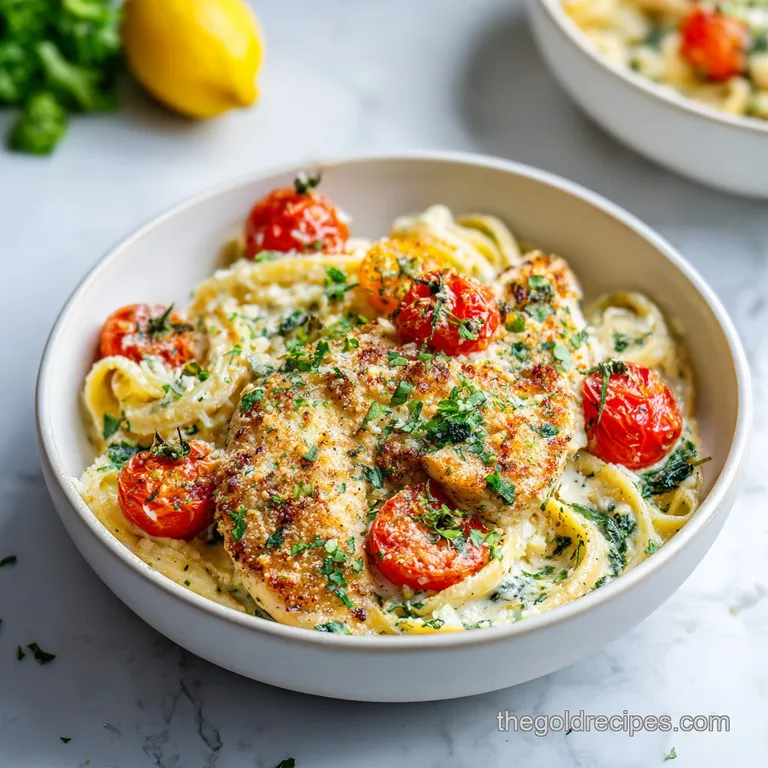
Preparing the Protein
Start by taking your 1.5 lbs chicken breast and placing them between two sheets of plastic wrap. Using your mallet, gently pound them until they reach a uniform 1/2 inch thickness.
Note: This ensures the edges don't overcook while the center remains raw. In a shallow bowl, whisk together the 0.5 cup flour, 1 tsp smoked paprika, 1 tsp onion powder, 0.5 tsp salt, and 0.5 tsp black pepper.
Searing for Golden Perfection
Dredge each piece of chicken in the flour mixture, shaking off every bit of excess. You want a fine veil, not a thick coating. Heat 2 tbsp olive oil and 1 tbsp butter in your skillet over medium high heat. Wait for that butter to start foaming before you lay the chicken in.
Sear the chicken for 5-7 minutes per side until a mahogany colored crust forms and the internal temp hits 165°F (74°C). Remove the chicken to a plate to rest.
Building the Flavor Base
Lower the heat to medium. Add your 6 cloves of minced garlic to the residual fat in the pan. Sauté for exactly 1 minute until the aroma fills the room but before the garlic turns brown and bitter.
Pour in the 0.5 cup chicken stock and use a wooden spoon to scrape up all those browned bits from the bottom of the pan. This is where the soul of the sauce lives.
Simmering the Signature Sauce
Whisk in the 1 cup heavy cream and bring the mixture to a gentle simmer. Cook for 2-3 minutes until the sauce thickens enough to coat the back of a spoon. Keep the heat steady, you don't want a rolling boil which could cause the cream to separate.
Emulsifying the Velvet Sauce
Turn the heat down to low. This is crucial for the cheese. Stir in the 0.75 cup freshly grated Parmigiano Reggiano slowly, whisking constantly until the sauce is perfectly smooth. Add the 1 tbsp lemon juice, then nestle the chicken back into the pan.
Garnish with 0.25 cup parsley and a pinch of red pepper flakes. Serve immediately while the sauce is at its peak.
Fixing Common Mistakes and Texture Issues
One of the most frequent issues I hear about is the sauce "splitting." This usually happens because the heat was too high when the cheese was added. Cheese is essentially a matrix of protein and fat.
When hit with high heat, the protein tightens up and squeezes the fat out, leaving you with greasy oil and rubbery clumps. Always drop your heat to low before the cheese hits the pan.
Another common pitfall is "steaming" the chicken instead of searing it. This happens if the pan isn't hot enough or if you overcrowd the skillet. If you put too much cold meat in at once, the pan temperature plummets. Work in batches if your skillet isn't large enough to give each piece of chicken an inch of space.
| Problem | Root Cause | Solution |
|---|---|---|
| Grainy Sauce | Pre shredded cheese used | Use a block of Parmigiano Reggiano and grate it finely. |
| Pale Chicken | Pan was not preheated | Wait for the butter to foam and sizzle before adding meat. |
| Bitter Garlic | Garlic was burned | Sauté for only 60 seconds and add liquid immediately after. |
Common Mistakes Checklist
- ✓ Pat the chicken dry with paper towels before dredging (helps the flour stick).
- ✓ Don't skip the resting period for the chicken (keeps the juices inside).
- ✓ Use a heavy bottomed pan to prevent hot spots that burn the garlic.
- ✓ Add the cheese in small handfuls rather than all at once for better melting.
- ✓ Always deglaze the pan to incorporate the "fond" into your sauce.
Clever Flavor Swaps for Every Cravings
If you’re looking to change things up, this recipe is incredibly flexible. For a creamy honey mustard chicken vibe, you can whisk in a tablespoon of Dijon mustard along with the heavy cream. It adds a sharp tang that works beautifully with the parmesan. For those following a keto lifestyle, simply swap the all purpose flour for almond flour or even a light dusting of parmesan cheese itself before searing.
If you want a heartier, one pot meal feel, you can stir in two cups of fresh baby spinach during the last minute of simmering. The heat from the sauce will wilt the greens perfectly without making them mushy. You could also add sun dried tomatoes for a sweet, chewy contrast that feels very Mediterranean.
- If you want it extra creamy: Increase the heavy cream to 1.5 cups and reduce the chicken stock slightly.
- If you want it lighter: Use half and half instead of heavy cream, but be extra careful not to boil it.
- If you want it crispy crunchy: Add a tablespoon of panko breadcrumbs to your flour mixture for extra texture.
When scaling this recipe for a crowd, remember that you don't need to double the oil and butter exactly. You just need enough to coat the bottom of the pan. However, you should definitely work in batches for the searing to maintain that golden crust.
For the sauce, you can double the ingredients 1:1, but keep an eye on the thickness; sometimes a larger volume of sauce takes an extra minute or two to reduce to that velvety consistency.
Proper Storage and Safe Reheating Guide
This dish is best served fresh, but if you have leftovers, they can be stored in an airtight container in the fridge for up to 3 days. The sauce will thicken significantly as it cools, almost becoming a paste. Don't worry, this is normal! When you go to reheat it, the fat will melt back down.
I don't recommend freezing this dish, as the cream sauce can become grainy and separate once thawed.
To reheat, the microwave is your enemy. It will turn the chicken rubbery in seconds. Instead, place the chicken and sauce in a small skillet over low heat. Add a splash of chicken stock or a teaspoon of water to help loosen the sauce. Cover the pan and let it warm through gently for about 5-8 minutes.
This preserves the texture of the meat and keeps the sauce from breaking.
For a zero waste tip, if you have just a little bit of the garlic parmesan sauce left but no chicken, toss it with some hot pasta the next day. It makes for an incredible quick lunch.
You can also use any leftover parsley stems in your next batch of homemade chicken stock they hold a ton of flavor that usually gets tossed in the bin!
Hearty Sides to Serve Your Family
To turn this into a full scale feast, you need sides that can stand up to that rich, garlicky sauce. My go to is always a bed of pasta linguine or fettuccine works best for catching the cream. If you want something a bit lighter, this pairs perfectly with my Garlic Parmesan Roasted Asparagus which echoes the flavors in the main dish without adding too much heaviness.
A simple crusty baguette is also a non negotiable in my house. You’ll want something to mop up every last drop of that sauce. If you’re keeping things low carb, serve the chicken over a heap of zoodles or roasted cauliflower. The nuttiness of roasted vegetables complements the parmesan beautifully.
One myth I hear all the time is that you should rinse your chicken before cooking. Please, don't do this! It doesn't kill bacteria; it actually spreads it all over your sink and counters through water droplets.
Another big one is that searing "seals in the juices." Science tells us that's not true moisture is lost during cooking regardless. What searing actually does is create complex new flavor molecules through a process often called the Maillard reaction. That crust is about flavor, not a moisture seal!
Finally,, don't be afraid of the red pepper flakes. Even if you don't like spice, that tiny pinch doesn't make the dish "hot." It acts like black pepper, providing a subtle depth that prevents the cream from feeling one dimensional.
Trust the process, keep your heat in check, and you’ll have a family favorite on your hands in no time.

Recipe FAQs
What's the secret to a creamy garlic parmesan sauce?
The secret is emulsification. Add your grated Parmigiano Reggiano in small handfuls while whisking constantly over low heat to ensure the cheese integrates smoothly into the heavy cream without breaking.
What are the ingredients in creamy garlic parmesan chicken?
You need chicken breasts, flour, smoked paprika, onion powder, salt, pepper, olive oil, butter, garlic, heavy cream, chicken stock, Parmigiano Reggiano, lemon juice, parsley, and red pepper flakes. Ensure your chicken is pounded to a uniform 1/2 inch thickness for even cooking.
What are common mistakes when making parmesan chicken?
Failing to deglaze the pan is the most frequent error. You must scrape up the browned bits, or fond, from the skillet after searing the chicken, as this provides the essential depth of flavor for your sauce.
Can diabetics have chicken parmesan?
Consult your medical professional regarding your specific dietary needs. While this recipe uses lean protein and fresh aromatics, it contains carbohydrates from the flour dredging process.
How to ensure the chicken breast stays moist?
Pound the chicken to a uniform 1/2 inch thickness before searing. This allows the meat to reach an internal temperature of 165°F (74°C) quickly without the exterior drying out.
How to fix a sauce that is too thin?
Simmer the heavy cream and chicken stock mixture for an additional minute or two. If you mastered the silky sauce technique used in other pasta dishes, you know that patience during the reduction phase is key to reaching the perfect consistency.
How to keep the garlic from burning?
Lower the heat to medium before adding the minced garlic to the skillet. Sauté the garlic for exactly 1 minute until fragrant, then immediately add the chicken stock to stop the cooking process and begin deglazing.
Creamy Garlic Parmesan Chicken
Ingredients:
Instructions:
Nutrition Facts:
| Calories | 605 kcal |
|---|---|
| Protein | 48g |
| Fat | 42g |
| Carbs | 9g |
| Fiber | 1g |
| Sugar | 2g |
| Sodium | 685mg |
