How to Cook Beef Liver Tender
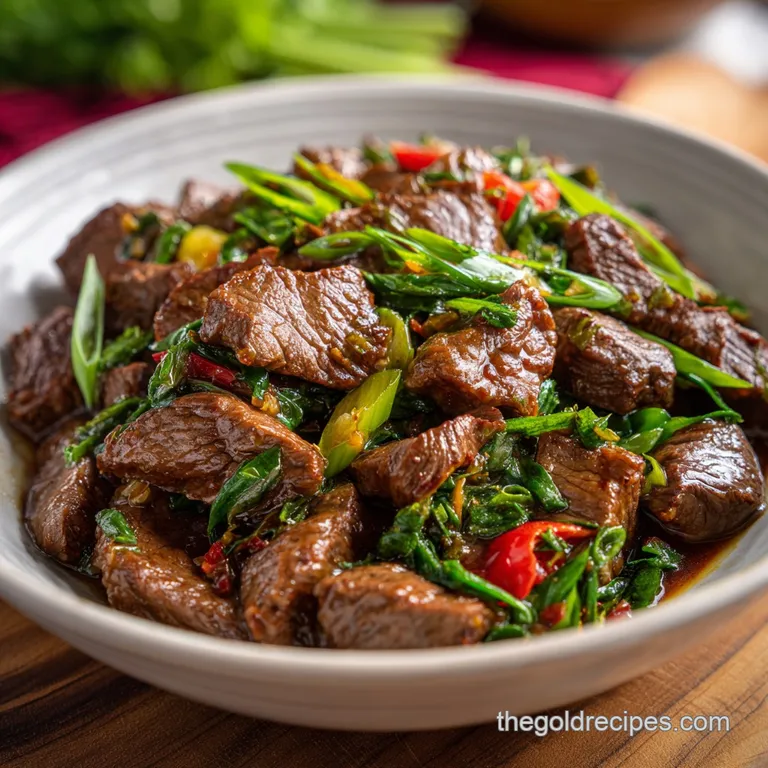
- Time: Active 10 minutes, Passive 40 minutes, Total 50 minutes
- Flavor/Texture Hook: Buttery, velvety interior with a savory, spiced crust
- Perfect for: Budget conscious weeknight dinners and iron rich meal prep
- Mastering how to cook beef liver tender
- Why the Milk Soak Works
- Essential Recipe Specifics
- Our Hearty Foundation Ingredients
- Minimal Equipment Checklist
- Simple Stovetop Instructions
- Fixing Common Texture Mistakes
- Easy Family Flavor Variations
- Smart Storage Secrets
- Pairing Your Hearty Meal
- Kitchen Wisdom: Debunking Liver Lore
- Recipe FAQs
- 📝 Recipe Card
Mastering how to cook beef liver tender
The first thing you notice isn't the meat at all, but the sweet, heavy aroma of yellow onions hitting a hot pan of butter. Then comes that unmistakable sizzle as the floured liver meets the oil, creating a crust that promises a satisfying crunch.
I used to be the person who would run out of the kitchen when liver was on the menu, but that all changed once I learned how to treat it right.
We've all had that "shoe leather" experience where the liver is dry, grainy, and tastes like a rusty nail. It's enough to make anyone give up on this affordable protein forever. But honestly, it's not the meat's fault; it's the technique.
My goal is to show you how to turn this humble ingredient into something so tender it practically melts when your fork hits it.
Right then, we are going to focus on three things: the soak, the sear, and the rest. By the time we’re finished, you’ll have a hearty meal that feels like a treat rather than a chore to eat. Let's get into the kitchen and fix how we think about this classic dish once and for all.
Why the Milk Soak Works
Osmotic Draw: The calcium and lactic acid in milk help neutralize the strong metallic flavor while drawing out impurities.
Enzymatic Softening: A gentle soak breaks down tough connective tissues, ensuring the final result is velvety rather than rubbery.
pH Balancing: The slightly acidic nature of milk helps relax the protein fibers, preventing them from tightening up too quickly during the heat of the sear.
| Thickness | Internal Temp | Rest Time | Visual Cue |
|---|---|---|---|
| 1/4 inch | 145°F | 2 mins | Slight pink blush in center |
| 1/2 inch | 145°F | 3 mins | Edges are browned and firm |
| 3/4 inch | 150°F | 5 mins | Center feels bouncy to touch |
Choosing the right thickness is the biggest hurdle for most home cooks. I usually tell my friends to stick with 1/2 inch slices because they give you enough room to get a good crust without overcooking the middle. If you go too thin, the meat turns to cardboard before the flour even gets a chance to brown.
Essential Recipe Specifics
Success in the kitchen often comes down to understanding the "why" behind your components. When we're working with organ meats, we aren't just looking for flavor; we're looking for structural integrity.
The coating acts as a thermal shield, protecting the delicate proteins from the direct, aggressive heat of the skillet.
Science: The Physics of the Flash Sear
When the floured surface hits the hot fat, the moisture evaporates instantly, creating a shatter-crisp barrier. This Maillard reaction happens so fast that the internal temperature rises slowly, keeping the cells from squeezing out their juices.
| Ingredient | Science Role | Pro Secret |
|---|---|---|
| Whole Milk | Flavor Neutralizer | Use cold milk to keep the meat firm during the soak. |
| All Purpose Flour | Thermal Shield | Double dredge if you prefer a thicker, more traditional crust. |
| Unsalted Butter | Fat Emulsifier | Combine with oil to raise the smoke point and prevent burning. |
After you've mastered the sear, you might want to try something sweet for dessert. For another family favorite, check out my Crumbl Sugar Cookie recipe for dessert later. It’s the best way to round out a savory meal with something the kids will love.
Our Hearty Foundation Ingredients
- 1 lb beef liver: sliced 1/2 inch thick Why this? Thick enough to stay juicy while the outside gets crispy.
- Substitute: Calf liver (milder flavor, even more tender).
- 1 cup whole milkWhy this? The fat content helps pull out the copper like tang.
- Substitute: Buttermilk (adds a nice tang and even more tenderizing power).
- 1/2 cup all purpose flourWhy this? Creates the necessary golden crust.
- Substitute: Cornstarch (for an extra crunchy, gluten-free option).
- 1 tsp smoked paprikaWhy this? Adds depth and a beautiful reddish brown color.
- Substitute: Chili powder (for a bit of warmth).
- 1 tsp garlic powderWhy this? Savory punch that cuts through the richness.
- Substitute: Onion powder.
- 1/2 tsp sea salt
- 1/2 tsp cracked black pepper
- 2 tbsp unsalted butter
- 1 tbsp extra virgin olive oil
- 1 large yellow onion: thinly sliced Why this? Caramelized sweetness balances the savory meat.
- Substitute: Red onion (for a sharper, brighter finish).
Minimal Equipment Checklist
You don't need a professional kitchen to make this work, but a heavy bottomed skillet is your best friend here. A cast iron pan is my personal choice because it holds onto heat like a champ, which is exactly what we need for that quick flash sear.
If you use a thin, cheap pan, the temperature will drop the moment the meat hits the surface, and you'll end up steaming the liver instead of frying it.
A good set of tongs is also vital. You want to be able to flip the slices gently without tearing the delicate flour coating. If you've ever tried to use a fork, you know the frustration of the crust sliding right off into the oil. Stick with tongs, and you'll keep that beautiful golden jacket intact.
Simple Stovetop Instructions
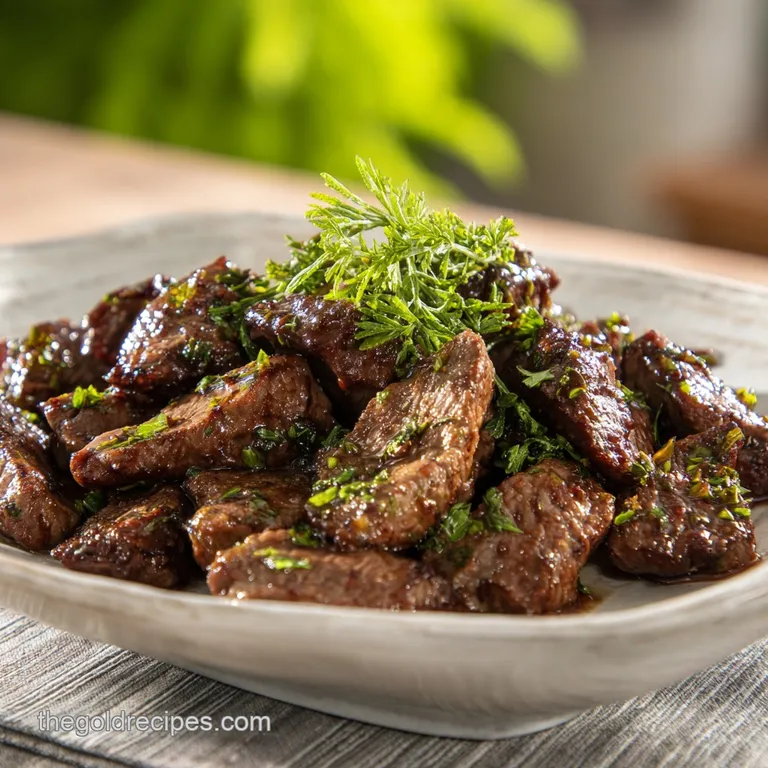
1. Neutralizing and Prepping
Place your 1 lb of sliced beef liver in a shallow bowl and cover completely with 1 cup of whole milk. Note: This step is non negotiable for removing the bitter, metallic taste. Let it sit in the fridge for at least 30 minutes.
2. Caramelizing the Foundation
Heat 1 tbsp of olive oil and 1 tbsp of butter in your skillet over medium heat. Add the sliced yellow onion. Cook for 8 minutes until soft and golden brown. Remove the onions and set them aside on a plate.
3. Engineering the Perfect Crust
In a separate shallow dish, whisk together the 1/2 cup flour, smoked paprika, garlic powder, salt, and pepper. Remove the liver from the milk and pat it gently with a paper towel. Note: Don't wash it, just remove the excess dripping liquid.
4. Executing the Flash Sear
Dredge each piece of liver in the flour mixture, shaking off the excess. Add the remaining 1 tbsp of butter to the skillet. Increase the heat to medium high until the butter begins to sizzle.
5. Achieving the Proper Sear
Place the liver in the pan without overcrowding. Cook for 2-3 minutes per side until the edges are crispy and deep brown. Note: Overcooking is the enemy of tenderness.
6. Combining the Flavors
Add the cooked onions back into the pan for the last 60 seconds of cooking. This allows the onion juices to mingle with the crust of the meat.
7. Resting for Juiciness
Transfer the liver and onions to a warm platter. Let it rest for 3 minutes before serving. This allows the internal juices to redistribute, ensuring every bite is velvety.
Fixing Common Texture Mistakes
Preventing A Tough Texture
The most common mistake is simply leaving the meat in the pan too long. Liver doesn't behave like a steak; it doesn't need a "medium well" approach. Once it hits an internal temperature of 145°F, it's done. If you wait until it "looks" cooked all the way through, it's probably already too late.
Eliminating Soggy Coating
If your crust is falling off or feels mushy, your pan wasn't hot enough. You need that initial "whoosh" of heat to set the flour. Also, make sure you don't pile the slices on top of each other. Crowding the pan creates steam, and steam is the absolute death of a crispy crust.
| Problem | Root Cause | Solution |
|---|---|---|
| Grainy texture | Overcooked proteins | Pull the meat off the heat 5 degrees early. |
| Bitter taste | Skipped the soak | Soak in milk or lemon water for at least 30 mins. |
| Coating falls off | Meat was too wet | Pat dry with paper towels before dredging in flour. |
Common Mistakes Checklist
- ✓ Always pat the meat dry before flouring to ensure the coating sticks.
- ✓ Don't skip the milk soak - it's the secret to the "mild" flavor everyone loves.
- ✓ Ensure the butter is foaming before you add the meat to the pan.
- ✓ Work in batches if your pan is small to prevent steaming.
- ✓ Use a meat thermometer to hit exactly 145°F for the best texture.
Easy Family Flavor Variations
If you're looking to change things up, you can easily adapt this recipe to fit different cravings. For a Mediterranean vibe, swap the smoked paprika for dried oregano and finish the dish with a heavy squeeze of fresh lemon juice and a sprinkle of salty feta cheese.
The acidity of the lemon cuts through the rich fat of the liver beautifully.
If you are following a keto or carnivore lifestyle, skip the flour entirely. Instead, sear the liver in bacon grease and top it with plenty of crispy bacon crumbles. You'll miss the crunch of the flour, but the salty bacon adds a different kind of texture that works just as well.
Trust me, bacon makes everything better when you're trying to keep things low carb.
Chef Tip: If you want a deeper flavor, add a splash of balsamic vinegar to the onions while they caramelize. The sweetness of the vinegar mimics the richness of the liver perfectly.
Smart Storage Secrets
When it comes to leftovers, liver is a bit finicky. You can store it in an airtight container in the fridge for up to 2 days. To reheat, avoid the microwave at all costs! It will turn your tender masterpiece into a rubber ball in seconds.
Instead, heat a little butter in a skillet and flash fry the slices for 30 seconds per side just to take the chill off.
Freezing isn't ideal for cooked liver as the texture becomes quite mealy once thawed. However, you can freeze raw liver for up to 3 months. I like to slice it before freezing so I can just grab a few pieces for a quick lunch whenever the craving hits. Just thaw it in the fridge overnight before you plan to cook it.
Pairing Your Hearty Meal
To keep this meal budget friendly and filling, I always serve it alongside a big pile of buttery mashed potatoes or some simple boiled cabbage. The potatoes are great for soaking up any leftover onion juices and butter from the pan.
If you want something a bit lighter, a crisp green salad with a sharp vinaigrette helps balance out the richness.
Regardless of what you choose for a side, make sure you serve it hot. Liver loses its "velvety" appeal as it cools down, so gather everyone around the table the moment the pan hits the trivet.
It’s a classic, old school meal that reminds us all that you don't need expensive ingredients to make a dinner that feels special.
Kitchen Wisdom: Debunking Liver Lore
"You have to cook liver until it's gray to be safe." This is a total myth. Cooking liver until it's gray throughout is the fastest way to ruin the texture. Modern food safety guidelines suggest 145°F is perfectly safe, leaving you with a slightly pink, tender center.
"Liver is full of toxins." Actually, the liver's job is to process toxins, not store them. It stores vitamins and minerals like A, B12, and iron. It’s one of the most nutrient dense foods on the planet, making it a powerhouse for a healthy family diet.
| Fresh | Shortcut (Pre sliced/Frozen) | Result Impact |
|---|---|---|
| Fresh Butcher Cut | Thicker, juicier slices | Best texture and flavor. |
| Frozen Supermarket | Often sliced too thin | Harder to get a pink center. |
| Pre soaked | Saves 40 minutes | Usually tastes slightly more metallic. |
If you want the best results, always go with a fresh butcher cut. But if you're on a tight budget or schedule, the frozen pre sliced bags work just fine as long as you watch the clock like a hawk. Happy cooking, and I hope this becomes a new staple in your home!
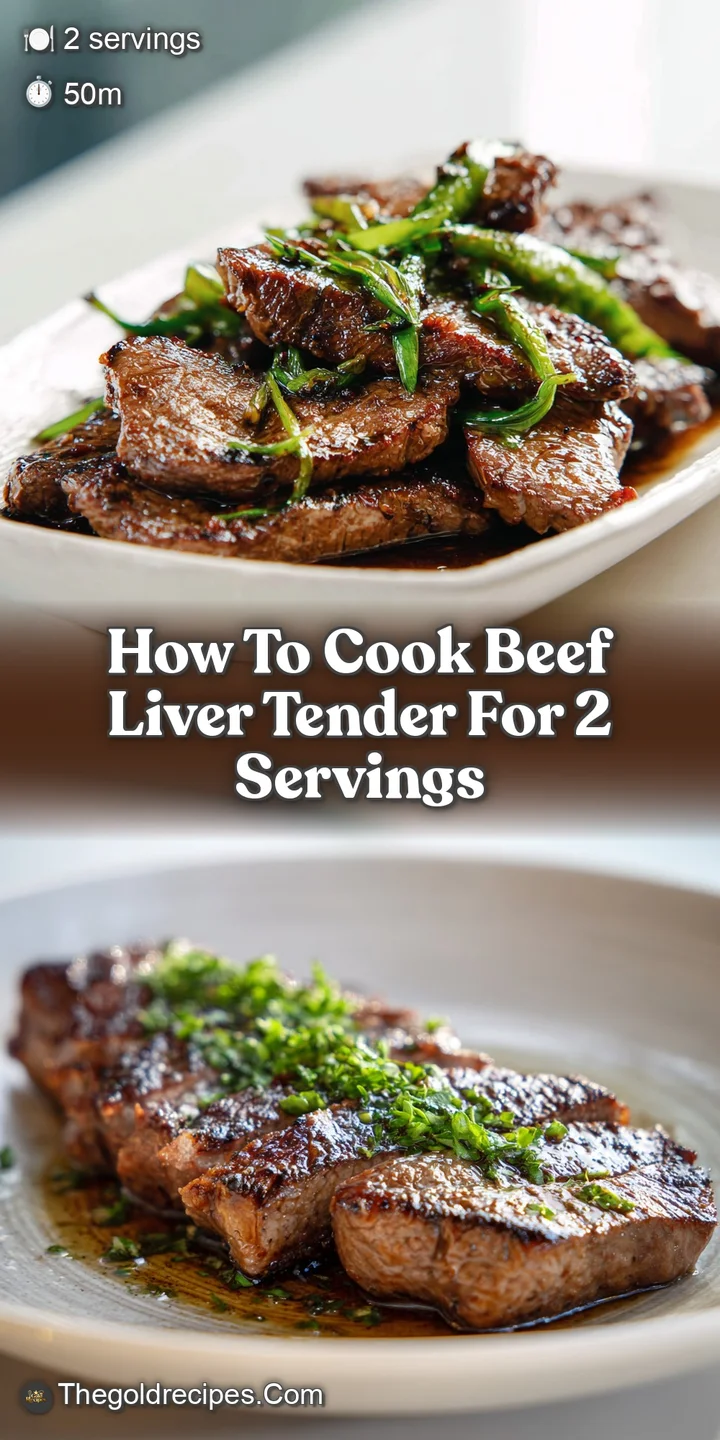
Recipe FAQs
How do you cook liver so it is not tough?
Cook it quickly to 145°F and no higher. Liver becomes tough when the proteins seize up from overcooking; pull it off the heat immediately when it reaches a slight pink blush in the center.
What is the best cooking method for beef liver?
A quick pan-sear after a milk soak is best. The soak neutralizes the metallic flavor, and the high heat sear creates a protective crust, sealing in moisture for a tender interior.
How do you tenderize beef liver?
Soak the slices in whole milk for at least 30 minutes. The calcium and lactic acid in the milk gently break down tough tissues and significantly reduce the strong, metallic flavor.
Does the liver get softer the longer you cook it?
No, liver gets tougher the longer you cook it. Unlike some muscle meats, organ meat tightens and becomes rubbery quickly once it passes 150°F internally.
Should I skip soaking the liver in milk if I prefer a stronger flavor?
No, do not skip the milk soak entirely. Even if you like the flavor, the soak helps relax the protein fibers, which is key to preventing a grainy or shoe leather texture.
How thick should the liver slices be for optimum tenderness?
Aim for slices that are 1/2 inch thick. This thickness allows you enough cooking time on the outside to develop a good crust without letting the internal temperature rise too far, ensuring a juicy result.
What should I do immediately after taking the seared liver off the heat?
Transfer the cooked liver to a warm plate and let it rest for 3 minutes. Resting is crucial because it allows the internal juices to redistribute throughout the meat fibers, guaranteeing maximum velvety texture.
Cook Beef Liver Tender
Ingredients:
Instructions:
Nutrition Facts:
| Calories | 518 kcal |
|---|---|
| Protein | 47g |
| Fat | 24g |
| Carbs | 27g |
| Fiber | 2g |
| Sugar | 6g |
| Sodium | 685 mg |
