Chicken Livers with Onions and Gravy
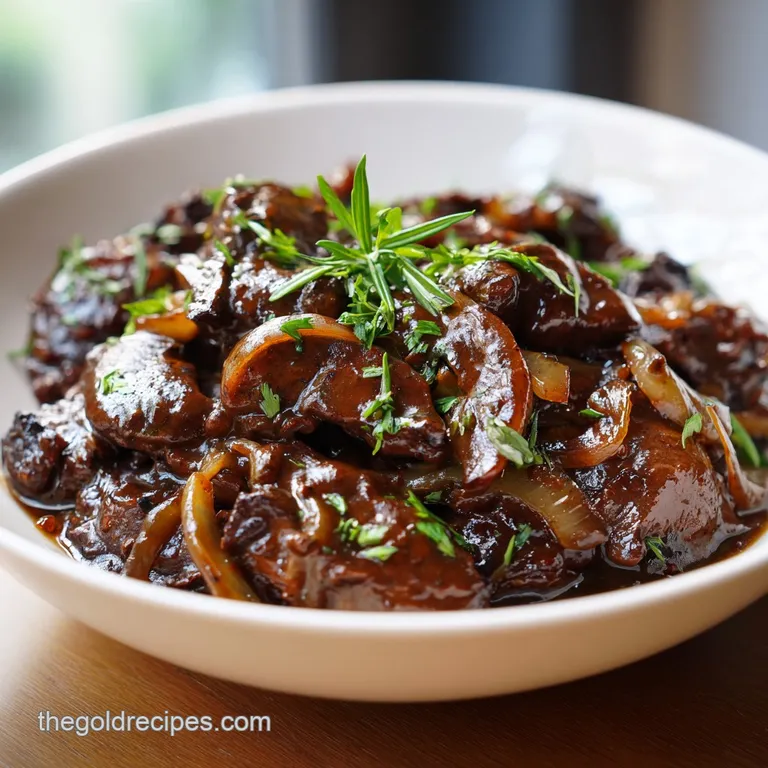
- Time: Active 15 minutes, Passive 15 minutes, Total 30 minutes
- Flavor/Texture Hook: Velvety gravy with buttery, melt in-your mouth livers
- Perfect for: Budget conscious family dinners and traditional comfort food nights
- Mastering Chicken Livers with Onions and Gravy
- Vital Recipe Specs and Timing
- Ingredient Deep Dive Analysis
- Budget Friendly Grocery List Breakdown
- Minimal Tools for Best Results
- Simple Steps for Success
- Fixing Texture and Flavor Issues
- Creative Flavor Variations to Try
- Storage and Leftover Secrets
- Best Sides for This Meal
- Recipe FAQs
- 📝 Recipe Card
Mastering Chicken Livers with Onions and Gravy
I remember the first time I really understood the magic of this dish. I was standing in my grandmother's kitchen, watching her old cast iron skillet dance over the flame. The windows were slightly fogged from the steam of mashed potatoes, and the air was thick with the scent of butter and sweet, melting onions.
As a kid, the idea of "livers" sounded like a chore, but then she dropped them into the hot fat. The sizzle was immediate, and the aroma shifted from simple onions to something deep, savory, and undeniably enticing.
She told me the secret wasn't in some fancy spice rack, but in how you treat the liver before it even touches the pan. That lesson stuck with me through years of burnt bits and rubbery textures until I finally found the rhythm myself. Now, it’s one of my favorite ways to feed the family without breaking the bank.
It's an old-fashioned skill that feels brand new when you get that gravy just right glossy, thick, and poured over a pile of creamy spuds.
We’ve all had those "iron tasting" versions that leave you reaching for a glass of water, but that's not what we're doing here. This version is about balance. You get the sweetness of yellow onions caramelized just enough to lose their bite, and a gravy that binds everything together into a cohesive, hearty meal.
Trust me, even the skeptics in your house might change their minds once they see that golden brown crust and smell the garlic hitting the pan. Let's get into the details so you can recreate that same kitchen magic tonight.
Vital Recipe Specs and Timing
The Science of the Soak: Submerging the livers in whole milk uses calcium to neutralize metallic tasting hemoglobin and iron. This process ensures the meat remains creamy and mild rather than bitter or grainy.
| Thickness | Internal Temp | Rest Time | Visual Cue |
|---|---|---|---|
| 0.5 inch | 165°F (74°C) | 3 minutes | Slightly pink center disappears |
| 1 inch | 165°F (74°C) | 5 minutes | Firm to touch, juices run clear |
| 1.5 inch | 165°F (74°C) | 7 minutes | Deep brown crust, no soft spots |
If you’re looking for other budget friendly meals that hit that same comfort spot, you’ve got to try my Ground Beef Potato recipe. Both recipes use simple pantry staples to create something that feels much more expensive than it actually is.
Improving Flavor with Milk
The milk soak is non negotiable for a mild flavor. By letting the 1 lb fresh chicken livers sit in 1 cup whole milk, you're essentially performing a gentle "rinse" at a molecular level. The proteins in the milk bind to the bitter compounds, leaving you with a clean slate for your seasonings.
Benefits of the Dry Sear
A over high heat sear creates the Maillard reaction, which is responsible for those deep, savory notes. When you dredge the livers in 0.5 cup all purpose flour mixed with 1 tsp smoked paprika, you're creating a barrier.
This barrier traps moisture inside while the outside develops a texture that isn't quite a "shatter" crunch, but a distinct, satisfying crust.
Deglazing for Rich Gravy
When you add the 1.5 cups low sodium chicken bone broth to the hot pan, you're deglazing. This means the liquid picks up all the "fond" those little brown bits stuck to the bottom of the skillet.
Those bits are concentrated flavor, and they are what make a simple gravy taste like it’s been simmering for hours.
Ingredient Deep Dive Analysis
| Ingredient | Science Role | Pro Secret |
|---|---|---|
| Chicken Livers | Lean protein | Trim the connective green/yellow bits to prevent bitterness. |
| Smoked Paprika | Flavor compound | Adds a wood fired depth that mimics hours of slow cooking. |
| Bone Broth | Emulsifier base | Use bone broth over standard stock for a silkier, gelatin rich mouthfeel. |
| Worcestershire | Umami booster | The fermented anchovies in the sauce provide a salty, savory "backbone." |
For those days when you want the gravy but have zero time to stand at the stove, the Slow Cooker Cube recipe is a lifesaver. It uses a similar logic of browning and braising but lets the machine do the heavy lifting.
Budget Friendly Grocery List Breakdown
- 1 lb fresh chicken livers: Look for shiny, plump livers without any bruising.
- 1 cup whole milk: Essential for the soak; don't use skim if you can help it.
- 0.5 cup all purpose flour: This provides the structure for your crust.
- 1 tsp smoked paprika: Gives that beautiful reddish gold hue.
- 0.5 tsp garlic powder & salt & pepper: The trio of foundational seasoning.
- 2 tbsp extra virgin olive oil: For over high heat frying without burning.
- 1 tbsp unsalted butter: Added at the end for a velvety finish.
- 2 large yellow onions: These provide the natural sweetness.
- 2 cloves garlic: Freshly minced for the best aroma.
- 1.5 cups low sodium chicken bone broth: The liquid gold for your gravy.
- 1 tsp Worcestershire sauce: Just a splash for depth.
- 1 tbsp fresh parsley: For a pop of color and freshness.
| Original Ingredient | Substitute | Why It Works |
|---|---|---|
| Whole Milk | Buttermilk | Higher acid content tenderizes even more. Note: Adds a slight tang to the final dish. |
| Chicken Bone Broth | Beef Stock | Creates a much darker, richer gravy. |
| All Purpose Flour | Cornstarch | Makes the coating extra crispy and is naturally gluten-free. |
Minimal Tools for Best Results
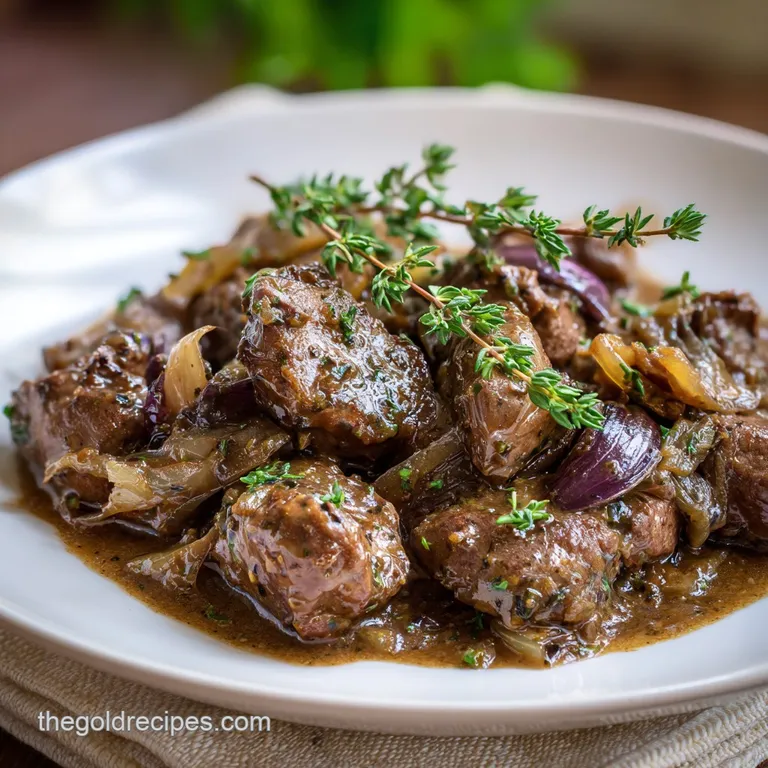
You don't need a kitchen full of gadgets to make a world class plate of chicken livers with onions and gravy. In fact, fewer tools often mean better focus on the heat and the timing.
- Cast Iron Skillet: A 12 inch heavy skillet (like a Lodge) is the gold standard here. It holds heat beautifully, ensuring that sizzle never dies down when you add the cold meat.
- Fine Mesh Strainer: Use this to drain the milk from the livers. You want them damp enough for the flour to stick, but not dripping wet.
- Flat Edged Wooden Spoon: This is my favorite tool for scraping the bottom of the pan during the gravy phase. Metal whisks can be too aggressive on seasoned cast iron.
- Stainless Steel Mixing Bowl: For the milk soak and the flour dredging.
Chef's Tip: Freeze your butter for 10 minutes before adding it to the gravy at the very end. The cold fat emulsifies more slowly, creating a glossy sheen that doesn't break into oil.
Simple Steps for Success
Prepare and Soak Phase
- Clean the 1 lb fresh chicken livers by removing any green or yellow spots and trimming excess fat.
- Submerge them in 1 cup whole milk for 15 minutes. Note: This draws out the metallic flavor.
- Mix the 0.5 cup all purpose flour, 1 tsp smoked paprika, 0.5 tsp garlic powder, salt, and pepper in a shallow bowl.
- Drain the livers and toss them in the flour mixture until fully and evenly coated.
The Skillet Elements
- Heat 2 tbsp extra virgin olive oil in your skillet over medium high heat until it shimmer.
- Fry the livers for about 3 minutes per side until deep golden brown and crisp. Remove and set aside.
- Lower heat to medium and add 1 tbsp unsalted butter and the 2 large sliced yellow onions.
- Sauté for 8-10 minutes until onions are soft, translucent, and slightly browned.
Creating the Simple Gravy
- Stir in the 2 cloves minced garlic for 1 minute until fragrant and golden.
- Whisk in 1 tbsp of the leftover seasoned flour into the onions for 1 minute to cook out the raw taste.
- Slowly pour in the 1.5 cups low sodium chicken bone broth and 1 tsp Worcestershire sauce.
- Simmer for 5 minutes until the liquid thickens into a velvety sauce.
- Return the livers to the pan for 2 minutes to warm through.
- Garnish with 1 tbsp fresh parsley and serve immediately.
Fixing Texture and Flavor Issues
Why Your Livers Are Rubbery
This is almost always a result of overcooking. Liver is a very lean protein, and once it passes the 165°F (74°C) mark, the fibers tighten up and become tough. To fix this, always use a meat thermometer and pull them off the heat just as they hit the target temperature.
They will continue to cook slightly while they rest.
Why Your Gravy Is Lumpy
Lumpy gravy happens when flour is added to hot liquid too quickly without being incorporated into a fat first. This is why we stir the flour into the buttery onions before adding the broth. If you already have lumps, don't panic.
You can pour the gravy through a fine mesh strainer or use an immersion blender to smooth it out before adding the meat back in.
| Problem | Root Cause | Solution |
|---|---|---|
| Bitter Taste | Un trimmed bile ducts | Always trim the tiny green/yellow parts off the liver before soaking. |
| Soggy Crust | Low heat/Overcrowding | Ensure the oil is shimmering and cook in two batches if the pan is small. |
| Thin Gravy | Not enough reduction | Simmer for an extra 3-4 minutes without the lid to evaporate excess water. |
Common Mistakes Checklist
- ✓ Pat the livers semi dry before dredging (prevents the flour from turning into paste).
- ✓ Never skip the milk soak; it's the difference between "okay" and "spectacular."
- ✓ Use a heavy pan to prevent hot spots that burn the delicate flour coating.
- ✓ Don't move the livers for the first 2 minutes of searing to build a proper crust.
- ✓ Use low sodium broth so you can control the final salt level ourselves.
Creative Flavor Variations to Try
While the classic version is hard to beat, sometimes a little twist keeps things interesting for the family.
- The Mushroom Forest: Add 8 oz of sliced cremini mushrooms at the same time as the onions. They soak up the butter and broth, adding an earthy, meaty texture that complements the liver perfectly.
- The Wine Country: Substitute 0.5 cup of the chicken broth with a dry white wine like Sauvignon Blanc. The acidity cuts through the richness of the liver and makes the dish feel a bit more sophisticated.
- The Spicy Kick: Add a pinch of cayenne pepper to your flour mix and swap the parsley for fresh cilantro at the end. It changes the profile entirely.
The Low Carb Option
If you're watching your starch intake, you can swap the all purpose flour for almond flour. Note: Almond flour won't get quite as "crispy" and the gravy will be slightly grainier, but it still provides a lovely nutty flavor.
You may need to use a pinch of xanthan gum to thicken the gravy instead of the flour roux method.
Storage and Leftover Secrets
Fridge Storage: You can store any leftover chicken livers with onions and gravy in an airtight container for up to 2 days. The flavors actually deepen overnight, making the onions even sweeter.
Freezer Guidelines: I don't recommend freezing this dish. Liver has a high water content and the texture becomes grainy and mushy once thawed. The gravy also tends to "split" or become watery. It’s best enjoyed fresh!
Reheating: To keep the livers from turning into rubber balls, avoid the microwave if possible. Instead, place them in a small skillet over low heat with a splash of extra broth or water. Cover with a lid and steam gently until warmed through.
This preserves the velvety texture of the sauce.
Zero Waste Tip: If you have leftover gravy but no livers, use it as a base for a poutine or pour it over a simple bowl of rice. If you have trimmed fat or scraps from the cleaning process, you can render them down in a separate pan to use as a savory cooking fat for roasted potatoes later in the week.
Best Sides for This Meal
Since this dish is so rich and savory, you want sides that can either soak up that glorious gravy or provide a bright contrast.
- Mashed Potatoes: The absolute gold standard. Use Yukon Gold potatoes with plenty of butter and cream. The gravy will create little pools of joy in every bite.
- Buttered Egg Noodles: A great shortcut for busy weeknights. The wide noodles catch the onions and sauce beautifully.
- Steamed Green Beans: You need something snappy and fresh. Toss them with a little lemon juice and sea salt to cut through the richness of the liver.
- Crusty Sourdough: Essential for "mopping" the plate. You won't want to leave a single drop of that gravy behind.
The Classic Comfort Pairing
If you're going for the full "Sunday Dinner" vibe, serve this with a side of braised red cabbage. The sweetness and vinegar in the cabbage act as a perfect foil to the iron rich liver and savory gravy. It’s a combination that has stood the test of time for a reason it just works.
Don't forget to season every layer as you go; a little extra cracked black pepper right at the end makes all the difference!

Recipe FAQs
What are common mistakes when cooking chicken livers?
Overcooking them, resulting in a rubbery texture. Liver should be pulled off the heat around 165°F (74°C) as it continues to cook off the heat. Also, skipping the milk soak often leads to a noticeable metallic aftertaste.
How long to cook liver and onions with gravy in the oven?
No, this method is best done entirely on the stovetop. Oven cooking often dries out the delicate livers before the onions are properly caramelized for the gravy base. Use a heavy, covered skillet on the stovetop for the best moisture and crust.
How to make chicken livers with onions?
Soak the livers in milk for 15 minutes first. Next, dredge them in seasoned flour and sear them hard in hot oil until golden brown on all sides, then remove them from the pan. Sauté thinly sliced onions until soft, then build your gravy directly in the same pan.
Are you supposed to rinse chicken livers before you cook them?
No, you should soak them instead of rinsing. Rinsing doesn't remove the off-flavors, but soaking them in whole milk for 15-30 minutes neutralizes metallic tastes, leading to a cleaner flavor profile, similar to the flavor balancing technique used in our Ground Beef Stroganoff recipe.
Why do my chicken livers taste bitter or "iron-y"?
This happens when the bile ducts or green spots are not trimmed off. These small, yellowish pieces contain bitter compounds that leach out during cooking. Ensure you inspect every liver and trim away any discolored or greenish portions before the milk soak.
What is the secret to getting a non-grainy texture?
The key is the initial milk soak and high heat searing. The soak tenderizes the meat internally, and a very hot pan ensures the flour coating caramelizes quickly before the center overcooks. If you master this sear, you’ll notice the same temperature control principles apply when making something like our Crispy Air Fryer recipe for perfect crusts.
Can I substitute the chicken broth for water when making the gravy?
No, substituting water will result in a very bland gravy. You must use stock or broth to achieve the necessary richness and mouthfeel. Using quality chicken bone broth adds gelatin, which inherently thickens the sauce and contributes savory depth without needing extra starch.
Chicken Livers With Gravy
Ingredients:
Instructions:
Nutrition Facts:
| Calories | 338 kcal |
|---|---|
| Protein | 25.1 g |
| Fat | 15.8 g |
| Carbs | 20.6 g |
| Fiber | 1.8 g |
| Sugar | 4.2 g |
| Sodium | 585 mg |
