Cabbage Roll Soup Recipe
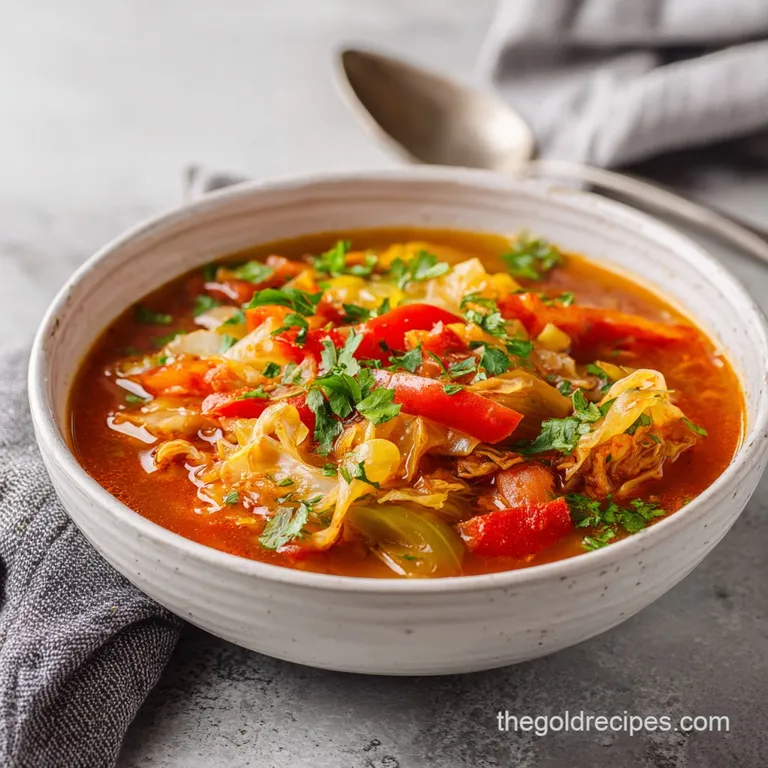
- Time: Active 15 minutes, Passive 40 minutes, Total 55 minutes
- Flavor/Texture Hook: Hearty beef and silky cabbage in a tangy, savory broth
- Perfect for: Cold weeknights or budget-friendly family meal prep
- Mastering the Comforting Flavors of Cabbage Roll Soup
- Deciphering the Magic Behind This One Pot Meal
- Component Analysis for the Ultimate Savory Base
- Selecting the Best Budget Friendly Pantry Staples
- Essential Tools for a Stress Free Dinner
- Executing the Perfect Three Step Cooking Flow
- Solving Common Issues for a Flawless Result
- Simple Ways to Customize Your Family Favorite
- Effective Methods for Keeping Leftovers Fresh
- Enhancing Your Table with Simple Garnishing Ideas
- High in Sodium (⚠️)
- Recipe FAQs
- 📝 Recipe Card
Mastering the Comforting Flavors of Cabbage Roll Soup
I remember standing in my grandmother's kitchen, watching her spend three hours meticulously boiling cabbage leaves, trimming ribs, and rolling beef mixtures into tight little bundles.
The house smelled incredible - that specific mix of searing meat and vinegary tomatoes - but honestly, who has that kind of time on a Tuesday? I tried making the traditional rolls once and ended up with a kitchen that looked like a cabbage bomb went off.
That’s when I realized the "unstuffed" version isn't just a shortcut; it's actually better because every spoonful gets the perfect ratio of broth, beef, and greens.
We’ve all had those watery vegetable soups that leave you raiding the pantry an hour later. This isn't that. This is a thick, rib sticking meal that feels like a warm hug. It’s one of those family favorites that actually gets better the next day as the cabbage softens and the rice absorbs the smoky paprika and sweet brown sugar.
Whether you’re feeding a crowd or looking for a budget friendly way to stretch a pound and a half of beef, this pot of goodness delivers every single time. It’s a simple cabbage roll soup that tastes like you spent all day hovering over the stove.
The trick to getting that authentic Polish cabbage roll soup flavor lies in the balance of acid and sugar. We aren't just making a beef stew; we’re recreating a specific profile. The apple cider vinegar cuts through the richness of the 90/10 beef, while the brown sugar mellows the bite of the tomatoes. If you've ever enjoyed a Savory Cabbage Hamburger recipe, you'll recognize that satisfying combination of textures here, just in a much more comforting, slurpable form.
Deciphering the Magic Behind This One Pot Meal
Flavor Concentration: Browning the beef until it’s deeply caramelized creates a foundation of savory depth that water or broth alone can't provide.
Starch Integration: Simmering the long grain white rice directly in the pot allows the grains to release starch, naturally thickening the liquid into a velvety consistency.
The Acid Pivot: Adding apple cider vinegar at the end brightens the heavy earthy notes of the cabbage and beef, mimicking the fermented tang of traditional recipes.
Cellular Breakdown: Chopping the cabbage into 1 inch ribbons ensures it wilts enough to be tender but maintains enough structure to provide a satisfying "chew" against the soft rice.
| Ground Beef Thickness | Internal Temp | Rest Time | Visual Cue |
|---|---|---|---|
| Crumbled (Small bits) | 160°F | 0 mins | No pink remains, deep brown crust |
| Large Chunks | 160°F | 2 mins | Steaming, juices run clear |
| Searing Patty | 160°F | 5 mins | Uniform brown throughout |
When you're working with lean ground beef, the goal is to get as much color on the meat as possible before adding the liquid. This process, often called browning, is where the "meatiness" comes from. If you just boil the beef in the broth, it ends up gray and bland.
By letting it sizzle in its own fat with the onions and peppers, you're building layers of flavor that will permeate every ribbon of cabbage later on.
Component Analysis for the Ultimate Savory Base
Creating a hearty soup requires understanding how each part interacts. This isn't just a random toss of vegetables into a pot; it’s a calculated layering of flavors. Similar to the way we build layers in our Creamy Taco Soup recipe, we start with aromatics to ensure the foundation isn't flat.
| Ingredient | Kitchen Role | Pro Secret |
|---|---|---|
| Cabbage (2 lbs) | Texture & Bulk | Use the outer green leaves for more flavor and the white inner core for sweetness. |
| Beef Bone Broth (6 cups) | Liquid Gold | Use bone broth over standard stock for a silkier mouthfeel and more "body." |
| Tomato Paste (2 tbsp) | Umami Anchor | Sauté the paste with the garlic for 2 minutes to remove the "tinny" raw taste. |
| Long grain Rice (1/2 cup) | Thickening Agent | Don't rinse the rice; the surface starch is what gives the soup its hearty thickness. |
The choice of cabbage is actually quite important. A standard green cabbage is best here because it holds its shape during the 30 minute simmer. While Napa or Savoy cabbage are lovely, they tend to melt away into nothingness in a long simmer, leaving you with a texture that's a bit too soft.
You want those ribbons to have a slight "shatter" when you first bite into them, eventually giving way to a buttery softness.
Selecting the Best Budget Friendly Pantry Staples
Gathering your ingredients for this easy cabbage roll soup is half the fun because most of these items are likely already in your pantry. We’re keeping things practical and budget friendly here, focusing on staples that deliver big results without a high price tag.
- 1.5 lbs lean ground beef (90/10)Why this? Provides rich flavor without excessive grease floating on top.
- 1 large yellow onion, finely dicedWhy this? Melts into the broth for a foundational sweetness.
- 4 cloves garlic, mincedWhy this? Essential for that punchy, savory aroma.
- 1 green bell pepper, dicedWhy this? Adds a subtle bitterness that balances the sweet tomatoes.
- 1 medium head green cabbage (approx. 2 lbs), chopped into 1 inch ribbonsWhy this? The star of the show; provides bulk and texture.
- 6 cups beef bone brothWhy this? Offers more depth and nutrients than plain water.
- 15 oz plain tomato sauceWhy this? Creates the smooth, red base for the soup.
- 14.5 oz diced tomatoesWhy this? Adds pops of texture and acidity.
- 2 tablespoons tomato pasteWhy this? Intensifies the tomato flavor and thickens the broth.
- 1/2 cup uncooked long grain white riceWhy this? Absorbs the liquid and adds satisfying "weight" to each bowl.
- 1 tablespoon apple cider vinegarWhy this? Mimics the sourness of traditional fermented cabbage.
- 1 tablespoon brown sugarWhy this? Balances the acidity of the vinegar and tomatoes.
- 1 teaspoon dried oreganoWhy this? Adds an earthy, herbal note.
- 1 teaspoon smoked paprikaWhy this? Provides a hint of "bacon like" smokiness without the meat.
- 2 bay leavesWhy this? Infuses a subtle floral depth during the simmer.
- 1 teaspoon salt & 0.5 teaspoon black pepperWhy this? Basic seasoning to make the other flavors pop.
| Original Ingredient | Substitute | Why It Works |
|---|---|---|
| Lean Ground Beef | Ground Turkey | Lower fat content. Note: Add 1 tsp Worcestershire sauce to boost the "meaty" flavor. |
| White Rice | Cauliflower Rice | Makes it a keto cabbage roll soup. Note: Add at the very end to prevent mushiness. |
| Beef Bone Broth | Vegetable Broth | Lighter flavor profile; keeps the dish budget friendly if you have it on hand. |
| Apple Cider Vinegar | Lemon Juice | Provides the necessary acid hit, though with a slightly more citrusy profile. |
If you are looking for a version that feels even more like a main course, you might enjoy our Unstuffed Cabbage Rolls recipe, which uses similar ingredients but with a thicker, more casserole like finish. Both versions are incredibly satisfying and hit those same nostalgic flavor notes.
Essential Tools for a Stress Free Dinner
You don't need a high end kitchen to make this soup happen. In fact, part of the charm of a simple cabbage roll soup is that it’s a "working man’s meal" that uses basic gear.
- Large Dutch Oven (6 quart or larger): This is non negotiable for me. The heavy bottom prevents the rice from sticking and scorching, and it holds heat beautifully for an even simmer.
- Sharp Chef’s Knife: You’ll be doing a fair amount of chopping with the cabbage and onion, so a sharp blade makes the job much safer and faster.
- Wooden Spoon: Perfect for scraping up those "fond" bits (the brown flavorful crust) from the bottom of the pot after browning the beef.
- Measuring Cups and Spoons: Essential for getting that sugar to vinegar ratio just right.
Chef's Tip: Before you start cooking, chop your cabbage into ribbons and let it sit on the counter for 10 minutes. This allows the cellular structure to relax slightly, helping it soften faster once it hits the hot broth.
Also, freeze your tomato paste in one tablespoon dollops on parchment paper if you have leftovers - it saves money and makes future soups a breeze.
Executing the Perfect Three Step Cooking Flow
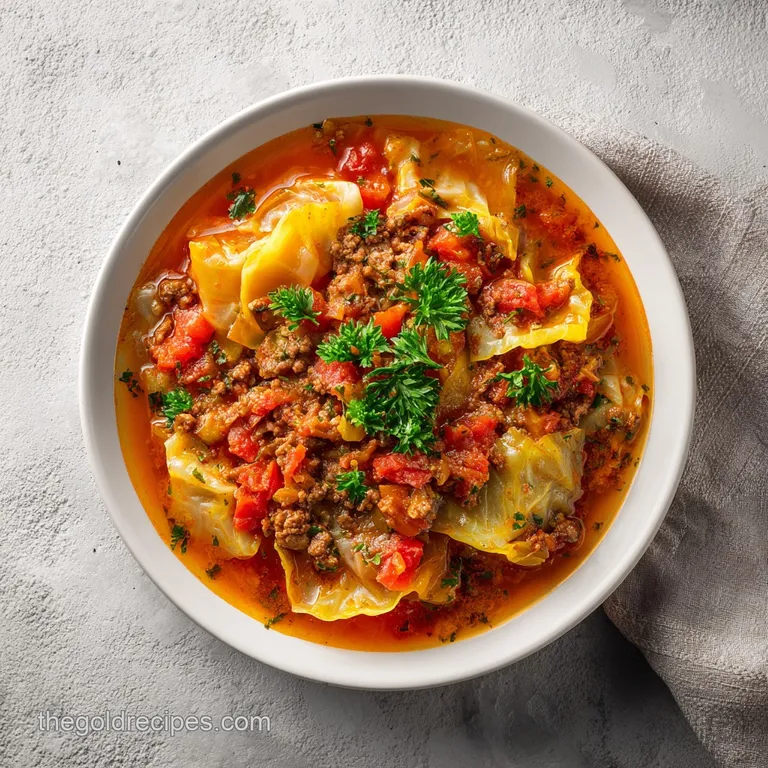
The key to a successful soup is the timeline. We want to build flavor in stages so that nothing ends up bland or overcooked. Follow this flow for the best results.
1. The Browning Phase
Brown the 1.5 lbs ground beef in the Dutch oven over medium high heat until deeply browned and sizzling. Use your spoon to break it into small crumbles. Note: This creates the "fond" on the bottom of the pot which is pure flavor gold.
2. Building the Flavor Base
Add the diced onion and green bell pepper to the beef fat. Sauté for 5 minutes until the onions are translucent and fragrant. Stir in the 4 minced garlic cloves and 2 tablespoons tomato paste, cooking for another 2 minutes until the paste turns a dark brick red.
3. The Liquid Integration
Pour in a splash of the 6 cups beef bone broth to deglaze the pot, scraping the bottom with your spoon. Add the remaining broth, 15 oz tomato sauce, 14.5 oz diced tomatoes, 1 tablespoon ACV, 1 tablespoon brown sugar, and all the dried spices (oregano, paprika, salt, pepper).
4. The Simmer and Steam
Stir in the 2 lbs of chopped cabbage and 1/2 cup uncooked white rice. Bring the mixture to a boil, then immediately reduce the heat to low. Cover the pot tightly.
5. The Finishing Touch
Simmer for 30 to 40 minutes until the rice is tender and the cabbage is silky. Remove the bay leaves before serving. Taste one last time - you might want an extra pinch of salt or a splash of vinegar to wake it up.
Solving Common Issues for a Flawless Result
Even with a simple recipe, things can go sideways. Cabbage can be finicky, and rice is notorious for drinking up all the liquid if you aren't careful. Here is how to keep your pot of soup on the right track.
Soup Texture is Too Thick
This usually happens because the rice was extra "thirsty" or the simmer was a bit too aggressive. Rice continues to absorb liquid even after the heat is off. If your soup looks more like a stew, simply stir in an extra cup of broth or water.
Cabbage Remains Tough
If your cabbage is still crunchy after 40 minutes, the heat might have been too low, or you might have used a particularly old, "woody" head of cabbage. Don't panic. Just keep the lid on and simmer for another 10 minutes.
The steam trapped inside is what does the heavy lifting for softening those leaves.
The Flavor Tastes Flat
If you take a sip and it just feels "blah," it’s almost always a lack of acid or salt. Tomatoes vary in acidity, so sometimes that one tablespoon of vinegar isn't enough. Add another teaspoon of vinegar or a squeeze of lemon. It’s like turning on a light in a dark room - the flavors will suddenly sharpen.
| Problem | Root Cause | Solution |
|---|---|---|
| Rice is mushy | Overcooked or heat too high | Reduce simmer time next time; add rice 10 mins later. |
| Greasy film on top | Fat didn't emulsify | Skim with a cold metal spoon or use a fat separator. |
| Cabbage is bitter | Underripe or outer leaves | Add an extra teaspoon of brown sugar to balance. |
Common Mistakes Checklist: ✓ Don't skip browning the beef; it’s the primary source of savory flavor. ✓ Avoid using "Instant" rice, as it will disintegrate into a grainy mush before the cabbage is done.
✓ Use a heavy bottomed pot to prevent the rice from burning on the floor of the Dutch oven. ✓ Keep the lid on! Every time you peek, you lose the steam necessary to soften the cabbage. ✓ Let the soup sit for 5 minutes after turning off the heat to let the flavors settle.
Simple Ways to Customize Your Family Favorite
This recipe is a canvas. While the Polish cabbage roll soup version is the classic, you can easily tweak this to fit your dietary needs or equipment.
1. Keto Cabbage Roll Soup
To make this low carb, simply swap the white rice for 2 cups of riced cauliflower. However, do not add it at the beginning. Cauliflower rice only needs about 5 minutes of cooking. Stir it in at the very end of the simmer.
You'll also want to omit the brown sugar or use a keto friendly sweetener like monk fruit.
2. Cabbage Roll Soup Crock Pot Method
If you want to come home to a ready meal, brown the beef, onions, and garlic in a skillet first. Transfer everything (except the rice) to the slow cooker. Cook on low for 6-7 hours. Add the rice in the last 45 minutes of cooking to ensure it doesn't get too bloated.
It's a great "set and forget" version of this unstuffed cabbage roll soup recipe.
3. Cabbage Roll Soup Instant Pot Version
For a lightning fast meal, use the sauté function to brown the beef and aromatics. Add all other ingredients, including the rice. Seal the lid and set to high pressure for 5 minutes. Allow a 10 minute natural pressure release.
The high pressure makes the cabbage incredibly velvety in a fraction of the time.
4. Scaling the Recipe
- To Double (16 servings): Use a 10 quart pot. Increase spices to 1.5x rather than 2x to avoid overpowering the broth. You may need to add an extra 10 minutes to the simmer time because of the sheer volume of the pot.
- To Halve (4 servings): Use a smaller 3 quart pot. Reduce the rice to 1/4 cup and the broth to 3 cups. The cook time remains the same, as the rice and cabbage still need that window to soften.
| Fresh Ingredients | Shortcut Alternative | Impact on Dish |
|---|---|---|
| Fresh Garlic Cloves | Jarred Minced Garlic | Slightly less pungent; great for saving 5 mins of prep. |
| Whole Head Cabbage | Bagged Coleslaw Mix | Very convenient. Note: Shredded cabbage cooks much faster (15 mins). |
| Homemade Bone Broth | Bouillon Cubes | Saltier profile; adjust added salt accordingly. |
Effective Methods for Keeping Leftovers Fresh
This is one of those rare dishes where the leftovers are actually the prize. As it sits, the rice absorbs the tomato vinegar essence, and the cabbage becomes almost jam like in its tenderness.
Storage: Store any leftovers in an airtight container in the fridge for up to 4 days. If the soup thickens too much in the fridge (which it will!), just add a splash of water when you reheat it.
Freezing: This soup freezes beautifully for up to 3 months. However, be aware that rice can become slightly softer after thawing. I recommend undercooking the rice slightly if you know you are making a batch specifically for the freezer. Thaw overnight in the fridge before reheating.
Zero Waste Tip: Don't throw away the tough cabbage core! While we don't use it in the soup ribbons, you can finely grate it and add it to the beef while browning. It disappears into the meat but adds extra nutrients and a subtle sweetness.
Also, if you have leftover tomato paste, smear it on a piece of plastic wrap, roll it into a "cigar," and freeze it. You can snip off what you need for the next batch.
Enhancing Your Table with Simple Garnishing Ideas
Presentation matters, even with a "homely" dish like cabbage roll soup. Since it’s a mostly red and brown dish, a few pops of color make it look as good as it tastes.
- A Dollop of Sour Cream: This is the traditional way. It adds a creamy, cooling element that swirls into the tomato broth, making it look like a pink marble.
- Fresh Dill or Parsley: A heavy sprinkle of chopped fresh herbs provides a necessary "green" freshness that cuts through the rich beef flavor.
- The Perfect Sidekick: Serve this with a thick slice of buttered rye bread or sourdough. You need something sturdy to soak up the bottom of the bowl. If you're looking for another beef centered meal to round out your week, our Beef and Broccoli recipe is another fantastic way to use budget friendly cuts of meat with plenty of veggies.
If you’re feeling extra fancy, try serving the soup in hollowed out bread bowls. The bread absorbs the tangy broth, and you get to eat the "container" at the end. It's a huge hit with kids and makes a simple Tuesday night feel like a special occasion.
Trust me, once your family smells this simmering on the stove, they’ll be at the table before you even have to call them. It’s hearty, it's nostalgic, and it’s the ultimate way to enjoy all the flavors of a cabbage roll without any of the stress.

High in Sodium (⚠️)
945 mg mg of sodium per serving (41% % of daily value)
The American Heart Association recommends limiting sodium intake to about 2,300mg per day for most adults.
Sodium Reduction Tips for Stuffed Cabbage Soup
-
Low Sodium Broth-30%
Use low-sodium or no-salt added beef broth. This is a major source of sodium in the recipe.
-
No Salt Added Tomatoes-20%
Opt for no-salt added diced tomatoes and tomato sauce to reduce sodium significantly.
-
Reduce Added Salt-25%
Cut back on the amount of salt added to the recipe. Start by reducing it by half, or eliminating it entirely, and taste as you go.
-
Fresh Herbs & Spices
Enhance flavor with fresh herbs like parsley, thyme, or dill and spices to compensate for reduced salt. These add flavor without adding sodium.
-
Flavorful Foundation-5%
Sauté the onions, garlic, and bell peppers thoroughly to develop deep, savory flavors. This helps to reduce the need for added salt.
-
Rinse the Beef-10%
After browning the ground beef, rinse it briefly with hot water to remove some of the excess fat and sodium.
-
DIY Broth-20%
Make your own beef broth from scratch! This allows you to control the sodium content precisely. Use bones and vegetable scraps, simmered for several hours.
Recipe FAQs
What are common mistakes when making cabbage soup?
Not browning the beef sufficiently. Skipping the deep browning step results in a bland, grayish meat base lacking essential savory depth.
How do you make cabbage roll soup?
Brown the ground beef, sauté aromatics, and then deglaze the pot with broth. Add the cabbage, rice, tomatoes, and spices, then simmer covered for 30 to 40 minutes until the rice is tender and the cabbage is silky.
Is stuffed cabbage soup healthy?
Yes, it is generally considered a very healthy, balanced meal. It is rich in vegetables (cabbage) and lean protein (ground beef), providing high satiety for relatively low cost. If you are managing sodium, use low-sodium broth and control the added salt.
How do you make Dolly Parton's cabbage soup?
The Dolly Parton method typically involves a simpler, less tomato heavy base relying on canned vegetables. Her famous recipe often skips the rice and focuses on stewed cabbage, beef, and large quantities of onion and celery, which softens quickly.
What can I use instead of white rice in cabbage roll soup?
For a low-carb option, use riced cauliflower. Remember to add it near the end of the cooking process, about 10 minutes before serving, so it retains some texture.
If my soup is too thin, how can I fix the consistency?
Simmer it uncovered for an additional 10-15 minutes. Removing the lid allows steam to escape and the liquid to reduce, thickening the broth naturally. If you enjoyed mastering the timing for thickening this soup, apply that same low-and-slow evaporation principle to our Texas Roadhouse Seasoned recipe for perfectly textured rice sides.
Should I use fresh or frozen cabbage for this soup?
No, stick strictly to fresh green cabbage. Frozen cabbage releases excessive moisture upon thawing, diluting your broth and preventing that classic, satisfyingly tender yet-structured ribbon texture.
Cabbage Roll Soup Recipe
Ingredients:
Instructions:
Nutrition Facts:
| Calories | 308 kcal |
|---|---|
| Protein | 28.4 g |
| Fat | 9.4 g |
| Carbs | 26.8 g |
| Fiber | 4.2 g |
| Sugar | 9.1 g |
| Sodium | 945 mg |
